


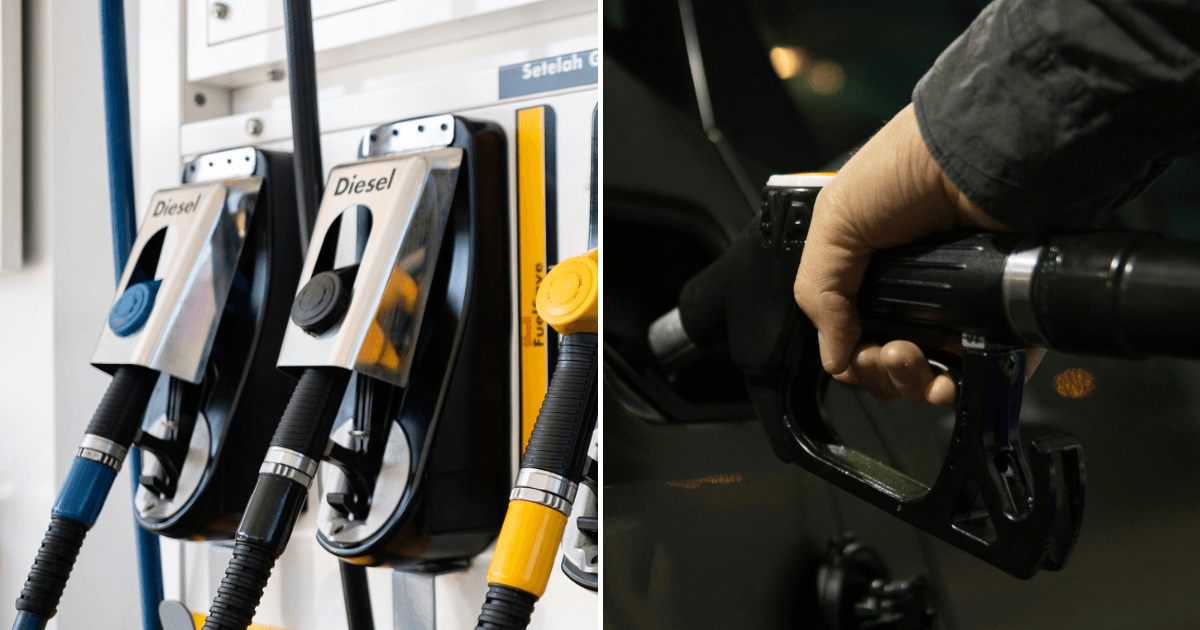
 Cover image via
Follow us on Instagram, TikTok, and WhatsApp for the latest stories and breaking news.
Petrol and diesel engines are designed very differently. That's why you should never pump diesel into a petrol engine.
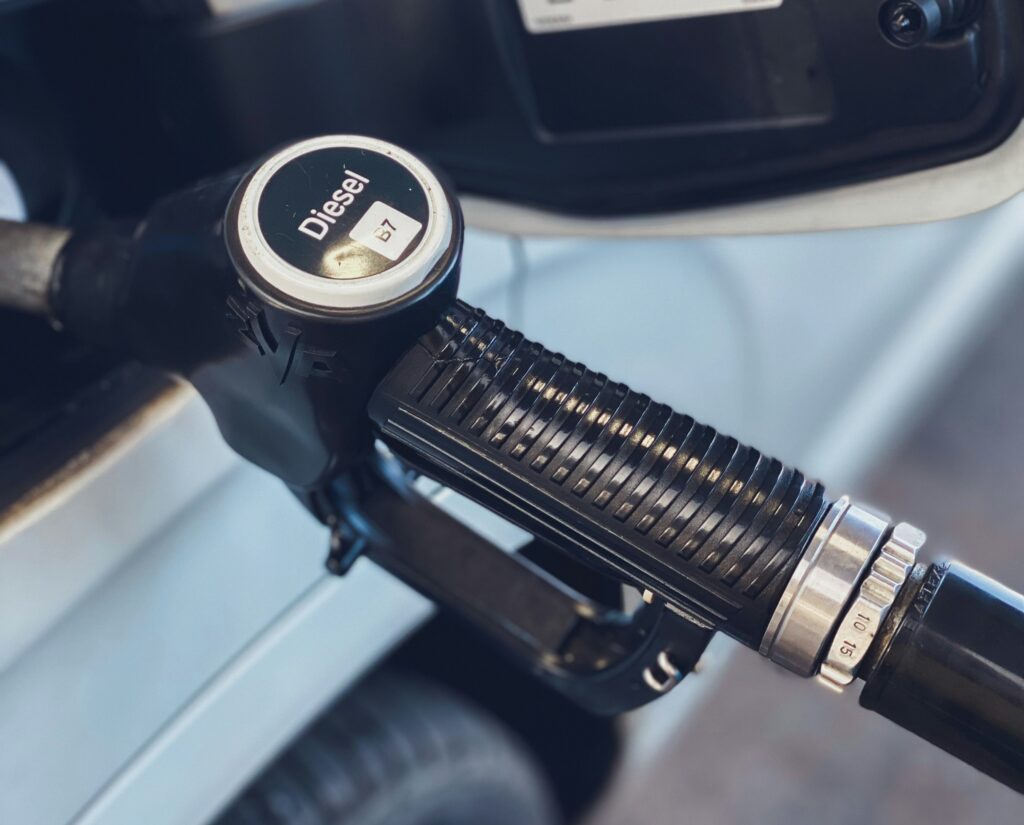
Petrol engines rely on spark plugs to ignite fuel in the engine, while diesel engines ignite fuel through compression.
Diesel is much heavier and oilier than petrol, and it's unable to ignite properly in a petrol engine. This means that if diesel is pumped into a petrol car, it can't burn the way it's supposed to, causing the engine to misfire, stall, or even prevent the car from starting.
With that said, what can you do when you accidentally pump diesel into a petrol engine?
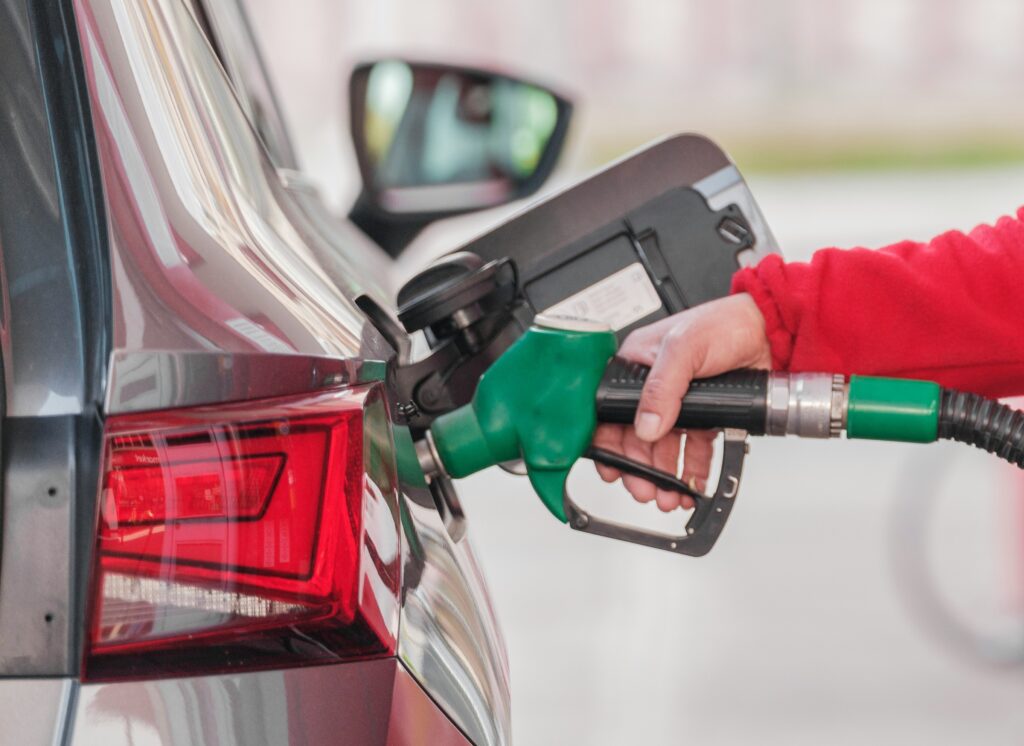
The most important thing is not to start the engine. Even turning the ignition on can start circulating diesel through the fuel system and cause damage to parts of the engine. Instead, notify the petrol station staff and arrange for roadside assistance to tow your car to a workshop.
When you get to the workshop, explain the situation and ask them to drain and flush the fuel inside your engine. This will remove any diesel from your fuel system and usually the mechanics will provide petrol for you to head to the nearest gas station to fill up the rest.
If the engine has already been started and the car driven, the situation could be more serious
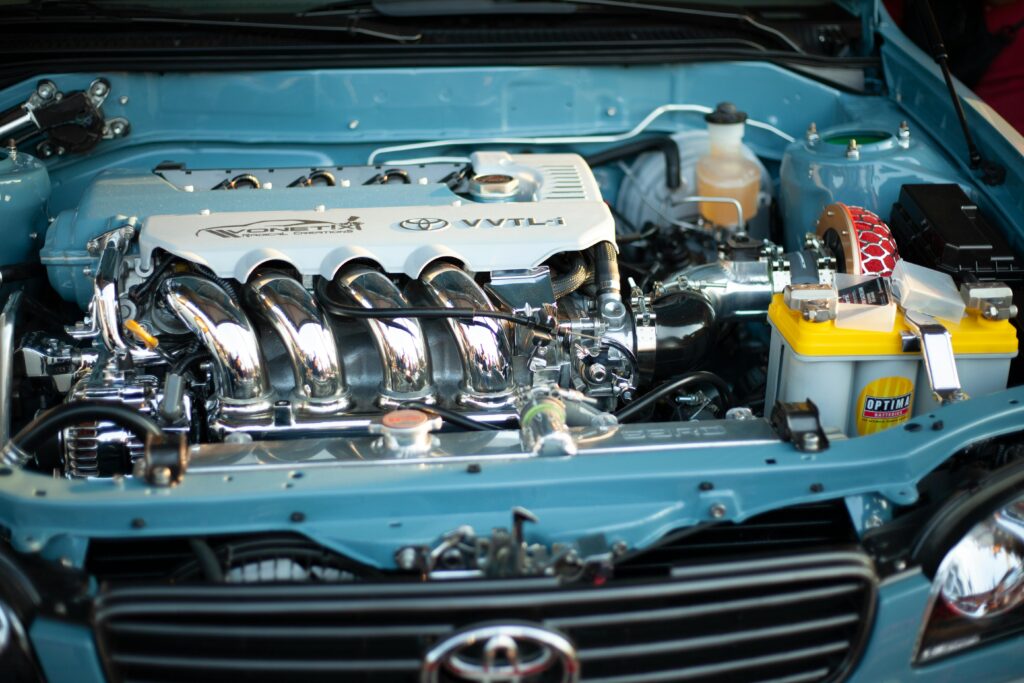
Once diesel enters a petrol engine while it's running, it circulates through the fuel system, reaching vital components in your car. Diesel is much thicker than petrol and doesn't evaporate easily, so it can coat spark plugs, preventing them from sparking properly. This causes misfires and poor combustion.
The fuel pump also struggles, because it's designed to pump thinner petrol, not dense diesel. Overworking the pump can lead to pump failure, which is a costly repair. Diesel can also clog the fuel filter and deposit residues inside the fuel lines, further reducing engine efficiency.
Repairs at this stage can range from a few hundred ringgit for a simple fuel flush to several thousand if the spark plugs, injectors, or other components need a replacement.
If you realise you've driven with diesel in your petrol car, the safest move is to stop as soon as it's safe and call for professional assistance. Continuing to drive can make the damage much worse and significantly hike up repair costs.
