


 Cover image via
Follow us on Instagram, TikTok, and WhatsApp for the latest stories and breaking news.
If you've driven on Malaysian highways, you've probably felt these yellow lines before, even if you didn't know what they were called
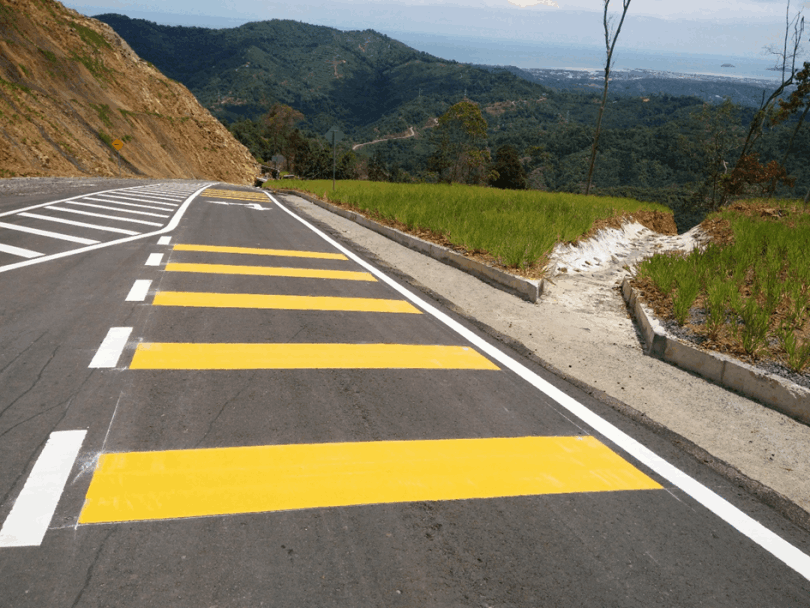
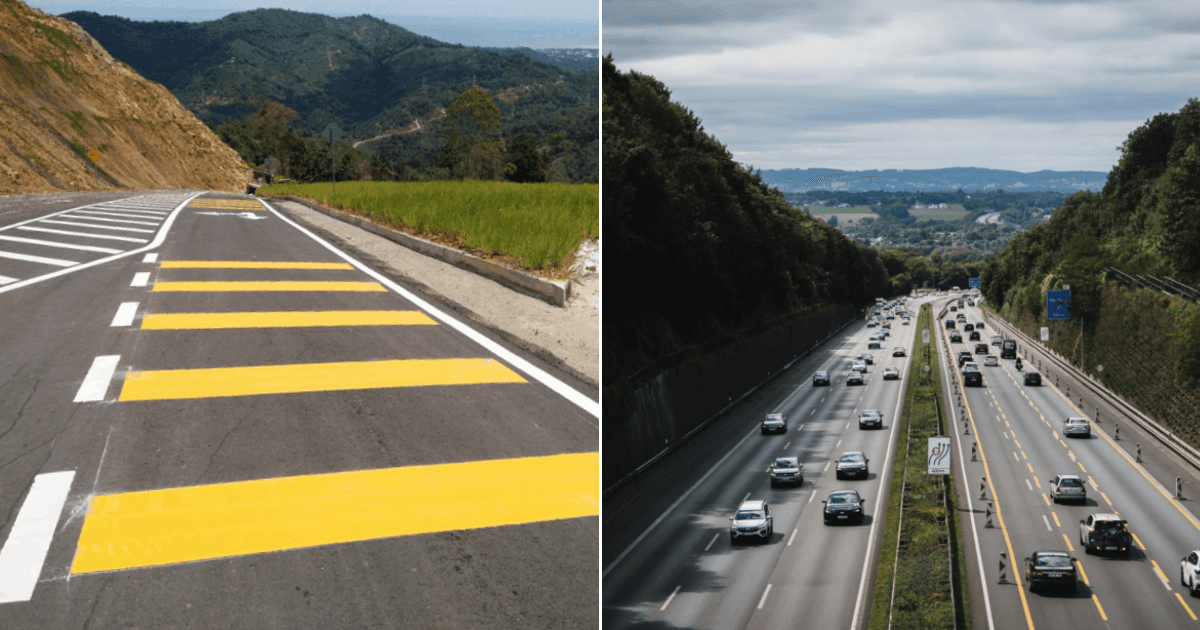
Not to be confused with standard road markings, these are known as transverse rumble strips, and they are part of Malaysia's highway safety design system.
They are raised or patterned strips placed across the road, usually in groups, designed to:
- Create vibration and noise when driven over
- Force driver attention back to the road
- Encourage immediate speed reduction
ㅤ
They are commonly installed before intersections, toll booths, sharp bends, and other high-risk areas.
Here's what these yellow strips actually are (and why they feel so loud):
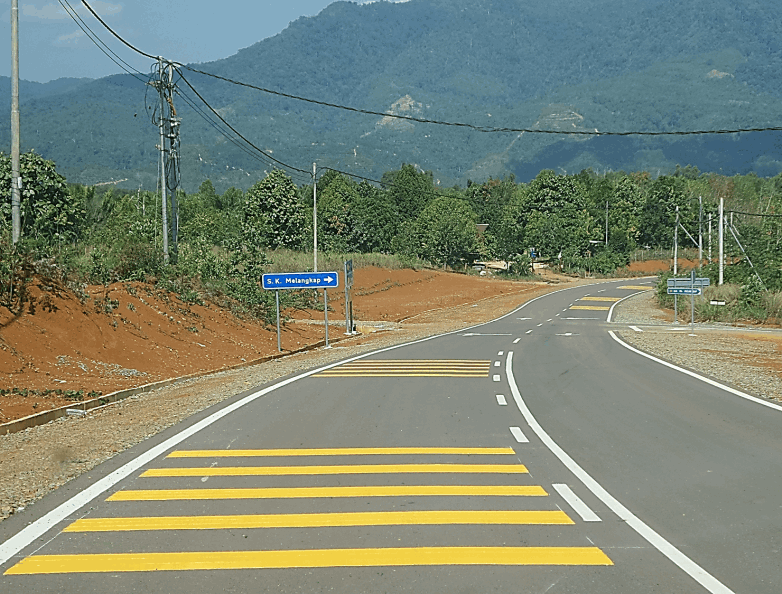
These lines are made using high skid resistance thermoplastic material, which is more durable than regular paint and designed to stay visible in rain, heat, and heavy traffic conditions.
They are laid across the road in raised or grooved patterns. When a vehicle passes over them, the tyres generate a strong rumbling sound and noticeable vibration. This immediate physical feedback interrupts autopilot driving and forces attention back to the road ahead.
Their main role is to act as an early warning system before road environments that require slower speeds and sharper awareness.
While yellow is the standard, some local manufacturers use red thermoplastic to improve visibility and skid resistance.
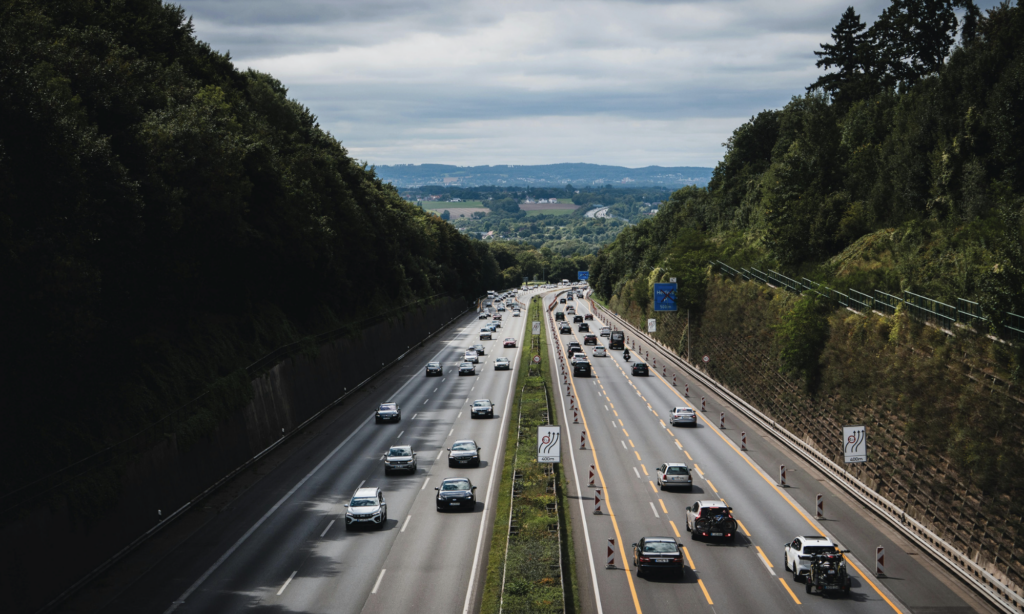
They matter especially on Malaysian highways that are long, fast, and often visually repetitive
That combination increases the risk of driver fatigue and delayed reactions, especially when approaching exits or speed change zones.
Transverse rumble strips help reduce:
- Missed exits due to distraction or fatigue
- Late braking near toll booths or junctions
- Speeding into curves or intersections
- Lane drift on long, monotonous stretches
Studies have shown the real-world impact of transverse rumble strips in Malaysia
According to a 2019 study published in the Civil Engineering Research Journal on transverse rumble strips in Malaysia, they can consistently improve road safety. Average vehicle speeds on treated rural sections were reduced by roughly 4km/h to 10km/h, especially at approaches to junctions, curves, and other high‑risk transition zones.
All in all, they are part of a broader road safety strategy where infrastructure actively helps guide driver behaviour, not just inform it.
