


 Cover image via TNB
Follow us on Instagram, TikTok, and WhatsApp for the latest stories and breaking news.
If you usually run your washing machine after dinner or start your creative work after midnight, your daily habits might already be perfect for the Time of Use (ToU) tariff

The ToU tariff is all about using electricity at specified times, instead of using less. It's offered as an option for Malaysians who may consume more electricity during quieter times of the day, such as late at night or early in the morning.
This means that if you can shift your energy usage to off-peak hours, you'll pay less per kilowatt than you would under the standard tariff, or domestic general tariff.
But before you opt in, you should understand what the ToU tariff really means for your electricity bills, your routine, and your long-term habits.
Under the ToU tariff, electricity rates are split by time
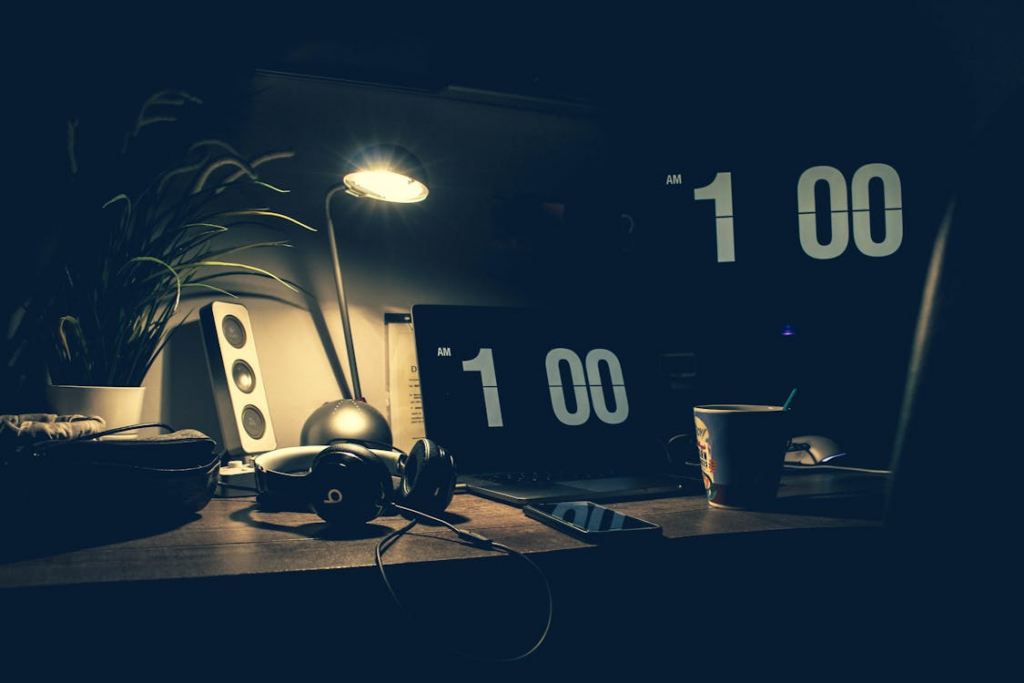
Peak hours on weekdays run from 2pm to 10pm, and off-peak hours run from 10pm through to 2pm the next day.
Meanwhile, Saturdays, Sundays, and public holidays are considered full off-peak days, meaning the 24-hour off-peak rate applies.
Simply put, if you switch to the ToU tariff and your household uses more power outside those peak hours, you'll be rewarded with cheaper rates.
But if you usually use more energy during peak hours, you're better off sticking to the standard tariff, which has a flat rate no matter the time of day (and is lower than the peak rates under the ToU tariff).
See the table below for a breakdown on the costs between the standard tariff and the ToU tariff:
| Monthly usage | Off-peak rate (ToU tariff) | Peak rate (ToU tariff) | Standard rate (Standard tariff) |
|---|---|---|---|
| 1,500 kWh and below | 24.43 sen/kWh | 28.52 sen/kWh | 27.03 sen/kWh |
| More than 1,500 kWh | 34.43 sen/kWh | 38.52 sen/kWh | 37.03 sen/kWh |
In a nutshell, the ToU tariff only works if you switch most of your electricity usage to off-peak hours, meaning that you'll need to adapt your habits to see significant results.
You can take five minutes to perform a quick check on your usage habits
Do you notice that your usage is highest during peak periods? If so, you might want to hold off on switching, or perhaps start experimenting with new usage patterns so that you can make the most of the ToU tarrif.
TNB's website also has a calculator that can help you estimate your potential savings and determine if the ToU tariff matches your lifestyle.
And don't worry if your habits don't match up. The ToU tariff is designed to give all users more control and an additional option in the event they do decide to make the switch.
Switching over is easy with just a few simple steps
You can opt in to the ToU tariff via the following methods:
- Email your application to [email protected]
- Walk in to your nearest Kedai Tenaga
- Or use the myTNB portal or app (online option coming soon)
For individuals, it's a straightforward process. If you're applying on behalf of an organisation, you'll need to include supporting documents like a copy of your IC or passport, company registration certificate, and authorisation letters if required.
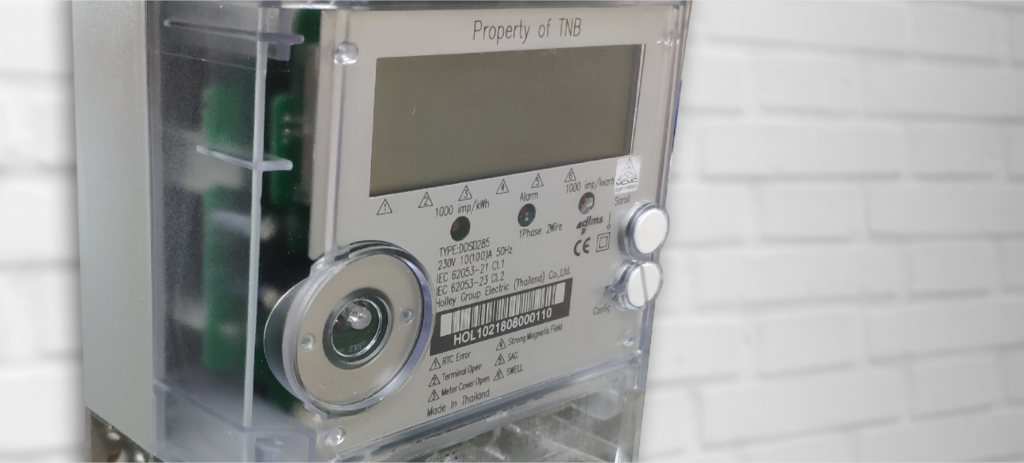
Once submitted, activation depends on your meter status:
- If your smart meter is already active, ToU kicks in within five working days
- If you don't have an active smart meter, expect up to two months before the new tariff starts
There will also be an RM10 stamp duty fee to switch, so you should thoroughly analyse your usage patterns before opting in.
Regardless of your choice, you can optimise your savings even further by adopting other energy-saving habits
To get the best value, you can do the following:
- Switch to LED lights as they use up to 75% less energy than incandescent bulbs
- Unplug appliances and chargers when not in use to cut phantom power draw
- Use fans instead of aircon when the weather allows
- Run washing machines and dryers during off-peak windows
- Set timers or smart plugs to shift usage automatically past 10pm
Do these things during off-peak hours, and you'll be saving energy with double efficiency. It's also better for the grid, since it helps balance nationwide demand and reduces strain during peak periods.
Ready to become more energy-efficient? You can learn more about the ToU tariff and use the bill calculator here.
Read more #lifestyle stories on SAYS:
- These 7 Foods Might Boost Your Brain. Here's What The Science Says
- Da Men Mall In Subang Jaya Is Changing Its Name To Easyhome
- These 4 Malaysian Bars Secured Spots In Asia's 50 Best Bars 2025
- Did You Know: Sweet Basil Is Not Thai Basil. And Holy Basil Is A Whole Other Thing
Got some cool brand news to share?

Take a look at all of our Spotlight stories to date here.
Catch up on the latest brand buzz in Malaysia:
- You Can Use This App To Make Your Daily Drive More Rewarding. Here's How
- PSA: Do Not Pour Or Dump Waste Down The Drain. It Could Really Cost You
- We Debunk 5 Common Myths About The SST Expansion. Here's What You Should Know
- Samsung's New Foldable Smartphones Just Got Slimmer & More Powerful. Here's A First Look
