


 Cover image via
Follow us on Instagram, TikTok, and WhatsApp for the latest stories and breaking news.
If you grew up in Malaysia, you'll probably be familiar with many Chinese New Year traditions
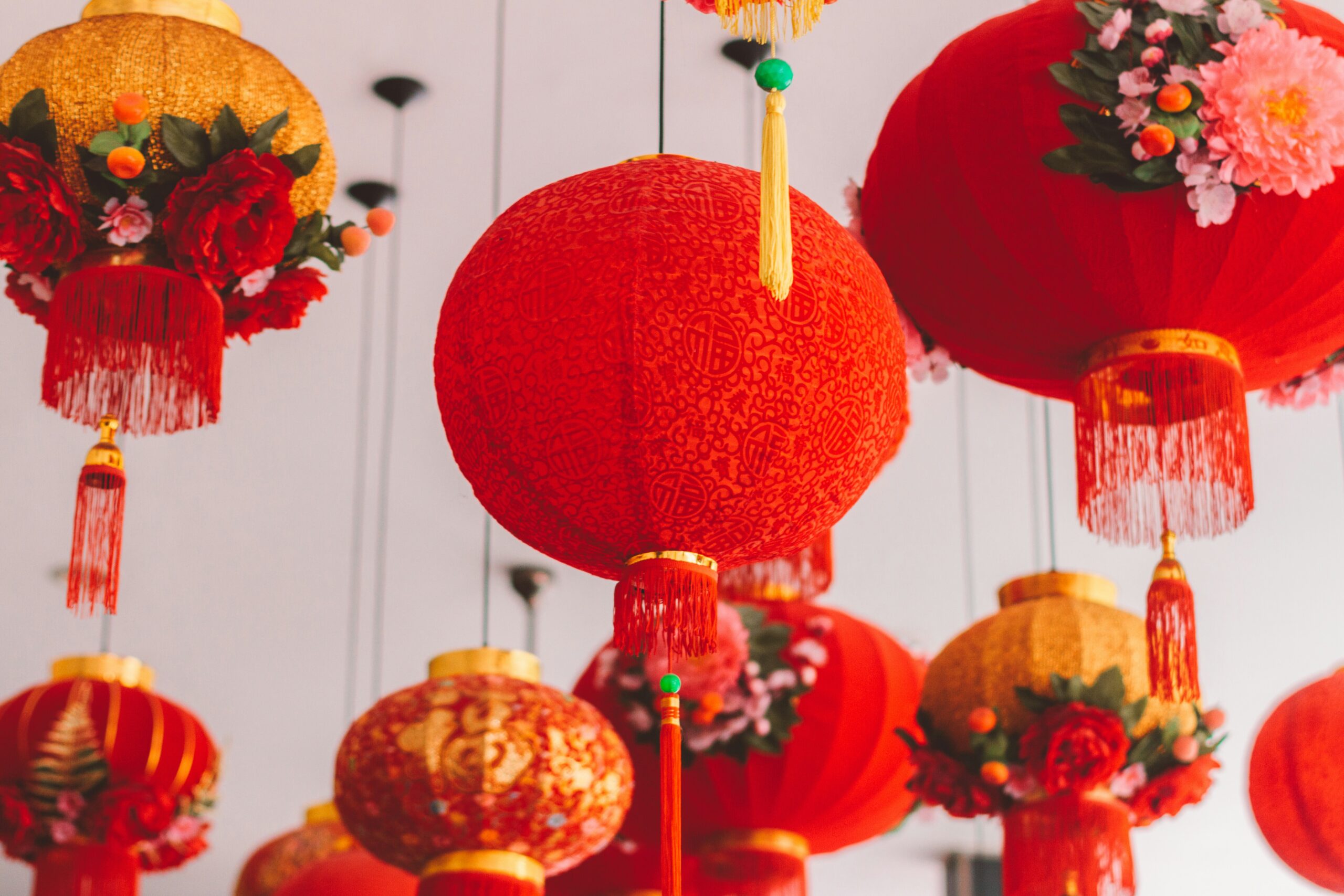
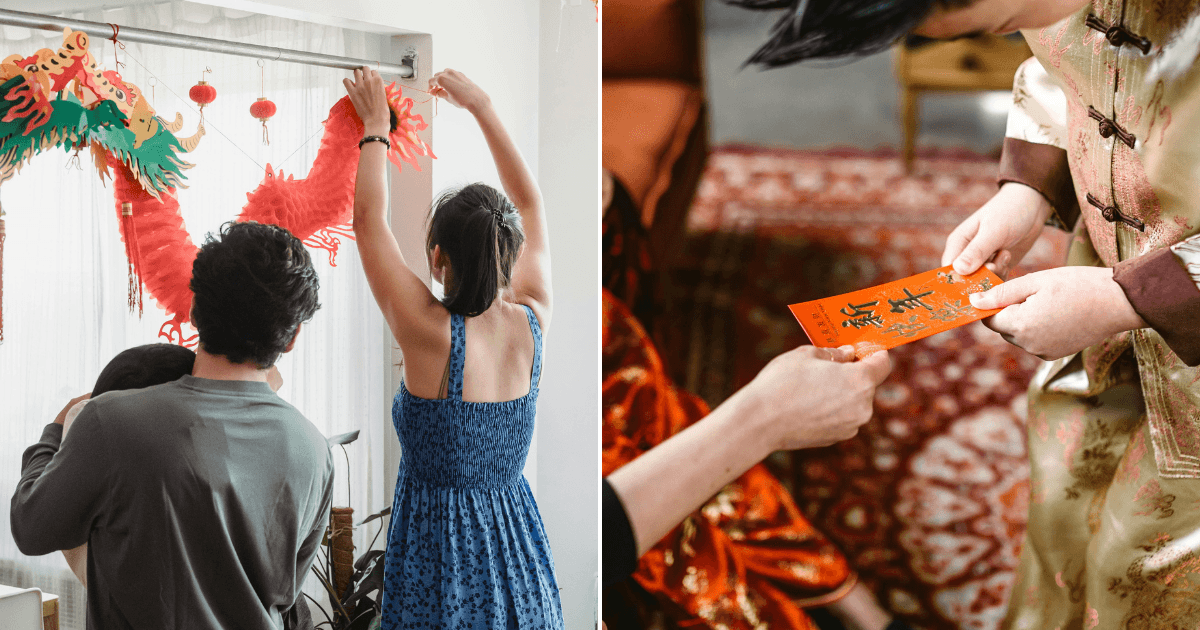
Core traditions like family reunions, red decorations, and the fear of
relatives interrogating you about your love life is universal.
But what you may not know is that some CNY traditions are uniquely Malaysian!
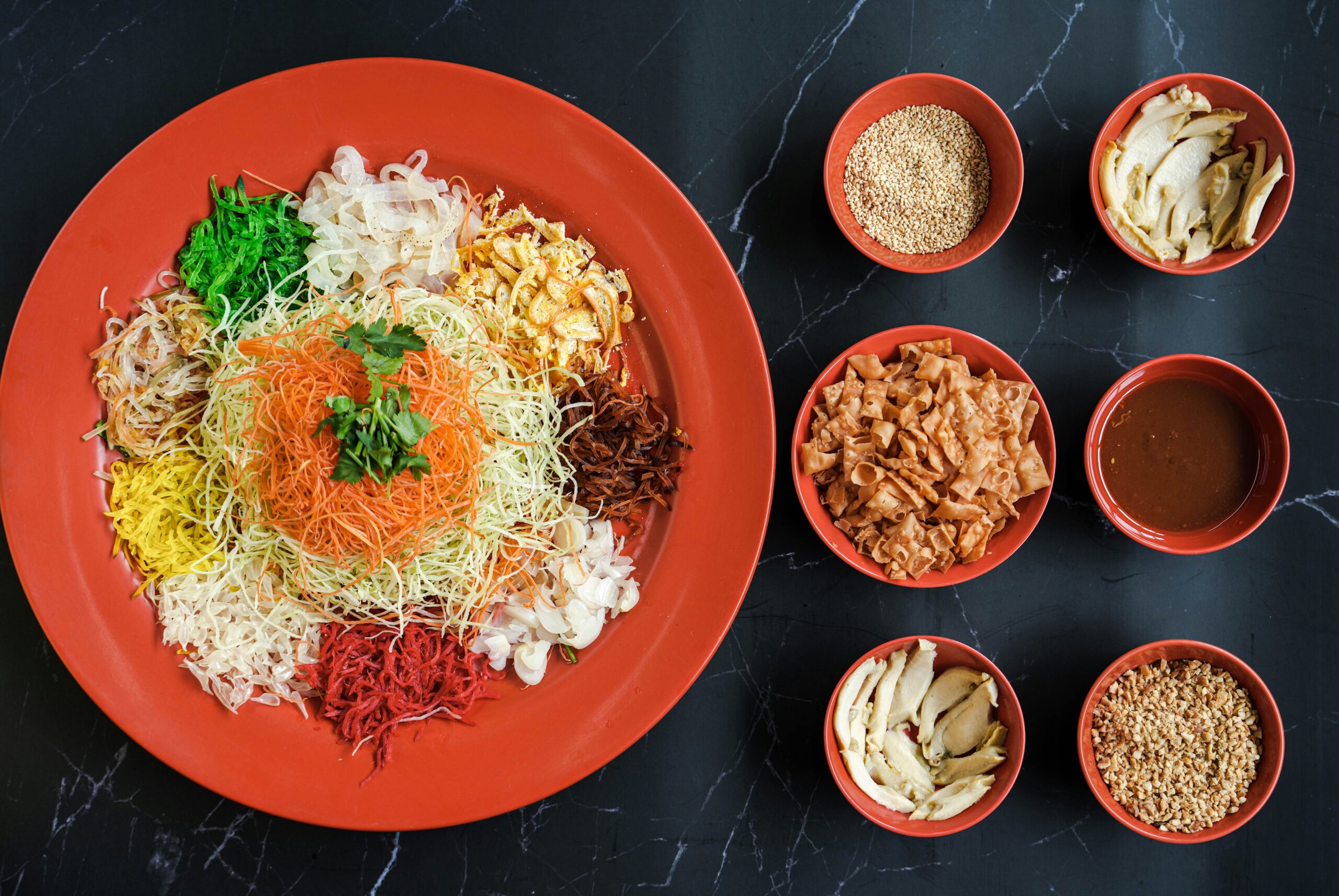
Yee sang, for instance, is something you won't see in mainland China
In China, jiao zi (dumplings) are usually the star of the season, especially in the north. They represent wealth because they look like gold ingots.
In Malaysia though, yee sang has always been something everyone gets excited for. The tradition of tossing yee sang is simple, the higher you toss it, the better your year will be. You should also shout auspicious phrases while tossing to add to the celebration. It's messy and loud, but it's also a tradition that was largely popularised right here in Southeast Asia!
Pai Ti Kong, a celebration of the Jade Emperor's birthday, is also something more commonly found in Malaysia
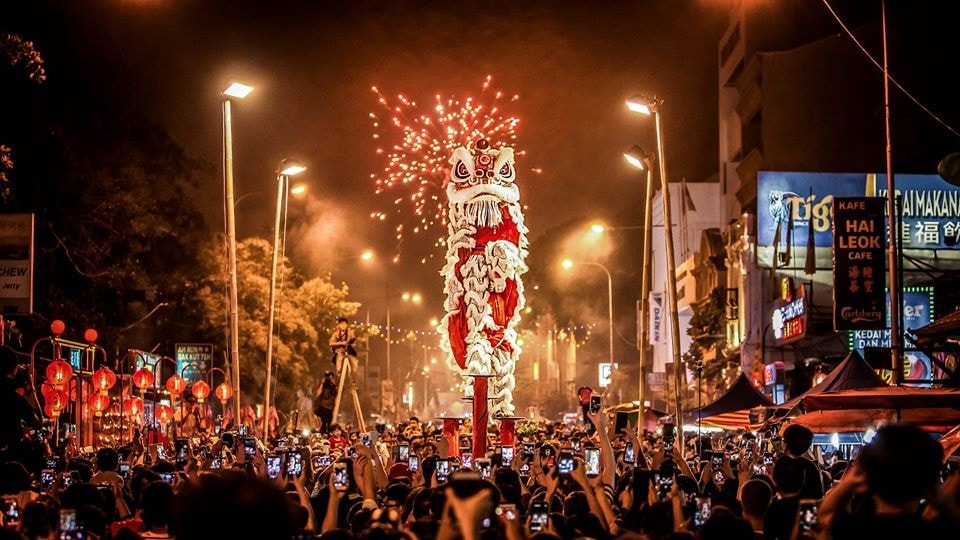
On the ninth day of Chinese New Year, the Malaysian Hokkien community celebrates this festival.
This is when you see families setting up long tables outside their homes piled high with food and tall stalks of sugar cane. Legend has it that Hokkien ancestors survived a persecution in ancient China by hiding in a sugar cane plantation during the New Year. So, the offering is a gesture of gratitude for protection.
In China, the bigger celebrations are reunion dinner on CNY eve and the Lantern Festival on day 15 of CNY.
As for CNY snacks, we're spoiled for choice here in Malaysia
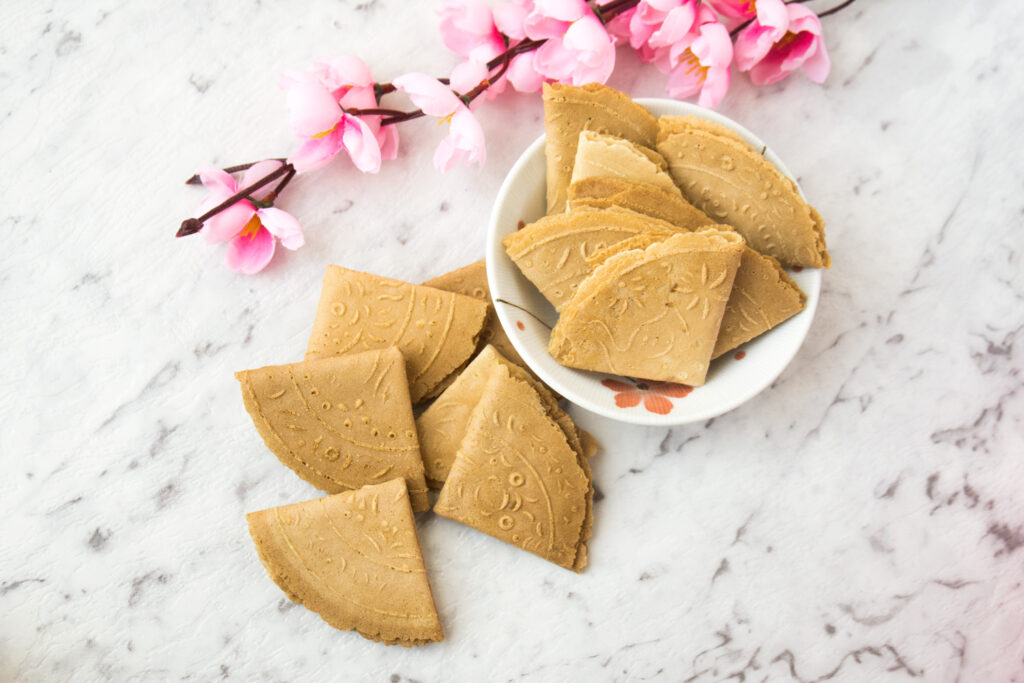
Staples include pineapple tarts, kuih kapit, kuih ros, ngaku chips, kuih bangkit, and nian gao.
On the other hand, China has traditional snacks that often include melon seeds, peanuts, preserved fruits, and its own version of white nian gao.
However, some CNY snacks we both share in common are bak kwa, tang yuan, and peanut cookies.
In mainland China, one unmissable event is the CMG New Year's Gala, formerly known as the CCTV New Year's Gala
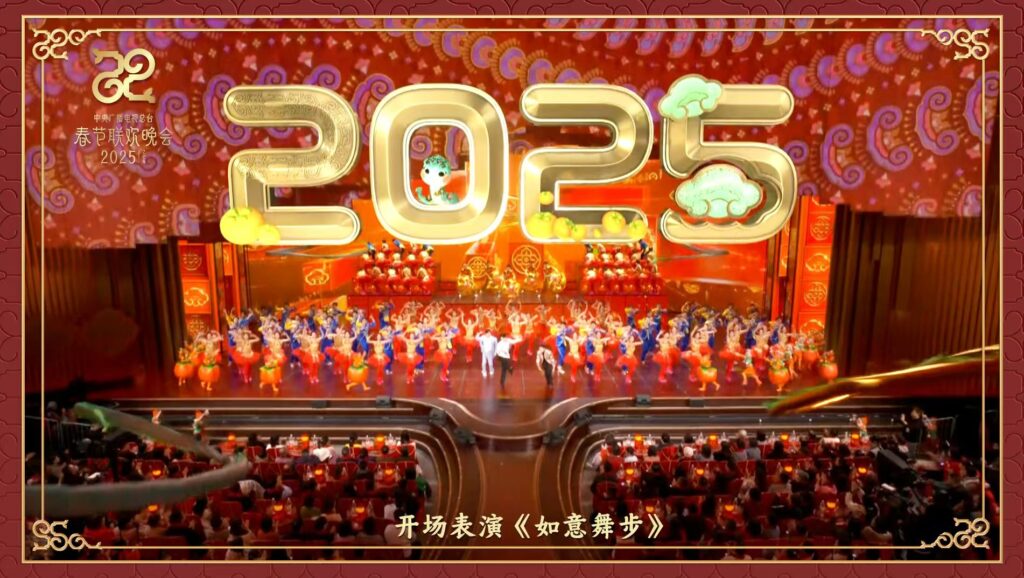
It is a massive, four-hour variety show with skits, songs, and dances that has aired every year during Chinese New Year since 1983.
For hundreds of millions of people in China, it's not a proper New Year unless the whole family is sitting on the couch critiquing the performances together.
Temple fairs are also a big thing in China
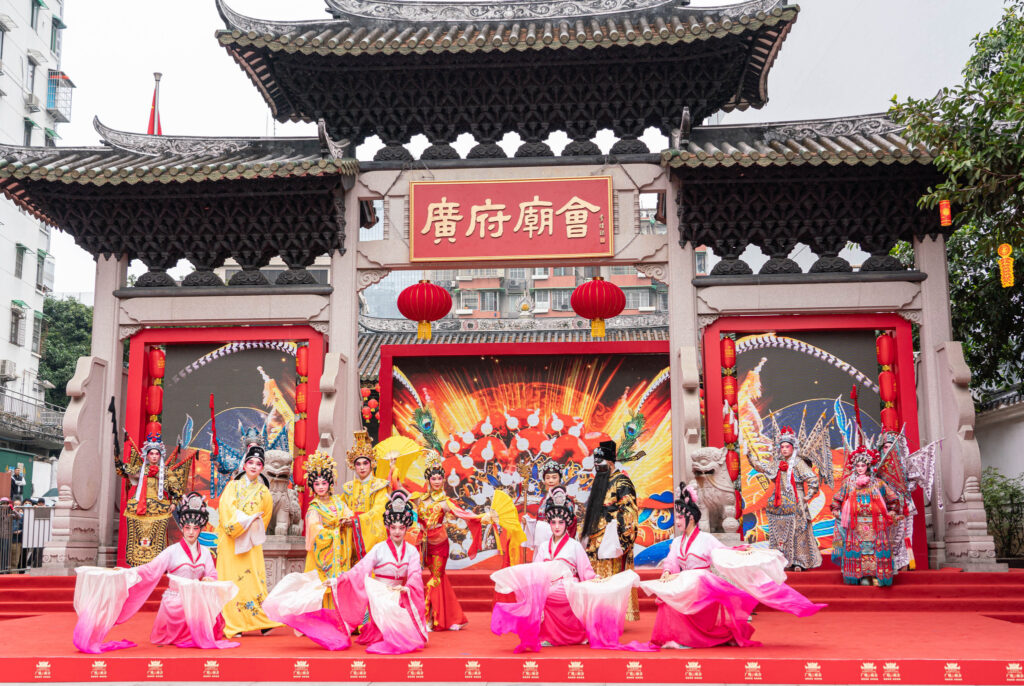
In Malaysia, we go to the temple to pray, give offerings, and light incense.
But in China, temple fairs are much more elaborate, with massive carnivals held in parks or temple grounds during Chinese New Year.
They feature folk art performances (like face-changing or stilt walking), traditional craft stalls, and rows of street food vendors selling things like tanghulu (sugar-coated haws) and stinky tofu.
One thing we all share in common? Ang pows!
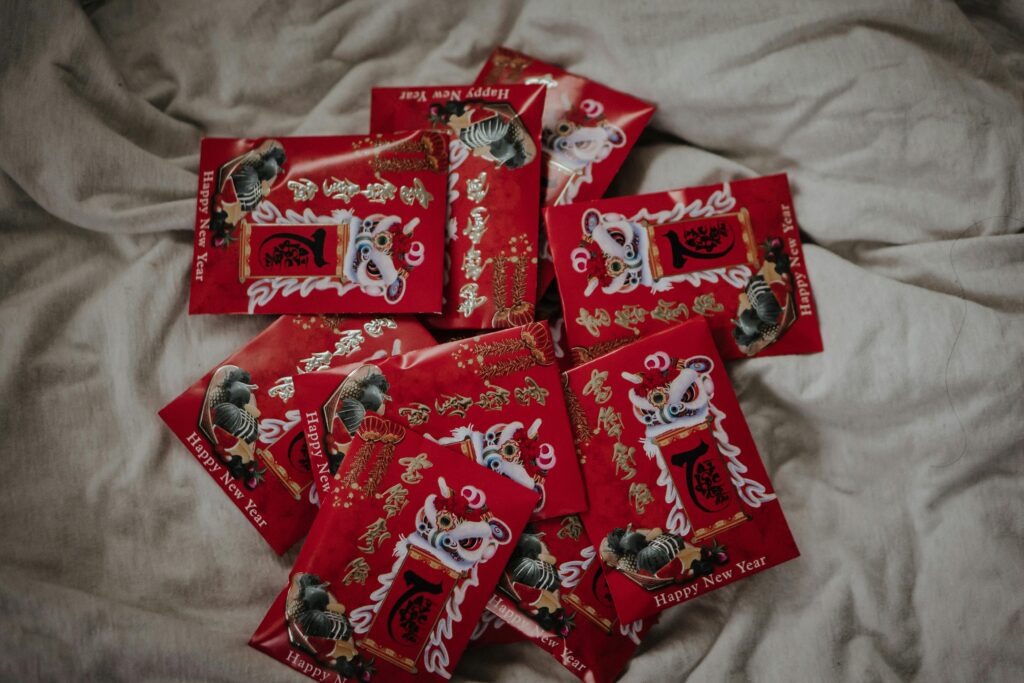
But what you may not know is that in China, you have to kowtow before receiving your ang pow. Children and younger generations literally kneel on the floor and bow their heads until they touch the ground to show respect to their elders before receiving their red packets.
Whether you are eating dumplings or tossing Yee Sang, Chinese New Year is all about resetting for another great year ahead
For more Chinese New Year stories:
- Why The Kitchen God Matters In Chinese Culture And New Year Traditions
- Here's Why You'll Often Find Chrysanthemum Tea On The Table In Chinese Families
- You Should Never Give Mandarin Oranges In Odd Numbers During CNY. Here's Why
- "It Simply Overslept" & Other Possible Reasons Why The Cat Isn't Part Of The Chinese Zodiac
