


 Cover image via
Follow us on Instagram, TikTok, and WhatsApp for the latest stories and breaking news.
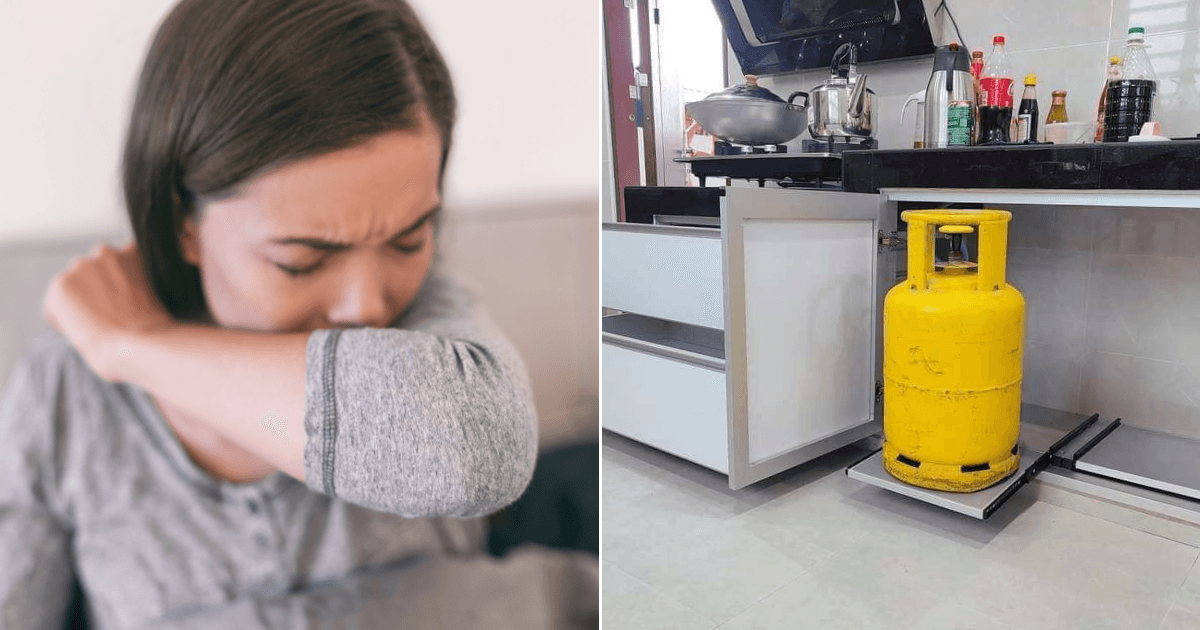
If you suddenly notice a gas smell at home, knowing what to do (and not do) is very important

A gas smell could indicate a leak from you or your neighbour's gas tank, stove, or even gas systems within your building. If it is, the situation is dangerous and should not be taken lightly.
Other smells could also be mistaken for gas, such as sewer gas, drain issues, or chemical fumes from aircon systems. While not flammable in the same way, these should still be treated cautiously.
Uncertain smells should always be treated as a potential gas leak until confirmed otherwise.
IMPORTANT: Do not switch on or off anything electrical, even if it feels harmless
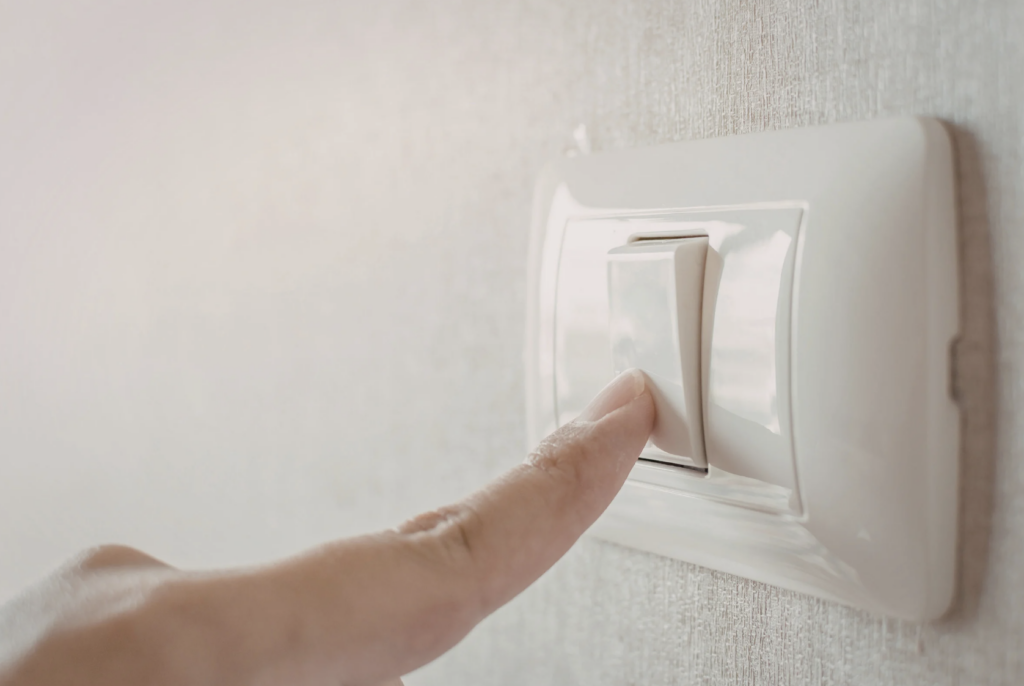
Your first instinct may be to turn on the lights or the fan to "check properly", but this is exactly what you should not do. Any electrical switch can create a tiny spark, and that's enough to ignite leaked gas.
That means no lights, no fans, no air-conditioner, no exhaust hood. Leave everything as is.
Do not even use your phone to WhatsApp or call for help, as mobile phones can theoretically generate tiny sparks. The risk is low with modern smartphones, but to be safe, you should only use the phone after exiting your unit.
The next thing you should do is shut off the gas supply, if it's safe. Then, ventilate your home manually.
If the smell seems to be coming from your kitchen or gas cylinder area and it's safe to approach, turn off the main gas valve or regulator.
Do not attempt this if the smell is overwhelming, you feel dizzy, or you aren't sure how. In that case, skip this step and move straight to getting out.
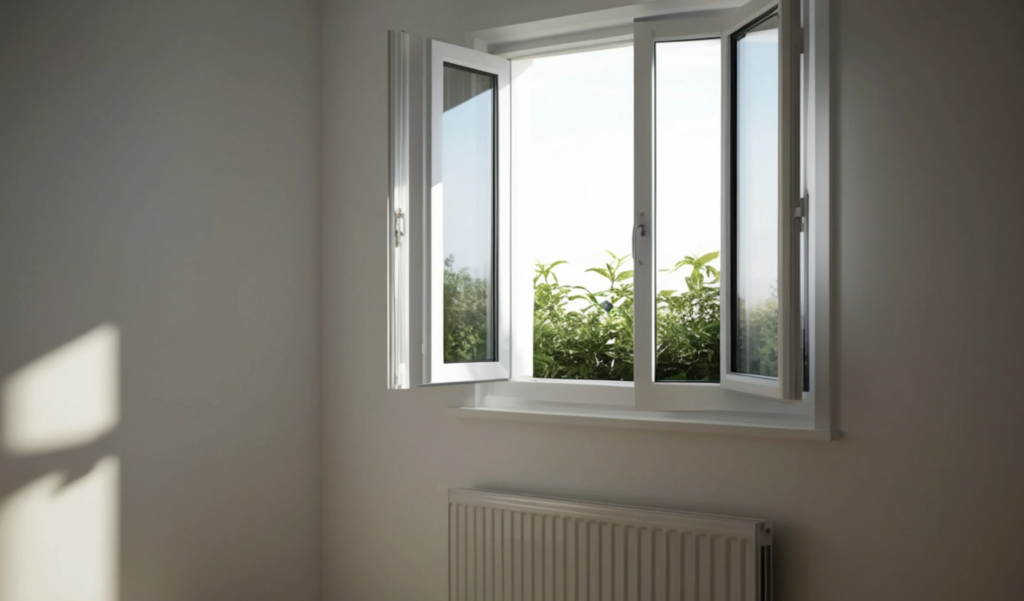
If you can, open all windows, balcony doors, and yard doors to allow gas to disperse naturally. This helps reduce gas concentration and lowers the risk of ignition.
Once you've done what you can, leave your unit immediately. If you live with others, get everyone out calmly but quickly. If you suspect the leak could affect neighbouring units, inform them verbally if it's safe to do so.
Contact building management and emergency services from a safe location

Use your phone only after you've exited the unit. From a safe distance, call your building management, gas supplier, or emergency services. Avoid making calls inside the affected area.
Condominium management should always be informed because gas leaks can spread through shared piping or affect multiple units.
Gas leaks are treated seriously, and it's better to be embarrassed than injured. Do not re-enter your unit until professionals say it's safe.
Even if the smell fades, do not assume everything is fine

Gas can linger or leak intermittently. The source of the leak must be identified and repaired by a qualified technician. This may involve replacing hoses, regulators, appliances, or repairing built-in piping.
Gas incidents in condominiums can escalate faster because of shared spaces and limited ventilation. The key is remembering three things: don't create sparks, ventilate naturally, and get out early.
Following these steps calmly can prevent serious injury, damage, or worse.
