


 Cover image via Canva
In today's hustle-focused culture, sleep often gets treated like a luxury
It's the first thing we sacrifice to meet deadlines, scroll through social media, or squeeze in late-night entertainment. But make no mistake, as sleep isn't optional. It's one of the most vital functions for our physical, mental, and emotional well-being.
While nutrition and exercise tend to steal the spotlight in conversations about health, sleep is the behind-the-scenes hero quietly keeping everything in balance. Without enough of it, even the best wellness efforts can fall short.
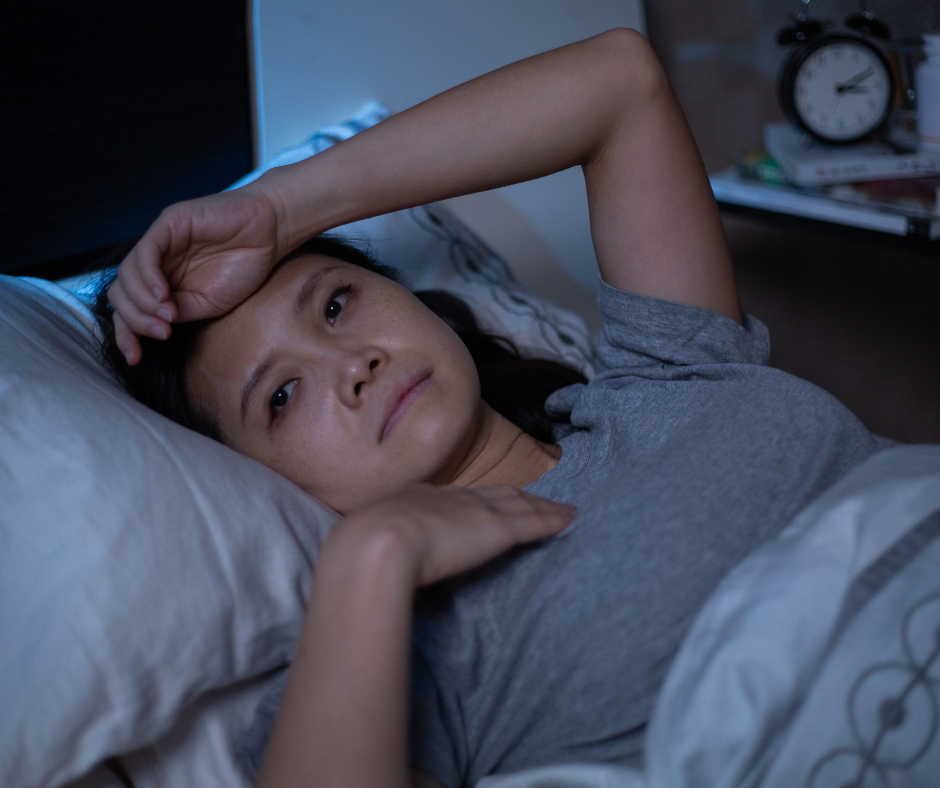
Image via Canva
One of the most immediate effects of poor sleep is on the brain
Sleep plays a key role in consolidating memories, improving focus, and clearing out neurological waste products. A study published in Nature Neuroscience showed that people who got adequate sleep after learning a new task performed significantly better than those who didn't.
Sleep deprivation, on the other hand, impairs decision-making, slows reaction time, and reduces creativity. Whether you're a student, professional, or parent, a good night's rest can be the difference between feeling sharp and feeling sluggish.
Sleep is not just a time of rest, it's when the body does its most important maintenance work
During the deeper stages of sleep, the body repairs muscles, tissues, and cells. Hormones that regulate growth, metabolism, and appetite are also released during sleep.
This process is especially important for those who lead active lifestyles. Muscle recovery, immune function, and even wound healing all rely heavily on quality sleep. Skimp on rest, and you're essentially short-circuiting your body's ability to recover and defend itself.
Believe it or not, lack of sleep can directly affect your waistline
When you're sleep-deprived, the body produces more of the hunger hormone ghrelin and less of the satiety hormone leptin. This hormonal imbalance can lead to increased cravings, especially for high-calorie, sugary foods.
Research from the University of Chicago found that even partial sleep deprivation led participants to consume hundreds more calories the next day. Over time, this can contribute to weight gain and increased risk of obesity.

Image via Canva
The connection between sleep and mental health is both strong and well-documented
Poor sleep can worsen symptoms of anxiety and depression and make emotional regulation more difficult. People who consistently get insufficient rest are more likely to feel irritable, stressed, and overwhelmed.
Sleep allows the brain to reset emotional circuits and process daily stressors. In short, sleep isn't just a break for the brain — it's therapy.
The effects of poor sleep compound over time. Chronic sleep deprivation has been linked to a host of serious health issues, including:
- Cardiovascular disease
- Type 2 diabetes
- Stroke
- Weakened immune response
- Cognitive decline
- Reduced life expectancy
A long-term study published in the European Heart Journal concluded that individuals who slept less than six hours a night had a significantly higher risk of heart-related events.
The question that comes up when we talk about sleep is "How much is enough?"
Well, most adults need between seven to nine hours of sleep per night. However, it's not just about the number of hours — it's also about the quality of that sleep. Deep, uninterrupted sleep is when the most restoration happens.
Here are a few ways to improve sleep hygiene:
- Keep a consistent bedtime and wake time—even on weekends
- Avoid screens and bright lights at least 30 minutes before bed
- Keep your bedroom cool, dark, and quiet
- Limit caffeine and alcohol intake in the evening
- Develop a relaxing wind-down routine (reading, stretching, or meditation)
Image via Canva
Islam also places great importance on sleep, viewing it not only as a biological necessity but as a divine mercy and a sign of Allah's creation
In the Qur'an, sleep is mentioned as one of God's blessings: "And among His signs is your sleep by night and by day and your seeking of His bounty. Verily, in that are signs for people who listen." (Surah Ar-Rum, 30:23).
This verse highlights that sleep is part of the natural rhythm of life, intended for rest, reflection, and renewal.
Prophet Muhammad (peace be upon him) also emphasised healthy sleep habits through his practices. He advised early bedtimes, waking up for the pre-dawn prayer (Fajr), and taking short midday naps (Qailulah), which modern science now confirms can boost alertness and productivity.
His routine was a balanced example of rest and worship, showing that Islam encourages moderation in all aspects of life — including sleep.
Furthermore, Muslims are encouraged to recite certain supplications (duas) before sleeping, such as Ayat al-Kursi and Surah Al-Ikhlas, which not only serve spiritual purposes but can also promote a sense of calm and peace before bedtime.
Combining these practices with modern sleep hygiene can create a holistic approach that nurtures both the body and the soul.
To sum up everything, in the hierarchy of health habits, sleep deserves to be right at the top
It's the foundation upon which physical performance, emotional resilience, cognitive sharpness, and long-term health are built. So the next time you're debating whether to stay up late or go to bed on time, choose the pillow. Your future self will thank you.
This story is part of the YouthSAYS initiative and is the personal opinion of the writer.
About the contributor:
Naufal Bin Suhaimi is a first-year student at the Ahmad Ibrahim Kulliyyah of Laws (AIKOL), International Islamic University Malaysia (IIUM). His article, Sleep: The Unsung Hero, was written as part of his coursework for SCSH 1201 Sustainable Development: Issues, Principles & Practices and reflects his interest in promoting balanced lifestyles aligned with both Islamic teachings and the UN's Sustainable Development Goals.
Are you a writer, thinker, or storyteller with a message to share?
Submit your thought pieces, articles, and creative writing for a chance to be published on SAYS. Click the image below for more information:
Image via YouthSAYS

