


 Cover image via Grok (Generated by SAYS)
If you often wake up with a stiff back, sore throat, or bloated tummy, it could be due to your sleep position
While there's no one-size-fits-all solution to solving these snooze woes, being more mindful of how you sleep may help to ease these issues and improve your overall sleep quality.
For those who struggle with back pain, sleeping on your back may be the best
Back sleeping is often praised by chiropractors for its ability to keep your spine aligned. Placing a pillow under your knees can reduce lower back strain and help you wake up ache-free.
But there's a catch. This position can worsen snoring and obstructive sleep apnea. That's because lying flat on your back lets your tongue and soft palate relax backward into your throat, partially blocking your airway.
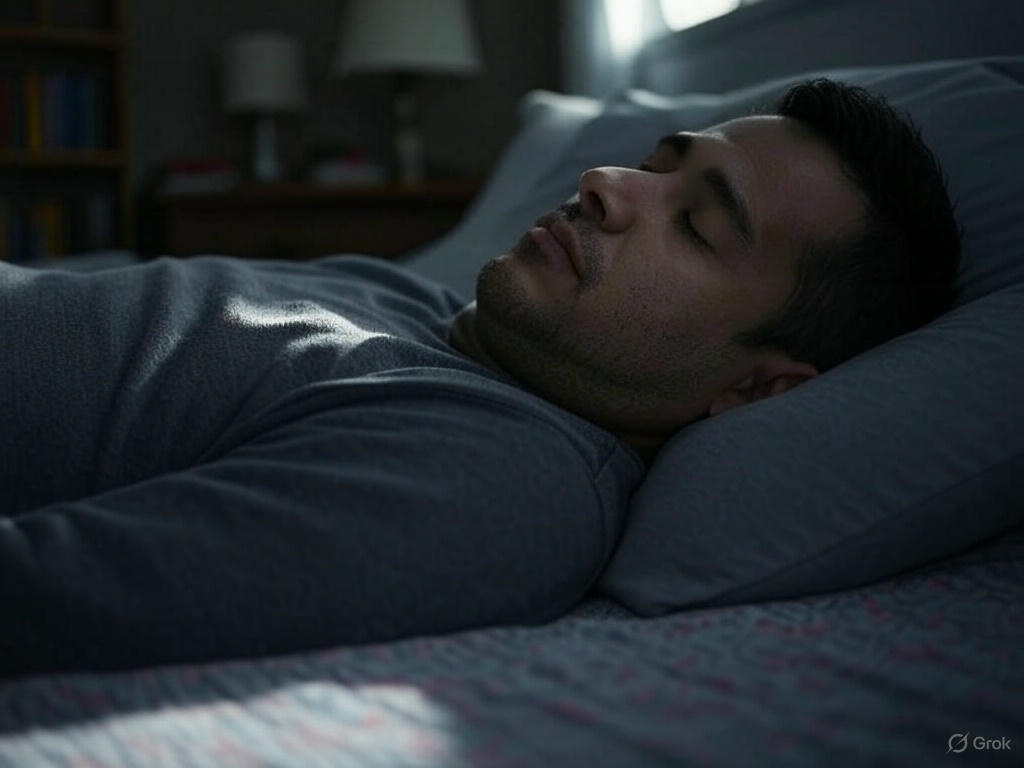
Image via Grok (Generated by SAYS)
If you find yourself waking up feeling bloated or having heartburn, try sleeping on your left side
Sleeping on your left side isn't just comfy — it actually helps your body do its thing better. For starters, gravity works in your favour by helping waste move through your colon, which can ease constipation and keep things regular.
It doesn't stop there. Left-side sleeping can also reduce acid reflux and heartburn, since it keeps your stomach below your esophagus and stops acid from creeping up. And if you're pregnant, this position helps improve blood flow to both you and baby.

Image via Grok (Generated by SAYS)
Snoring can lead to disrupted sleep, dry mouth, and even sore throats. In such cases, sleeping on your tummy or in fetal position might help.
Snoring can dry out your mouth, irritate your throat, and seriously disturb your partner's sleep. If that sounds familiar, switching to your tummy or curling up in fetal position might help reduce the noise.
These positions can keep your airway open, which helps stop snoring. But they also come with some downsides. Sleeping on your stomach can twist your neck and strain your back, especially if your pillow is too thick. The fetal position, on the other hand, can make your joints feel stiff, especially if you curl up too tightly.
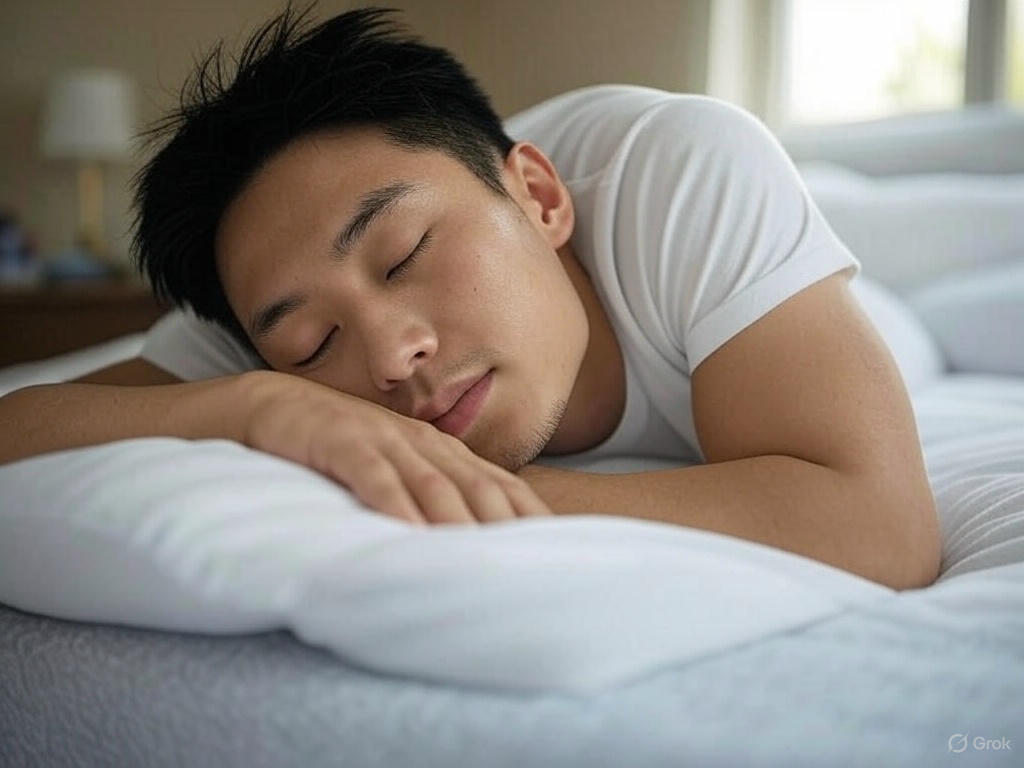
Image via Grok (Generated by SAYS)
So, what's your sleeping position?
Comfort is important, but being mindful of how you sleep can make a big difference in how you feel the next morning. Maybe tonight's the night to switch it up a bit.
Try a new position and maybe throw in a supportive pillow — who knows, you might wake up feeling even better!

