


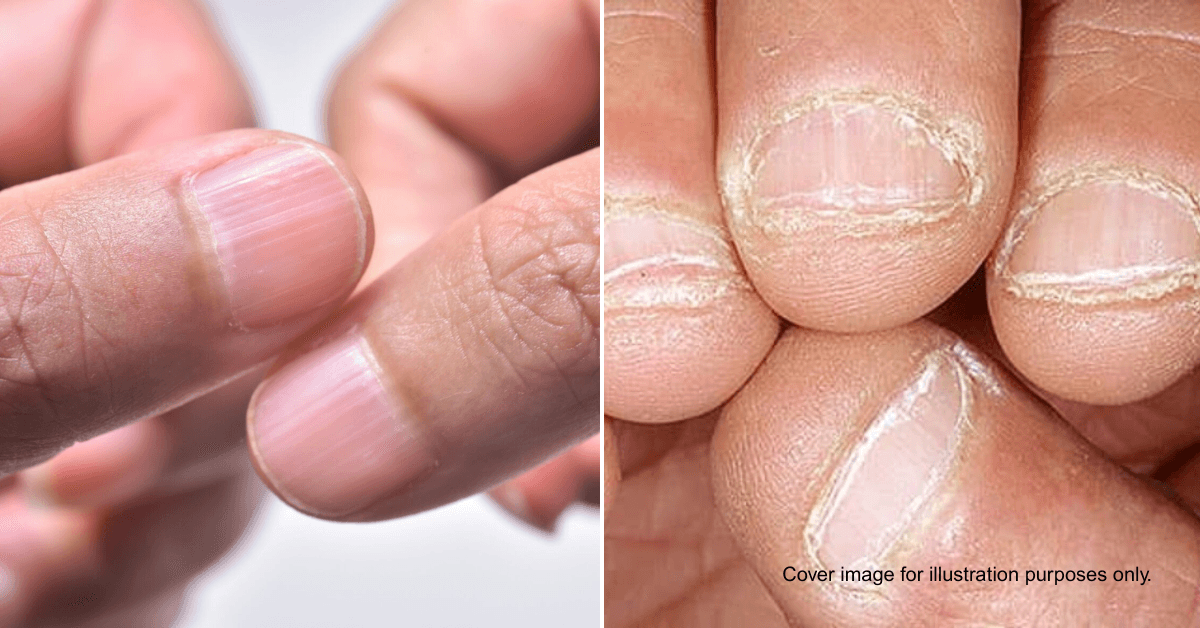
 Cover image via
 Follow us on Instagram, TikTok, and WhatsApp for the latest stories and breaking news.
Our nails might not get much attention beyond looking pretty or be used to peel off price tags, but they can actually reveal a lot about our health, and sometimes even point to more serious issues
In fact, they can be surprisingly revealing about what's going on inside our bodies, from the colour of our nails to the condition of our cuticles and the skin around it.
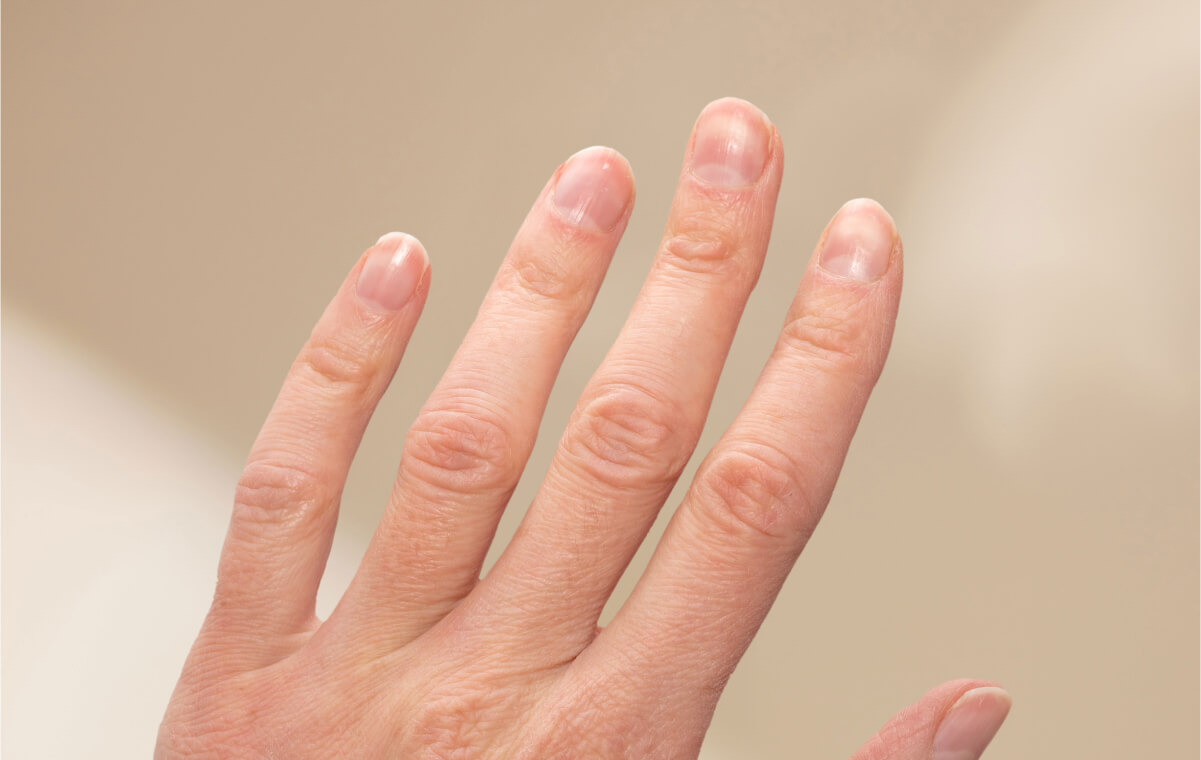
Here are five changes to your nails you could look out for:
1. Subtle colour changes
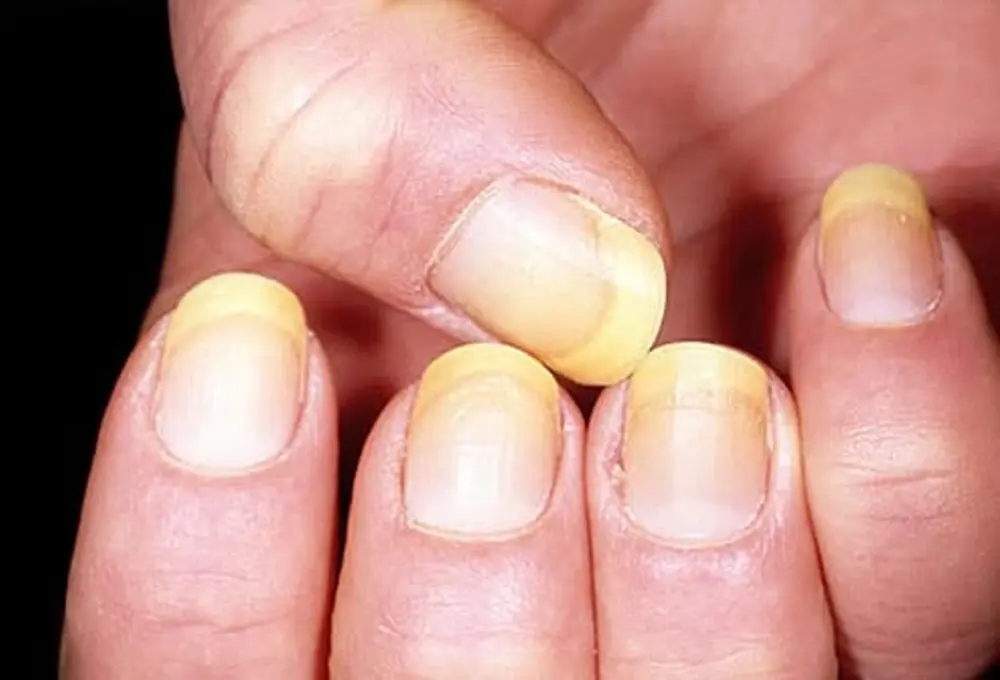
According to University Hospitals, yellow nails that thicken and crumble over time can signal fungal infections. They may also signal more serious conditions such as thyroid issues, lung disease, diabetes, or rheumatoid arthritis.
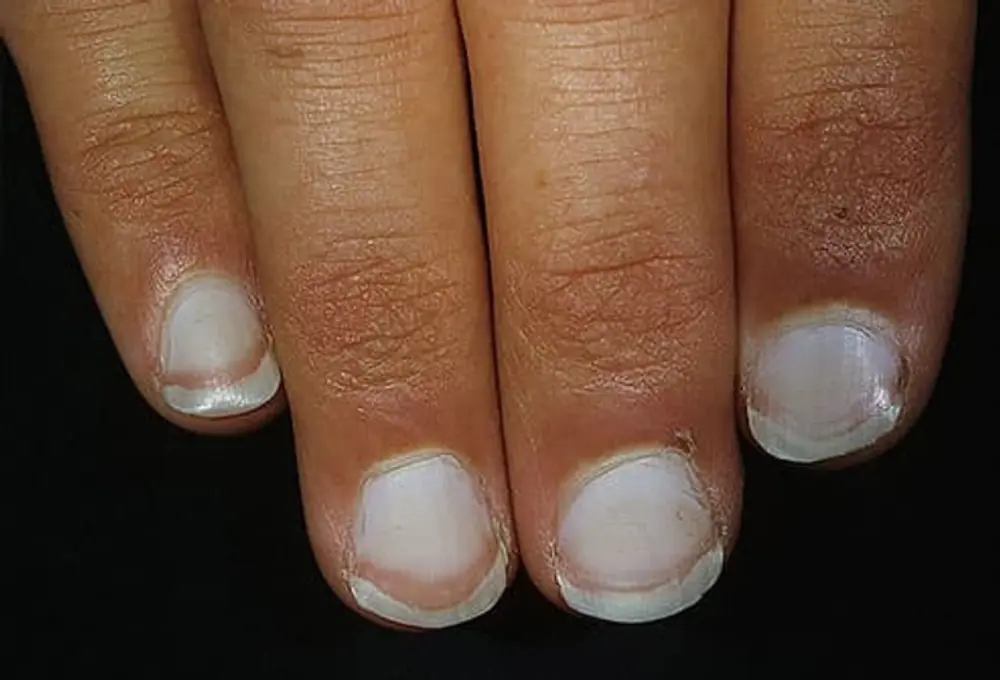
Meanwhile, pale or white-looking nail beds might be a sign of anaemia or heart failure.
It's also really crucial to notice when your nails become blue or bluish, and to what degree. A highly bluish tint can suggest low oxygen levels, commonly tied to heart or lung disease.
2. Shape and texture
If your nails curve upward like spoons, it might indicate iron deficiency anemia, or potentially thyroid or heart issues, according to Continental Hospitals. This is especially when combined with fatigue or pallor.
Clubbed nails are also a thing — enlarged, rounded fingertips or flared nails that often indicate chronic low oxygen. This could stem from lung diseases, heart conditions, liver problems, or inflammatory bowel disease.
If you've noticed horizontal ridges across your nails, it means there was a disruption in nail growth, which could be linked to anything from serious illness and injury to malnutrition.
Ever seen tiny dents in your nails? This is known as pitting — small depressions on nails that may be associated with psoriasis, eczema, or alopecia areata, an autoimmune disease that causes hair loss.
Meanwhile, if you notice a fingernail slowly lifting from the nail bed without any injury, it could be a sign of a fungal infection, contact dermatitis, psoriasis, a thyroid disorder, or even iron deficiency, according to University Hospitals.
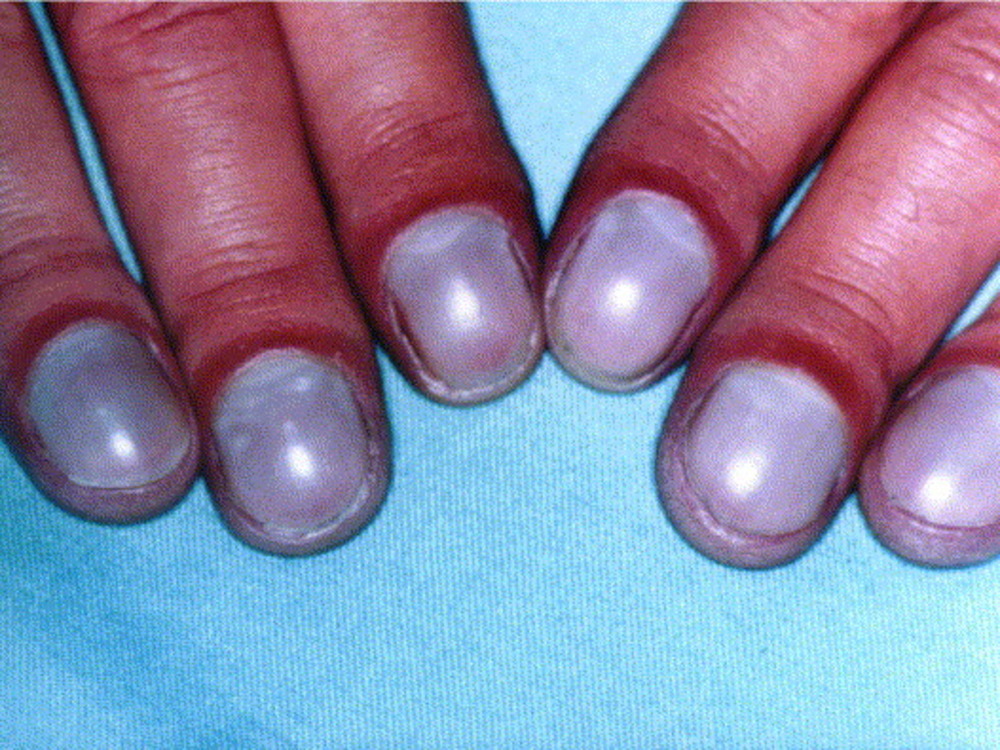
Nail clubbing
Image via The American Journal of Medicine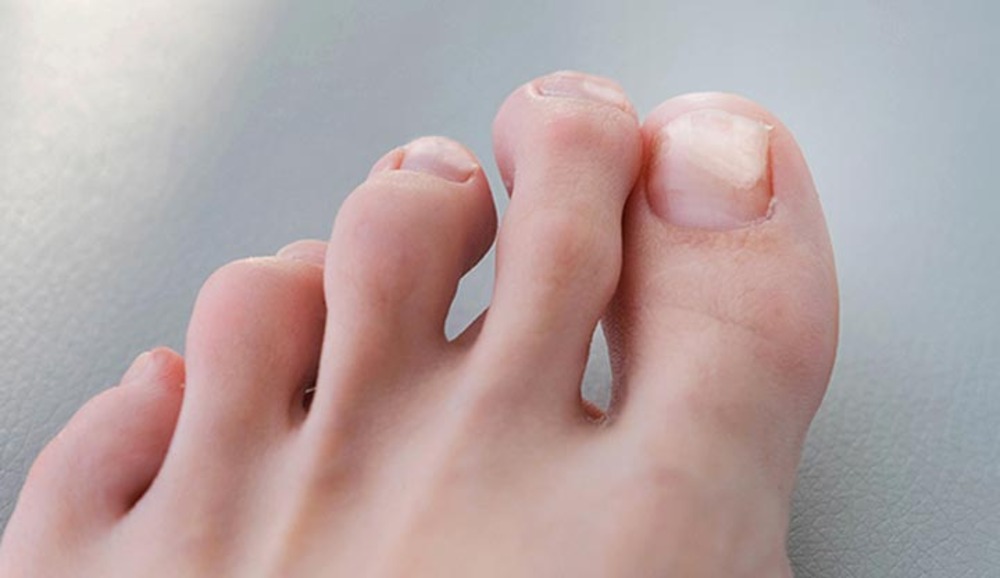
Onycholysis
Image via Cleveland Clinic3. Strength, growth, and fragility
Brittle and splitting nails could be a sign you have been exposed too often to water, harsh detergents, and nail polish remover.
However, according to Continental Hospitals, nutritional deficiencies like biotin, iron, zinc, B vitamins, or even thyroid disease can also play a role in causing your nails to become weak as such.
According to Verywell Health, nails may also grow slower and become brittle or ridge-prone with age. And of course, it has its possible culprits — bare anemia, circulation issues, hormonal shifts, and more.
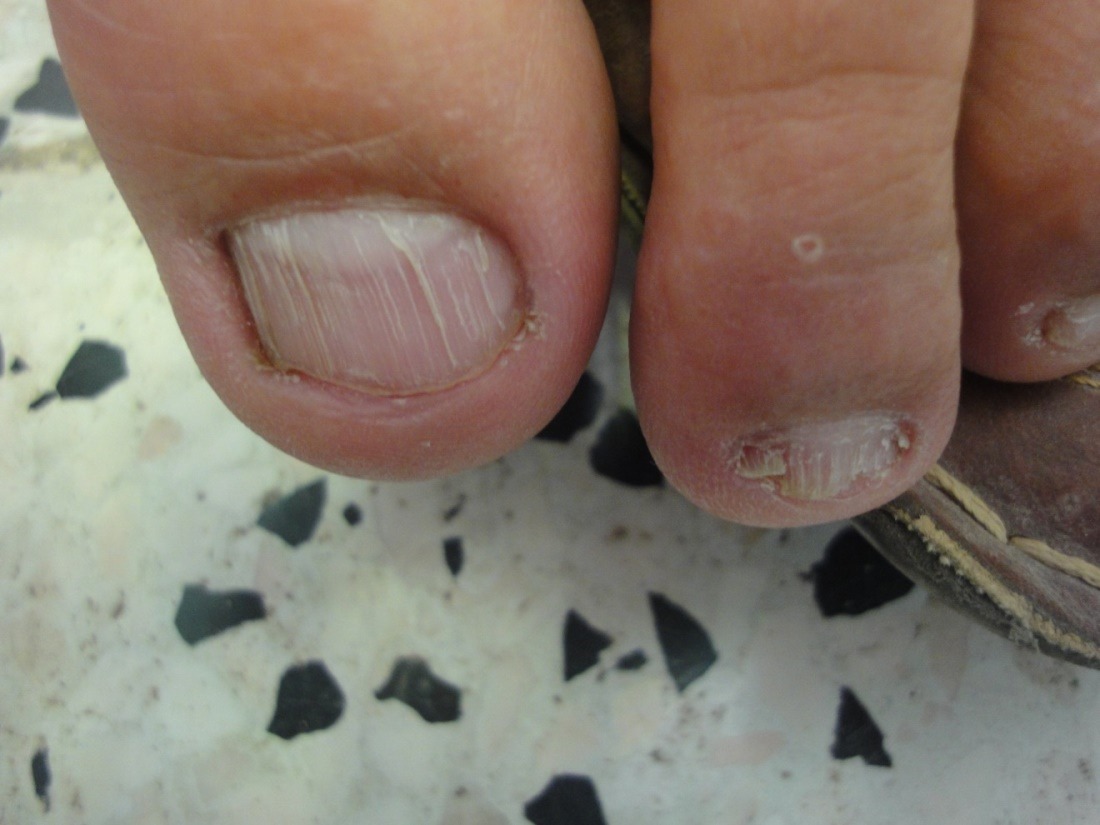
4. Spots, bands, and lines
According to Dermatology of Seattle & Bellevue, white spots are often harmless, caused by minor trauma such as from manicures and often go away with time. However, if persistent, they may also hint at zinc deficiency or mild illness.
However, if you ever noticed paired white bands running across your nails, a sign known as Muehcke's lines, they may be a little more serious, as they indicate low serum albumin. This sign is often seen in patients with liver disease, kidney failure, or severe malnutrition.
According to Dermo Direct, dark streaks or lines are far more severe, since they could be a sign of subungual melanoma, a serious form of skin cancer. Early evaluation is crucial.
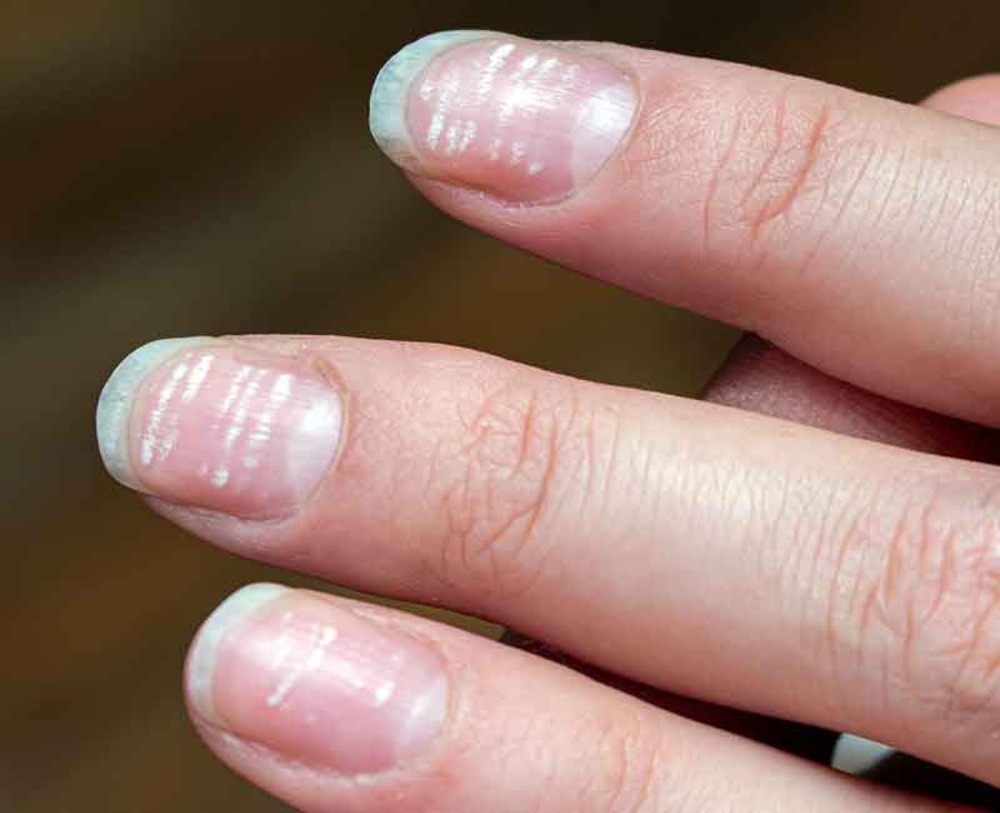
Leukonychia
Image via Cleveland Clinic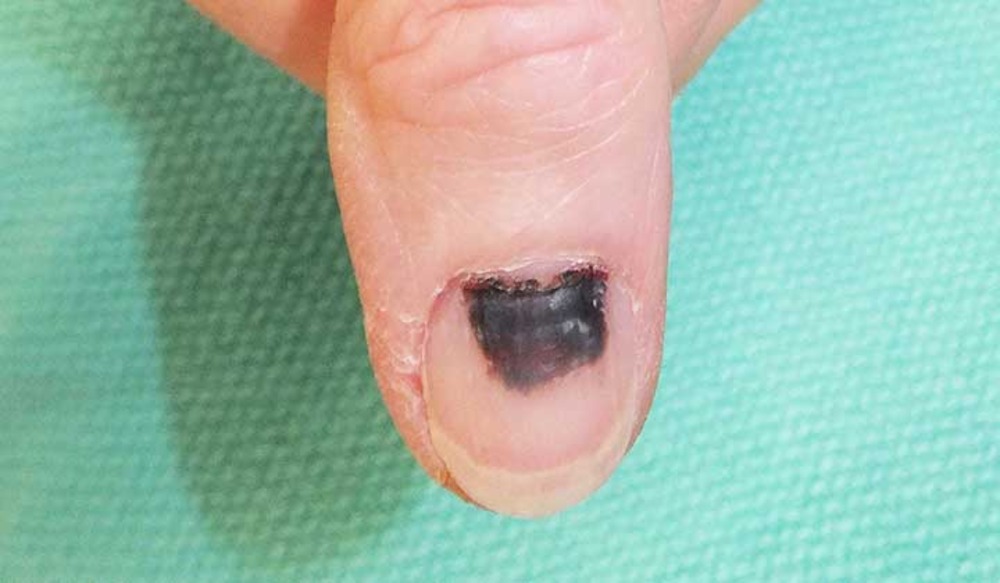
Subungual melanoma
Image via Cleveland Clinic5. The cuticles and skin around your nails
Red, puffy cuticles are an inflammation around the base of the nail that can be a warning sign of lupus or dermatomyositis (an inflammatory muscle condition), especially if paired with muscle weakness or skin rashes. According to the American Academy of Dermatology, swollen cuticles with ragged edges may also be linked to autoimmune issues.
If the skin beside your nail is tender, red, or pus-filled, it could be a nail fold infection (paronychia), often caused by bacteria or fungi. It's common with repeated hand washing or nail-biting. Chronic paronychia might hint at diabetes or weakened immunity, especially if healing is slow.
According to Healthline, while commonly caused by cold weather or chemical exposure, persistently dry and cracked cuticles can be linked to vitamin A, C, or E deficiencies — all important for skin barrier repair.
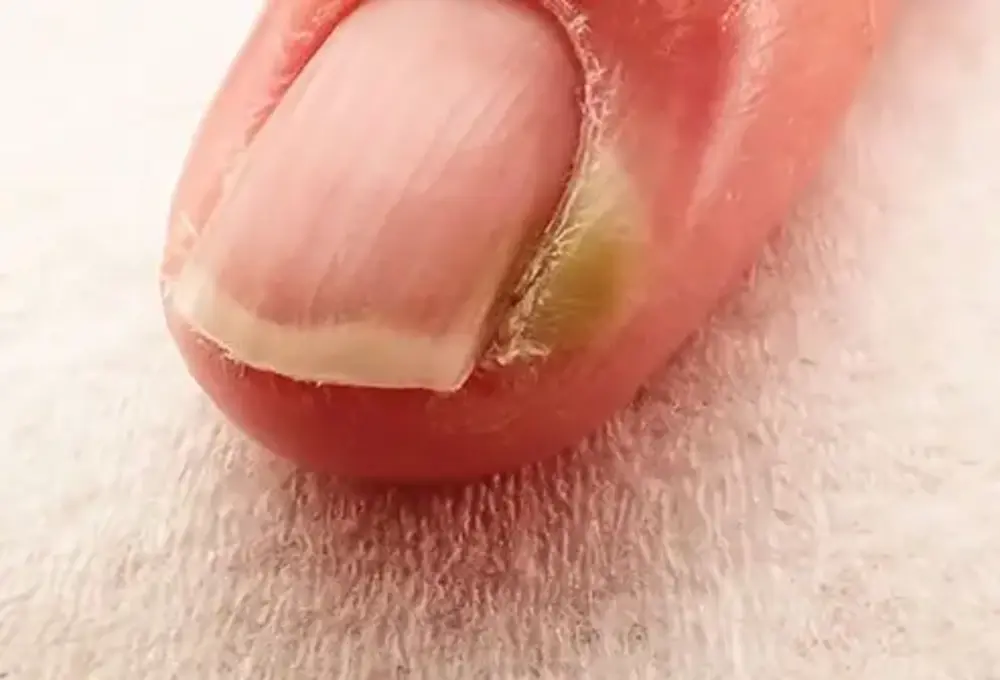
Paronychia
Image via eMedicineHealthThe information provided is for educational and communication purposes only and it should not be construed as personal medical advice. Information published in this article is not intended to replace, supplant or augment a consultation with a healthcare professional regarding the reader's own medical care.
