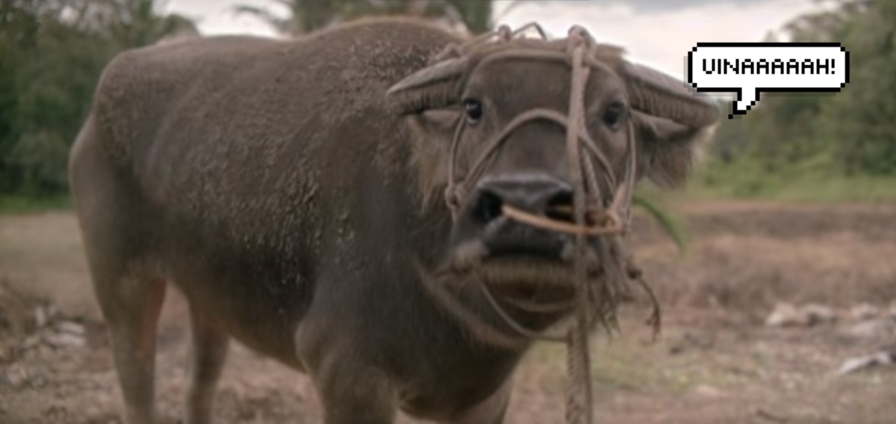
Cover image via Bukit Pagar / My Sabah
From Chinese New Year to Hari Raya, Deepavali to Christmas, we Malaysians love to celebrate the rich diversity and cultures of our beautiful nation
And no one celebrates the Malaysian spirit quite like Petronas <3
We look forward to [Petronas short films](http://bit.ly/jojokerbau) for every festivity, and they certainly delivered this Kaamatan and Gawai! Watch it here:
The short film gives us all kinds of warm fuzzies, spreading its message of never taking what we have for granted and always appreciating the sacrifices of others in making our lives better.
It also raises awareness of Kaamatan and Gawai, which are so important to Malaysian culture <3
So, what exactly are Kaamatan and Gawai? Here are 11 things you should know about the festivals that are celebrated throughout Sabah and Sarawak:
1. Kaamatan is a harvest festival celebrated annually in the state of Sabah
Kaamatan is a Kadazan-Dusun term for "harvest" and is celebrated for the whole month of May. It is normally celebrated by the ethnic Kadazan-Dusuns, as well as by other related ethnic groups in the state.
It's a joyous occasion for friends and family when everyone makes time to appreciate each other.
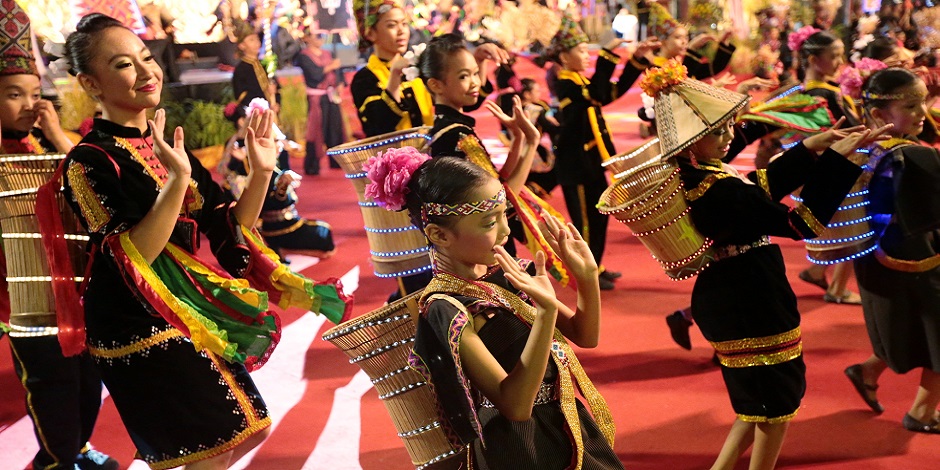
Image via Pinterest
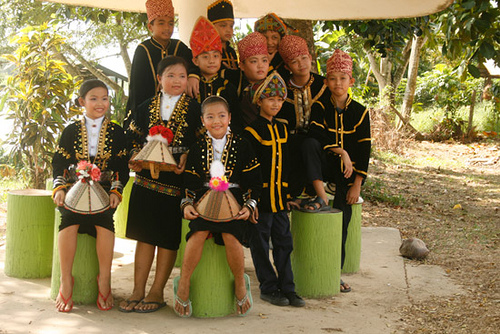
Image via F_Welman / Flickr
2. There's a myth behind the Tadau Kaamatan celebrations and it's pretty amazing…
The belief is that Kinoingan, a God, took pity towards the people who were suffering from a great famine. In order to save the people, he sacrificed his daughter, Huminodun, and sowed her over the land and *padi*.
The crops were harvested and the people were saved. It is believed that the spirit of Huminodun is embodied in the rice and is therefore known as Bambarayon or Bambazon.

Image via Sorita Siurang
3. The Kadazan Priestess called Bobohizan determines the official harvest festival date and officiates it
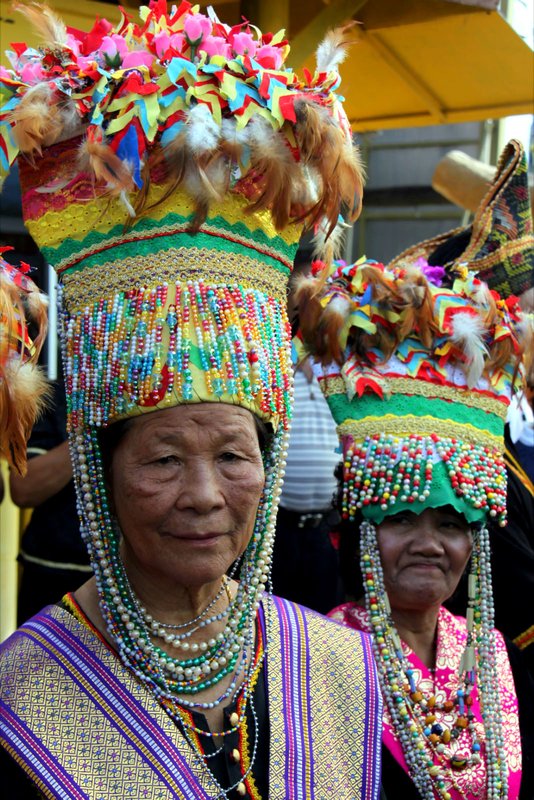
Image via Travel Blog
4. On the last day of celebrations, the Harvest Festival Queen or Unduk Ngadau is crowned
The Unduk Ngadau beauty pageant is held to commemorate the spirit of Huminodun. The title comes from *Runduk Tadau*, which means 'the girl crowned by the sunlight.'
Meet last year's winner, Miss Sherry Anne Laujang!
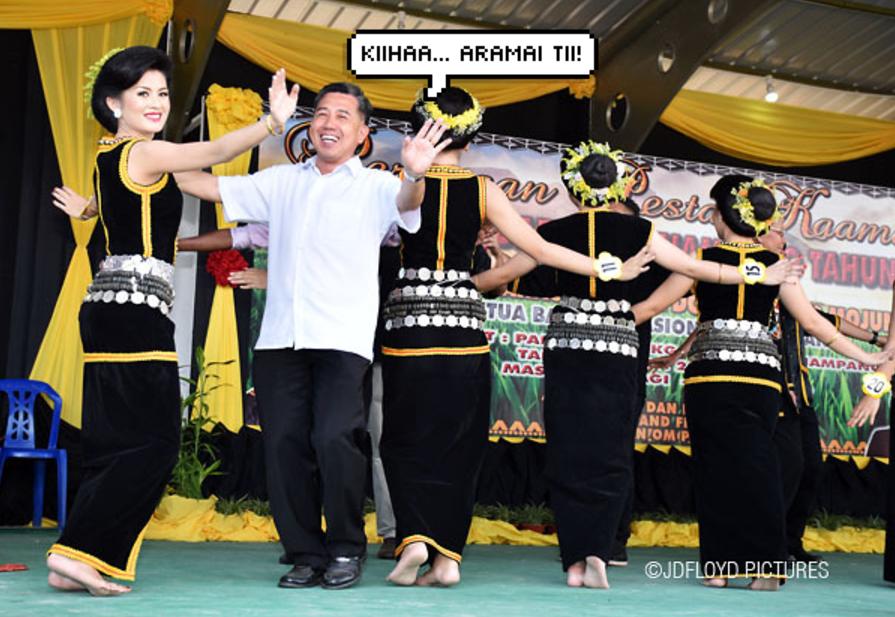
Image via SAYS / JD Floyd
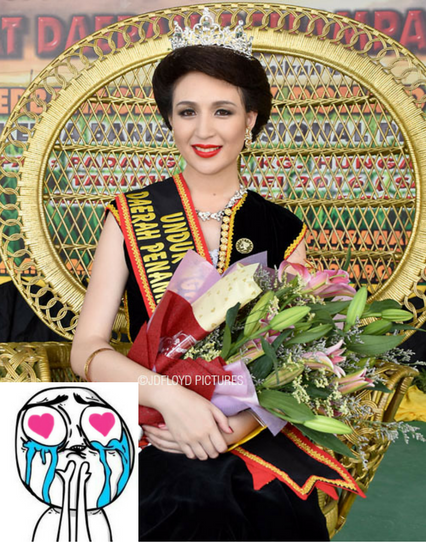
Image via SAYS / JD Floyd
5. There are tons of delicious local treats made for the festival
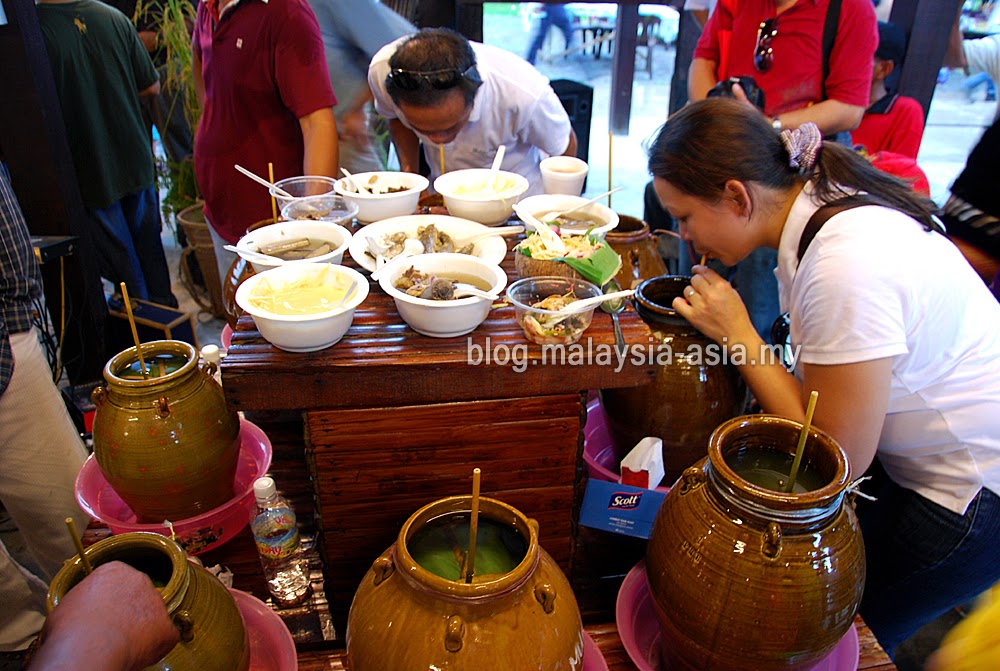
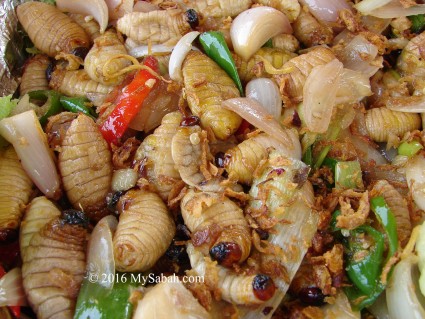
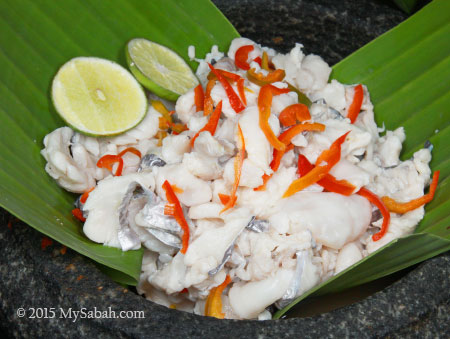
From home-brewed rice wine called *tapai* and *lihing*, to local delicacies like *hinava* (raw fish marinated in lime and citrus), *bambangan* (a seasonal wild mango fruit) and *butod* (sago grub), the delicacies are endless!
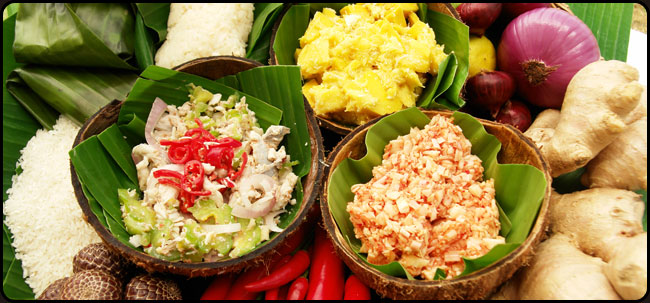
A spread of bambangan (wild, pickled mango), sambal tuhau (fried tuhau, ginger, red chilli, lime, and shrimp paste), hinava tongii (pickled raw mackerel).
Image via Sabah Fest
6. Traditional dances like Sumazau, Sumirid, and Magunatip are performed
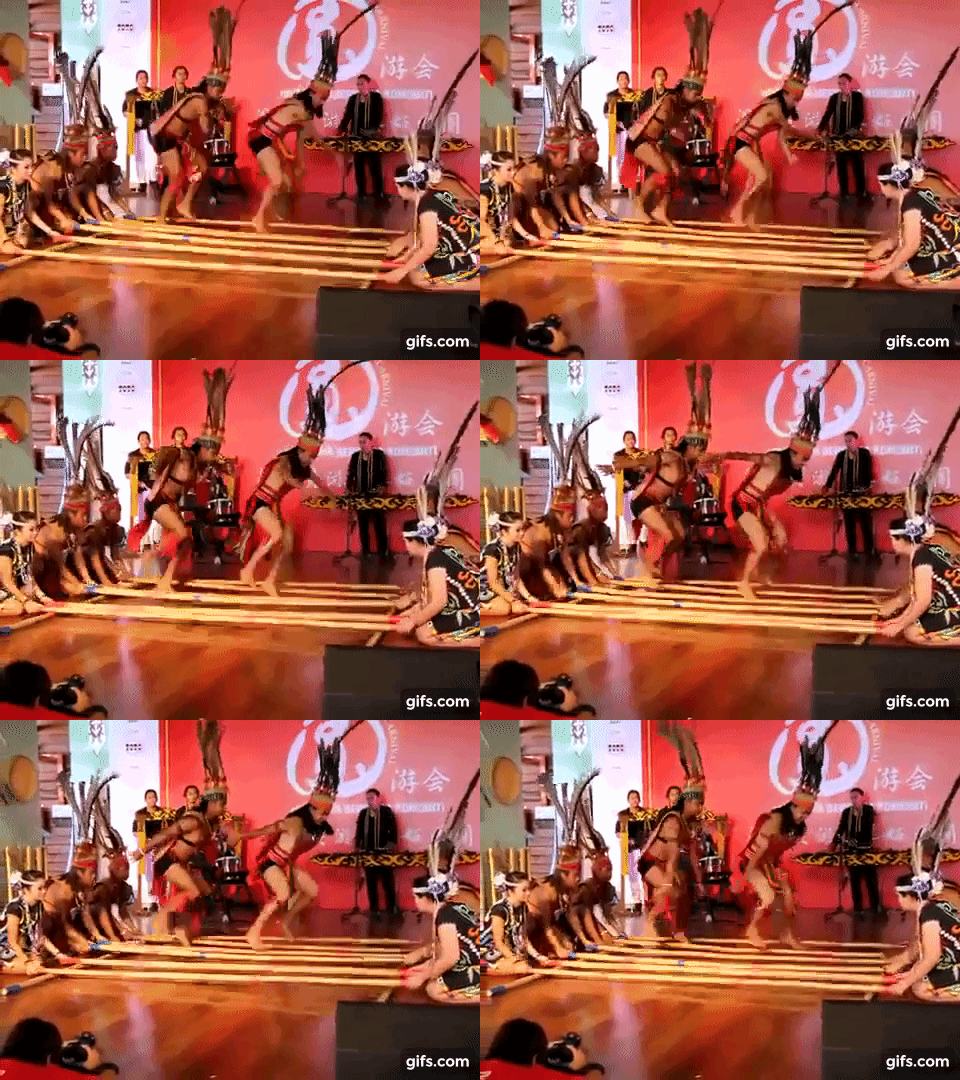
Image via Vincent Wang / YouTube
*Duiiii dogo!* Check out them skills :O
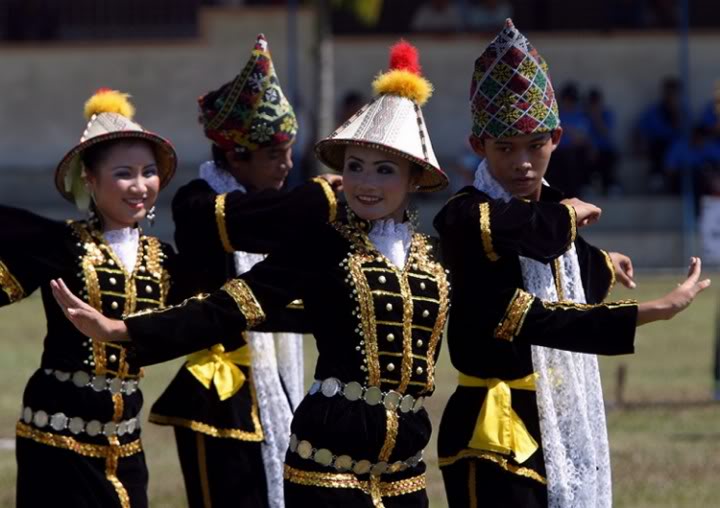
Image via Sabah di Bawah Bayu
*Sumazau* is the traditional folk dance of the Kadazan Dusun. The dance is inspired by eagle flying patterns witnessed by farmers in the field during harvest season.
It is one of the most important dances and an absolute must-do during Kaamatan.
Meanwhile, *Magunatip*, also known as the Bamboo Dance, gets progressively faster and faster as the dance goes on, leaving both the audience and dancers out of breath!
7. Meanwhile, Gawai Dayak is an annual festival celebrated in Sarawak
The Gawai Dayak was first celebrated on 1 June 1965. The festival includes colourful rituals, traditional music, cock fighting, feasting, and games. During this festival, almost everyone dresses in traditional costumes while the elders perform the traditional dance.

Image via McLadies2
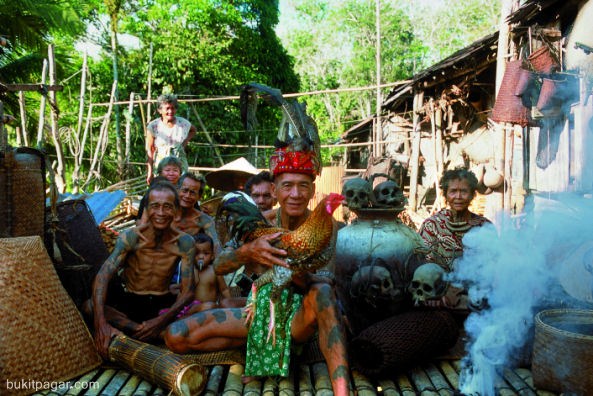
Image via Bukit Pagar
8. It takes 4-5 months to grow a grain of rice, and Gawai marks the end of the harvest
We often don't think about the amount of time and hard work that goes into the rice in our bowls, *kan*? It's no wonder Gawai is such an important celebration of a harvest that many of us take for granted :'(
The festival celebrates unity, aspiration, and hope. It is celebrated by many different ethnic groups such as Iban, Bidayuh, Kenyah, Kelabit, and Murut.
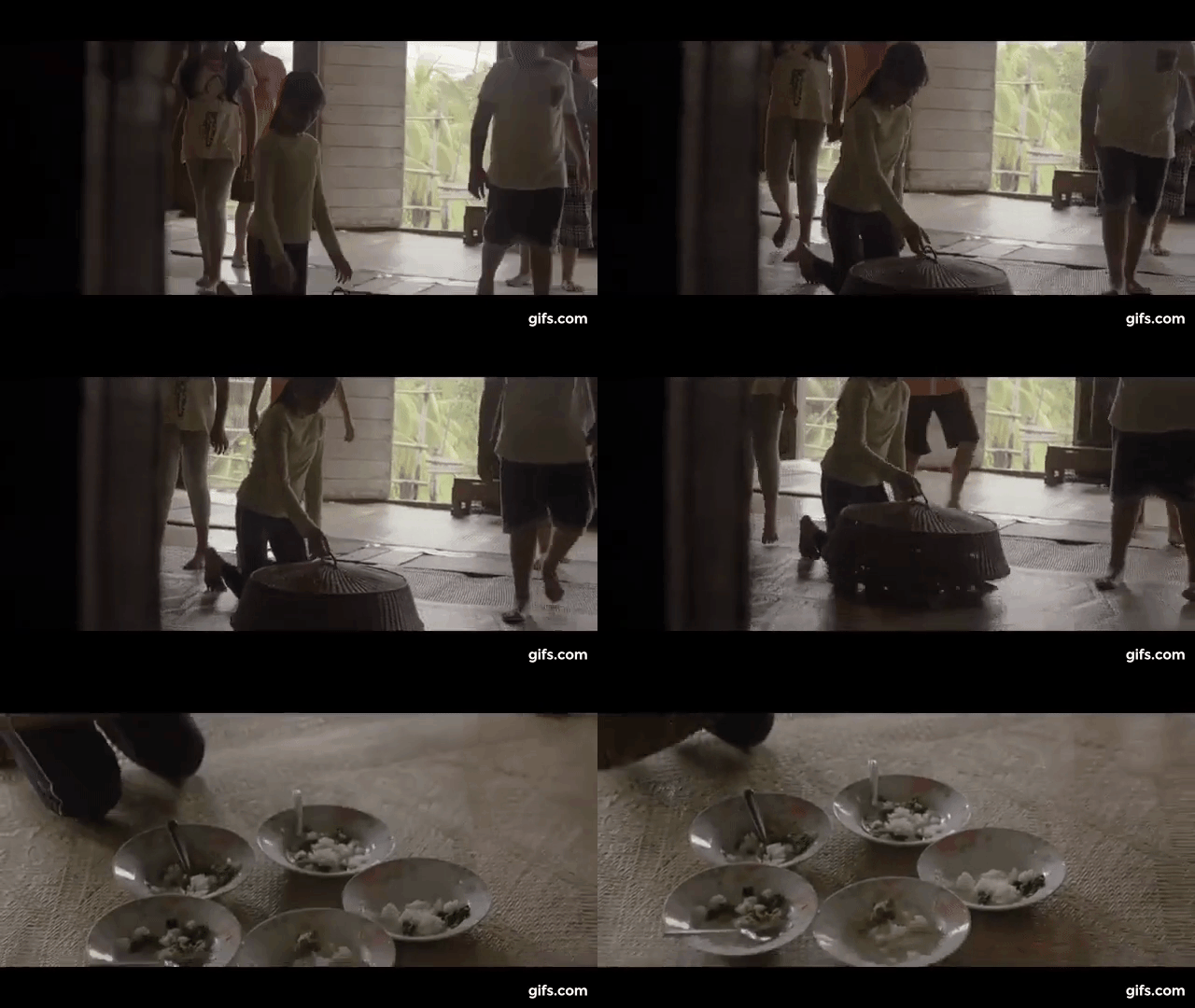
Image via PETRONASOfficial
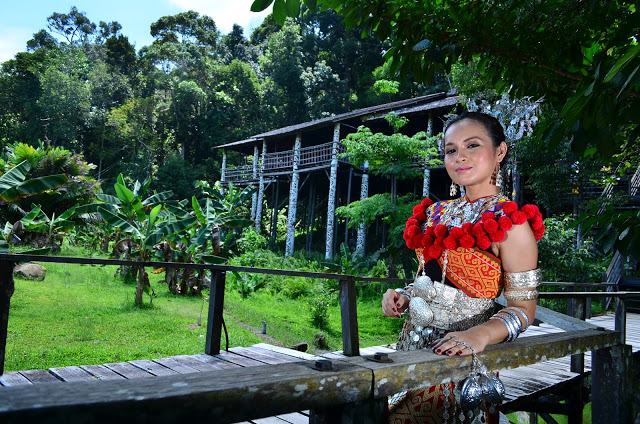
Image via Ami Fotogambar
9. Drinking tuak, the locally brewed rice wine, is a tradition during the festival
It is brewed at least one month before the Gawai Dayak and brewed from glutinous rice mixed with homemade yeast. It is offered as a welcome drink to any guest who visits their longhouse.
It's a big part of Gawai 😉
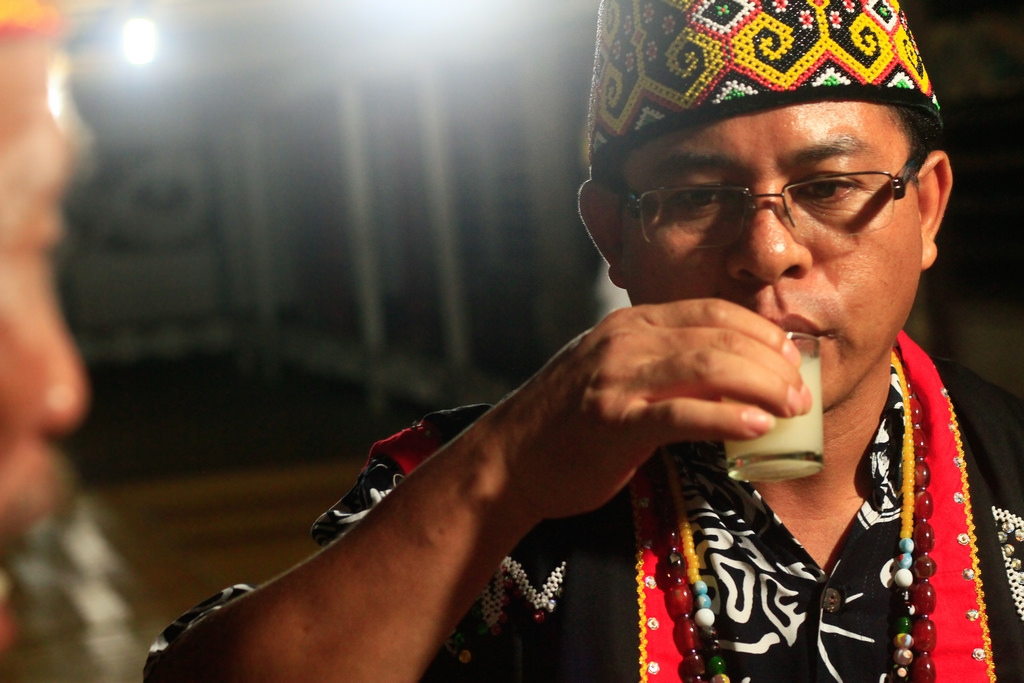
Image via Darwin Boy Sxander / Flickr
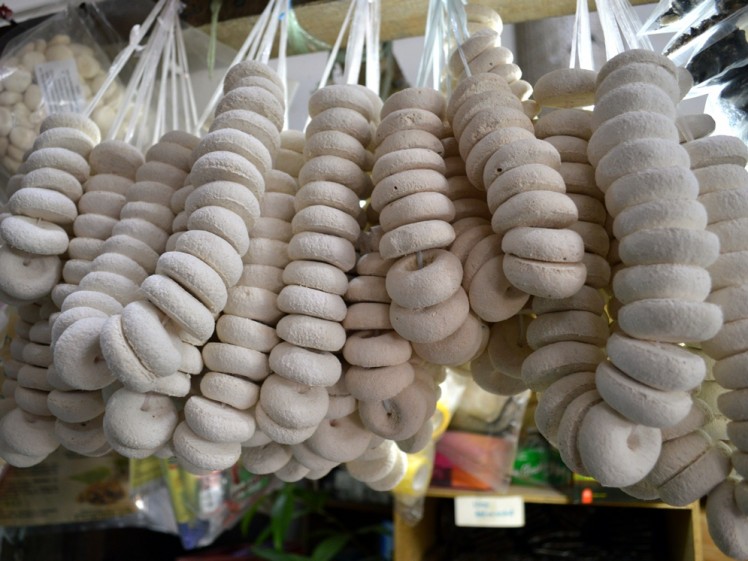
Ragi – a yeast and enzyme mixture that is combined with glutinous rice and fermented to make tuak.
Image via Expat Go
10. Special food and drinks are prepared for the festival
Traditional treats are prepared from glutinous rice flour mixed with sugar, such as *sarang semut* (ant nest cake), *cuwan* (molded cake), *kui sepit* (twisted cake), and *penganan iri* (a discus-shaped cake).
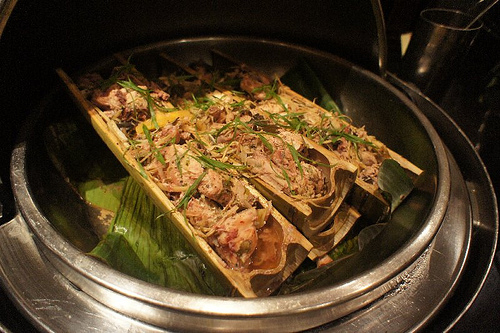
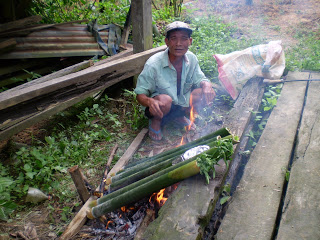
On Gawai eve, glutinous rice is roasted in bamboo known as *ngelulun pulut*, along with a multitude of traditional dishes such as *pansoh manok*, chicken and lemongrass cooked in a bamboo log over an open fire.
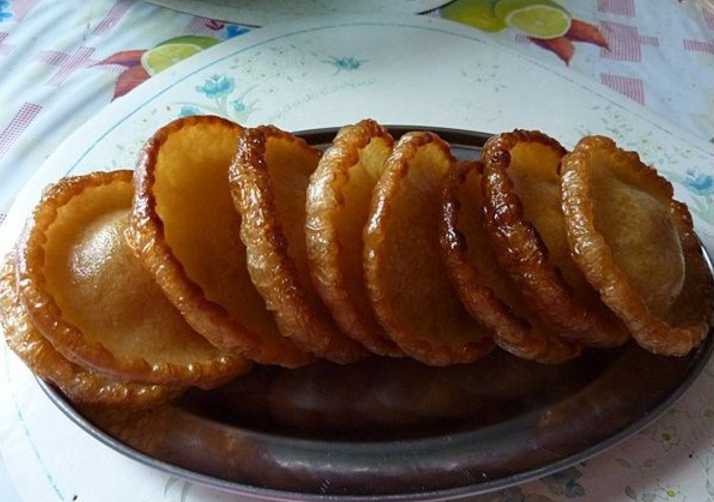
Image via Sha Annz
11. The traditional dance Ngajat is performed during the celebration
The male dancers wear large feathers as part of their headgear, hold an ornate and long shield in their hand with chains, beads and a loincloth called the 'cawat'. The female dancers have an elaborate headdress, chains, beads and a 'dress' that reaches to below their knees with intricate weaving.
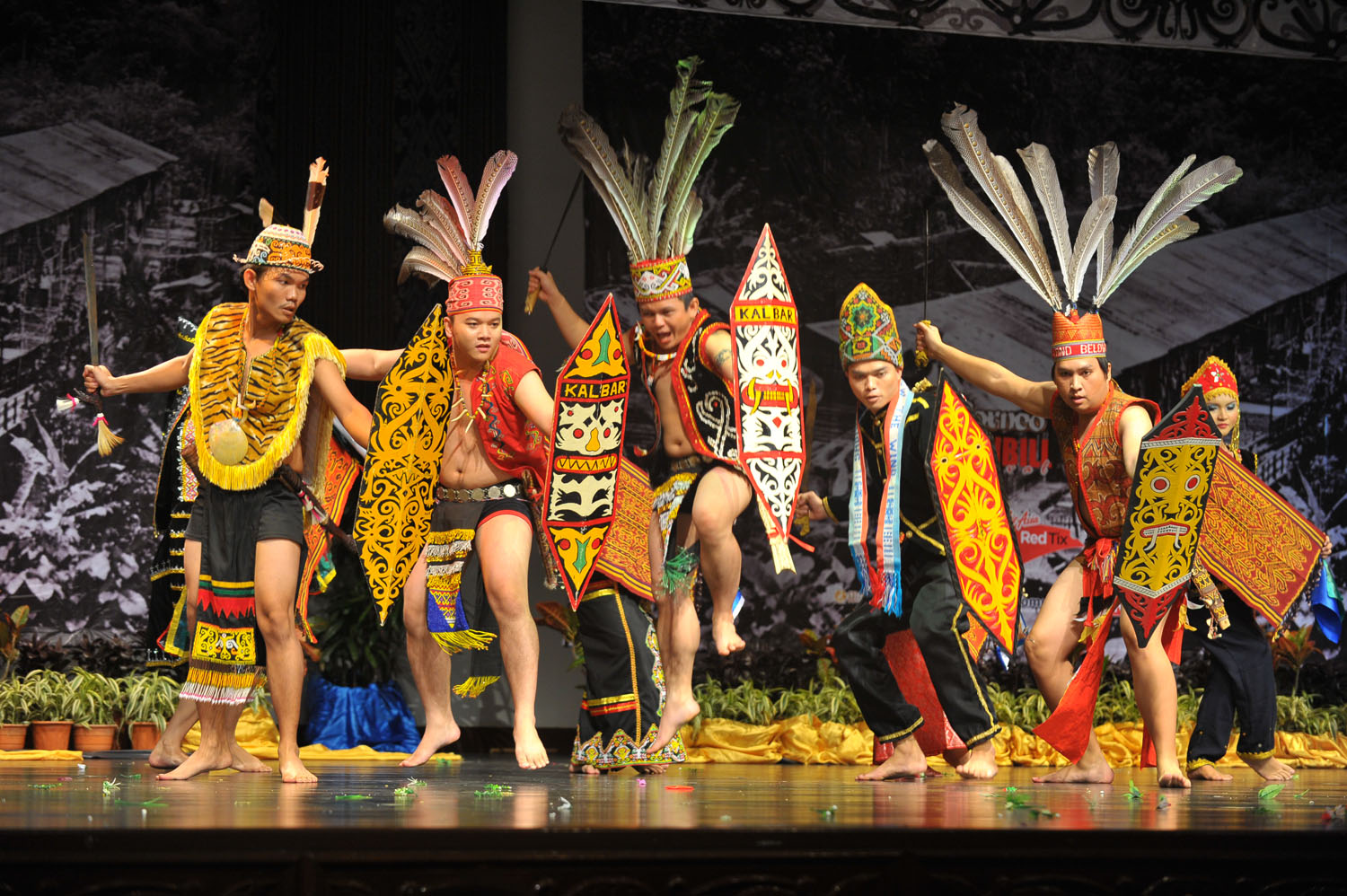
Image via My Beautiful Sarawak
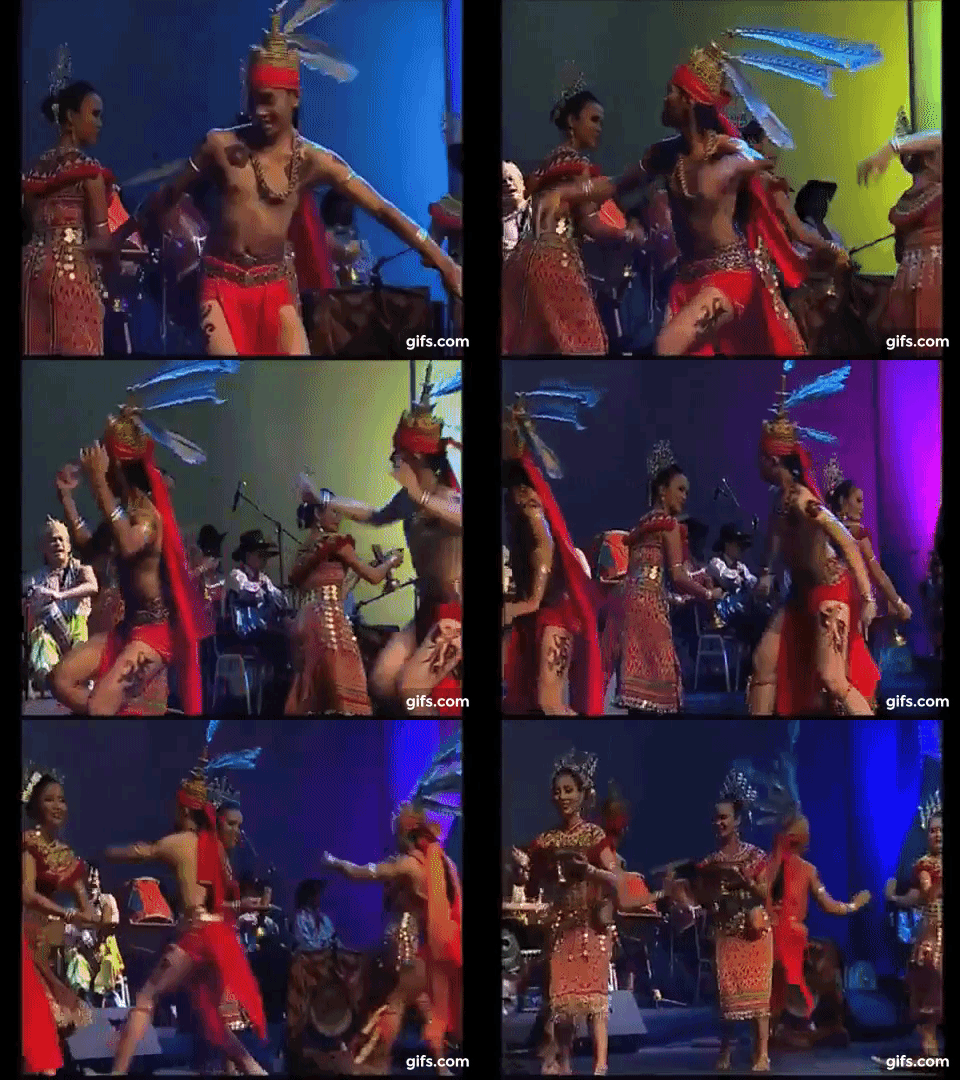
Image via William Daniel / YouTube
If you've never experienced Kaamatan or Gawai, it's time to add them to your bucket list!
The momentous celebration of culture and heritage is what makes these festivals so special.
At the core of the harvest festival lies the story of patience, diligence, and hard work. It's where our rice bowl comes from, not just literally, but figuratively too <3
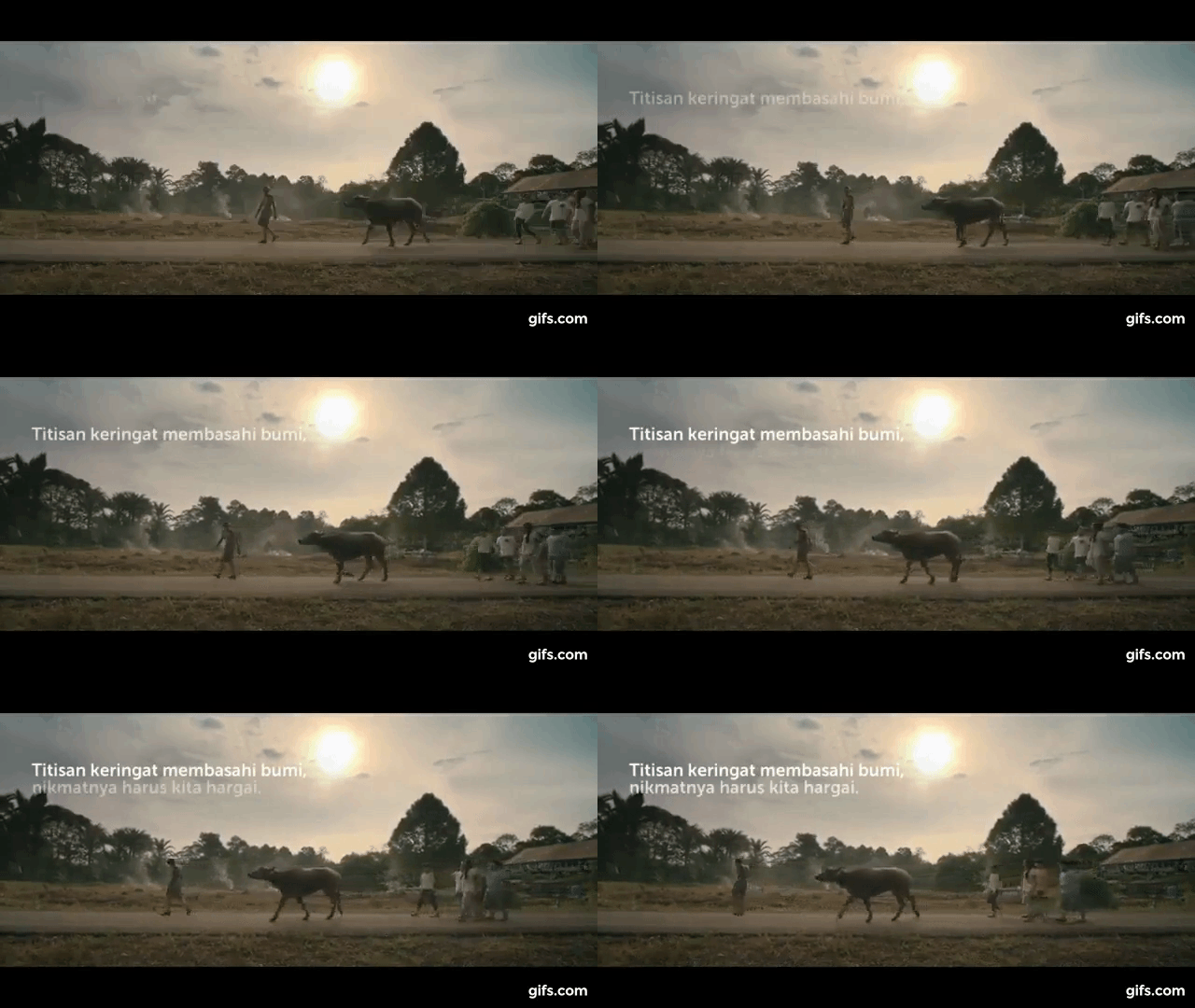
Image via PETRONASOfficial / YouTube
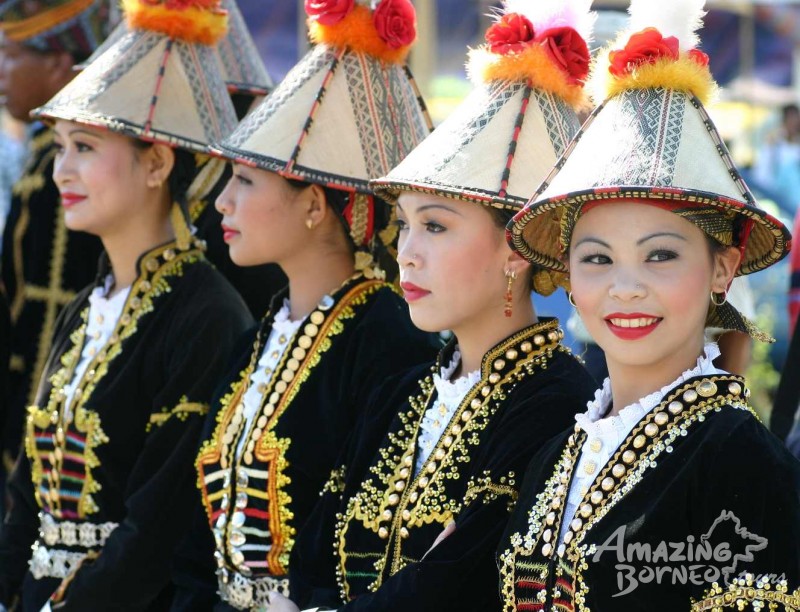
Image via Amazing Borneo
It's a timely reminder to never forget your roots and always appreciate those that came before you. So, from all of us…

Image via PETRONASOfficial
Find out more about Kaamatan and Gawai with Petronas [here](http://bit.ly/jojokerbau)!