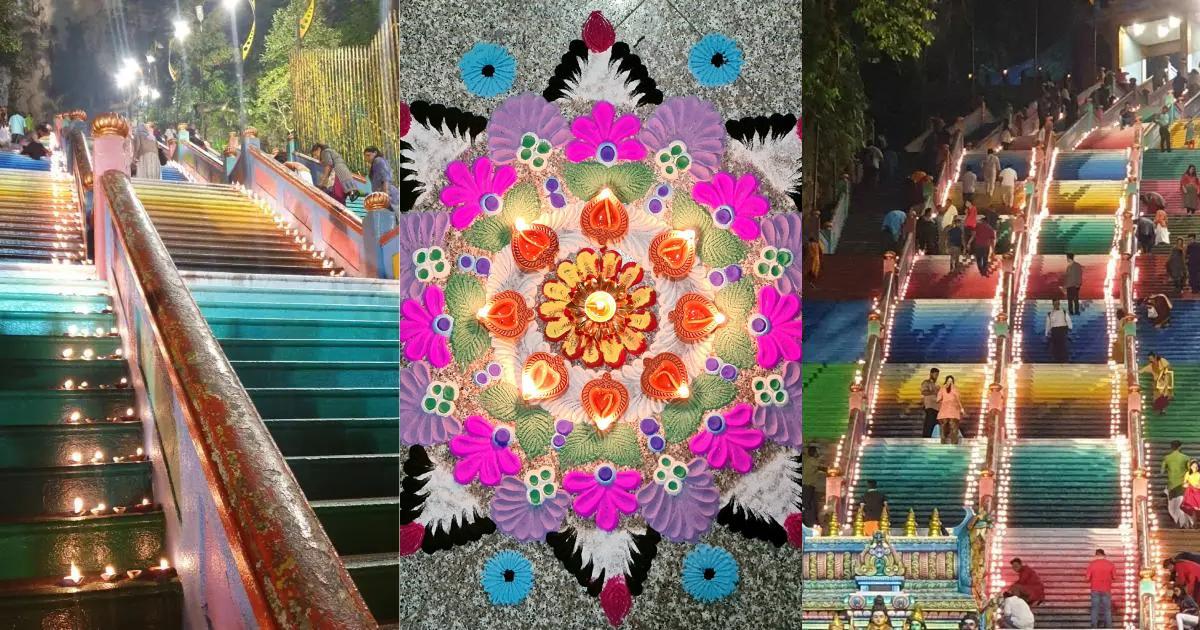
 Cover image via @welovebatucaves (Instagram)
Follow us on Instagram, TikTok, and WhatsApp for the latest stories and breaking news.
Malaysia's Tamil Hindu community will be marking Karthigai Deepam, the "Festival of Lights of the South", on Wednesday, 3 December 2025
While Deepavali gets the spotlight as the major festival with a public holiday, Karthigai Deepam sits on much older roots.
Ancient Tamil works like the Akananuru were already describing streets glowing with rows of oil lamps for this festival more than 2,000 years ago, long before Deepavali or Diwali became widely observed in the South. The festival is also referred to in the Sangam literature as Peruviḻa.
Here's a simple breakdown of what the festival is about and the stories behind it.
What exactly is Karthigai Deepam?
Often described as the oldest Tamil festival, Karthigai Deepam is observed primarily by Tamils globally. The Malayalee and Telugu communities also celebrate it.
It falls on the full moon (Pournami) of the Tamil month of Karthigai, usually mid-November to mid-December, when the moon aligns with the Krittika star cluster (the Pleiades).
How it differs from Deepavali
While Deepavali is a social and religious celebration that is often filled with fireworks, new outfits, and large gatherings, Karthigai Deepam is the calmer counterpart. This Tamil Hindu festival centres entirely on light. Instead of fireworks, homes and temples light rows of small oil lamps that create a warm, steady glow.
The symbolism is universal: it marks the triumph of light over darkness, wisdom over ignorance, and positivity over negativity.
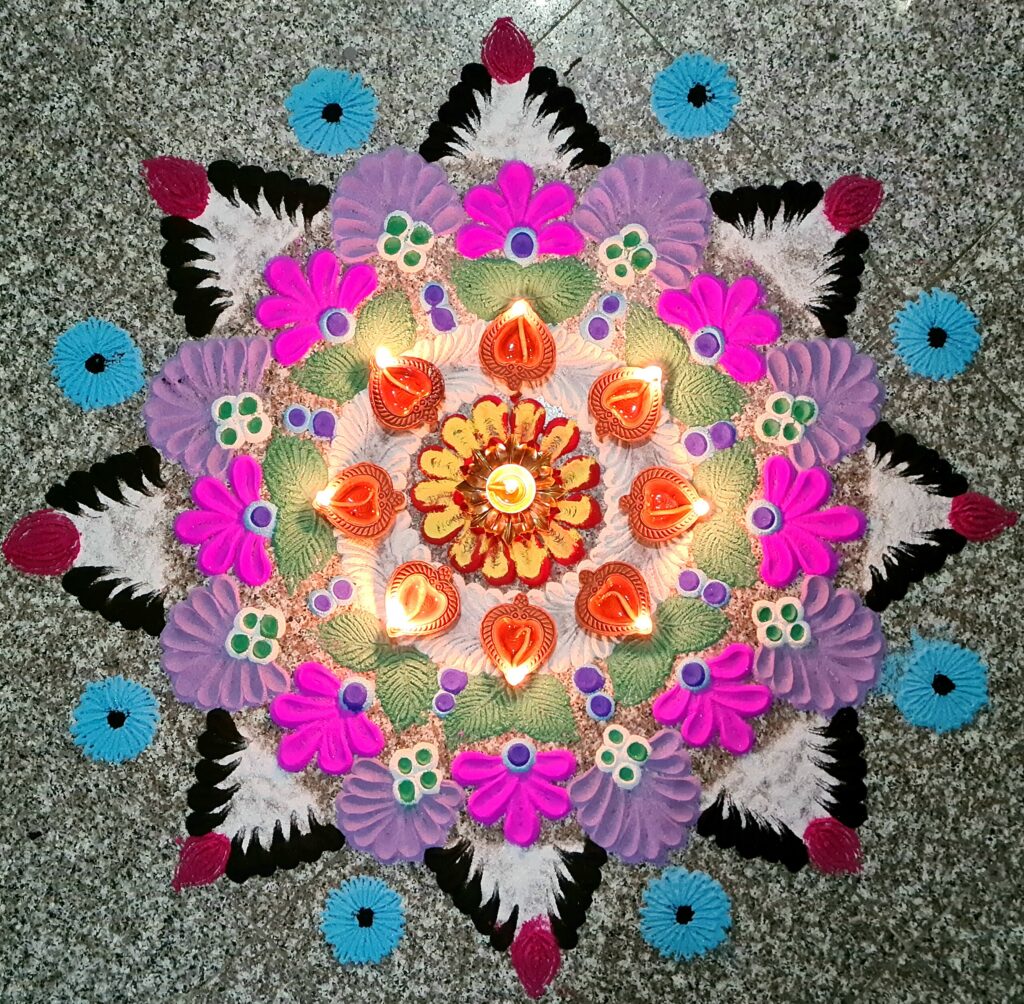
A special Kolam with traditional oil lamps (agal vilakku) for Kaarthigai Deepam.
Image via WikiWhy all the lamps?
The festival is dedicated to both Lord Shiva and his son, Kartikeya, or as he is more commonly known here in Malaysia, Lord Murugan, the deity at Batu Cave.
Legend has it that the creator god, Brahma, and the preserver god, Vishnu, got into a heated argument about who was supreme. To settle the ego battle, Lord Shiva appeared as a massive, endless pillar of fire (Jyotirlinga) and challenged them to find its top or bottom.
Brahma flew up as a swan, while Vishnu dug down as a boar. Neither could find the start or end of the infinite light, proving that the divine is limitless.
This is why, in India, a massive bonfire is lit atop the sacred Arunachala hill. In Malaysia, temples mark the moment with large brass lamps or smaller bonfires to represent this infinite flame.
At the Sri Subramaniar Swamy Temple, the main Batu Caves temple, oil lamps are lit in rows of three and two, stretching all the way from the first step to the top of the stairs.
The festival is also tied to the birth of Lord Murugan
According to the Skanda Purana, six divine sparks emerged from Shiva, becoming six separate boys. They were raised by the six star-maidens of the Karthigai (Pleiades) constellation. Later, Goddess Parvati fused them into one, creating the six-headed Kartikeya.
How to experience it?
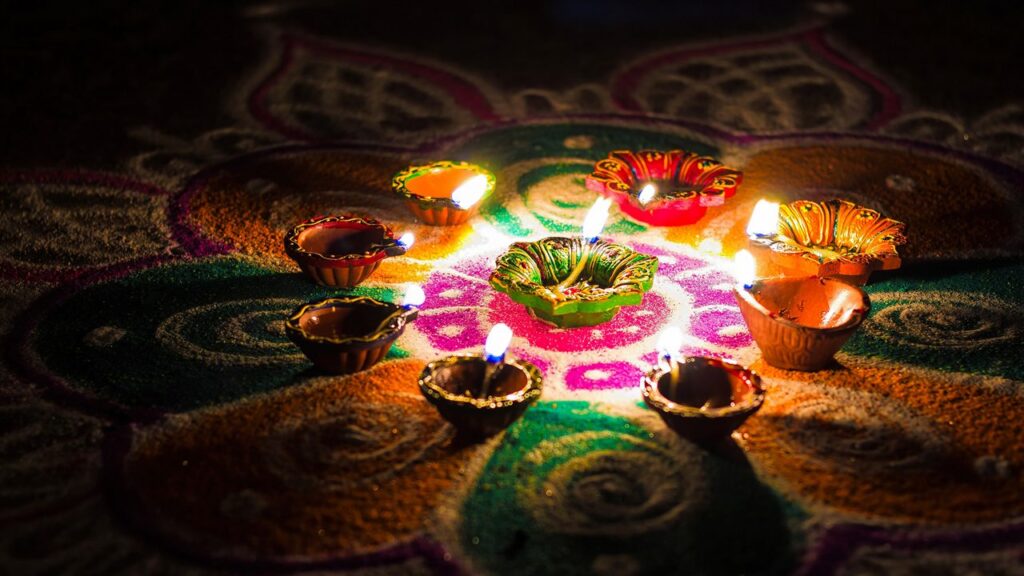
Temples and homes light up agal vilakku, the small terracotta oil lamp you've probably seen during Deepavali, in the hundreds.
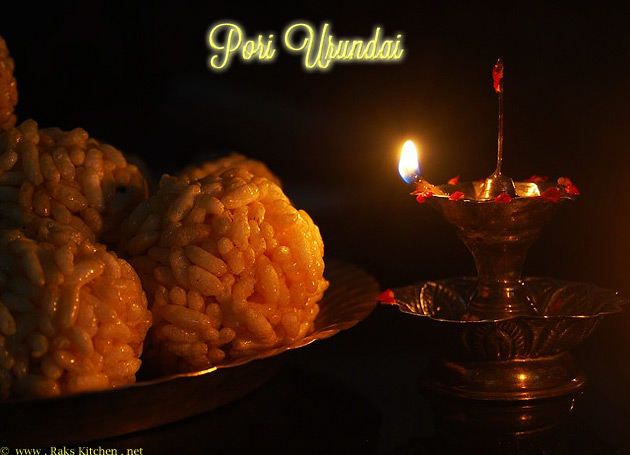
While Deepavali has murukku, Karthigai Deepam, due to the fact that it involves lighting so many lamps, has pori urundai, a simple and sweet snack made with puffed rice and jaggery.
Other common treats include appam and adai (savoury lentil pancakes).