
Should You Trust Digital Banks With Your Savings? Here’s How PIDM Keeps Your Money Safe
Peace of mind starts with knowing who's watching your back.
Published For Perbadanan Insurans Deposit Malaysia (PIDM) - 06 Feb 2026, 10:29 AM


 Cover image via
 Follow us on Instagram, TikTok, and WhatsApp for the latest stories and breaking news.
For many Malaysians, digital banking is often preferred for being the faster, more convenient, and accessible choice
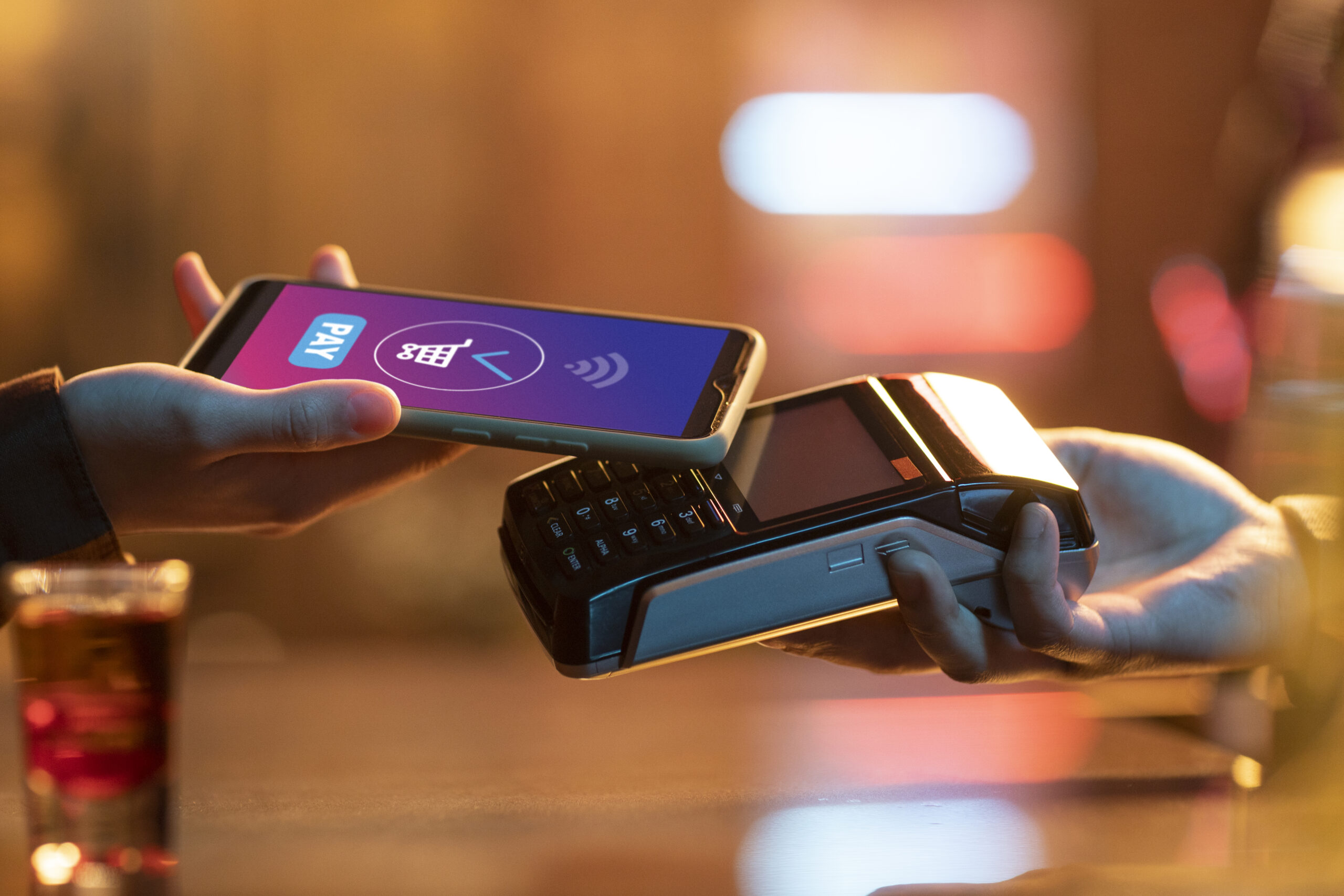
If you are not aware, Malaysia now has five licensed digital banks: GXBank, AEON Bank, Boost Bank, KAF Digital Bank, and Ryt Bank. Digital banks offer fully online banking services which mainly focuses on savings without physical branches, making banking faster, easier, and more accessible.
This is why digital banks are preferred among students, fresh graduates, and first-jobbers — mainly younger users who prefer a fast and convenient banking experience.
But in all that convenience, questions like, "What if something goes wrong?" tend to pop up.
What happens if a digital bank runs into trouble and can no longer operate? Do you lose all your savings? Is banking with a digital bank riskier than with a traditional bank?
Fret not, this is where Perbadanan Insurans Deposit Malaysia (PIDM) comes in to protect you through their Deposit Insurance System (DIS)

What you probably don't realise is that licensed digital banks in Malaysia are also PIDM member banks. That means they're treated the same way as traditional banks when it comes to deposit protection.
In simple terms, your deposits are protected up to RM250,000 per depositor per member bank. This includes common deposit products like savings accounts, current accounts, and fixed deposits.
So, if a member bank were to fail, eligible deposits within the protection limit remain safeguarded for you.
But, what about e-wallets? Are they the same thing as digital banks?
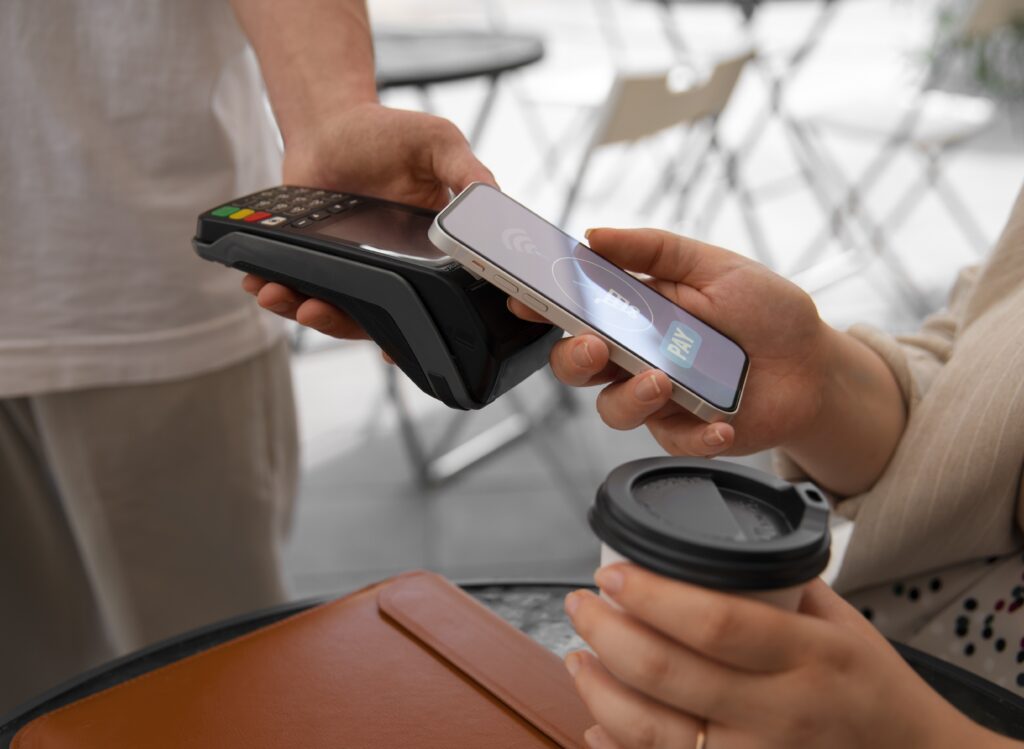
Well, not at all. The difference is that digital banks help you manage and grow your money, while e-wallets are tools primarily for making and receiving payments.
They operate under different rules; digital banks are fully licensed banks, whereas e-wallets are usually operated by e-money service providers. Some popular e-wallets are TNG eWallet, GrabPay, Boost, ShopeePay and BigPay.
Most importantly, e-wallets are not protected by PIDM. So, it's important not to confuse e-wallets with bank deposits.
Overall, knowing about PIDM gives you reassurance and guides you towards making smarter financial choices

It encourages you to bank with licensed institutions, understand protection limits, and take ownership of your financial wellbeing.
As digital banking becomes part of everyday life, financial literacy is also about knowing the systems designed to protect you when something unexpected happens.
Looking for peace of mind? You can learn more about how PIDM protects you, your money, and more here!
Got some cool brand news to share?

Take a look at all of our Spotlight stories to date here.
Catch up on the latest brand buzz!
- [VIDEO] PETRONAS' New Year Short Film Reminds Us To Always Find Strength In One Another
- From Markets To Workshops, CapitaLand Malls Has Lots In Store This Christmas & New Year
- Here's A First Look At Aulica, An Exclusive Lakeside Double-Storey Terrace In Puchong
- Kickstart Your 2026 Wellness Goals With A New Galaxy Watch. Here Are Our Top 4 Picks
