
“Put Plaster Or Not?” — Why Letting A Wound Heal On Its Own May Not Be The Best Idea
And why using the correct plaster matters.

Published For Hansaplast - 30 Sep 2025, 09:14 PM


 Cover image via
 Follow us on Instagram, TikTok, and WhatsApp for the latest stories and breaking news.
As a kid, you may have heard adults tell you that it's better to let a wound heal on its own
This advice may sound logical: let the wound breathe and dry out, form a scab, and heal naturally.
But in reality, doing this may be less effective than letting it heal in a moist environment, and usually means healing gets delayed and skin is often left with scars.
Here's the science behind it:
1. Wounds heal more slowly when they're dry
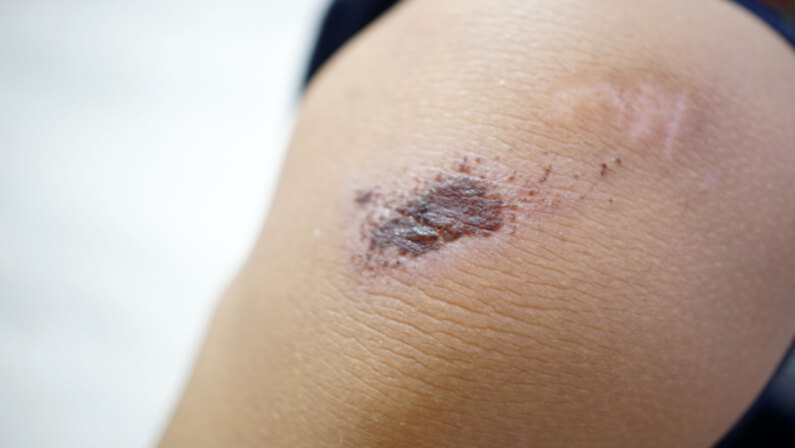
A scab forming over a dry wound.
Image via Silverlake ERWhen a wound is left to dry out, the surface cells end up dying off and forming a hard scab.

While this looks like progress, the scab actually acts as a gate, blocking new healthy skin cells from migrating inward. This makes it harder for the body to repair itself, which can extend recovery time.
2. Keeping the wound area moist speeds up healing and reduces scarring
Clinical studies show that wounds actually heal better in moist environments, like under hydrocolloid plasters and bandages.
Skin cells can move and multiply more efficiently when the surface isn't hard and crusty, leading to faster and more effective tissue repair. This also means that you won't scratch your dry scab as much, which is one of the biggest causes of scarring.
3. Protection is also super important
Keeping things moist isn't the only key factor!
Healing can get delayed if a wound is exposed to bacteria, dirt, or even excess water from daily showers. This is why you need the proper protection (such as hydrocolloid plasters) to prevent unwanted elements from affecting the healing process.
One of the best ways to heal your scratches, cuts, and abrasions is to use a hydrocolloid plaster like Hansaplast Second Skin Protection

This next-generation plaster uses hydrocolloid technology to create that perfect moist environment for faster healing.
You can think of it as a "healing capsule", where the plaster absorbs wound fluid, cushions the area, and locks in just the right conditions for recovery.
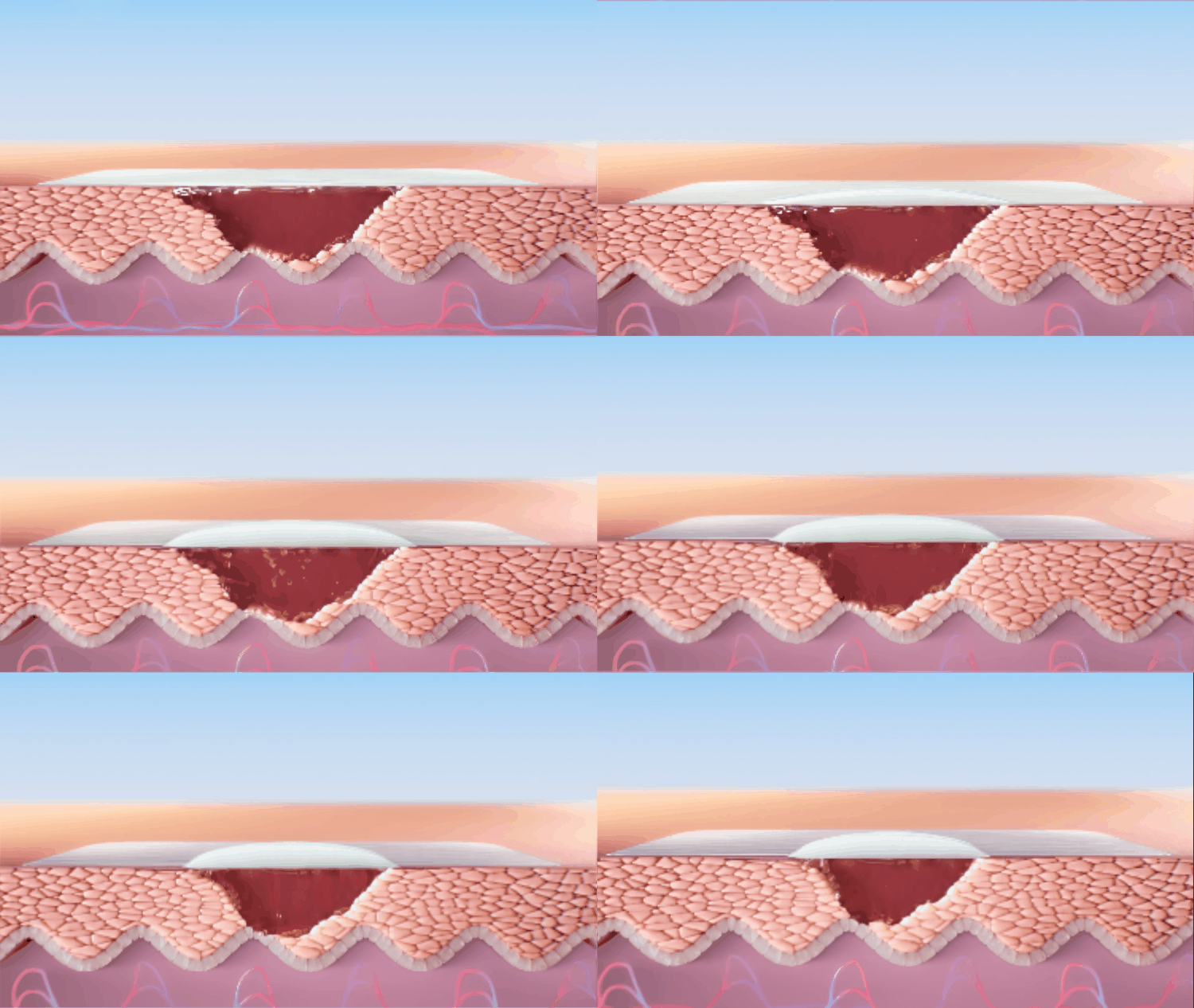
How Hansaplast's Second Skin Protection plaster heals without letting wounds dry out.
Image via HansaplastHere's how it heals more effectively:
- Speeds up healing: Hydrocolloid tech creates a healing capsule that helps cells regenerate efficiently and much faster*
- Strong hold on skin: Each plaster is able to remain stuck securely on your skin for over 72 hours, and will stay stuck even on tricky areas such as fingers, knees, and elbows
- Ultra-thin and super flexible: With more flexibility compared to regular plasters, it moves freely with your body and feels like a second skin
- 100% waterproof: Its breathable polyurethane backing means you can shower, swim, or sweat without worry
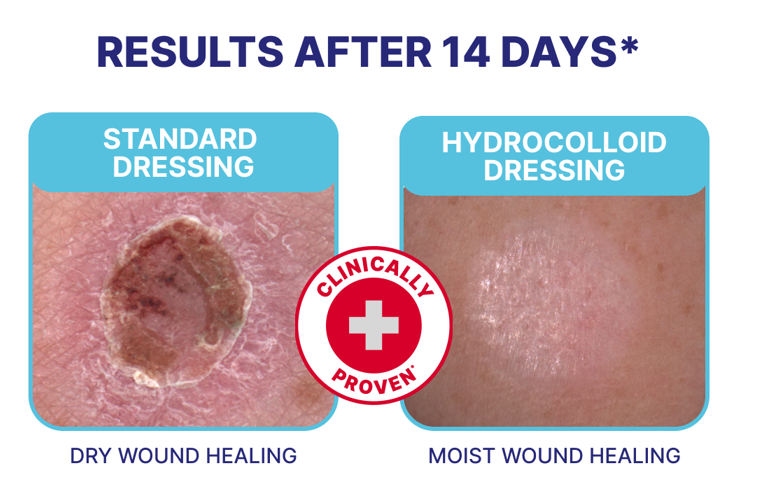
*Wigger-Alberti W. et al. J Wound Care 2009 Mar; 18 (3): 123-28, 131.; Simplified illustration of Fig 3; hydrocolloid dressings vs. standard plaster on day 14
Applying Hansaplast Second Skin Protection is also easy
STEP 1: Stop the bleeding and cleanse the wound. Carefully remove the white paper foil and apply the plaster directly on the wound without stretching the plaster — the whole plaster acts as a wound pad.
STEP 2: Press the plaster on firmly, ensuring edges are properly sealed to the skin.
STEP 3: Remove the application support foil indicated by the red mark to ensure maximum flexibility of the plaster.
Stock up on Hansaplast Second Skin Protection at all leading pharmacies or online at Shopee and Watsons today!
For more info, visit this website.
GB2630925-200745
Registered under Act 737
No. Kelulusan Iklan: MDAMD 0186/2025
