


 Cover image via
When disaster strikes, there's rarely time to think — only time to act
Whether it's a sudden flood, a fire, or a landslide warning, having an emergency bag packed and ready could make all the difference. While we often think "it won't happen to me," Malaysia is no stranger to evacuations due to natural disasters, especially during monsoon season.
In such times, having a bag of essentials ready-to-go can make all the difference.
NOTE: This is not a complete list, but a general guide. If you're short on time or space, prioritise what matters most to you.
Here's what you should pack in a go-bag, in sequence of importance:
Essentials:
1. Important documents go first in the bag
Make sure you pack your IC, passport, birth certificates, medical records, and insurance documents. Keep them safe in a waterproof pouch or even a simple zipped plastic folder.
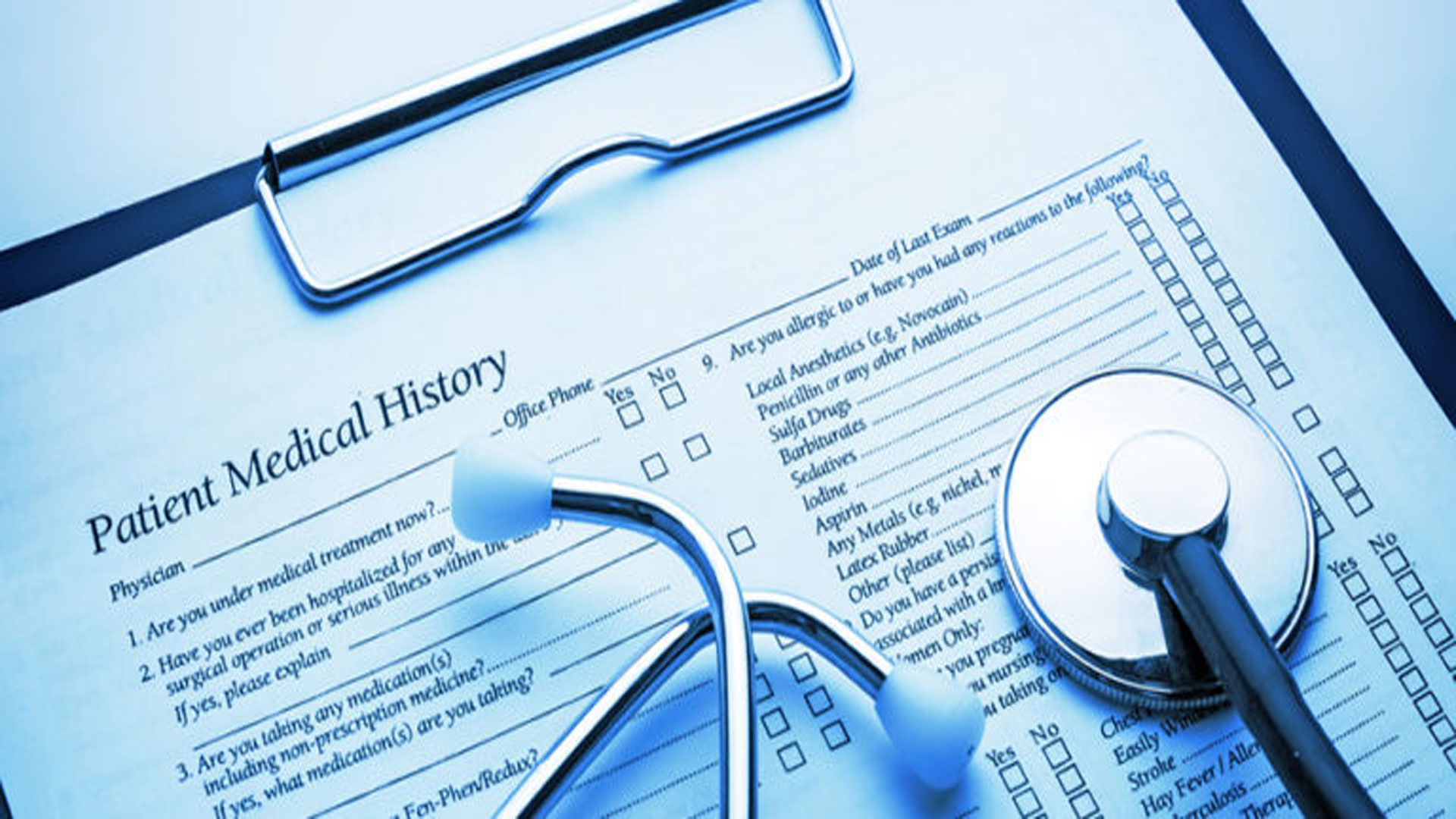
Image via JKN Sabah
2. Always have some emergency cash on you
E-wallets and card payments are super convenient — until there's no electricity or mobile signal. That's why it's important to always keep a stash of RM200 to RM500 in small notes tucked away in your go-bag. It can be a real lifesaver when you need to pay for food, transport, or emergency shelter.
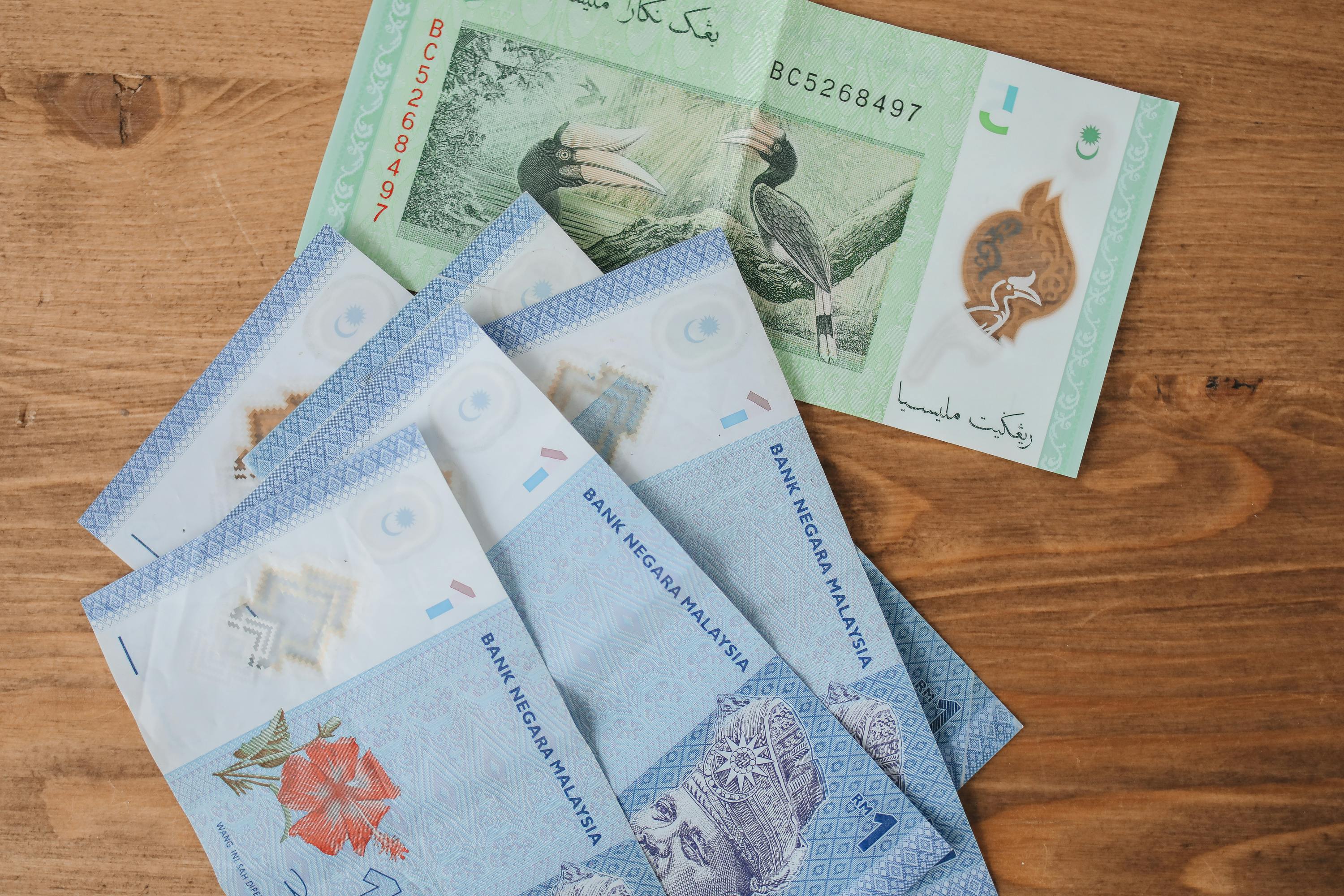
Image via Polina Tankilevitch/Pexels
3. Bring a few days' worth of clothes, but prioritise practical over glam
Pack two to three changes of clothes, along with spare underwear, socks, and a light jacket. When choosing what to bring, go for quick-dry materials. They're lightweight, practical, and way more comfortable. Trust us, nobody wants to deal with soggy jeans slowing them down in an emergency.
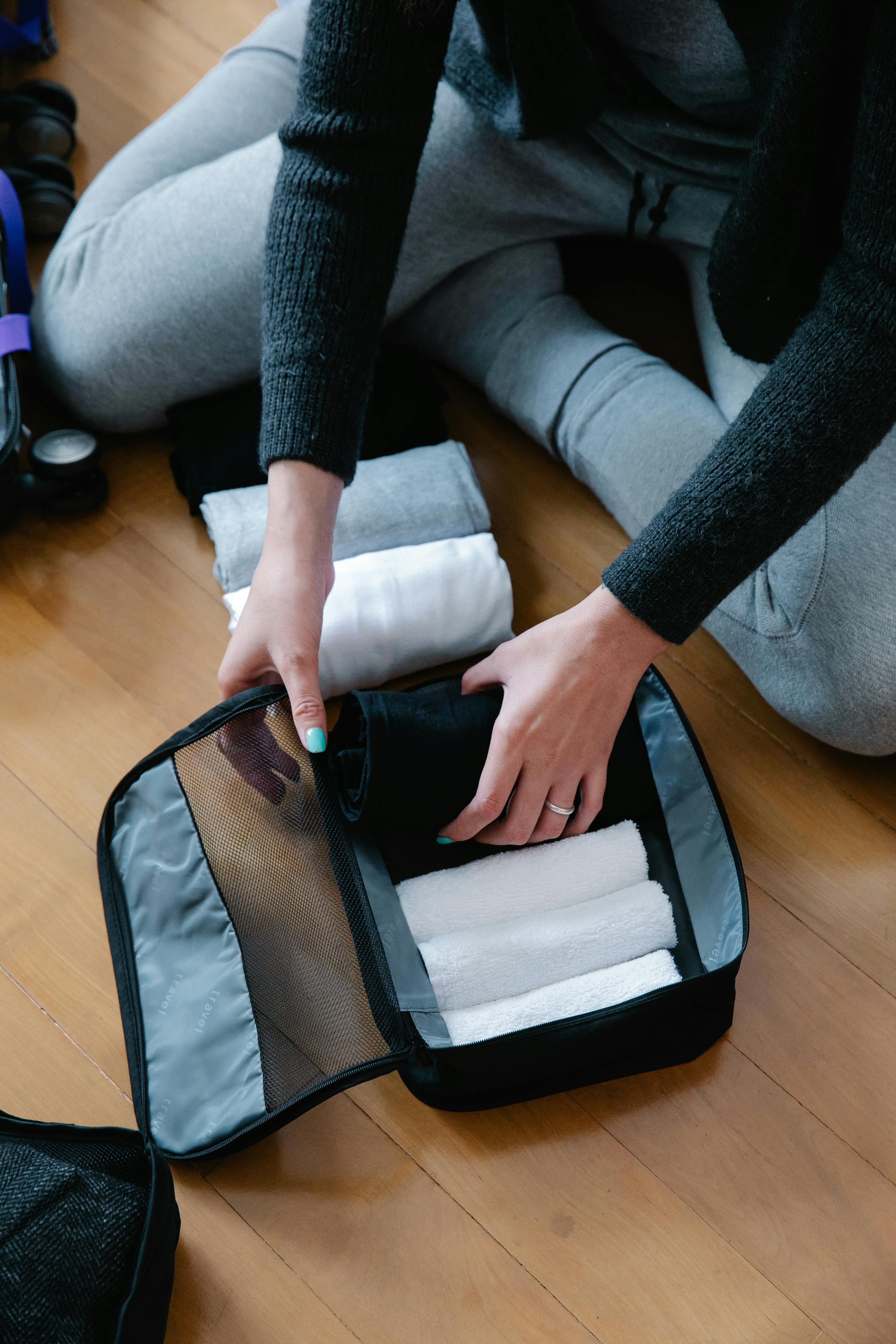
Image via Timur Weber/Pexels
4. Hygiene essentials are next
A toothbrush, toothpaste, soap, deodorant, sanitary pads, and wet wipes are all must-haves for your go-bag. If you're packing a towel, pack a microfibre towel. It's lightweight, dries quickly, and can be a real lifesaver when you're on the move.
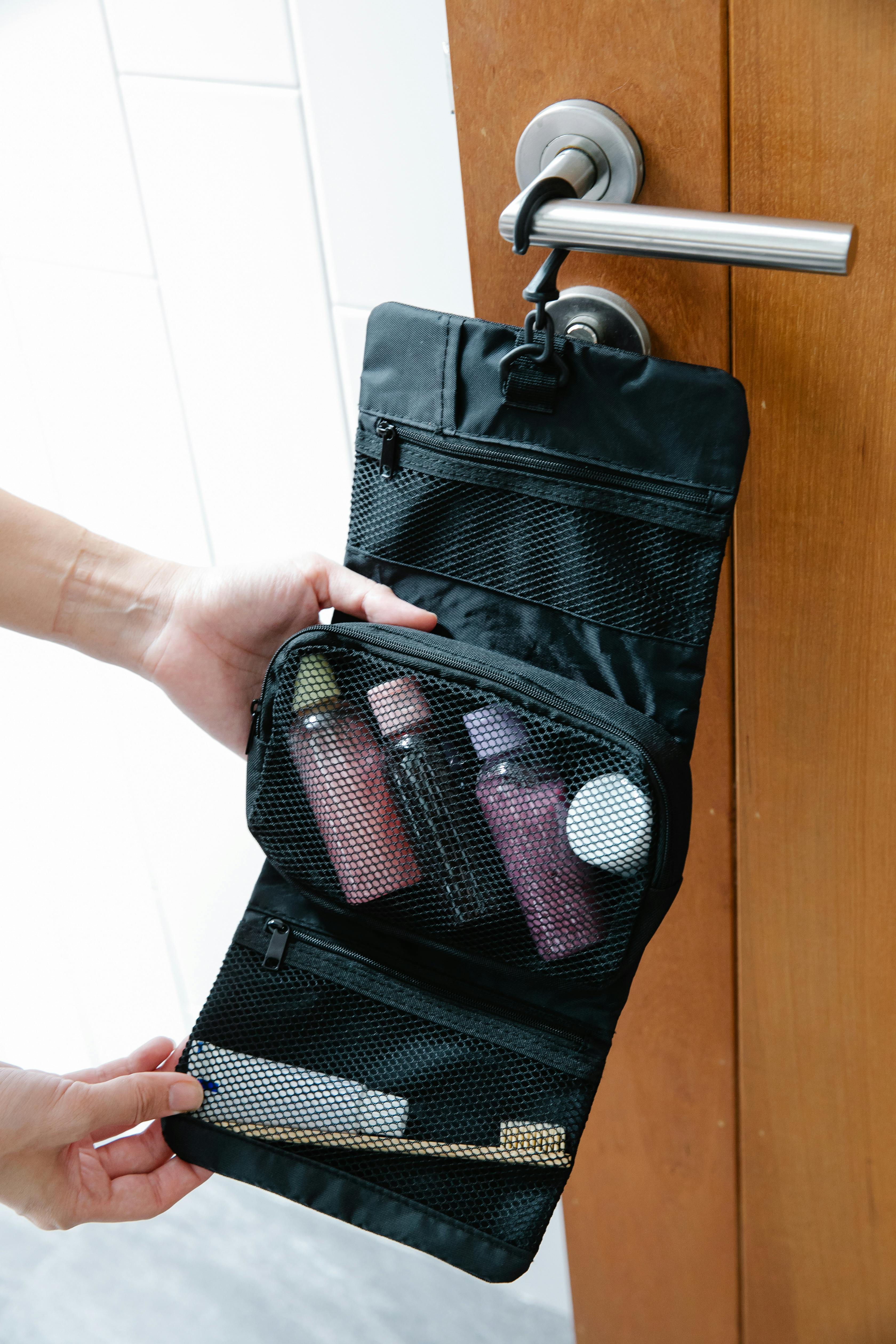
Image via Timur Weber/Pexels
5. Keep a power bank fully charged
Keep a power bank specifically for emergencies — meaning, don't use it for your everyday needs until it's half-dead, okay? Bonus points if you invest in a solar-powered charger, so you're covered even when there's no electricity.
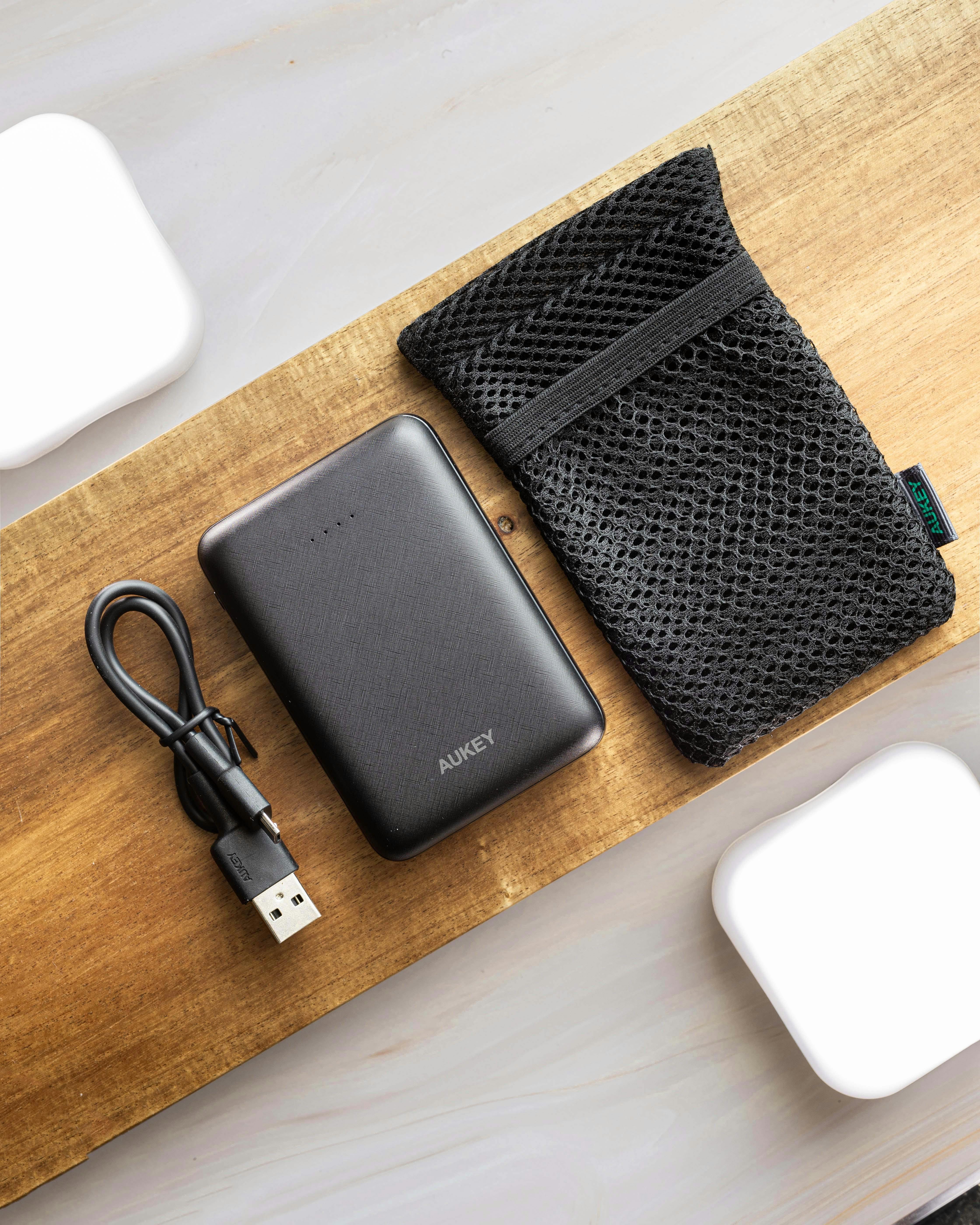
Image via I'm Zion/Pexels
6. Pack a basic first-aid kit because injuries happen when you least expect them
Make sure to pack essential first-aid items like plasters, antiseptic cream, alcohol wipes, painkillers, antihistamines, and any personal medications you might need. Even a few basic supplies can make a big difference in an emergency and in helping you manage any small injuries or health issues that might pop up.

Image via Towfiqu barbhuiya/Pexels
Optional Items:
7. Pack enough snacks and bottled water
Pack non-perishable food like granola bars, trail mix, or even some instant cup noodles (if you have access to hot water). These snacks can keep you going when you don't have time to cook or access to proper meals. If possible, bring at least two litres of water per person, per day, to stay hydrated during an emergency.

Image via cottonbro studio/Pexels
8. Bring a flashlight or headlamp so you're not fumbling in the dark
A good flashlight or headlamp is crucial for navigating in the dark, especially when your phone's flashlight won't last long. A reliable torch will ensure you can see what you're doing and stay safe in low-light situations.

Image via Adobe Stock
9. Having a basic multi-tool can make you feel like a certified survivalist
A small multi-tool can be a game-changer in an emergency. With essentials like a screwdriver, knife, and can opener, these compact tools pack a punch. Some even come with mini scissors, tweezers, and bottle openers, making survival a whole lot more convenient. Who says you can't be prepared and practical at the same time?
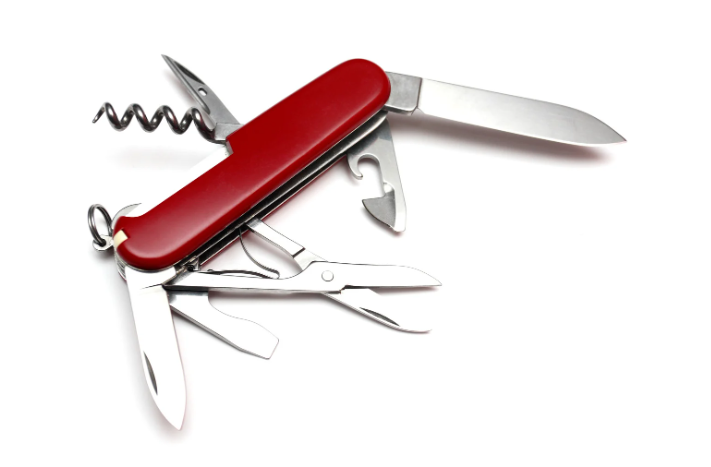
Image via ardaguldogan/Canva Teams
10. Pack comfort items and essential supplies for kids, pets, and babies
Emergencies can be overwhelming, especially for the most vulnerable in your household. Throw in a few comfort items like a stuffed toy, family photo, or notebook to help kids feel more secure.
And if you have pets or babies, be sure to pack the essentials. For pets, pack a leash, carrier, pet food, small water bowls, and any necessary medications. For babies, make sure to bring diapers, formula, wipes, and a change of clothes. In the chaos of an emergency, it's easy to overlook the needs of these small family members, but they require just as much care and attention to stay safe and comfortable.
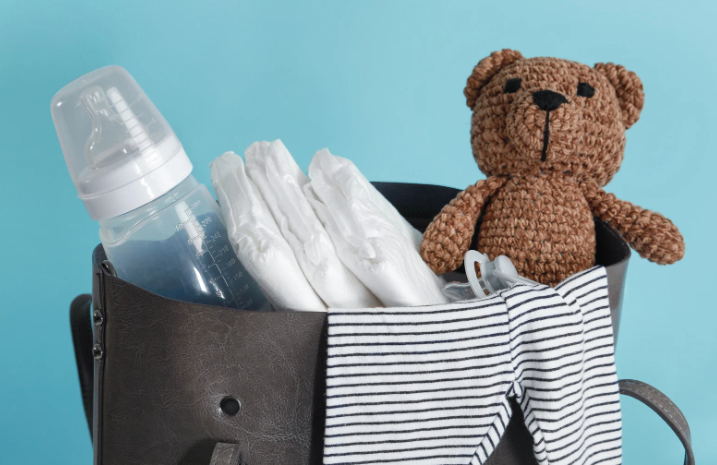
Image via Africa Images/Canva Teams
11. A whistle might seem small, but it could save your life
In case you're trapped, injured, or need to attract rescuers, a loud whistle is far more effective (and louder) than shouting. It's a simple tool that can make a big difference in getting noticed during an emergency. Some backpacks even come with built-in emergency whistles, so be sure to check yours and have it ready when you need it most.
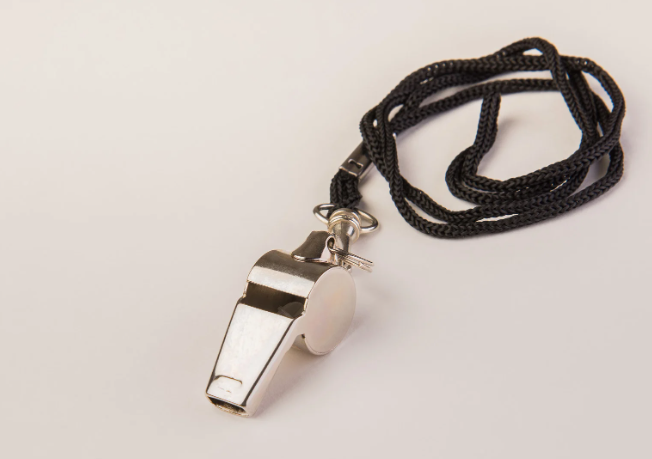
Image via JerryB7/Canva Teams

