


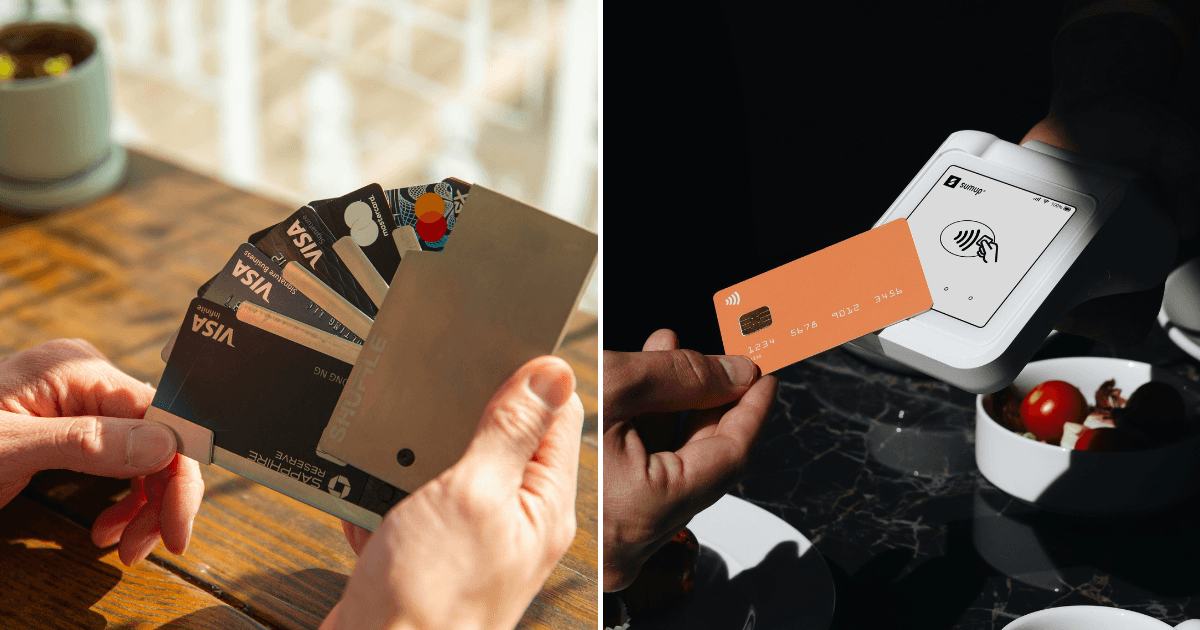
 Cover image via
Follow us on Instagram, TikTok, and WhatsApp for the latest stories and breaking news.
If you've ever travelled and shopped overseas, you may have noticed sometimes you end up paying more than expected

That difference usually comes down to current foreign exchange rates, markups from the bank or e-wallet, and something called dynamic currency conversion (DCC).
So if you're choosing between a multi-currency card and a credit card the next time you travel, here's what actually affects how much you spend.
When you use a Malaysian credit card overseas, there are multiple charges happening in the background

These charges are usually associated with the card provider such as Visa or Mastercard and also your bank.
- Visa or Mastercard conversion rate (usually close to mid-market rate plus an additional 1% network fee)
- Your bank adds a foreign transaction fee (typically 1% to 1.5%)
This will usually mark up your total cost for the transaction by around 1% to 3% more.
Some premium cards can reduce this percentage slightly. For example, certain miles cards bring it closer to around 1.25% effective cost, but they rarely eliminate it entirely.
On the other hand, multi-currency cards like Wise or BigPay work on a prepaid model
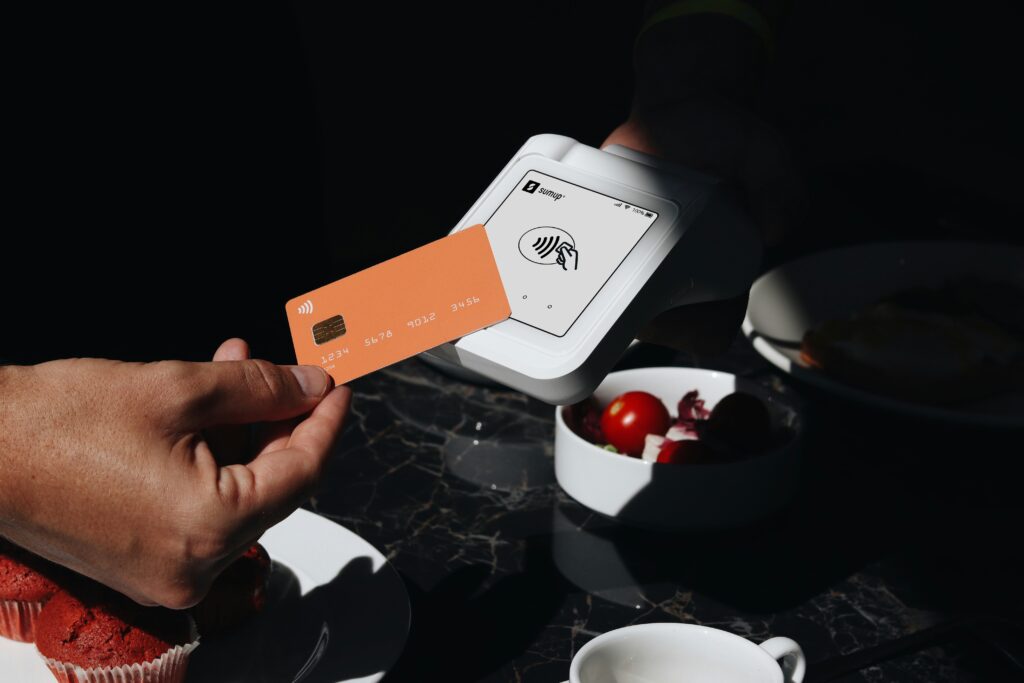
Essentially, you convert your Malaysian Ringgit (MYR) into foreign currency before spending, usually at near mid-market rates with clearly stated fees.
The typical fee range for both Wise and BigPay are:
- Wise: Around 0.35% to 0.71% depending on currency
- BigPay: Around 1% plus small fixed fees
The key difference here is that this allows you to see the rates clearly before exchanging.
Plus, multi-currency cards like Wise also allow you exchange on-the-go when you're travelling.
The lower fees can mean you'll spend less compared to credit cards, especially for day-to-day spending. But there's a catch. If rates improve after you convert, you've already locked in your earlier rate.
You need to also look out for dynamic currency conversion (DCC)
No matter which card you use, dynamic currency conversion (DCC) will always be used when you're paying in MYR.
DCC means that the merchant is the one setting the exchange rate, and it's usually worse than your bank or card provider. This can end up with you paying more without you realising.
Always choose to pay in the local currency instead. It's one of the simplest ways to avoid unnecessary markups.
There is no one-size-fits-all answer to which is better. It all depends on how you plan on spending overseas.
| Multi-Currency Cards Are Usually Cheaper If | Credit Cards May Be Better If |
|---|---|
| You plan ahead and convert at decent rates | You want convenience without preloading |
| You want full visibility of fees | You're earning miles, cashback, or rewards |
| You're spending on everyday items like food, rides, shopping | You need to pay for hotels, deposits, or emergencies |
In short, credit cards offer more flexibility, while multi-currency cards may keep the costs low.
If you can, utilise both your multi-currency and credit card for different types of transactions to get the best of both worlds.
