


 Cover image via yahoo
Follow us on Instagram, TikTok, and WhatsApp for the latest stories and breaking news.
Every year on 14 February, it has become a tradition for those who are happily attached to shower their significant other with extra love and appreciation on Valentine's Day
While the romantic holiday is celebrated worldwide, did you know that the Chinese people have their own variation of Valentine's Day as well? Not only that, there are two different festivals dedicated to love and romance!
You're probably familiar with Chap Goh Mei, meaning the 15th night of Chinese New Year in the Hokkien dialect
It is also considered the Chinese equivalent of Valentine's Day in Malaysia, Hong Kong, and Taiwan.
Aside from marking the final day of Chinese New Year celebrations, Chap Goh Mei is also known as Lantern Festival or Yuan Xiao Jie (Chinese: 元宵节), where houses and streets are decorated with red lanterns, some of which have riddles on them for people to solve.
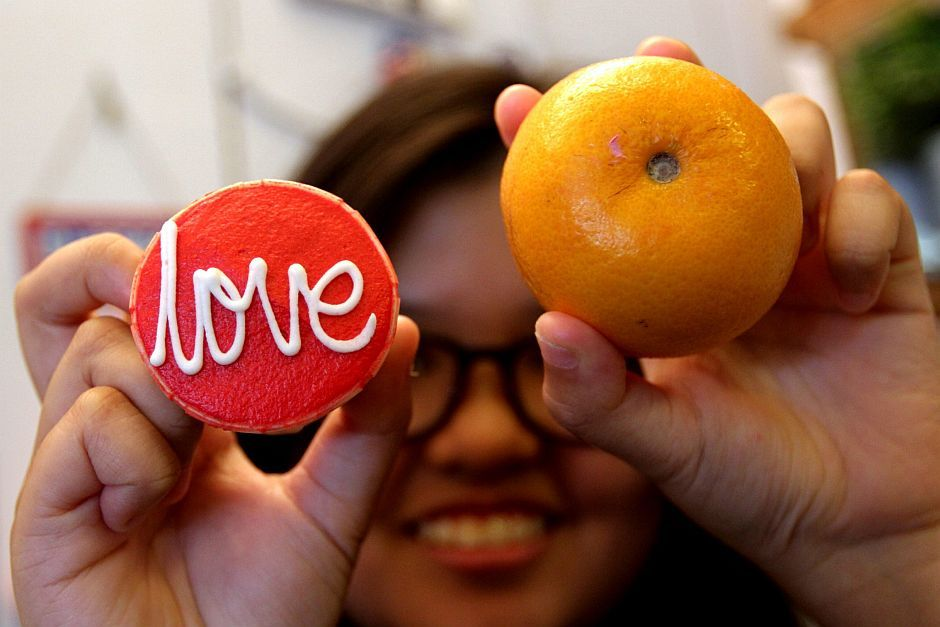
Chap Goh Mei is also known as an evening reserved for potential courtship and finding love, with a long-standing tradition that involves unmarried ladies throwing mandarin oranges into the sea in hopes of finding a good husband
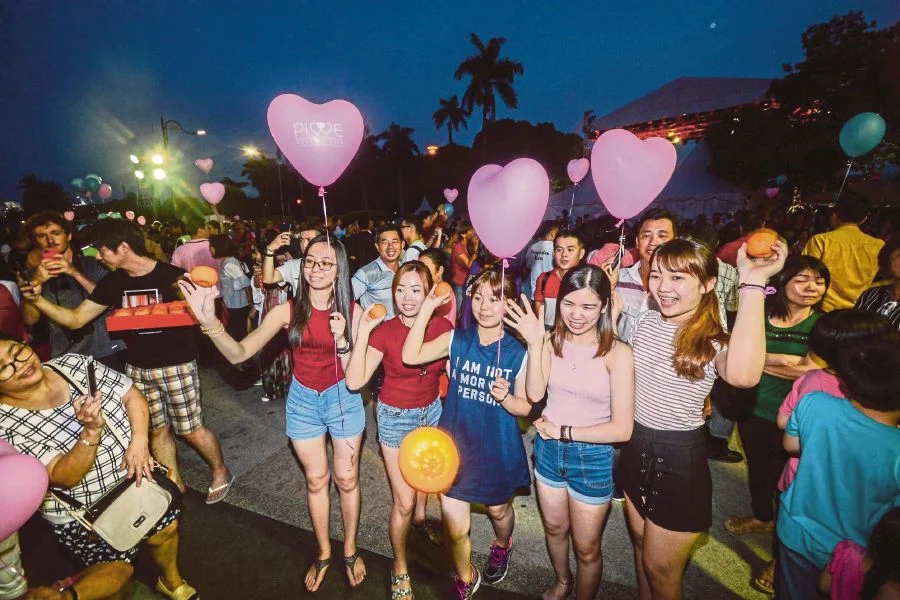
Back in the olden days, unmarried young ladies were typically not allowed to go out at night except for Chap Goh Mei. On that evening, they would dress in their finest and stroll down the streets accompanied by a chaperone. Of course, the young men would take the opportunity to catch a glimpse of the lovely maidens and maybe get to know them better.
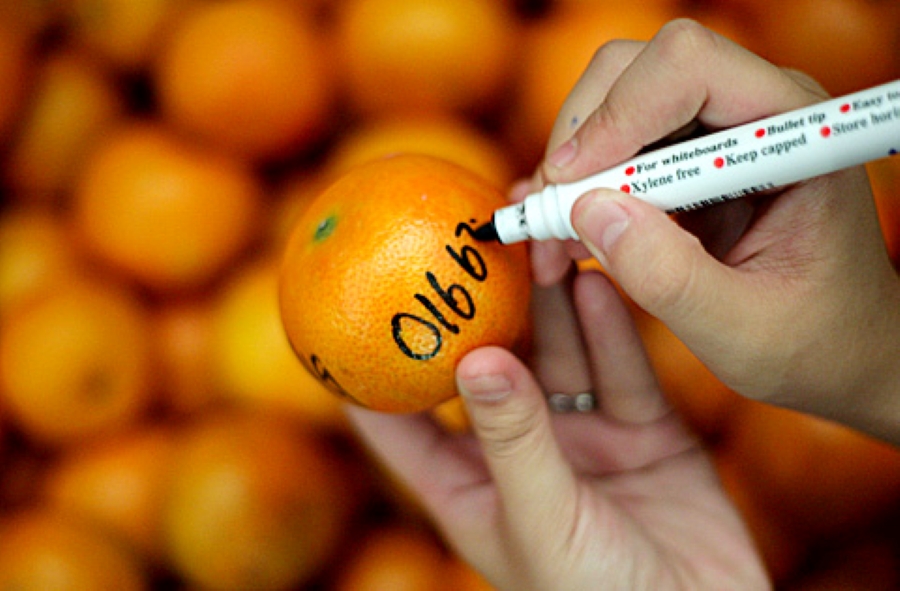
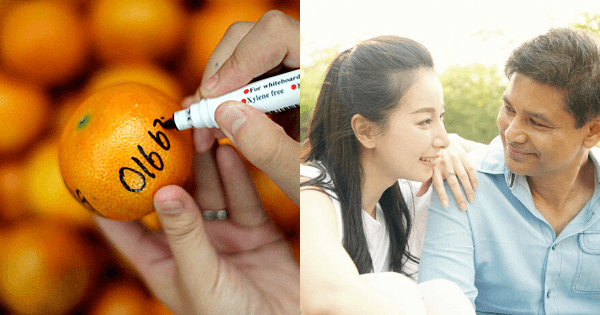
It's also on this night that the ladies would throw mandarin oranges engraved with their names and contact details like a phone number into a lake, river, or sea. Young men looking for wives would hop on boats and try to scoop up prized fruits thrown by the girl they admire.
This tradition is believed to have started by the Hokkiens in southern China during the 19th century and became increasingly popular in Penang and Klang Valley.
Today, the tradition is not only limited to unmarried singles. People of all ages also throw in symbolic items like apples, stones, and bananas with good wishes written on them.
Besides Chap Goh Mei, the Chinese also consider Qixi Festival, which is celebrated on the seventh day of the seventh month in the Chinese calendar – the Chinese equivalent of Valentine's Day
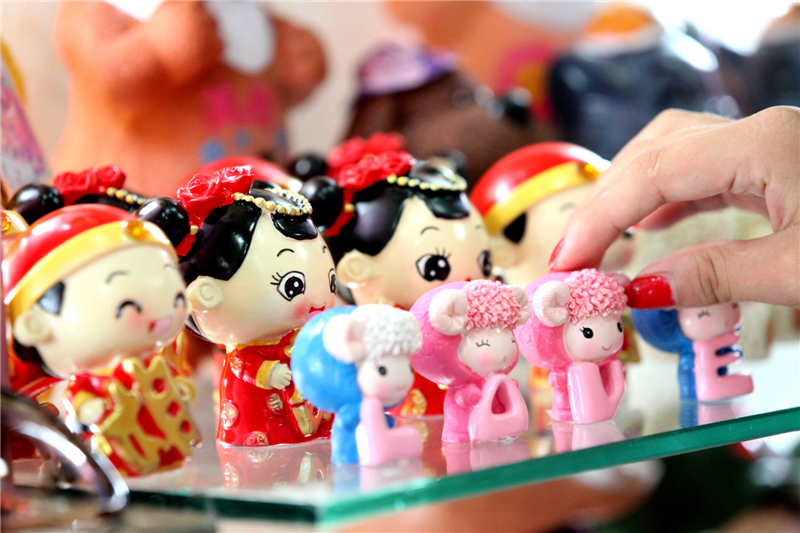
Qixi Festival (Chinese: 七夕節), also known as the Double Seventh Festival, has been celebrated in the past 2,000+ years since the Han Dynasty (206 BC – 220 AD) in honour of the annual meeting of the cowherd and weaver girl in Chinese mythology. The festival also inspired the Tanabata (Star Festival) in Japan and Chilseok in Korea.
While it is widely accepted to be a day dedicated to lovers, the festival's connection to the Western Valentine's Day is relatively new and is still debated by Chinese literature experts.
Qixi Festival originated from the well-known romantic legend Niulang Zhinü (Chinese: 牛郎织女)
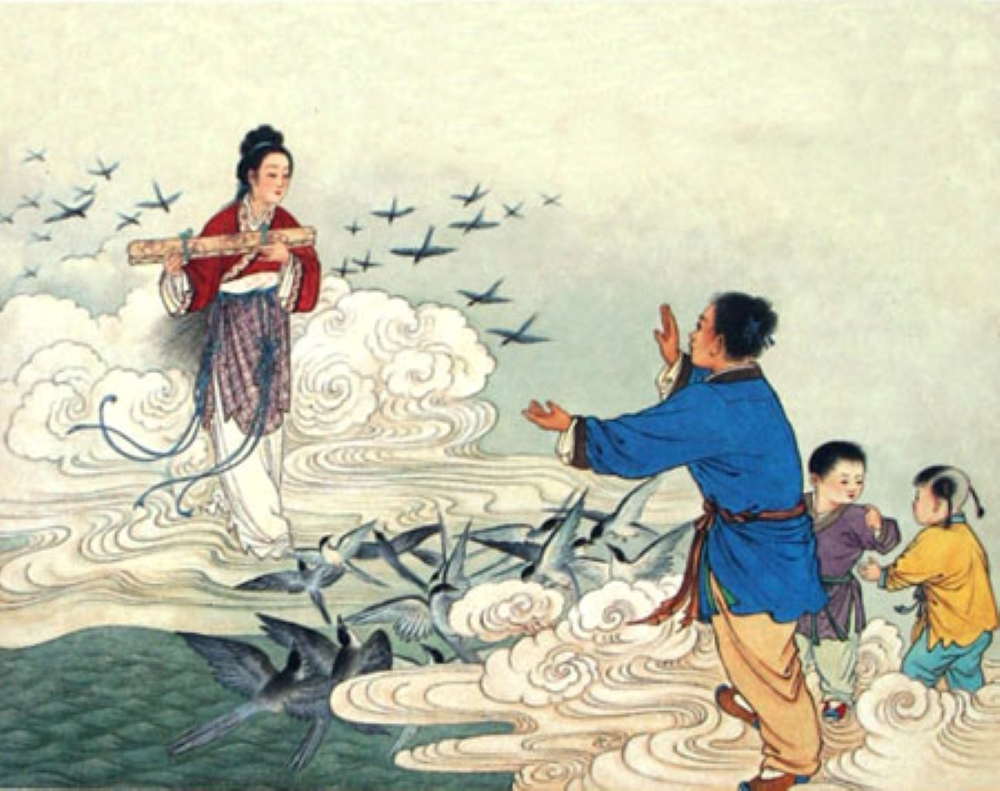
This refers to the cowherd and weaver maid respectively. There are several variations of the story, but the general tale goes like this:
Zhinü, the seventh daughter of a heavenly goddess who is responsible for weaving colourful clouds (hence the name "weaver girl"), decided to pay a visit to earth to ease her boredom. While on earth, she fell in love with the mortal Niulang (cowherd), whom she married without the knowledge of the goddess and both were soon blessed with two children.
Niulang's journey to heaven angered the Queen Mother even more. Using her hairpin, she scratched a wide river in the sky to separate the husband and wife forever, thus forming the Milky Way between the stars Altair (Niulang) and Vega (Zhinü).
But all hope is not lost. Moved by their love and devotion for each other, all the magpies in the world flew up to heaven to form a bridge over the river, uniting Zhinü with her husband and children. It's a bittersweet ending to their story though, as the bridge only materialises once every year, on the seventh day of the seventh lunar month.
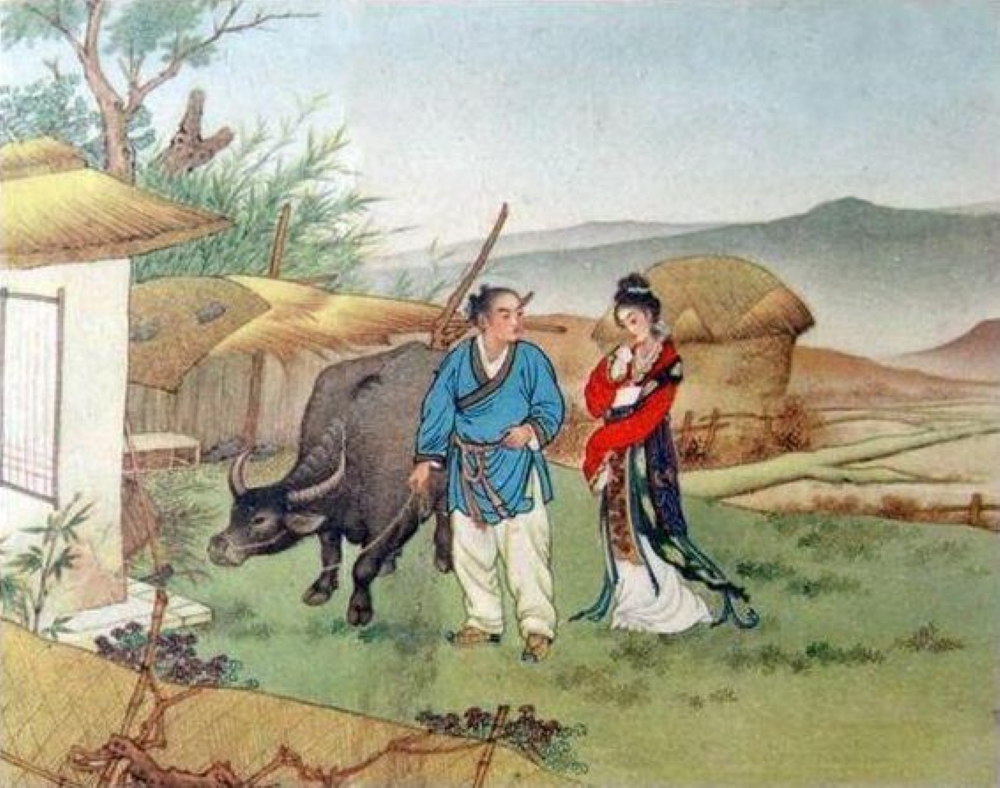
Domestic life seemed peachy for the small family… until the Queen Mother of the West (or in some versions, the Jade Emperor) found out that Zhinü had married a mere mortal. Furious, the Queen Mother ordered the weaver girl to return to heaven and resume her neglected responsibilities.
Meanwhile, in the human realm, Niulang was devastated that his wife had disappeared. Suddenly, his ox (a demoted cattle god) began to talk, telling him to kill it and put on its hide so he can go up to heaven to find his wife. Niulang reluctantly did so, and was soon on his way to heaven with his two children in tow.
Differing variations of the story are also popular in other parts of Asia, such as Thailand, Cambodia, Sri Lanka, Vietnam, Korea, and Japan.
Unlike Chap Goh Mei, the Qixi Festival is lesser known in Malaysia as it is primarily celebrated in China. Even so, its rituals and traditions are rarely observed today.
