


 Cover image via
Follow us on Instagram, TikTok, and WhatsApp for the latest stories and breaking news.
A break-in is one of the biggest fears for any homeowner, but what happens if it occurs in a supposedly secure condominium complex?
Who should be held responsible for your losses?
A recent Shah Alam High Court ruling sheds light on this, but the answer may not be what most residents would expect.
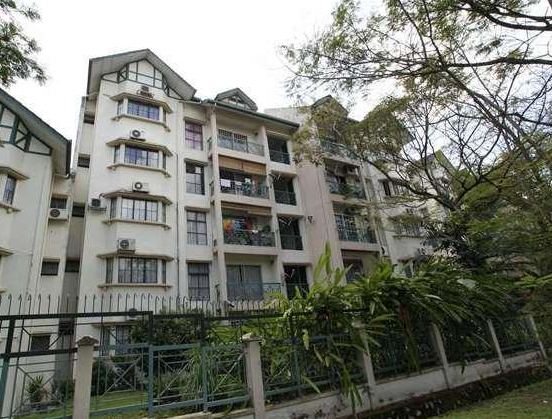
The ruling, dated 18 August, stemmed from a civil appeal by Asma Ahmad Shariff, who sued her condo's management corporation, Tiara Management Corporation, after her unit at Tiara Damansara Condominium in Petaling Jaya was burglarised on 14 November 2018.
She sought RM104,200 for stolen jewellery and valuables, an additional RM4,000 for door repairs, and other general damages.
Asma's lawyer, during submissions, posed a crucial question that reflected the resident's perspective:
"What is the point of residing in a condominium unit if there is no assurance of safety and security?"
While the High Court agreed that safety and security are "essential and vital" for residents, it ultimately ruled that the law does not hold condominium management liable for break-ins
In the judgment, the High Court acknowledged the human impact of the case, noting, "A break-in does not merely result in the loss of possessions. More often than not, it leaves behind an enduring sense of vulnerability and insecurity".
Judge Dr Choong Yeow Choy also noted that while living in a stratified condominium or gated community is generally safer, the Strata Management Act 2013 does not impose a statutory duty on a management corporation to establish or maintain security systems.
Accordingly, in its key legal finding against the woman, the court stated that "the provisions of section 59(1)(a) and (i) of the Strata Management Act 2013 do not impose a statutory duty on the management corporation to establish or maintain a system of safety and security".
The court clarified that while a management body has a duty to maintain common property, implementing a security system is not a mandatory legal requirement under this specific Act.
Instead, the court ruled that the security measures must be put in place through the "collective commitment and agreement" of the residents themselves, usually via specific by-laws.
The court also dismissed the doctrine of res ipsa loquitur (the thing speaks for itself), arguing that the break-in did not occur within the management's control.
The management corporation's legal team had a multi-pronged defence
While admitting to a general responsibility for security, the management argued that they had fulfilled this duty by hiring an independent security contractor, Golden Eagle Security Services Sdn Bhd.
They also pleaded contributory negligence, stating that the resident "failed to take any reasonable precautions to ensure the safety of her own unit".
The management further relied on the building's own rules, which stated that the "loss of or damage to a proprietor's property is at the proprietor's own risk".
So, what about the security company's liability?
The management corporation argued that any liability should rest with the security company.
However, the High Court's ruling focused solely on whether the management corporation had a statutory duty to provide security under the law.
Since the court concluded that the management corporation was not liable, it did not proceed to determine if the security company was at fault.
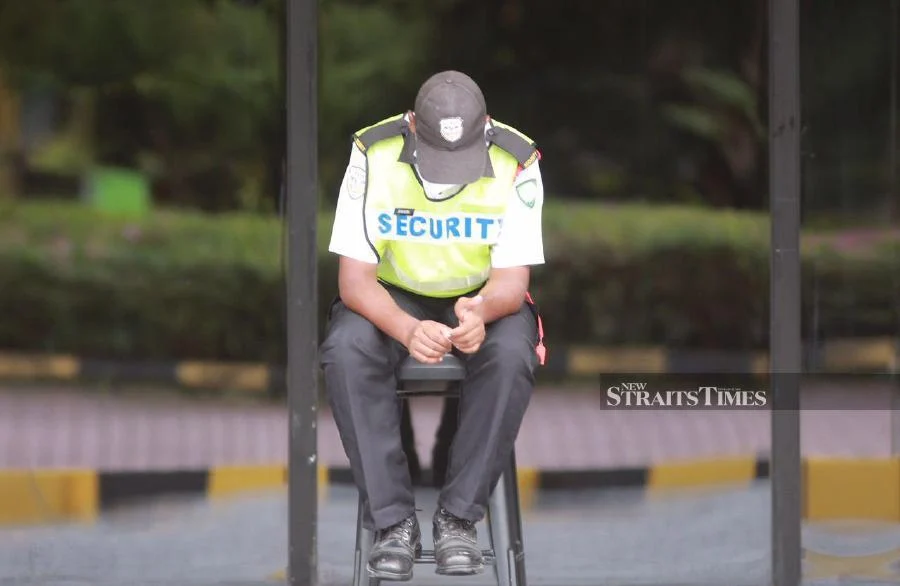
File photo used for illustration purposes only.
Image via Fathil Asri/New Straits TimesThe ruling sets an important precedent for all residents of stratified properties in Malaysia
It clarifies that a condo or apartment management body's liability for break-ins or theft is not an automatic statutory duty under the law.
Instead, their responsibility depends on the specific agreements, by-laws, and rules that exist within your own building.
This serves as a reminder for all residents to stay proactive: make sure your management has clear and established security by-laws, and that any security measures are properly enforced within your building's rules.
While the High Court did not explicitly state that the owner was "solely responsible", it effectively left the unit owner to bear the full cost of the break-in.
Ultimately, the High Court dismissed the woman's appeal and ordered her to pay RM10,000 in costs to the condo management.
