


 Cover image via
Follow us on Instagram, TikTok, and WhatsApp for the latest stories and breaking news.
If you've ever shopped online or at stores that support Buy Now, Pay Later (BNPL) options, you'll know how tempting it can be to splurge now and worry about the instalments afterwards
But what used to feel like "free credit" is now entering serious financial territory. In Malaysia, BNPL providers are now being integrated into the same ecosystem as banks and lenders under the new Consumer Credit Act 2025, which came into effect on 1 March 2026.
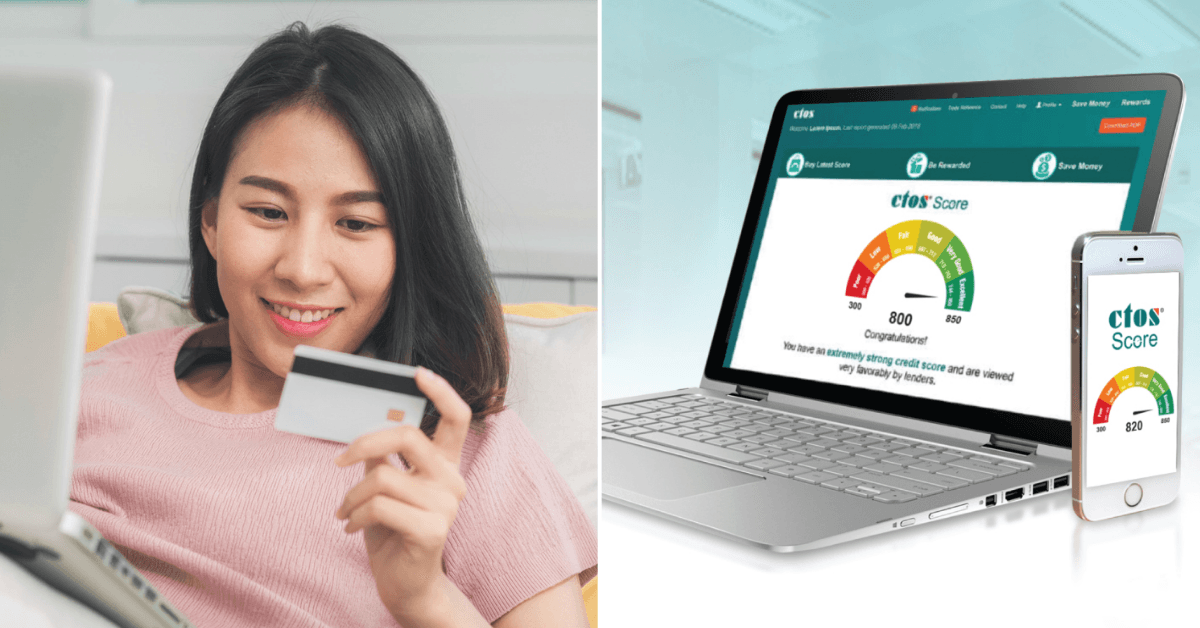
With platforms now reporting your repayment behaviour to systems like CCRIS and CTOS, your BNPL habits now have effects on your credit score.
Here's how the Consumer Credit Act 2025 is affecting the BNPL mechanism
Traditionally, credit cards and bank loans in Malaysia have always been reported to CCRIS and CTOS. BNPL providers, on the other hand, used to sit outside that system.
Following the Act's gazettement on 31 December 2025*, BNPL providers are now being brought under stricter oversight.
This includes:
- Being required to obtain a licence from the Consumer Credit Commission (CCC)
- Conducting affordability checks before approving instalments
- Reporting repayment behaviour to credit reporting agencies
- Disclosing fees and capping late charges more transparently
This essentially means BNPL is no longer treated as "soft credit". It's increasingly viewed as a formal financial commitment, similar to a personal loan or credit card.
Even if reporting isn't fully consistent across all providers yet, the direction is clear: BNPL is becoming part of your official financial track record.
*Full licensing and registration requirements will take effect from 1 June 2026.
Ultimately, the effects of your BNPL behaviour can go both ways
POSITIVE: If you treat your BNPL payment plan like a mini loan with fixed deadlines, you can help build your credit score.
This is especially useful for younger Malaysians who don't yet have credit cards or loans, as it creates a track record that lenders can evaluate.
NEGATIVE: Missed or late payments are increasingly being reported as arrears or overdue accounts, which when picked up by CCRIS or CTOS, can lower your credit score and raise red flags when you apply for bigger car or housing loans in the future.
This isn't something as trivial as forgetting to pay your Netflix subscription on time. The effects can impact you for years.
Because BNPL is so accessible, many Malaysians end up juggling multiple instalment plans across different platforms.
For context, BNPL loans in Malaysia stood at RM4.2 billion across seven million accounts in December 2025.

Each one may seem manageable on its own, but together, they can quietly add up to a significant monthly commitment. This is often referred to as the "debt-stacking" effect.
When you eventually apply for a loan, banks don't just look at individual payments. They assess your total debt obligations.
Key takeaway: Having multiple BNPL plans can increase your debt-service ratio and make you appear riskier, even if you've never missed a payment.
If you still want to use BNPL, there are a few practical habits that can help protect your credit score
Some approaches you can take:
- Budget for each instalment like it's a fixed monthly bill
- Avoid stacking too many BNPL plans at once
- Use BNPL for planned purchases, not impulse buys
- Regularly check your CCRIS and CTOS reports for any entries
Used responsibly, BNPL can help you build your credit profile. Used carelessly, it can quietly limit your financial options down the line.
