
“From The Plantation To Your Car” — Here Are 4 Things Malaysians Need To Know About Biodiesel
When it comes to biodiesel, Malaysia already has a secret weapon — palm oil.

Published For FGV Holdings Berhad - 04 May 2026, 10:15 AM


 Cover image via FGV Holdings Berhad
Follow us on Instagram, TikTok, and WhatsApp for the latest stories and breaking news.
From zero-waste products to greener fuel alternatives, the topic of sustainability has never been as relevant as it is today
While Malaysians still rely heavily on fossil fuels like petrol and diesel, new, more environment-friendly alternatives are emerging.
One such alternative is biodiesel, which works alongside regular diesel rather than replacing it entirely.
And when it comes to biodiesel, Malaysia has an advantage in the form of palm oil.
In case you didn't know, biodiesel is a renewable fuel processed from oils like palm oil, animal fats, or other recycled sources
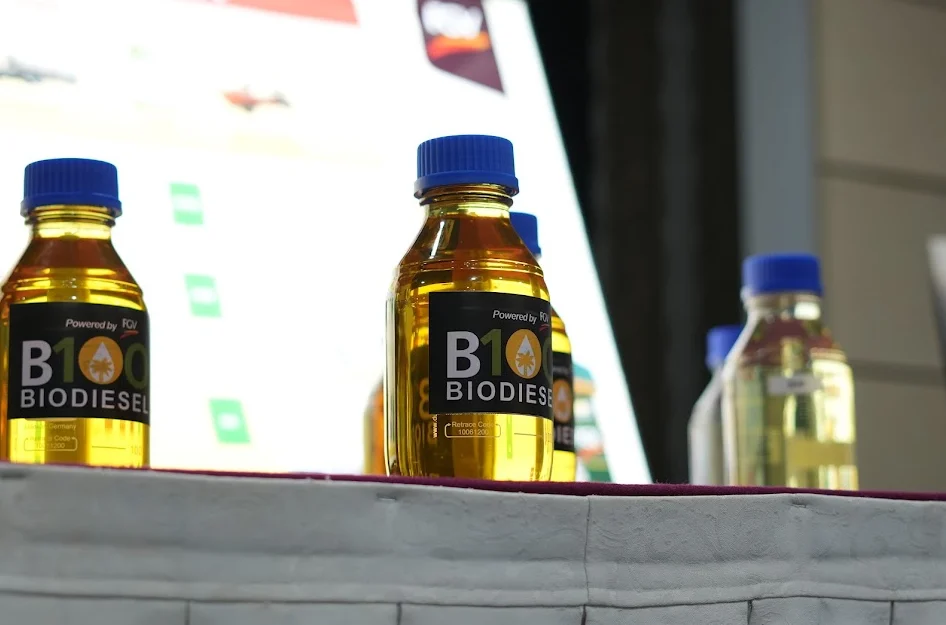
In Malaysia, B100 refers to pure biodiesel without petroleum diesel, while labels like B10 and B20 indicate blended fuels with varying biodiesel content.
The higher the number, the greater the proportion of biodiesel, all of which undergo controlled industrial processing to ensure engine compatibility and safety, which isn't as simple as pouring cooking oil into your tank.
Here are four facts about biodiesel that you should know about:
1. Biodiesel lowers carbon emissions
Biodiesel helps reduce carbon emissions, which makes it a cleaner option compared to conventional diesel.
However, it doesn't fully replace fossil fuels at this stage, instead functioning as part of a broader transition where existing infrastructure remain in use while cleaner alternatives are gradually scaled up.
2. It goes through a meticulous conversion journey
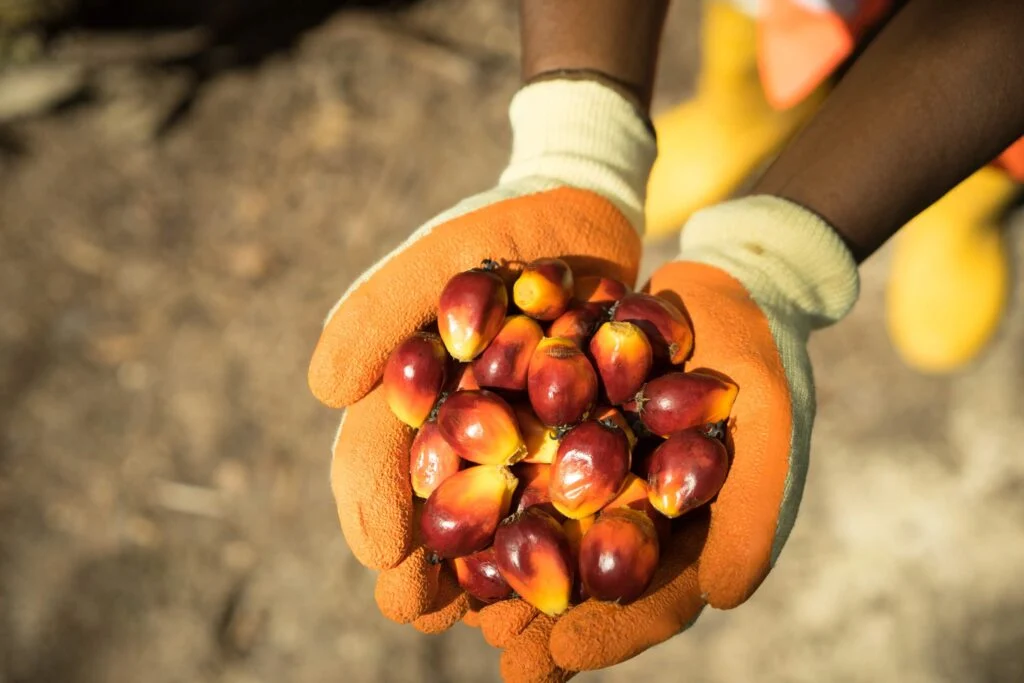
Palm oil does not move directly from plantation to vehicle, but instead undergoes a structured process.
Starting with sustainably harvested palm fruits, the material is refined through scientific methods into fuel-grade biodiesel, which has already been tested by FGV Holdings Berhad in real SUVs under Malaysian road conditions to reflect actual driving environments rather than controlled lab scenarios.
3. Most doubts about biodiesel stem from misconceptions
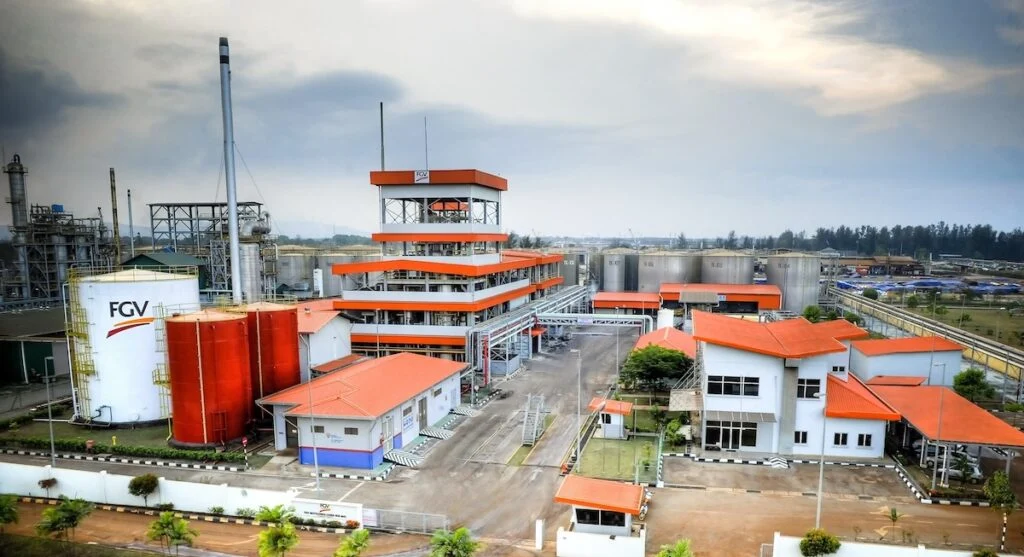
A common concern people often have is whether biodiesel can damage engines. In reality, biodiesel that is produced according to recognised standards is generally safe to use in compatible engines.
There is also a perception that biodiesel is unproven, despite extensive testing under daily driving conditions, as well as the assumption that it comes mainly from used cooking oil.
In Malaysia, biodiesel, including B100, is produced from processed and refined palm oil through regulated industrial processes. While used cooking oil that has been properly treated and processed may be utilised as an alternative feedstock for biodiesel production in some countries, it is not the primary source of biodiesel production in Malaysia.
4. Long-term testing shows that biodiesel is totally capable in the real world
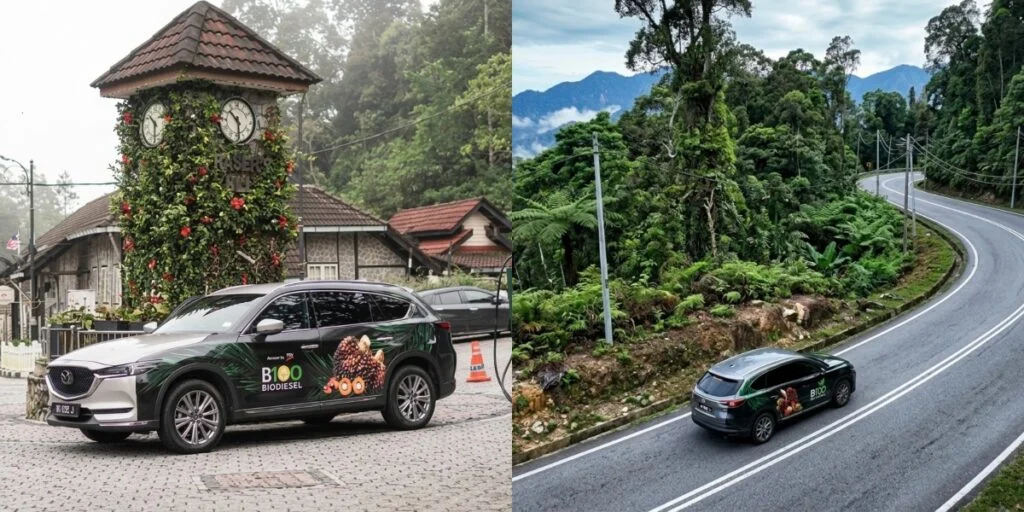
FGV Holdings Berhad (FGV) has already conducted long-term testing using B100 in an SUV under daily driving conditions.
After 15 months of testing and a total distance of 50,000 km, the results have been very encouraging. No engine issues were reported. This demonstrates that, from an operational perspective, this green technology is increasingly ready for wider adoption.
Moving forward, biodiesel will increasingly affect everyday systems —not just what you put in your car
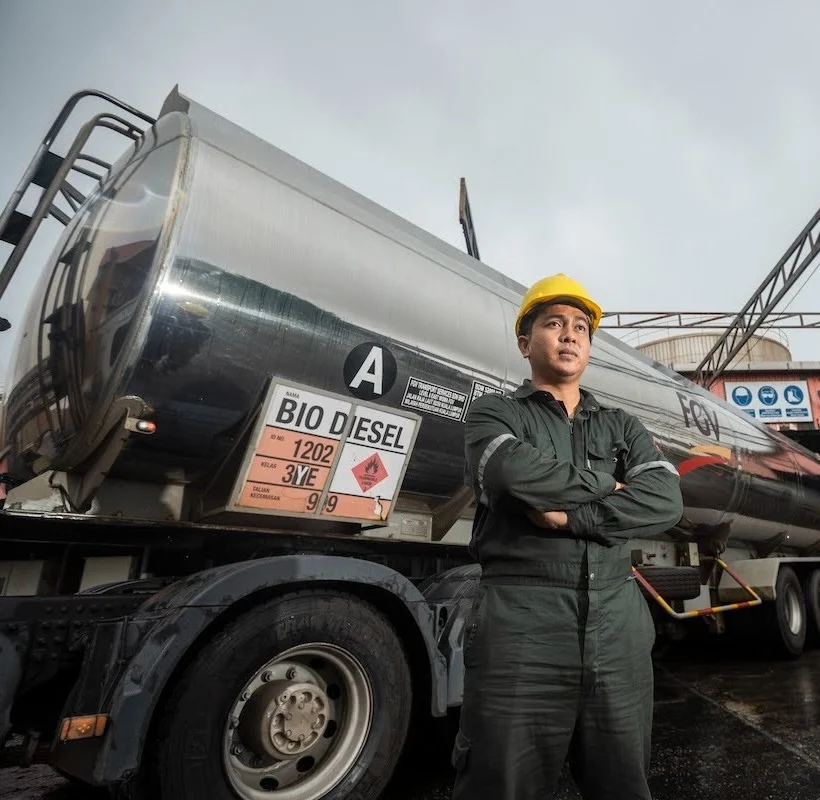
If you're thinking, "This is a technical or industrial thing that has little to do with me," think again!
Biodiesel is already tied to daily life more than you think — from the cars we drive to parcels arriving at our doorstep, right down to the way Malaysia's logistics industry operates.
More than just a short-term alternative, biodiesel is one of the realistic ways Malaysia can become sustainable when it comes to energy production, especially when it takes advantage of a resource we already have.
Real-world testing by FGV has already added useful data and experience to show what this fuel can actually do.
What happens next, though, depends on something bigger, including policy support and whether the wider system is ready to move with it.
