



 Cover image via Trym Nilsen / Unsplash
Follow us on Instagram, TikTok, and WhatsApp for the latest stories and breaking news.
Child abuse is one of the most difficult realities to face, yet it happens more often than many realise
Children are often too frightened, too ashamed, or too threatened to speak out. That's why knowing and recognising the early warning signs is important.
As an emergency physician, I have seen how timely detection and intervention can save children from suffering. Below are the key physical signs parents and caregivers should look out for.

Image used for illustration purposes only.
Image via Chad Stembridge / Unsplash1. Unexplained bruising or injuries
Bruises in unusual areas such as the back, thighs, upper arms, or behind the ears are not typical of normal childhood play. These areas are usually protected by clothing, so when bruising appears there, it can be a source of concern.
Distinct-shaped injuries, such as belt marks, handprints, or linear bruises, often indicate intentional harm rather than accidental falls.
Frequent "accidents" with poor explanations should never be brushed aside. If the story doesn't match the child's developmental stage — for example, if an infant who just started walking "falls off a bike" — it may be a red flag.
2. Burn marks
Cigarette burns appear as small, round lesions that heal slowly and are very painful. They rarely occur by accident.
Burns with clear outlines, such as from an iron or hot utensil, are suspicious because accidental burns usually have irregular shapes.
Immersion burns on hands or feet (sometimes called "glove" or "stocking" burns) happen when a child's limbs is forced into hot water. These are almost never accidental and must be taken seriously.
3. Fractures or broken bones
Multiple fractures in different stages of healing suggest repeated injuries over time, rather than a single accidental fall.
Injuries inconsistent with age or activity — for example, a toddler with a spiral leg fracture without a clear accident — should always prompt further evaluation.
4. Head injuries
Swelling or cuts on the scalp or face that don't have a clear explanation are concerning.
Unexplained dental injuries such as broken teeth may be the result of direct blows to the face.
5. Changes in physical health
Frequent clinic or emergency department visits with vague stories are a red flag, especially when explanations keep changing between caregivers.
Signs of neglect, such as a child who is malnourished, poorly groomed, or has delayed growth milestones, often accompany abuse.
Persistent pain or discomfort without a medical cause may also point to hidden trauma. Sometimes, children complain of "aches" that examinations cannot explain, and this may be their way of expressing distress.
The Emergency Department (ED) is often where abuse first comes to light
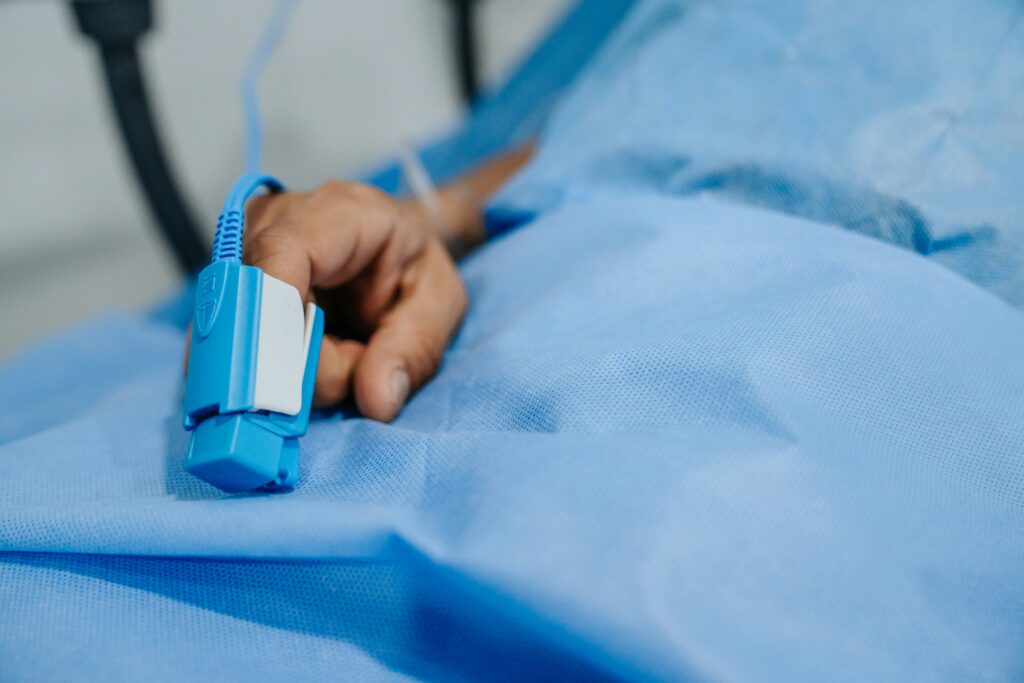
Image used for illustration purposes only.
Image via César Badilla Miranda / UnsplashWhen children are brought in with injuries, it's our responsibility as emergency doctors to look beyond the injuries.
When a child is repeatedly brought to the ED with injuries that don't match the history given, or when different caregivers provide conflicting explanations, this raises our suspicion.
Every bruise, burn, or fracture is carefully recorded, often with photographs. This documentation not only guides treatment but also becomes crucial evidence for investigations.
Emergency doctors do not work alone. Other specialties (for example Paediatrics, Surgery, or Obstetrics and Gynaecology), social workers, and even the police can be involved if abuse is suspected. This team-based approach ensures the child's safety during and beyond the ED visit.
The ED not only treats the physical injuries, but also thinks about the child's safety.
A child suspected of being abused will not simply be discharged without safeguards in place. For cases presenting to private hospitals, the child will be referred on to an appropriate government hospital after initial treatment is provided.
If you suspect a child is being abused, your response can make all the difference.
Here's what you should do:
- Stay calm and observe carefully: Don't jump to conclusions too quickly. Note the injuries, their locations, and any patterns. Write down what you see.
- Approach gently: Reassure the child that they are safe with you. Avoid pressing them for details, as this can cause further trauma or fear.
- Report immediately: In Malaysia, the helpline Talian Kasih 15999 operates 24/7 to provide assistance. Reporting is not interfering; it may save a child's life.
- Seek medical help: If there are injuries, bring the child to the Emergency Department. Doctors like myself and my colleagues are trained to recognise signs of abuse, provide care, and activate safeguarding procedures.
If you are in doubt, don't hesitate — bring the child in for assessment
It is better to be cautious than to risk further harm. Be observant for the signs mentioned earlier. Child safety is everybody's responsibility. Together, we can protect our children.
This story is a personal opinion of the writer and does not necessarily reflect the position of SAYS.
You, too, can submit a story as a SAYS reader by emailing us at [email protected].
Assoc. Prof (C) Dr Shahrul Nizam bin Ahmad Zamzali is a Consultant Emergency Physician at KPJ Ampang Puteri Specialist Hospital.
