


 Cover image via
Follow us on Instagram, TikTok, and WhatsApp for the latest stories and breaking news.
You're cruising along the Federal Highway, minding your own business, when suddenly a Myvi appears out of thin air, weaving through traffic like it's auditioning for a Fast & Furious spin-off
Your heart jumps, you slam on the brakes, and you spend the next five minutes questioning every life choice that led you to be on the road at 5.30pm.
Sometimes driving in Malaysia feels like a high-stakes survival game. Between the sudden tropical downpours that turn the roads into a lake and the motorbikes that seem to defy the laws of physics, staying safe requires more than just knowing how to use your signals (though please, for the love of everything, use them).
This is where defensive driving comes in.
But what is 'defensive driving'? Is it just driving slowly? Not quite.
Think of defensive driving as being a bit of a psychic. It's the art of anticipating potential hazards before they happen.
Instead of just reacting when someone cuts you off, you've already spotted that car that was merging over and decided to give them space instead of speeding up and closing the gap. You're essentially "guarding" yourself against the mistakes of others.
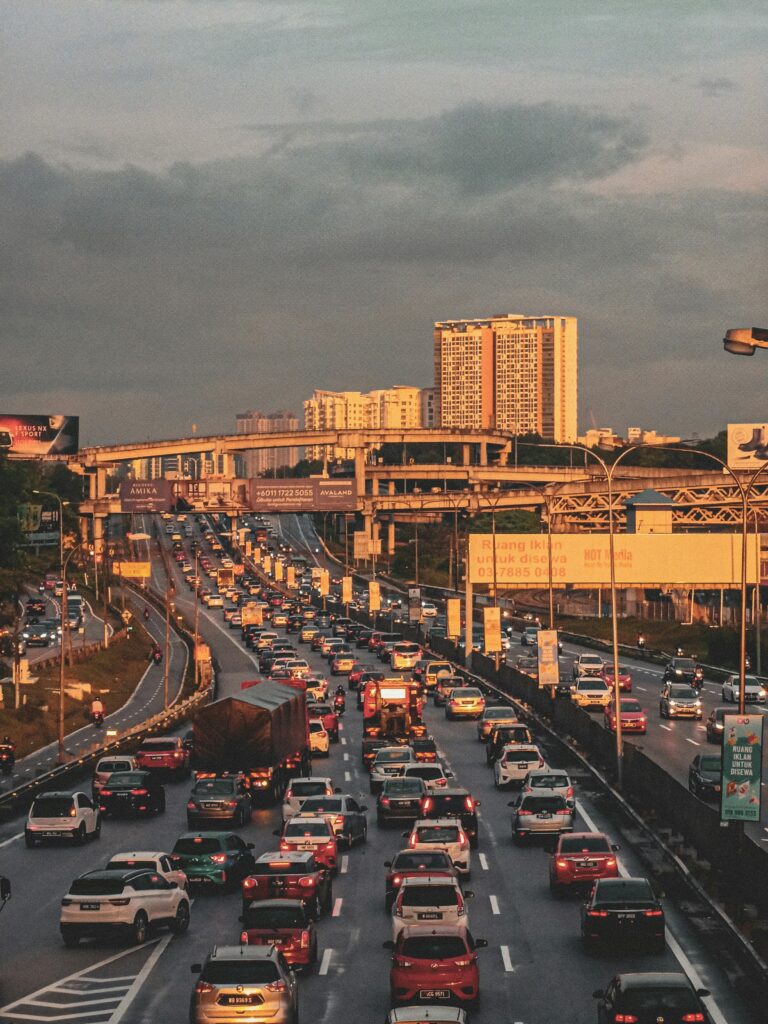
Image used for illustration purposes only.
Image via Bukhari Hussin/PexelsHere's the thing: most of us are taught to follow the rules of the road. We stop at red lights, and we stay in our lanes. But defensive driving assumes that everyone else is going to break those rules.
It's about being proactive. It's the difference between saying, "I had the right of way" while arguing with the other driver, and actually getting home in one piece peacefully.
People would always ask: "What is it with the massive gap in front of some cars? Are they just slow? Why won't they close the gap ahead?"
We Malaysians love to stick to the back of the car in front of us. Maybe we're afraid someone will jump into the gap? Let's be real — someone will jump into the gap. But let them.
Creating a "space cushion" is the bread and butter of defensive driving.
If you're too close to the person in front, you won't have time to react if they suddenly brake or avoid an obstacle.
A good rule of thumb is the three-second rule. Pick a lamp post or a tree, wait for the car in front to pass it, and count to three. If you pass it before you hit three, you're too close.
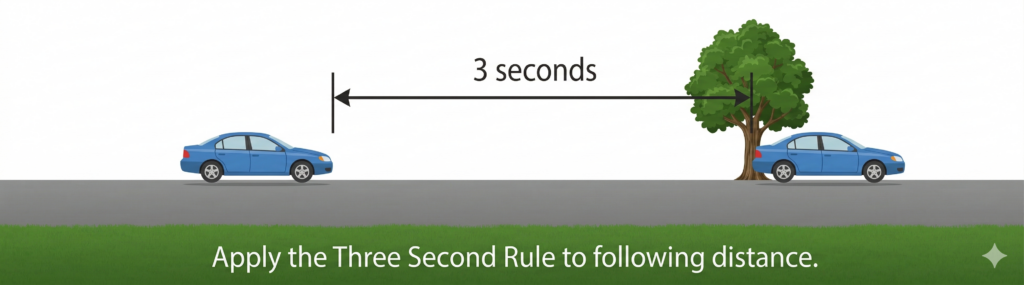
When it's raining — which, let's face it, is every other afternoon in KL — double that time. Your brakes aren't magical; they still adhere to the laws of physics.
The other issue is that most drivers only look at the car directly in front of them
Good and safe drivers look way ahead instead of the bumper right in front of them. Why? Because if you see brake lights flickering half a kilometre away, you can start lifting your foot off the accelerator and gradually slow down.
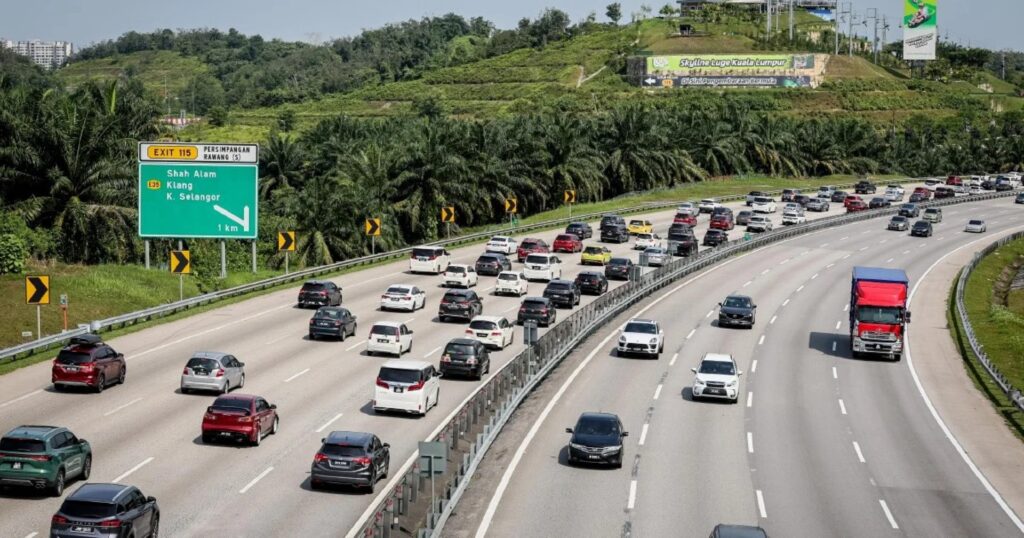
Image used for illustration purposes only.
Image via New Straits TimesIt's also about checking your mirrors constantly. You should know exactly who is in your blind spot at all times. It sounds exhausting, but after a while, it becomes muscle memory.
You start noticing the little things: the driver who is looking at their phone, the delivery rider zipping between lorries, or the pedestrian about to dash across the road.
You may be thinking, "Why should I practise defensive driving? I've never been in an accident before"
Let's look at the stats, even if they're a bit grim. Malaysia consistently has one of the highest road fatality rates in the region. We have amazing highways, but our "rempit" culture, general impatience, and sense of entitlement on the road create a spicy mix of danger.
Practising defensive driving isn't about being a "slow" driver. In fact, driving too slowly can sometimes be just as dangerous.
It's about being an aware driver. It saves you money on insurance, it saves your car from unnecessary dents, and most importantly, it keeps you and your family safe.
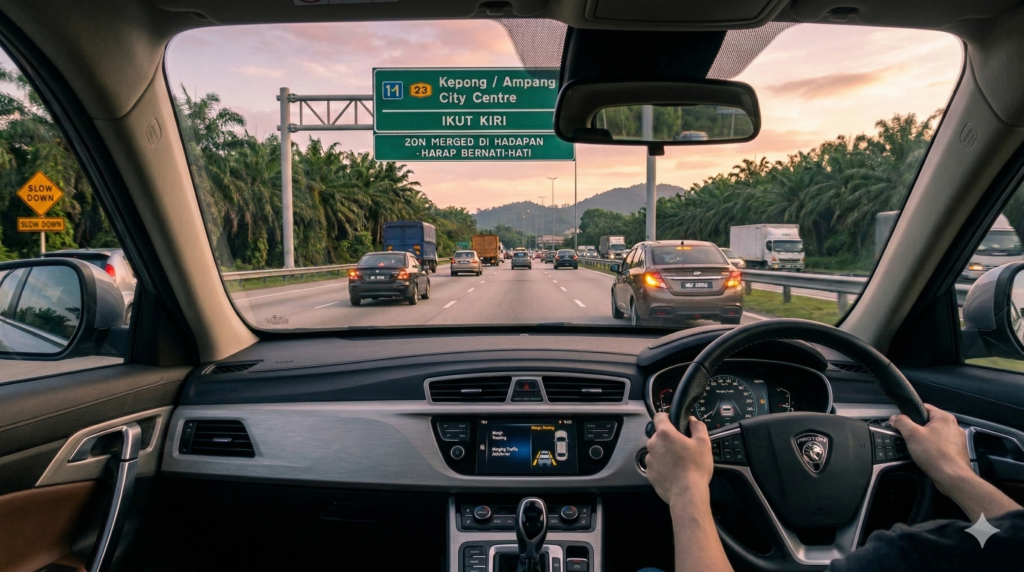
Image used for illustration purposes only.
Image via GeminiHere's a small digression: Have you noticed how much angrier we get behind the wheel?
Road rage is the enemy of defensive driving. When you're "geram" because someone didn't use their indicator, your focus shifts from safety to spite.
Part of defensive driving is managing your own emotions and ego. If someone is being a jerk on the road, let them go. Let them be a jerk far away from you.
It's not worth the spike in blood pressure or the potential accident. I always tell my friends — better to arrive 10 minutes late than not arrive at all because you wanted to "teach someone a lesson". Road rage is never worth it.
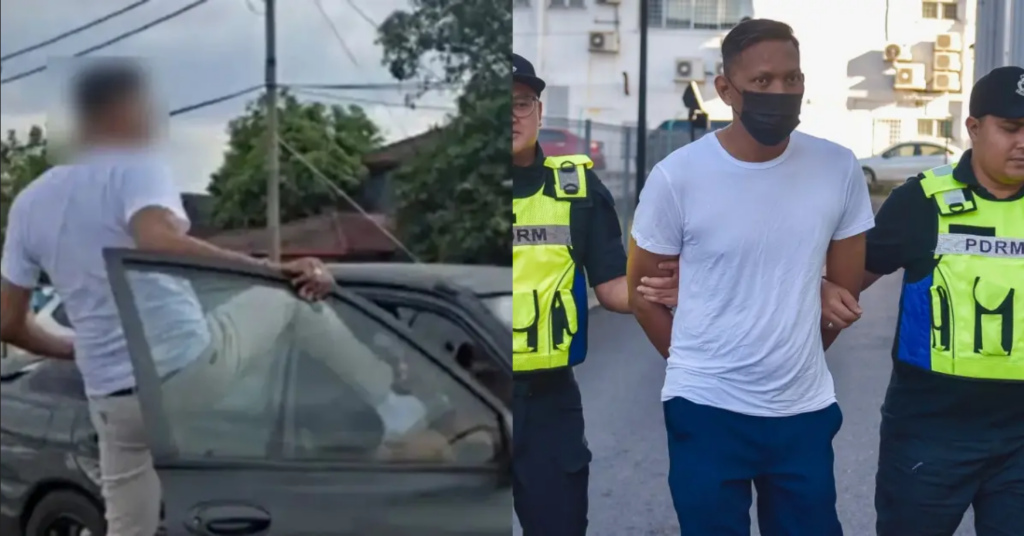
Road rage never ends up well for any of the parties involved.
Image via SAYSSo, is it time for a mindset shift?
At the end of the day, we can't control the potholes on the road or the guy who thinks the emergency lane is his personal bypass. We can only control how we handle our own vehicle.
The next time you're heading out to lepak or commuting to work, try to be a bit more "defensive".
Keep that distance, keep your eyes moving, and maybe give that guy who's weaving a little extra space. You'll find that driving becomes a lot less stressful when you stop expecting everyone else to be a good driver.
