



 Cover image via
 Miscarriage is a deeply personal and emotional experience that affects many women worldwide, including 15.9% of women in Malaysia of reproductive age between 15 to 49 years old
This traumatic event can profoundly impact not only the women who experience it but also their caregivers. While some recover relatively quickly, others may suffer prolonged grief and guilt, affecting their overall quality of life.
Understanding miscarriage is critical for women and their support networks, as it helps build the resilience needed to navigate the experience and offers hope for future pregnancies.

Miscarriage refers to the spontaneous loss of pregnancy before the foetus reaches viability, typically before 20-28 weeks
Most miscarriages (75-80%) occur within the first three months of pregnancy , and studies indicate that 1 in 4 to 5 pregnancies end in miscarriage, though the actual number may be higher due to unreported early losses.
Various factors contribute to miscarriage, including maternal age, with chromosomal abnormalities increasing the risk from 6.4% for women under 35 to 23.1% for women over 40.
1 in 100 women experience recurrent miscarriage, often without a known cause, but specialised care can increase the chances of a successful outcome to 75%.
Medical conditions like diabetes, thyroid disorders, polycystic ovary syndrome, and blood-clotting issues, as well as lifestyle factors such as smoking, recreational drug and alcohol abuse, and obesity, also increase the risk.
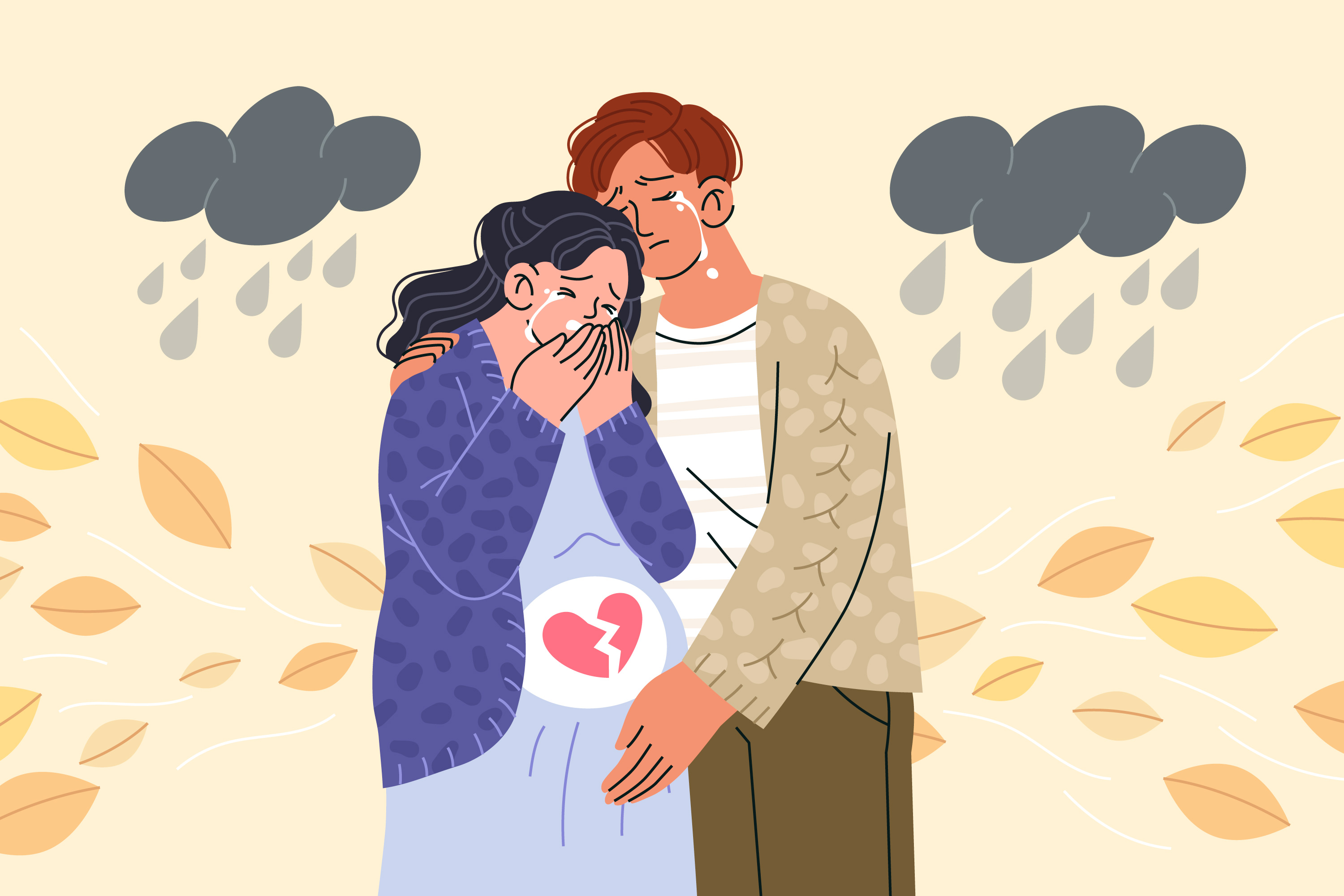
It is important to note that common misconceptions, such as exercise or sexual activity during pregnancy, do not cause miscarriage.
The primary symptoms of miscarriage include vaginal bleeding — which can range from light spotting to heavy bleeding — and cramping or severe pain. While bleeding may last for one to two weeks with the heaviest flow typically in the first two days, even mild spotting at any point in pregnancy requires immediate medical attention.
Diagnosis is typically confirmed through a clinical history, physical exam, and ultrasound, ensuring that appropriate care is given. Understanding these warning signs helps women and their families take proactive steps toward recovery.

Here's a look at the different types of miscarriage and treatment:
- Complete miscarriage: The pregnancy sac is fully expelled, showing an empty uterus.
- Incomplete miscarriage: Some pregnancy tissue remains in the uterus.
- Septic miscarriage: Retained tissue present in the uterus causing fever and smelly vaginal discharge.
- Missed miscarriage: The foetus stops developing (i.e. absent heartbeat or failure to grow) without symptoms.
If miscarriage tissue is expelled, it should be collected in a clean container for diagnosis. Women with a complete miscarriage typically do not require further treatment.
Other cases may involve:
- Expectant management: Allowing natural tissue expulsion.
- Medical management: Using medication to help expel tissue.
- Surgical treatment: Removal of retained tissue, particularly for septic miscarriage, often alongside antibiotics.
The physical impacts of miscarriage can include heavy bleeding, pain, infection, trauma to the reproductive organs, and the potential need for repeat surgery
Septic miscarriage may affect future fertility. Emotionally, women may experience guilt, shock, anger, and anxiety, with some facing depression, post-traumatic stress disorder, or suicidal thoughts, making emotional and mental health support crucial.
Follow-up care is important within two weeks to monitor both physical and emotional recovery. Ovulation usually resumes within two weeks, and menstruation returns in four to six weeks. It is advisable to wait until normal menstruation resumes before planning future pregnancies.
Support from partners, family, and friends is vital for healing, and employers should offer compassionate leave options and flexibility in taking time off for recovery and follow-up care.

Miscarriage leaves lasting emotional imprints
Women should feel empowered to share their experiences, knowing their grief is acknowledged and supported. With the right knowledge and support, both physical and emotional healing is possible, helping women move forward with resilience.
This aligns with the United Nations Sustainable Development Goal 3 of good health and wellbeing for all.

This story is a personal opinion of the writer and does not necessarily reflect the position of SAYS.
You too can submit a story as a SAYS reader by emailing us at [email protected].

