



 Cover image via Muhammad Faiz Zulkeflee / Unsplash
Every year on 31 May, the world observes 'World No Tobacco Day', an initiative by the World Health Organisation (WHO) to raise awareness about the dangers of tobacco and nicotine use
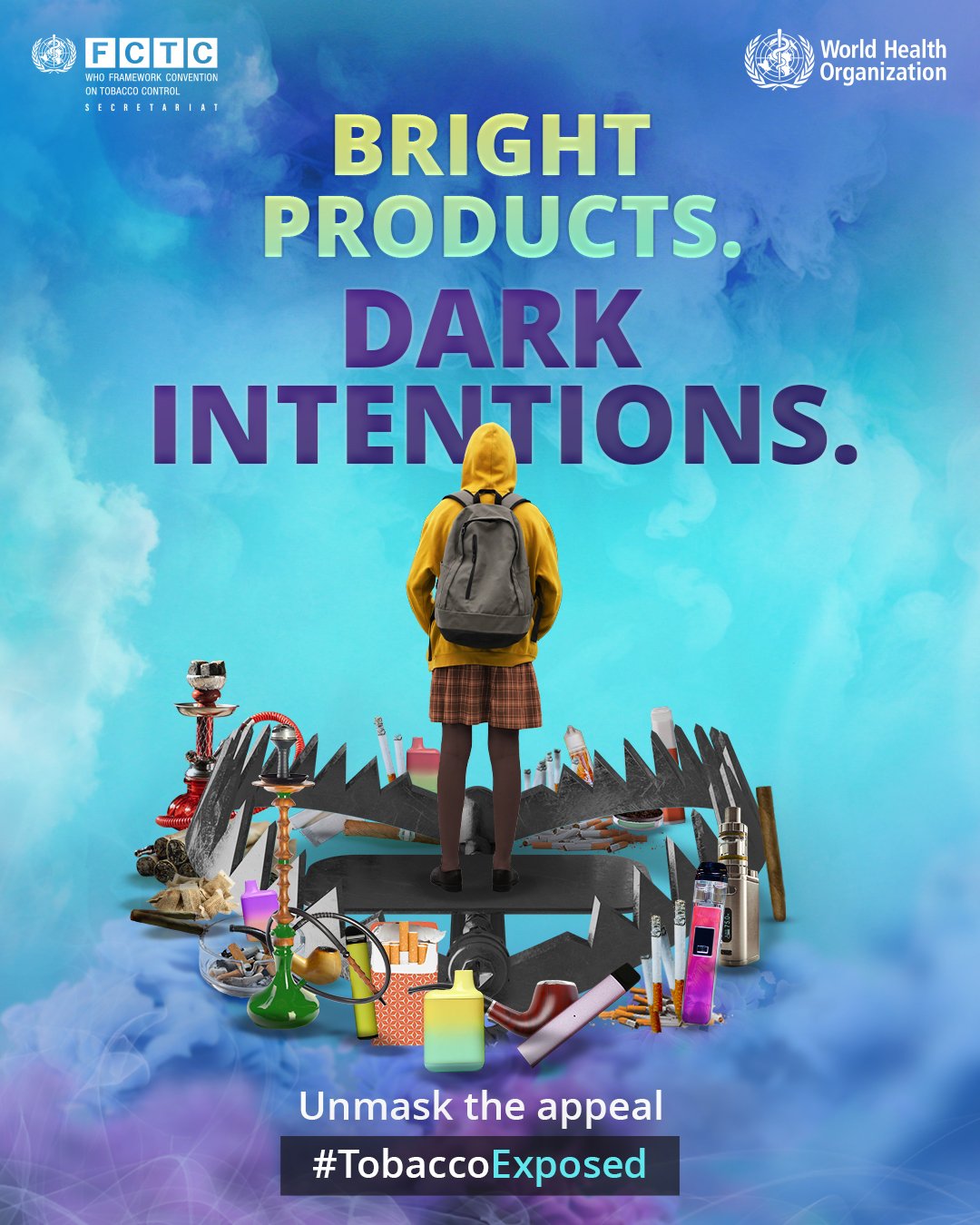
This year's theme, Unmasking the Appeal: Exposing Industry Tactics on Tobacco and Nicotine Products, is especially relevant as it reveals how the tobacco and nicotine industries target young people through manipulative marketing tactics to fuel addiction.
In Malaysia, e-cigarette use has soared
In 2011, only about 0.8% of the population vaped, roughly 262,000 people. By 2023, this number had surged to 5.8%, an estimated 1.4 million users.
Amongst teenage girls, the rise is particularly alarming. In 2017, 2.8% of girls, around 34,000, aged 13-17 vaped. By 2022, the percentage had more than doubled to 6.2%, which translated to over 64,000 girls. That is nearly four times higher than those who smoked traditional cigarettes, which stood at 1.7%.
This surge reflects a deeply concerning shift in how nicotine is reaching young Malaysians. What was once an adult-targeted cessation tool has now become a trendy, youth-driven product.
This rise is no accident — it is the result of aggressive, deliberate marketing campaigns that frame vaping as fashionable, harmless, and safe.

Vaping today is sleek, flavoured, and digitally glamorised
E-cigarettes in Malaysia are available in youth-friendly flavours such as bubble gum, candy, and mango, and are promoted through tech-inspired devices and influencer-driven content on platforms such as Instagram and TikTok, presenting vaping as a lifestyle accessory rather than a health risk.
These are not just marketing ploys; they are psychological tactics. Influencers flaunt their devices, perform vape tricks, review flavours, and reinforce the myth that vaping is harmless fun. This is how addiction begins, with curiosity, peer validation, and the illusion of control.
WHO warns that these tactics are not just misleading but predatory, designed to exploit teenage curiosity and peer pressure to hook a new generation on nicotine.
Many young people believe that they can quit vaping at any time. But research says otherwise.
Nicotine is highly addictive, especially to developing brains. It alters brain chemistry and affects memory and attention, as well as increases the risk of anxiety, depression, and future substance abuse.
Malaysia is already witnessing consequences, such as cases of seizures, breathing difficulties, and even death among youths linked to nicotine overdose or contamination in vape liquids.
In 2023, Malaysia made progress by passing the Control of Smoking Products for Public Health Act 2024, a significant step forward in regulating both traditional tobacco and electronic cigarettes
However, a key element was removed, the Generational End Game (GEG) clause, which would have banned the sale of nicotine products to anyone born after 2007.
GEG could have protected future generations from addiction. Its removal was a missed opportunity. Without firm enforcement, especially of online sales, age verification, and advertising bans, the law risks becoming ineffective.
WHO urges governments to ban youth-targeted flavours and to expose how the industry manipulates public perception for profit. Malaysia must take this seriously as we cannot let addiction define the health of our future generations.
Malaysia must enforce the Control of Smoking Products for Public Health Act 2024, ensuring that retailers, especially online sellers, strictly adhere to age verification, remove promotional content, and are held accountable for violations. The GEG policy must be reinstated to protect future generations from nicotine addiction.
Flavoured vape products, which are unnecessary for adult cessation and dangerously attractive to youth, must be banned.
Action is also needed to curb the spread of vape-related content on social media by collaborating with tech companies to limit exposure to minors and launch counter-campaigns to debunk myths and share real health risks.
Education is key. Teachers and parents should be taught to identify signs of vaping, communicate effectively with youths, and support quitting efforts. Schools should implement structured anti-vape programmes such as Kesihatan Oral Tanpa Amalan Merokok (KOTAK), to assist students in quitting smoking and vaping.
Finally, youth-centric cessation support must be prioritised, offering counselling and treatment without judgement.
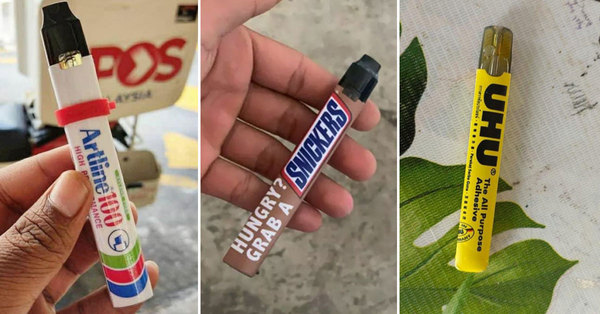
Just last year, parents and teachers were warned that stickers were being used to make vaping devices and electronic cigarettes look like stationery or candy bars.
Image via @health_malaysia (X)
World No Tobacco Day 2025 is more than symbolic; it is a wake-up call
Let us not be the generation that stayed silent while our youth were targeted. If we do not act now, we risk turning a generation's health over to an industry that profits from addiction.
This year, let us honour our youth, not just with awareness, but with action.
This story is a personal opinion of the writer and does not necessarily reflect the position of SAYS.
You too can submit a story as a SAYS reader by emailing us at [email protected].
Dr Wee Lei Hum is a Professor at the School of Medicine, Faculty of Health & Medical Sciences, Taylor's University.

