


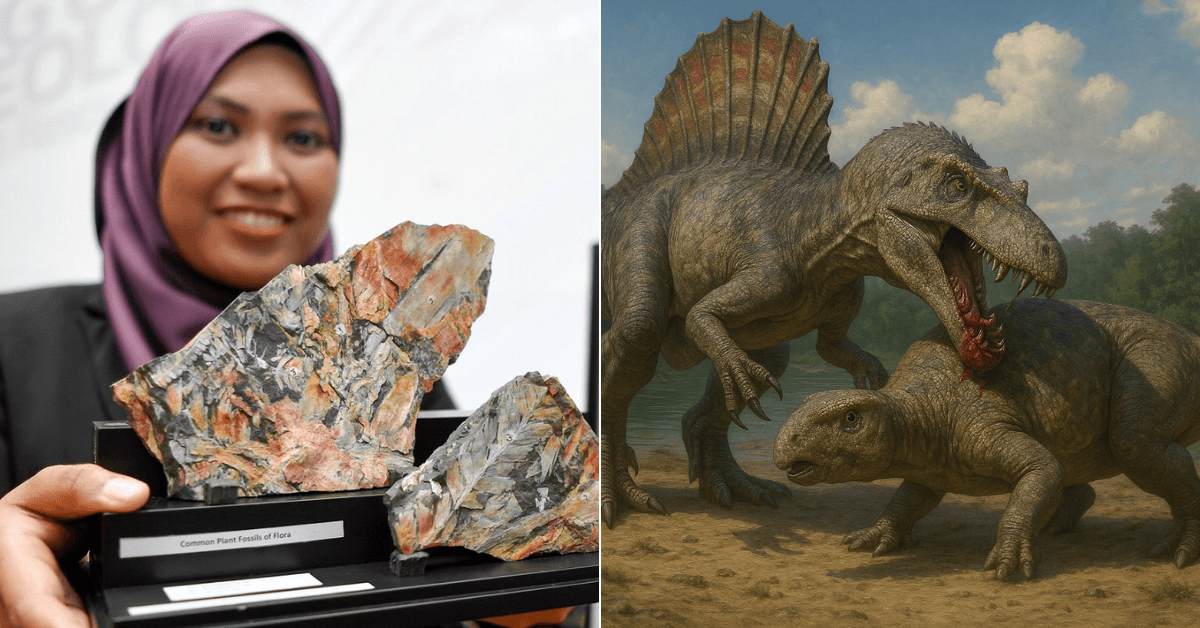
 Cover image via Bernama & ChatGPT
Follow us on Instagram, TikTok, and WhatsApp for the latest stories and breaking news.
As Jurassic World: Rebirth roars in theatres, Malaysians may ask the question: Do we have our own dinosaurs?
Try to think of the most famous dinosaurs you know. Chances are, many of them are native to what is now North America.
Tyrannosaurus, Triceratops, and Stegosaurus, and so on and so forth.
Is this because there were no dinosaurs in the land that would one day become Malaysia? Of course not. Dinosaurs lived everywhere in the world for hundreds of millions of years — according to BBC Earth, even in Antarctica!
Without further ado, here are the dinosaurs that have been found (so far) in Malaysia!
In Bera, Pahang, dinosaur fossil fragments were unearthed for the first time in Malaysia in 2014
Excavated by a team of Malaysian and Japanese researchers, they found tooth fragments that were unveiled to the public by the University of Malaya.
Measuring 23mm long, it was believed that the tooth belonged to a spinosaurid — a long-snouted, fish-eating dinosaur that belongs in the same family as the much more famous African genus, Spinosaurus.
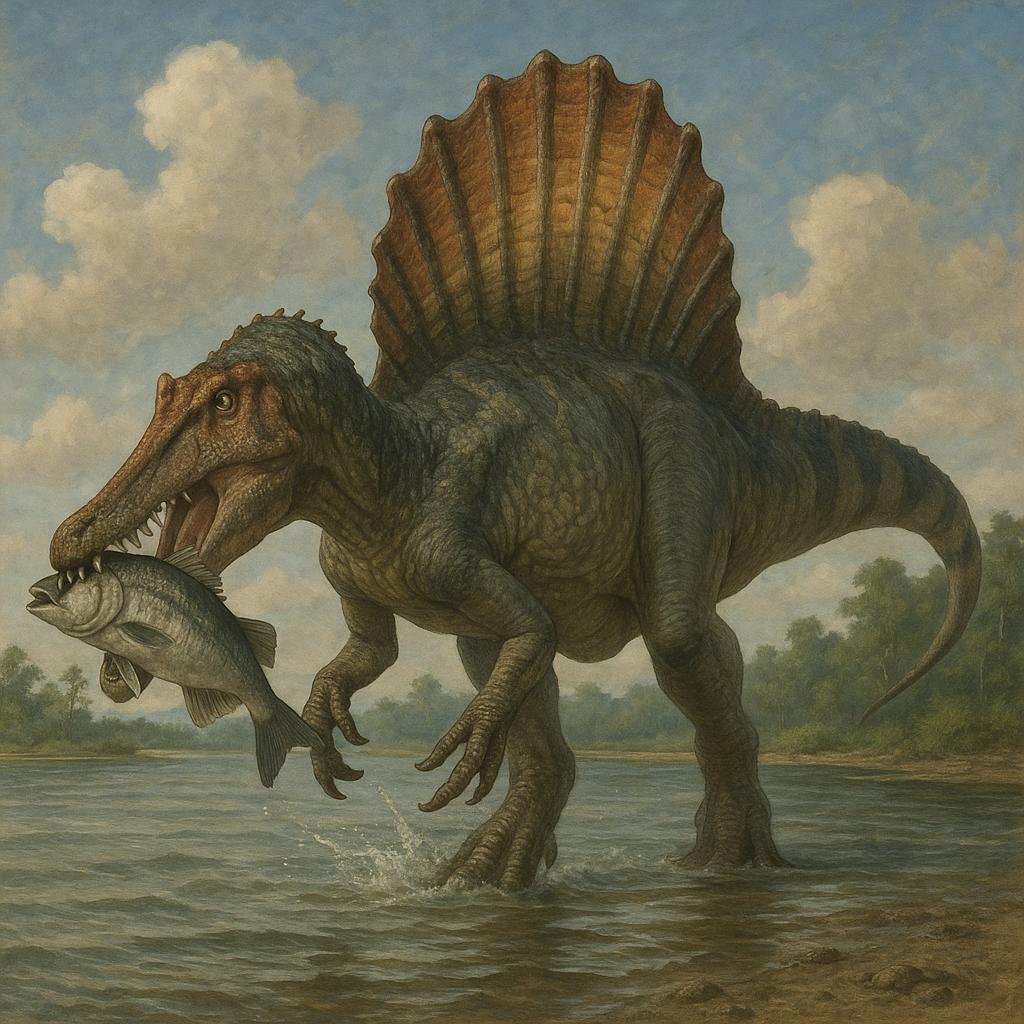
Spinosaurus. Image generated for illustration purposes only
Image via ChatGPTThese first-ever fossils are estimated to be 75 million years old, dating back to the Late Cretaceous period.
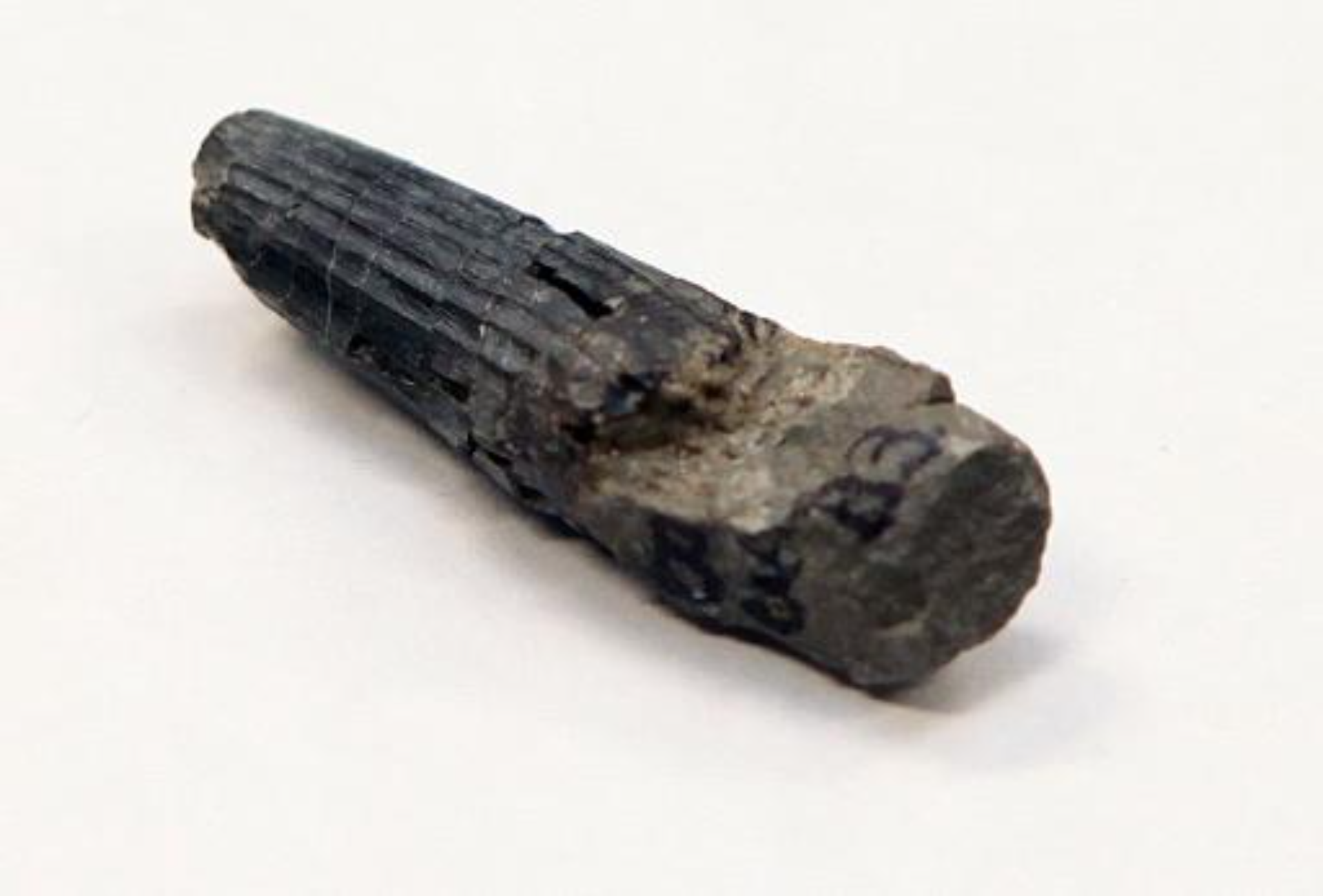
The fossilised tooth uncovered by the team.
Image via phys.org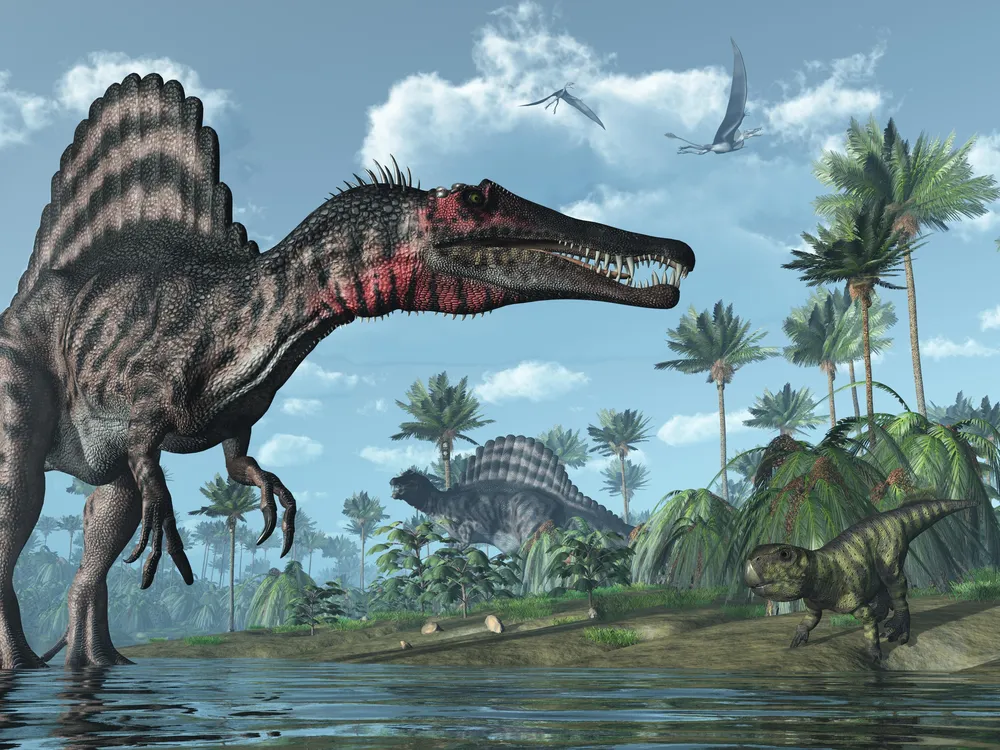
Spinosaurus. Image for illustration purposes only.
Image via Smithsonian MagazineFollowing this discovery, more fossils were unearthed in the area, believed to belong to an ornithischian dinosaur
An ornithischian is not one specific species but rather a mega-family, consisting of almost all known herbivorous dinosaurs.
Familiar species like Triceratops, Ankylosaurus, and Stegosaurus are all ornithischians — meaning 'bird-hipped' — who are so named because their hip bones resemble those of modern-day birds.
And elsewhere in the country, footprints and fragmentary teeth have also been found
In November 2014, the Malay Mail reported on the discovery of fossils unearthed by a 17-man expedition at Mount Gagau, Hulu Terengganu.
Among them were teeth measuring up to 1.5cm in length, and fossilised footprints believed to have come from an Iguanodon, plus two more different footprints from sauropod (gigantic, long-necked dinosaurs like Brachiosaurus) and theropod (meat-eating) dinosaurs.
It is worth noting that Iguanodon is considered a 'wastebasket taxon' — a classification that includes species that have been misidentified — but the discovery remains an exciting find regardless.
Further bones found in a rock have yet to be identified.
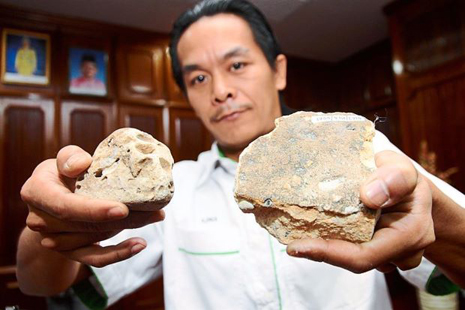
Geoscience assistant Mohd Azrul Aziz, holding rocks that may contain fossil material.
Image via Everything Dinosaur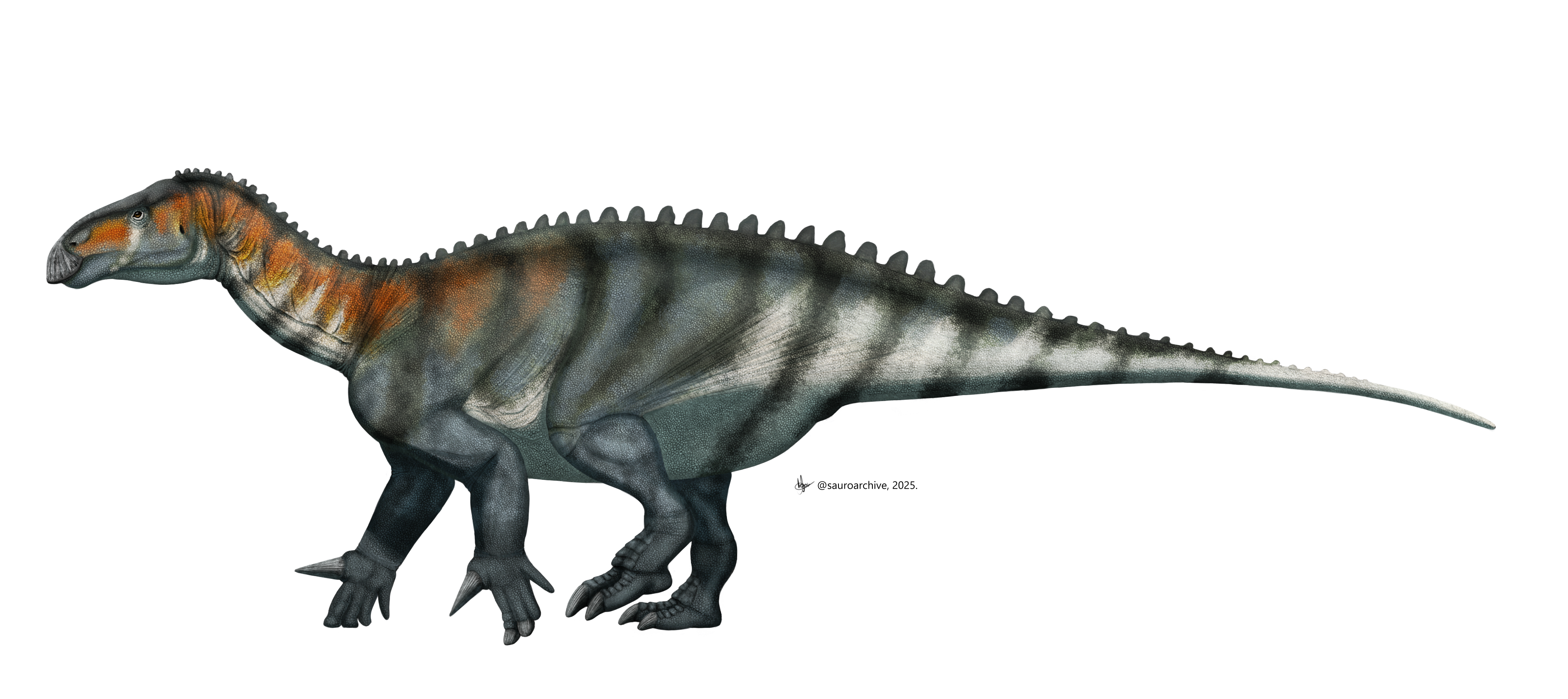
Iguanodon. Image used for illustration purposes only.
Image via sauroarchive via Wikimedia CommonsResearchers often do not disclose the exact fossil site locations, such as the one in Pahang, due to the rarity and value of Malaysia's fossils. There is a real concern about fossil theft for the black market, a problem that has existed since palaeontology became an established scientific field.
While these may seem like minor discoveries, they are significant for several reasons
First of all, because we have our own Malaysian dinosaurs?!
On a more serious note, these fossils are scientifically significant because they help fill a geographic gap in the fossil record of Asia. They also expand our understanding of dinosaur biodiversity and distribution during that time period, particularly in equatorial regions.
These findings also highlight the potential for further large deposits of dinosaur fossils to be discovered in Malaysia, beneath Jurassic-Cretaceous sedimentary rock.
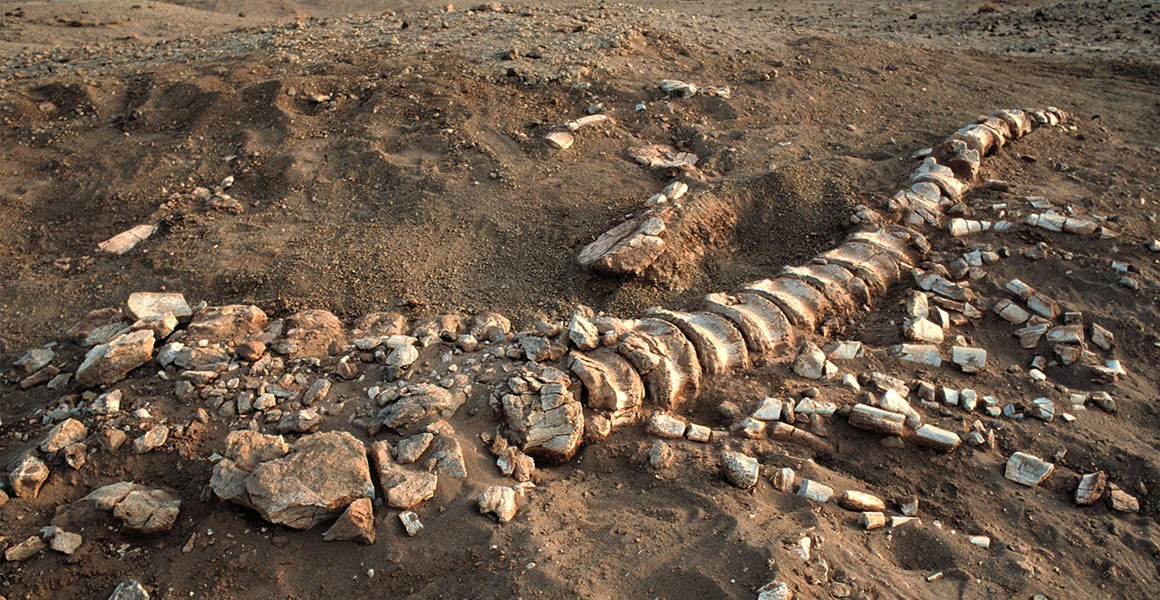
A sauropod dinosaur tail found in the Sahara Desert, in Niger.
Image via Natural History MuseumBut why are fossils rare in Malaysia?
The answer lies in our geology and the specific conditions required for fossilisation. Essentially, it comes down to three main factors: climate, erosion, and vegetation.
Still following? Let's dive in!
- Tropical climates are a poor environment for animals to fossilise in. According to palaeontologists, high temperatures, moisture, and bone-dissolving acidic soil cause animal remains to decay faster, reducing the chances of fossilisation occurring.
- Malaysia experiences high soil erosion during periods of intense rainfall, such as monsoon seasons. Soil, sediment, and potential fossils thus end up being washed away before they can be preserved.
- Malaysia's dense rainforest vegetation means that rich fossil sites may be hidden in hard-to-reach areas — being buried under tropical rainforests, and far away from roads.
This also explains why fossils tend to be found in much greater numbers in arid, dry desert regions, like the deserts of North America or Mongolia's Gobi Desert.
Additionally, there are few local palaeontologists, and support is lacking
These expeditions, by and large, are conducted in collaboration with international teams.
While science is a collaborative field, palaeontology isn't given the support it needs to flourish here compared to other countries such as China, which boasts a thriving fossil programme that has discovered and catalogued countless remarkable species.
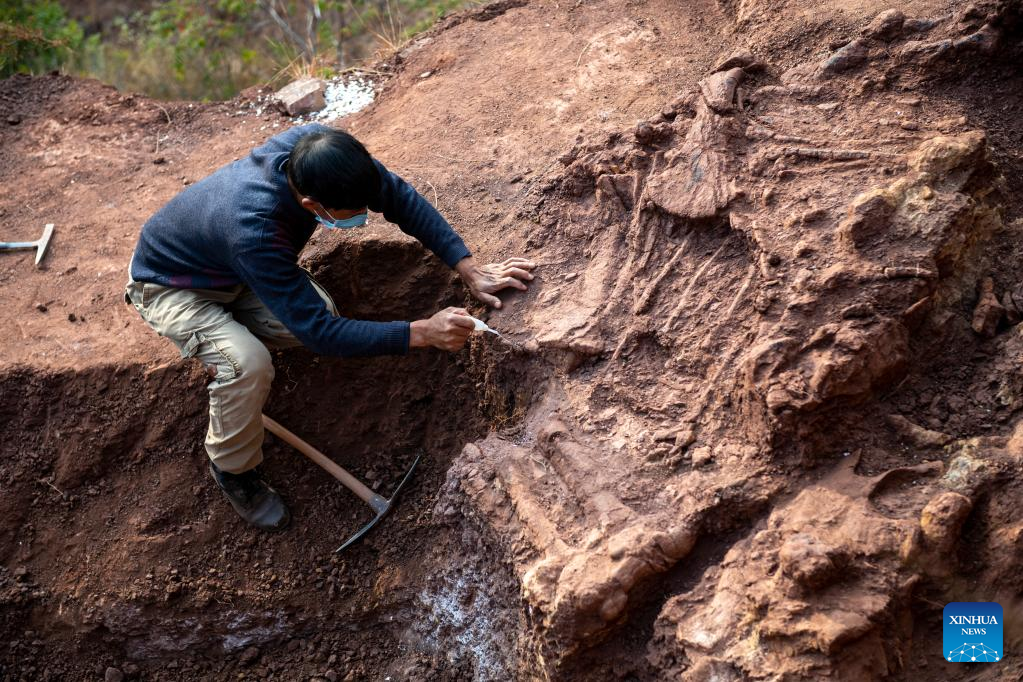
Image used for illustration purposes only
Image via Chinese Academy of SciencesFunding and awareness are thus limited, and more support is needed to develop infrastructure to support local palaeontology such as museums, research labs, and most importantly — educational facilities to inspire the next generation of potential Malaysian dinosaur experts.
So what does the future look like for Malaysia's dinosaur fossils?
There is hope. Research on the excavated dinosaurs is ongoing. They have not been named yet because they need to be properly described first, a process that can be lengthy when working with fragmentary remains.
The Malaysian government and local universities have expressed interest in further development, too. The Department of Minerals and Geoscience Malaysia (JMG) has supported excavation work, and there are ongoing discussions about creating protected fossil sites and establishing a museum in Pahang.
And in a Malay Mail article, Universiti Malaysia Terengganu (UMT) announced it will be spearheading more expeditions to find more fossils in the state.
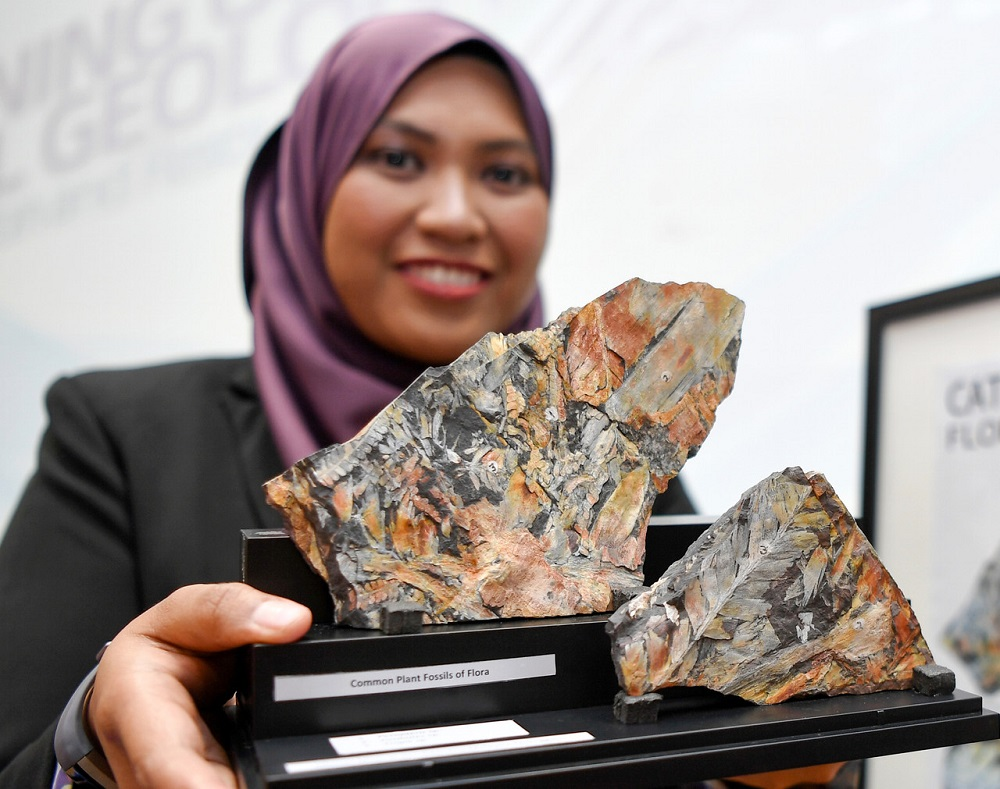
Plant fossil from Universiti Malaysia Terengganu. Image used for illustration purposes only.
Image via BernamaSo, who knows? Perhaps one day, we will see a Malaysian dinosaur species in a future Jurassic World movie!
