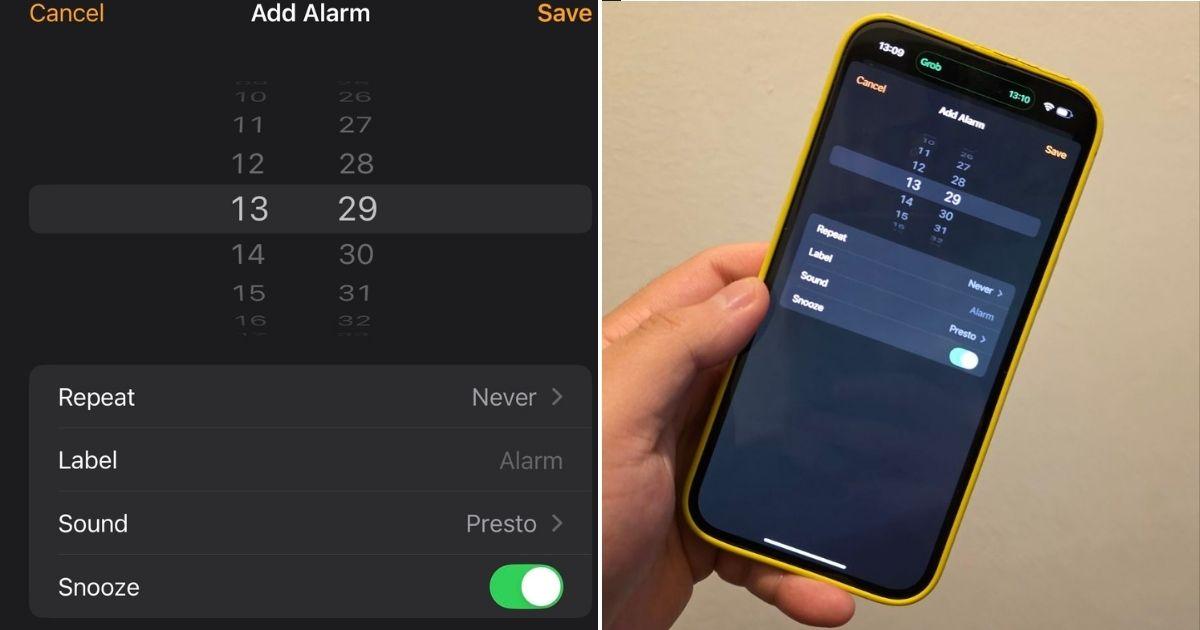
 Cover image via Syazwan Bahri/SAYS
Follow us on Instagram, TikTok, and WhatsApp for the latest stories and breaking news.
The iOS Alarm app has been hiding this one 'quirk' for the past 15 years, and it was only discovered recently
If you own an iPhone, you are probably familiar with the system's alarm clock user interface. For those who don't use an iPhone, the app features an infinitely scrolling wheel, to set your desired wake-up time.
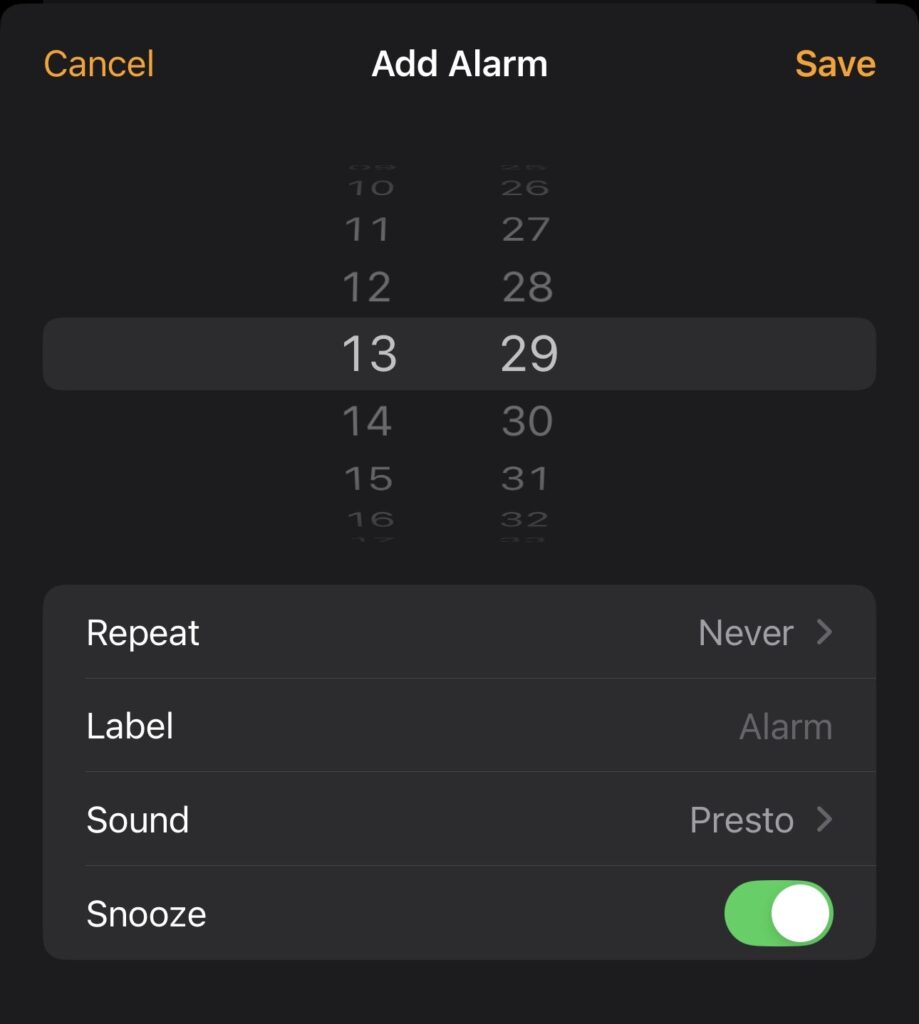
The interface looks sleek, clean, and intuitive, making choosing your wake-up time an elegant process.
However, it isn't as simple as it seems.
It was discovered recently that the 'endlessly scrolling' interface was an illusion
A user on X highlighted that, if you have the patience to scroll long enough, you will eventually reach the end of the list. Yes, the so-called infinite scroller apparently has a limit..
Check out the discovery below:
A developer familiar with such systems explained how the selector works
The clock picker's endless scroll is actually a clever illusion. Rather than generating a full twelve-hour cycle, the interface reuses just a handful of elements — or "cells"— only seven in this case.
The trick works like this: as you scroll, when an hour goes off-screen, the system quickly grabs that now-spare cell, moves it to the other side, and changes the number it displays.
The illusion of an infinite list continues until you hit a pre-set limit, for example, a list of 10,000 items. Once you reach that hard limit, the "magic" breaks, and you realise the impressive 3D spinner is really just a handful of text boxes being used over and over again.
This efficient technique, known as a TableView, has been a staple of mobile interfaces since the first iPhone.
The reason for this clever trick traces back to the original iPhone, which simply couldn't handle rendering dozens or hundreds of items in a single list without bogging down the hardware.
Instead of creating a new item for every entry, developers worked out a way to very quickly reuse a small number of "cells" over and over again.
This technique was so effective that it has since become the go-to standard for creating any scrollable list on an iPhone, regardless of how powerful the hardware has become.
Understandably, the Internet lost its mind