


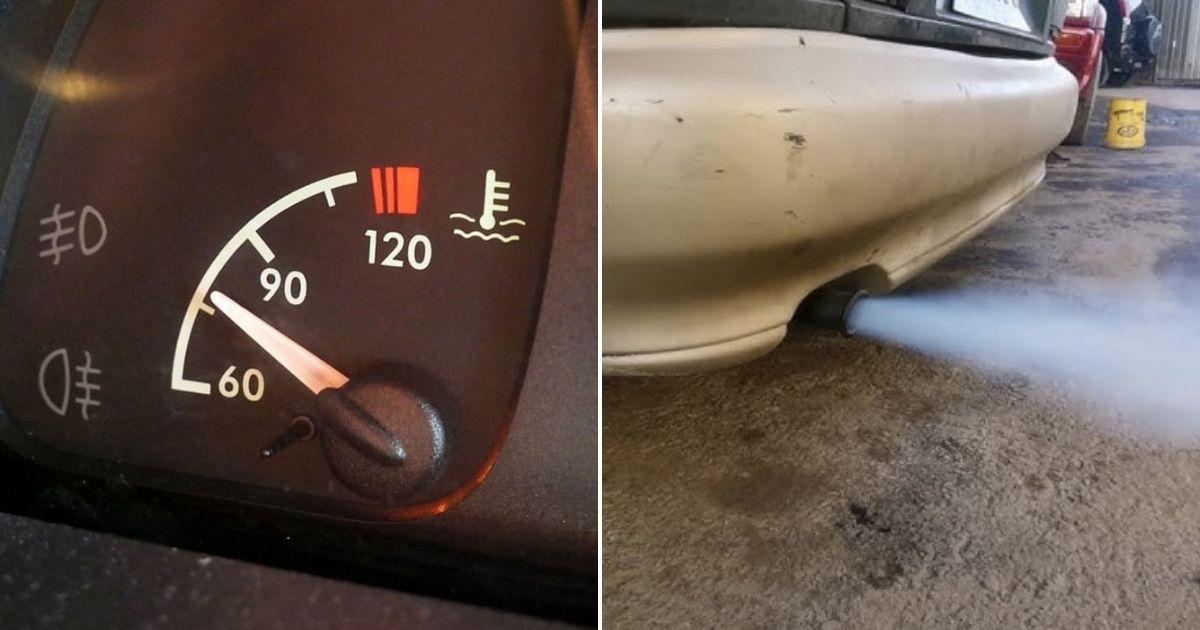
 Cover image via
Follow us on Instagram, TikTok, and WhatsApp for the latest stories and breaking news.
It's a common ritual for many drivers: starting the car and waiting a couple of minutes for it to warm up to its proper operating temperature
You probably let the engine idle while you sort out the radio and get comfy before heading to work. It's one of those tips passed down for generations, so it must be true… right?
Yes, but…
You don't need to idle that long
According to automotive experts, modern automobiles no longer need to idle for extended periods to warm up. In fact, AAA says 30 seconds to one minute is all you need before you're good to go.
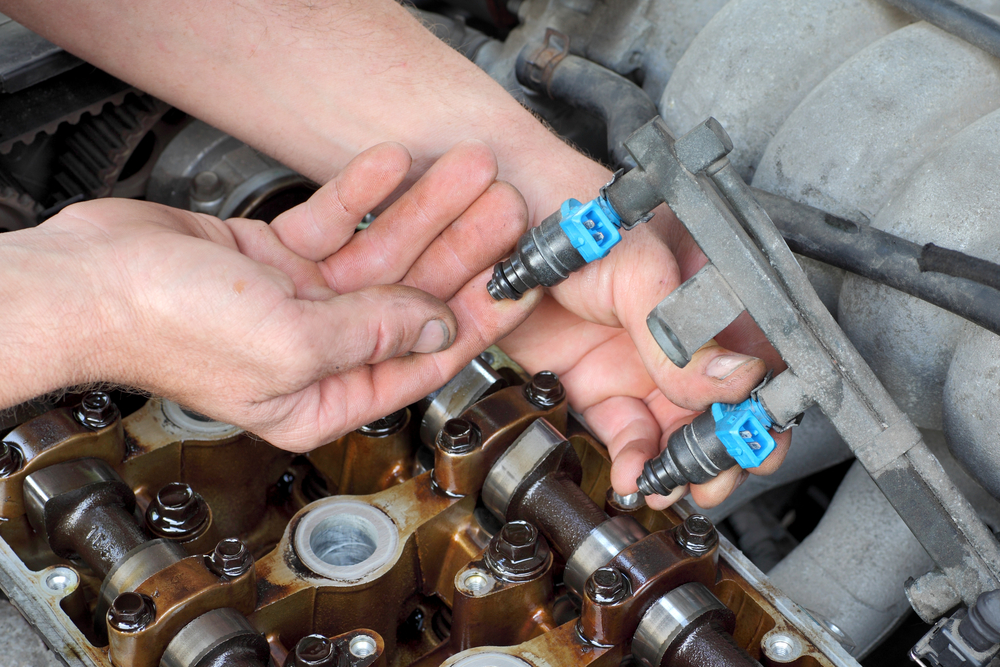
A row of fuel injectors.
Image via Anzac Auto
The thing is, modern cars are super smart now. They come equipped with advanced fuel injectors and computers that can automatically figure out the perfect air-fuel mixture for any situation you're driving in.
The car's ECU (Engine Control Unit) constantly monitors the engine with a bunch of sensors. If it needs to, it can just inject more or less fuel to keep things running perfectly.
Thanks to all that tech, you don't need to wait for the engine to warm up by idling it.
Just make sure to drive gently at first; the engine still needs a bit of time to reach its optimum temperature.
In fact, idling may even hurt your engine
Here's the problem: since your engine doesn't heat up very quickly when it's just idling, the ECU might keep supplying a "richer" — meaning more fuel — air-fuel mixture for longer than it needs to.
A research paper by Oak Ridge National Laboratory, titled Summary of OEM Idling Recommendations from Vehicle Owner's Manuals addresses this misconception. According to the report, most manufacturers do not recommend warming up the car for more than 30 seconds.
Then, how come uncle and auntie always say must warm up my car first before driving?
Back in the day, cars were a lot less high-tech. They used these things called mechanical carburettors to mix the air and fuel. Petrol doesn't vaporise very well when it's cold, so those old engines needed a "richer" mixture to burn properly and stop them from stalling out while they were still cold.
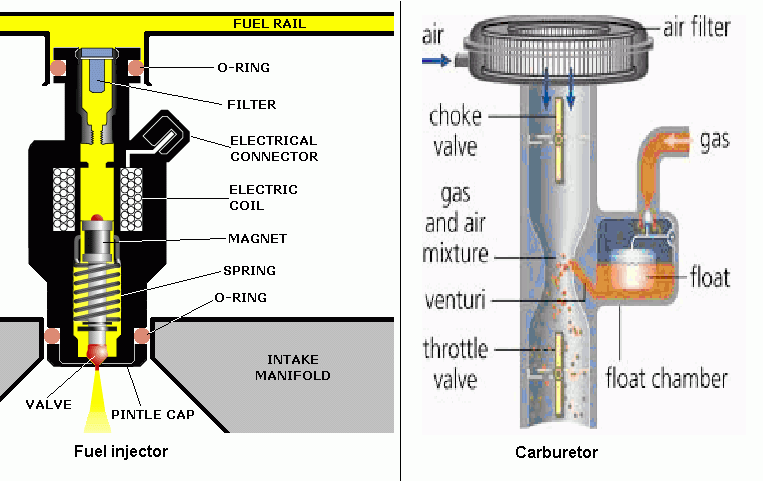
A diagram of a fuel injector (left) and a carburettor (right).
Image via Green MechanicAnd since there wasn't a computer to tell it to push a little extra fuel into the engine when needed, the only way to get the engine warm was to let it sit there and idle until it reached its optimal temperature.
Unless your car was manufactured in the 1980s or still uses a carburettor, it's totally fine to drive your car in the morning
All in all, it's just an age-old habit that has been made unnecessary by the wonders of technology.
So, the next time you start your car, you can safely hit the road after only 30 seconds of waiting, as long as you drive gently until the engine goes up to the optimum temperature.
