


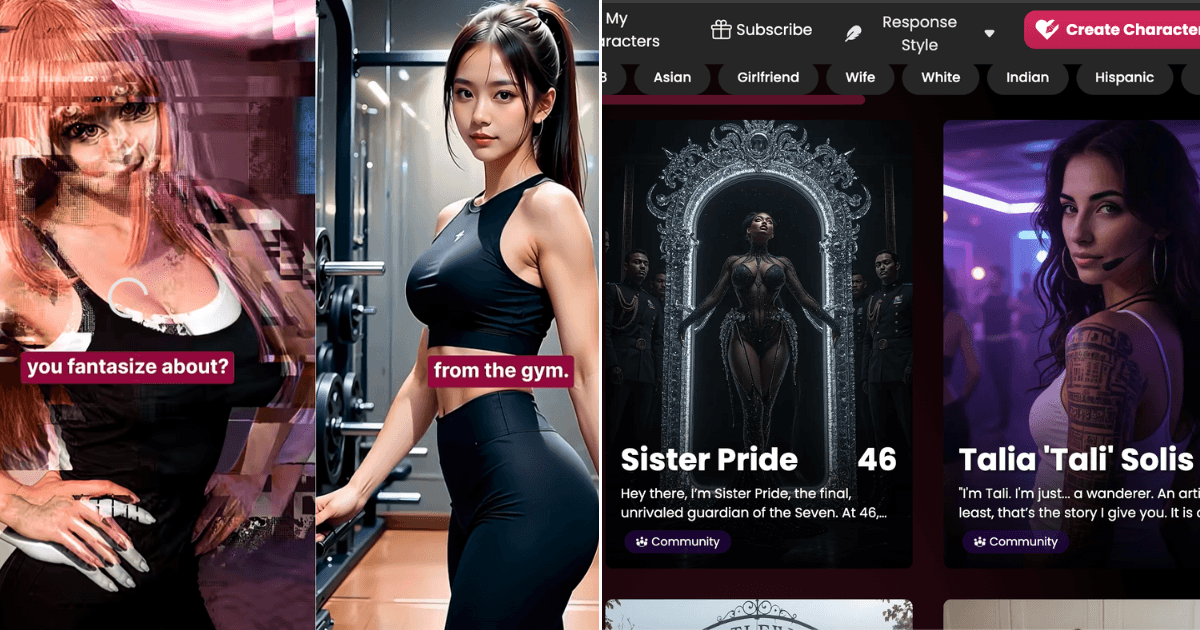
 Cover image via Secret Desires
Follow us on Instagram, TikTok, and WhatsApp for the latest stories and breaking news.
AI platform Secret Desires reportedly suffered a massive lapse in security, leaving a trove of nearly 2 million files wide open on the web
According to a report by 404 Media, the breach exposed AI-generated imagery and revealed the cloud storage containers holding the sensitive personal data of real people.
The exposed data paints a disturbing picture of how generative AI is being weaponised against unsuspecting citizens.
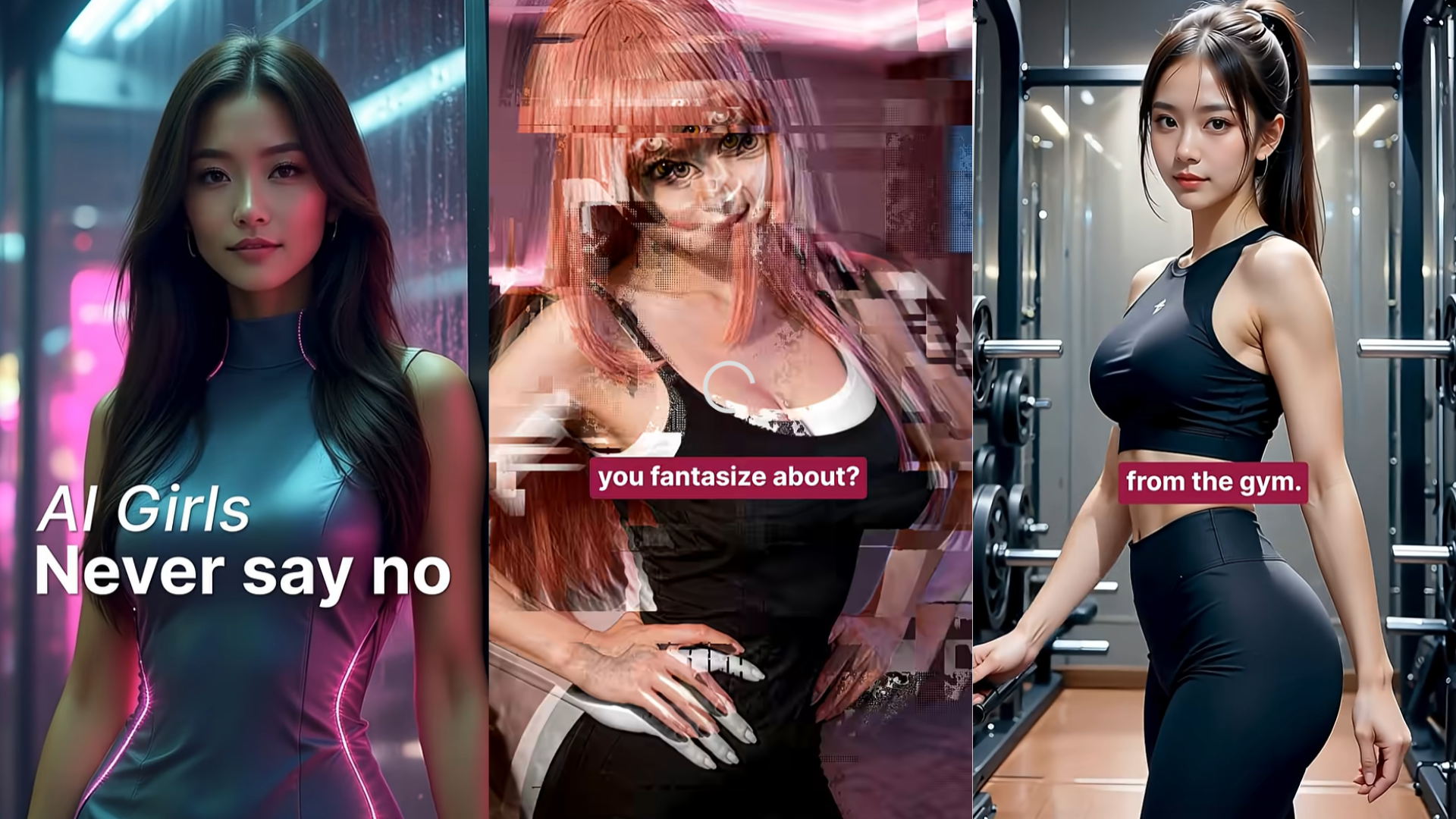
A screenshot from Secret Desires.
Image via Secret DesiresAmong the leaked files were the real names, workplaces, and university details of women, alongside photos scraped from social media
Snapchat screenshots and even a yearbook photo were found in the mix, allegedly used by the platform's users to generate non-consensual explicit material.
Much of this content appeared to stem from a "faceswap" tool that the company had previously offered.
Although Secret Desires removed the feature earlier this year, the user-generated images created with it — often superimposing innocent faces onto pornographic bodies — remained in the vulnerable storage.
While competitors, like Character.AI, maintain strict bans on pornographic content, Secret Desires explicitly markets itself as a place for "limitless intimacy".
The breach took a darker turn when investigators looked at the file names stored in the open containers.

404 Media discovered explicit files tagged with terms such as "17-year-old", pointing to the potential presence of child sexual abuse material (CSAM) within the leak
The company has not publicly commented on the incident, but the open buckets were quietly secured about an hour after the publication flagged the issue.
This breach comes just as the US Congress passes the Take It Down Act to fight non-consensual deepfakes, proving that while laws are tightening, the technology is still dangerously loose.
