


 Cover image via
Follow us on Instagram, TikTok, and WhatsApp for the latest stories and breaking news.
You're probably sitting in your car right now, staring at those streaks on your windscreen and wondering why you haven't replaced your wipers yet
Or maybe you're at a DIY shop, staring at two boxes — one costs RM25, and the other is RM80 — and you're asking yourself if the "silicone" marketing is just a clever way to make you part with your hard-earned cash.
In Malaysia, our wipers work harder than most. They have to deal with the blistering 2pm sun that could fry an egg on the bonnet, followed by a sudden 4pm monsoon that turns the Federal Highway into a swimming pool.
So, let's break down the rubber vs. silicone debate without the technical jargon, shall we?
Most cars come straight out of the factory with rubber wipers
They are the "standard". If you're looking for something that works and doesn't break the bank, this is usually it.
Rubber is soft and flexible. Because it's so supple, it hugs the curves of your windscreen really well, which means it clears water quietly. No one likes that "skit-skit-skit" sound when the rain is light, right?
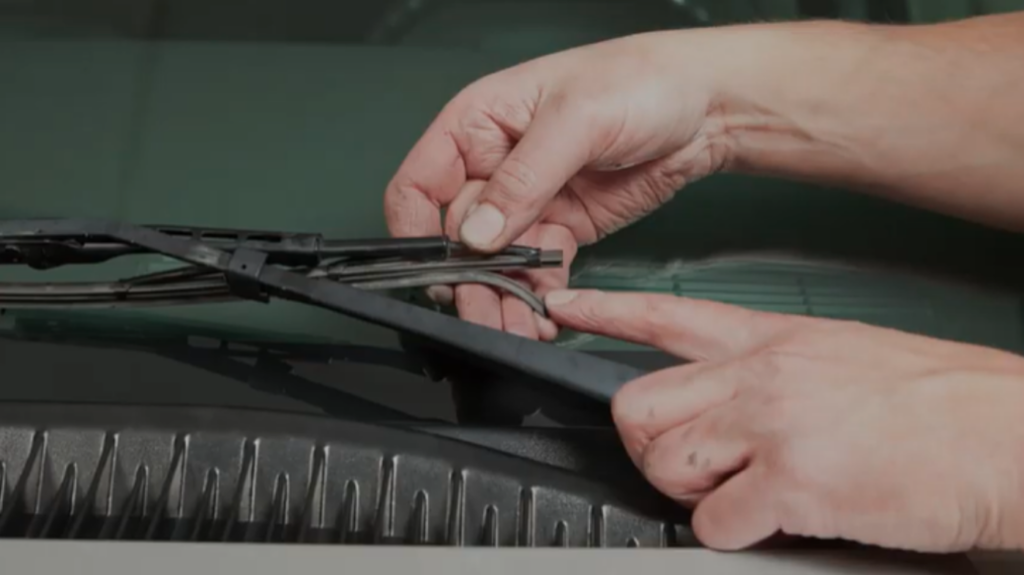
Here's the thing about Malaysia: the heat is a killer. Natural rubber is an organic material. When it sits in the sun for extended periods, it begins to perish. It gets brittle, it cracks, and eventually, it starts "smearing" the water instead of clearing it.
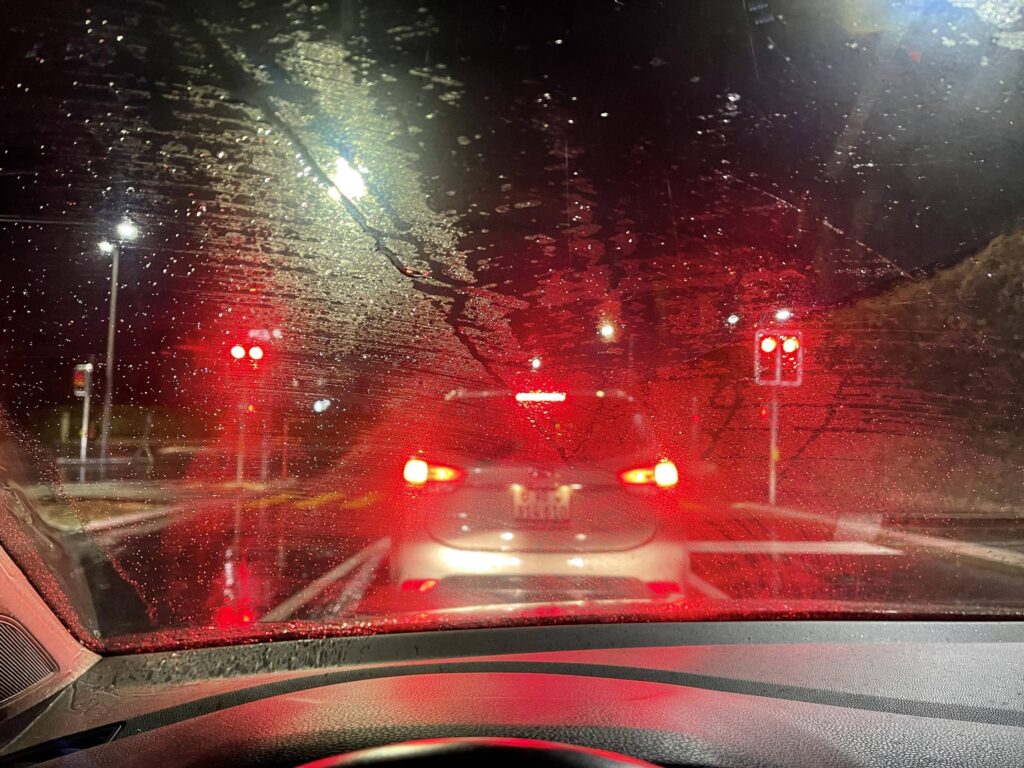
By the way, if your wipers are leaving a blurry film that makes oncoming headlights look like JJ Abrams lens flares, your rubber is likely "sun-cooked".
Then we have the fancier, pricier, silicone wipers
You've probably seen high-end brands or those colourful ones at the accessory shop. They're pricier, but there's a reason for that.
Silicone is chemically stable. It doesn't really care about the UV rays or the heat. While a rubber blade might start failing after six months of Malaysian weather, a good silicone blade can easily last two years, sometimes even longer.
But the real "magic" is the water-beading effect. As you use silicone wipers, they actually deposit a thin, invisible layer of silicone oil on your glass.
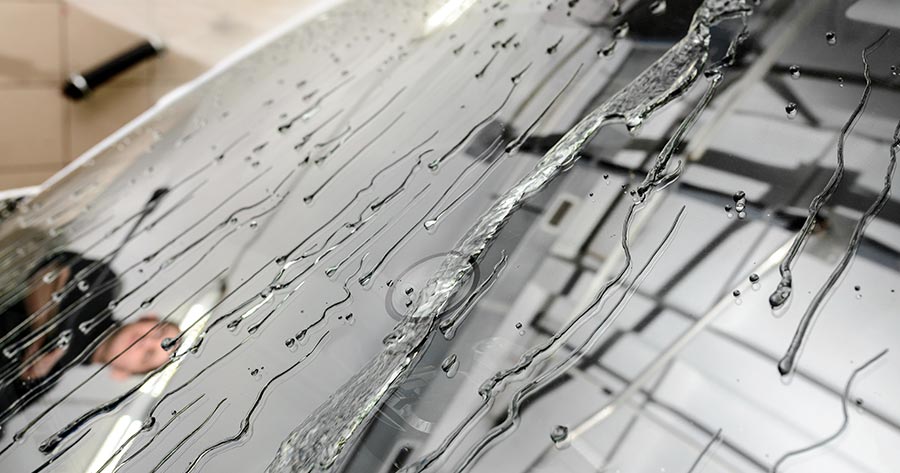
It's like a permanent water treatment for your windscreen. When you're driving on the PLUS highway at 110km/h, the water just beads up and flies off. Sometimes, you don't even need to turn the wipers on high speed.
They are expensive. You could probably buy three sets of cheap rubber wipers for the price of one premium silicone set. Also, if your windscreen isn't perfectly clean, silicone wipers can occasionally "chatter" or jump across the glass because they create more friction than rubber.
Yes, the upfront cost hurts a little, but the clarity you get during a heavy thunderstorm is worth every sen. There is nothing scarier than driving through a "white-out" rainstorm while on a highway with wipers that are just moving the dirt around.
So, which one should you actually buy?
Let's be real for a second. If you're the type of person who parks under a roof at home and in an underground basement at the office, rubber is perfectly fine. You aren't exposing them to enough heat to melt them, so why spend the extra money?
However, if your car is a "sun-bather" — meaning it spends all day parked by the side of the road or in an open porch — go for silicone. You'll save yourself the headache of changing your wipers every time the season changes.
Does the "lift your wipers" trick actually work?
We've all seen it. Walk through any car park in KL, and you'll see half the cars with their wiper arms sticking up like they're surrendering to the sun. The logic is that it prevents the heat from the glass from melting the rubber.
Honestly? It's a bit of a myth. Just leave them down. If you're worried about the heat, that's your sign to just upgrade to silicone.
