


 Cover image via
Follow us on Instagram, TikTok, and WhatsApp for the latest stories and breaking news.
From 1 January 2026, major messaging and social media apps in Malaysia will be automatically licensed
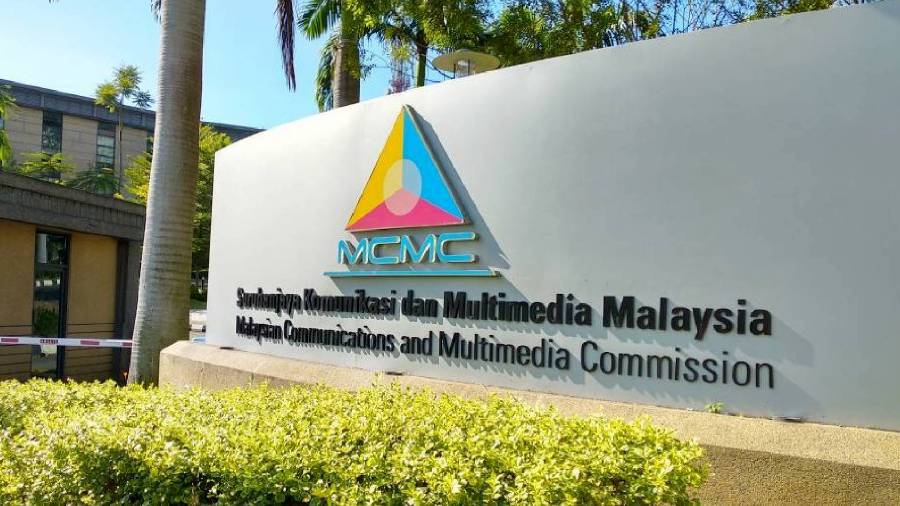
Major internet messaging and social media platforms with over eight million users in Malaysia will be automatically registered as Application Service Providers – ASP(C) under the Malaysian Communications and Multimedia Commission (MCMC).
This is allowed under Section 46A of the Communications and Multimedia Act 1998, known as the Deeming Provision which allows these platforms to be considered registered without needing to submit a formal application.
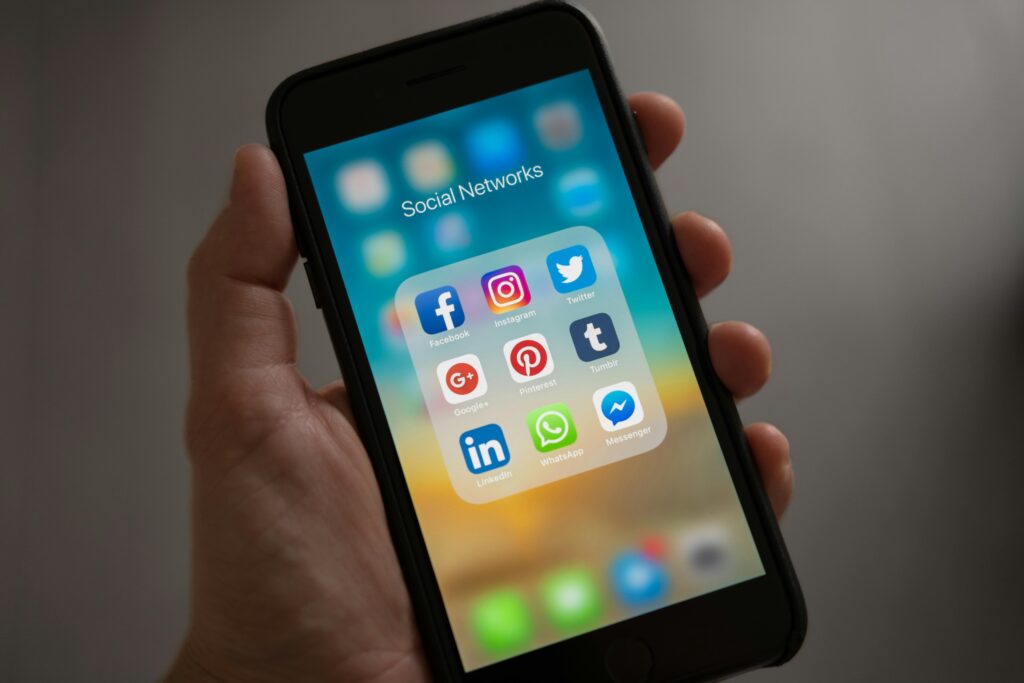
Popular platforms affected include WhatsApp, Telegram, Facebook, Instagram, TikTok, and YouTube while platforms already registered as ASP(C) licensees will remain so until their current registration expires.
MCMC said this move ensures that large platforms follow Malaysian laws and take clearer responsibility for the safety of their users
Under the ASP(C) licensing framework, platforms are expected to implement stricter measures to prevent harmful content, protect children and families, and respond quickly to complaints or illegal activities.
The implementation also aligns with the licensing framework introduced in January 2025, which was designed to strengthen accountability and compliance for internet messaging and social media services.
By doing this, MCMC aims to create a safer, more responsible online environment where Malaysians can communicate, share, and access information without undue risk

Platforms can continue running their global services as usual, while the commission continues working with service providers and law enforcement to protect users, particularly children and families.
You can also visit their official website to learn more about this change and what it means for you.
