


 Cover image via
Follow us on Instagram, TikTok, and WhatsApp for the latest stories and breaking news.
Malaysia currently ranks fourth for advertisements in dark web forums and sixth in Southeast Asia for cyberattacks, with data breaches significantly exceeding the regional average
Malaysia currently leads the region with a 97% Internet penetration rate, but that digital footprint is attracting the wrong kind of attention.
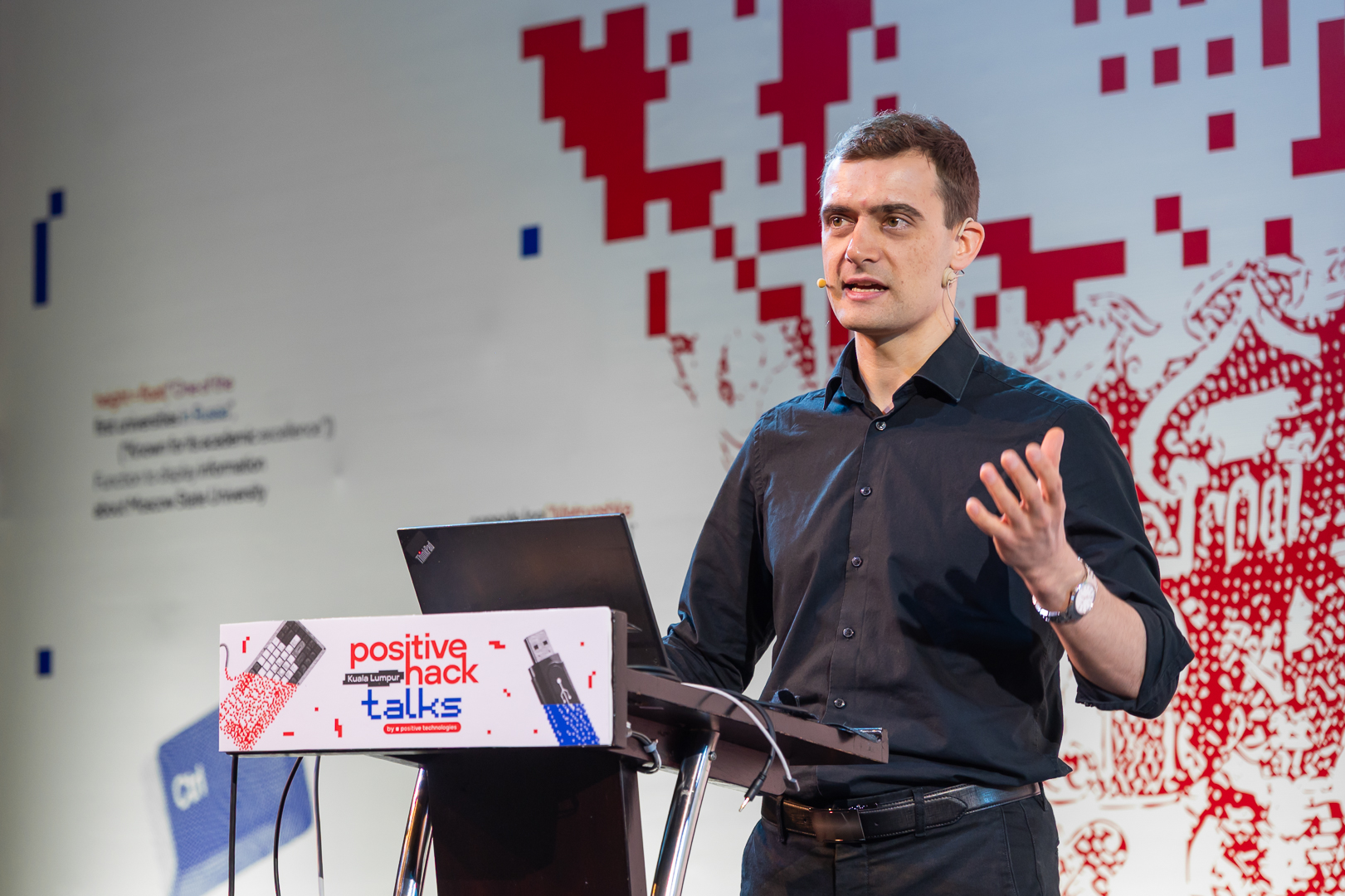
Russian cybersecurity firm Positive Technologies recently hosted its Positive Hack Talks event in Kuala Lumpur on 5 May, where local and international professionals gathered to dissect growing threats.
The meetup acted as a hub for enthusiasts and experts to share insights on navigating a high-risk digital landscape.
The Russian company found that Malaysia accounts for 10% of Southeast Asia's total cybersecurity threats
This rapid digitalisation has turned the country into a focal point for cybercriminals looking to exploit system vulnerabilities.
The country also ranks fourth for advertisements on dark web forums, which made up 15% of such activity.
Experts attributed this spike to a consistently high rate of data breaches, where stolen information was sold for financial gain.
Meanwhile, according to Surfshark, a Dutch cybersecurity firm, approximately 152 accounts were breached for every 100 people in Malaysia
This figure is significantly higher than the regional average of 55, putting the nation at 31 globally for compromised accounts.
Positive Technologies Chief Hacking Officer Dmitry Serebryannikov said the meetup was a step toward building a global community. Serebryannikov noted that Southeast Asia is becoming a key focal point for their mission.
"Our mission is to pool the knowledge and efforts of our peers to elevate global security standards, and Southeast Asia is becoming a key focal point in this endeavour," Serebryannikov said.
The event also featured insights into AI-assisted vulnerability research, malware analysis, and new frameworks for preventing phishing.
