


 Cover image via Humanthis
Follow us on Instagram, TikTok, and WhatsApp for the latest stories and breaking news.
Tech Tarik is a SAYS Tech original series where we sit down with the movers, shakers, and glass-breakers of Malaysia's digital scene. Just like your favourite mamak drink, we're "pulling" the best insights, spilling the tea on industry trends, and serving up the innovations that are shaping our country's future — one conversation at a time.
For most Malaysian creatives, a job offer doesn't come via a formal contract, but as a "ping" in a cluttered WhatsApp group or a vague DM
While the "handshake deal" has long been the backbone of the local industry, it's a double-edged sword that often leaves talent vulnerable to scope creep and "ghosted" payments.
Isaac Kon, the founder of Humanthis — a Malaysian hiring platform — saw this systemic chaos and decided it was time for a digital intervention.
By moving the creative workflow away from messy chat threads and into a structured ecosystem, he's aiming to professionalise the hustle. I caught up with Isaac to discuss why documentation is the ultimate form of protection for the modern freelancer.
SAYS Tech: What systemic factors contribute to the ongoing mistreatment of freelance talent within Malaysia's creative landscape?
Isaac Kon: The biggest issue is still how informal everything is.
Jobs are shared through WhatsApp groups, Facebook Groups, DMs, or personal contacts.
Details change midway. Usage isn't clearly explained. Payment timelines aren't always confirmed.
When there's no clear job scope, no standard process and no written record, it becomes very easy for misunderstandings or unfair treatment to happen.
That's actually one of the main reasons we started Humanthis.
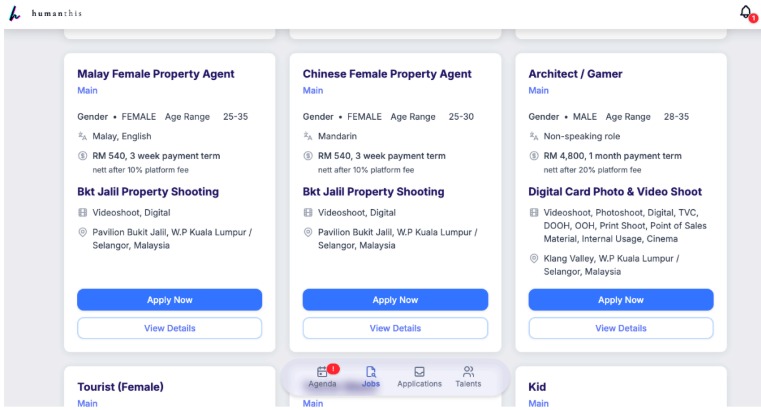
We saw talented actors, models, and content creators doing real commercial work, but operating in a system that still felt like it was run on chat messages.
So Humanthis was built to centralise opportunities in one place, standardise job information, and create a proper workflow from application to confirmation.
We're not trying to overcomplicate the industry. We're simply adding structure where there used to be gaps.
SAYS Tech: Does the risk of exploitation disproportionately affect specific demographics?
Isaac Kon: In our experience, the biggest risk factor is lack of leverage and information.
Newer and younger talents are especially vulnerable because:
● They don't want to seem difficult
● They're afraid of losing future opportunities
● They may not understand usage rights fully
Gender can also be a factor, particularly in modelling and influencer campaigns where appearance is commercialised.
When there's no transparency, power becomes uneven. That reality also pushed us to build Humanthis.
We wanted a system where:
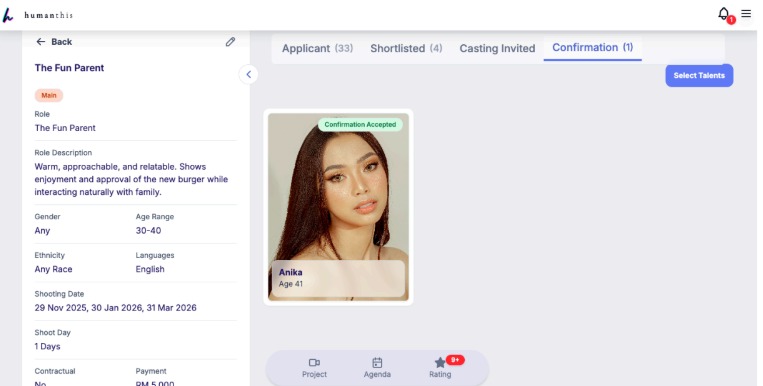
● Everyone sees the same job information
● Expectations are clear before confirmation
● There is documentation if something goes wrong
When the rules are visible, it reduces dependency on who you know or how confident you are at negotiating.
SAYS Tech: To what extent do handshake deals undermine integrity and trust?
Isaac Kon: Handshake deals feel fast and friendly, but they often create problems later.
We've seen disputes over:
● Payment amounts, delayed payments and unpaid fees
● Usage duration
● Deliverables
● Last-minute scope changes
When nothing is documented, resolution becomes emotional instead of factual.
That was a major turning point for us. We realised the industry didn't need more middlemen, it needed better systems.
Humanthis closes this gap by:
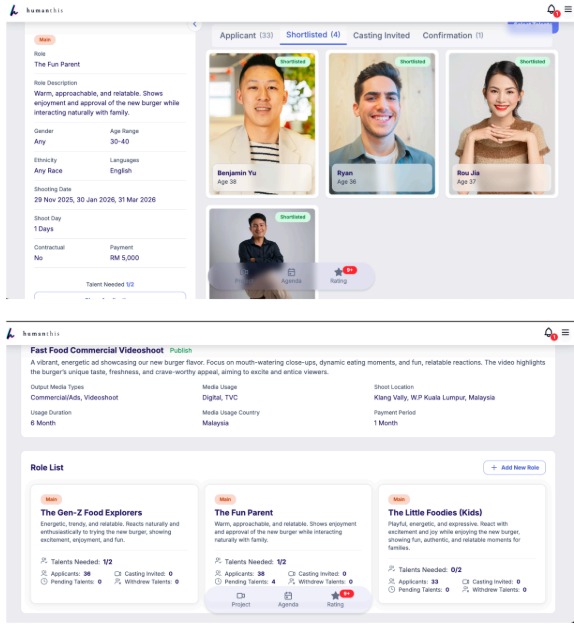
● Making job terms visible before application
● Recording confirmations digitally
● Creating a structured casting and booking process
Documentation doesn't remove trust — it protects it.
SAYS Tech: What collaborative frameworks could ensure the long-term viability of gig work?
Isaac Kon: For gig work to be sustainable, flexibility must coexist with structure. That's why the Gig Workers Act is important because it pushes the industry toward:
● Transparency
● Clear responsibilities
● Proper documentation
Humanthis was built with this future in mind because we're platform-based, we can:
● Standardise job templates
● Generate structured agreements
● Track work history
● Potentially integrate with government systems (like SOCSO or tax reporting APIs)
Instead of relying on thousands of fragmented groups, the industry can move towards:
● One centralised digital system
● Clear data
● Easier compliance
We believe platforms should be part of the solution not just marketplaces, but infrastructure.
The problems in the creative industry didn't start with bad intentions. They started with a lack of structure.
Humanthis exists to close those structural gaps, using technology to make gig work clearer, fairer, and more sustainable without taking away the flexibility that creatives value.
