


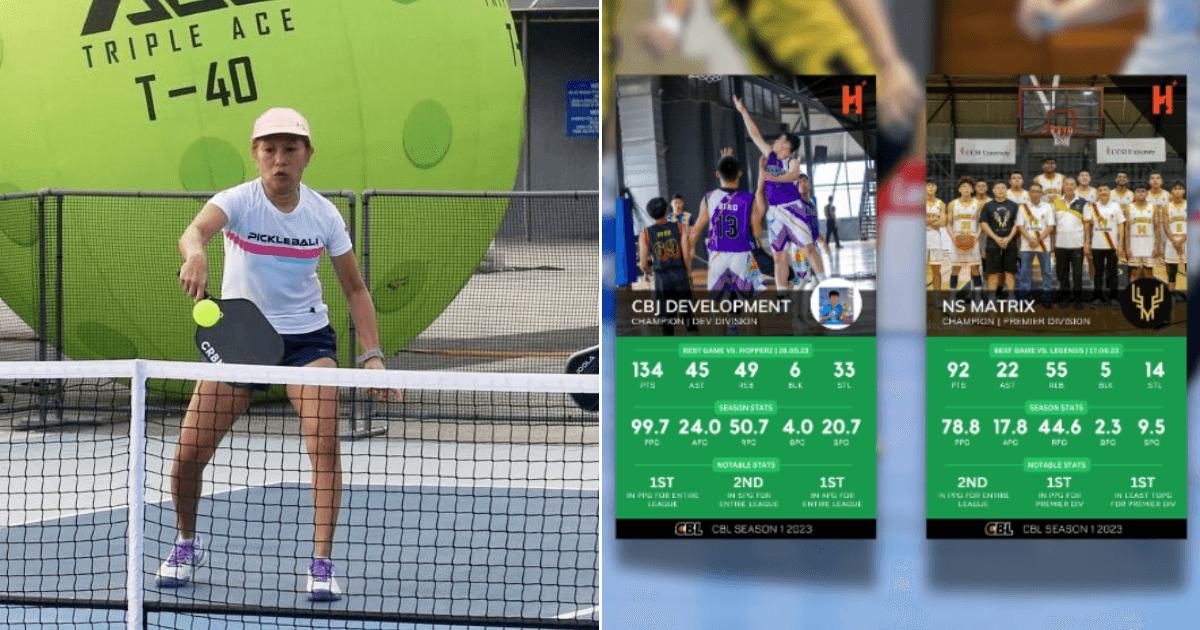
 Cover image via
 Follow us on Instagram, TikTok, and WhatsApp for the latest stories and breaking news.
Tech Tarik is a SAYS Tech original series where we sit down with the movers, shakers, and glass-breakers of Malaysia's digital scene. Just like your favourite mamak drink, we're "pulling" the best insights, spilling the tea on industry trends, and serving up the innovations that are shaping our country's future — one conversation at a time.
For decades, tools that made sport look serious — multi-angle cameras, performance data, and broadcast-quality footage — remained locked behind professional budgets and elite leagues
Student-athletes, weekend warriors, and grassroots coaches in Malaysia often shared their best moments as WhatsApp stories instead of showcasing them publicly.
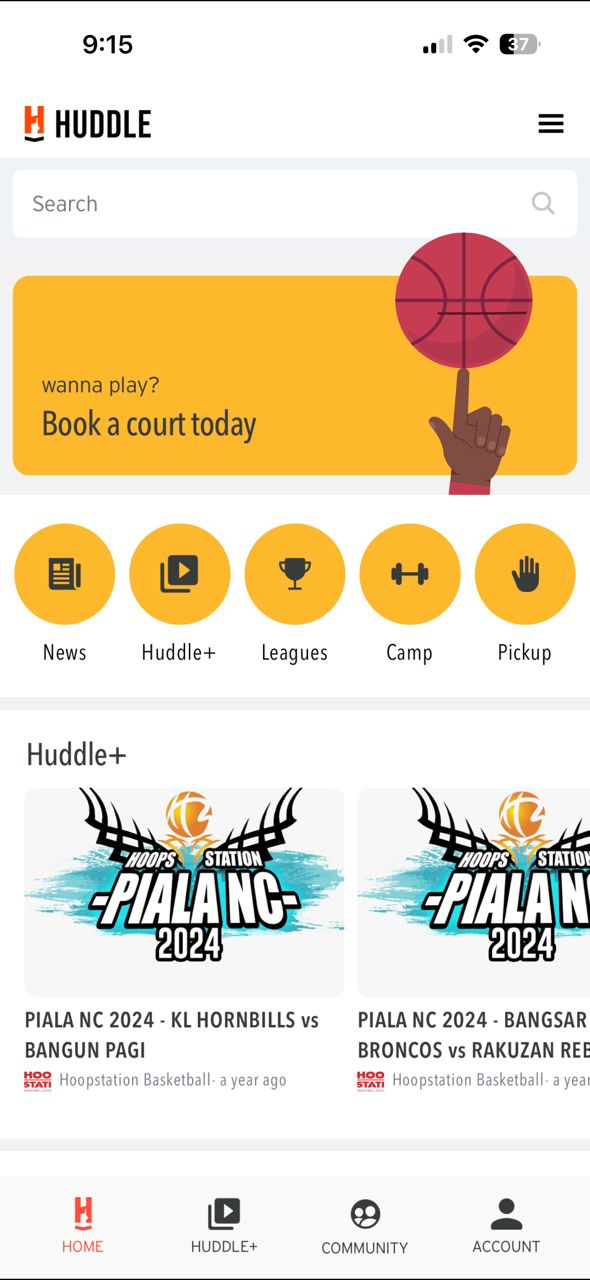
Huddle aims to close that gap. Developed by Malaysian startup AirUpThere Technologies and backed by Cradle, the AI-powered platform provides automated filming, analytics, and discovery for amateur sports.
This turns everyday games into data, content, and opportunity. SAYS Tech spoke to Andri Khusahry, Co-founder of AirUpThere Technologies, about how Huddle is reshaping grassroots sports and creating new sport-adjacent careers.
SAYS Tech: Huddle is democratising sports tech that was once exclusive to the pros. In the context of Malaysia's digital economy, how do you see this AI-driven 'sports-tech' sector creating new career paths for Malaysians who aren't necessarily professional athletes?
Andri Khusahry: When people hear "sports tech", they picture pro teams and elite facilities. We're flipping that.
In Malaysia's digital economy, AI-driven sports tech creates jobs for people who love sport but are not athletes. Think camera and venue operations, content production, community managers, league admins who now run digitised competitions, data and performance analysts, customer success, sales and partnerships, even developers and AI ops focused on real-world computer vision.
You get a whole new layer of sport-adjacent careers where you are building the ecosystem, not just playing in it.
SAYS Tech: We've all had that 'world-class' goal or play during a weekend futsal session that nobody caught on camera. How does Huddle's AI tracking ensure that the 'everyday athlete' gets their highlight-reel moment without needing a full camera crew?
Andri Khusahry: The core problem is simple: the best moments happen when no one is filming, and you shouldn't need a friend holding a phone to "prove" it happened.
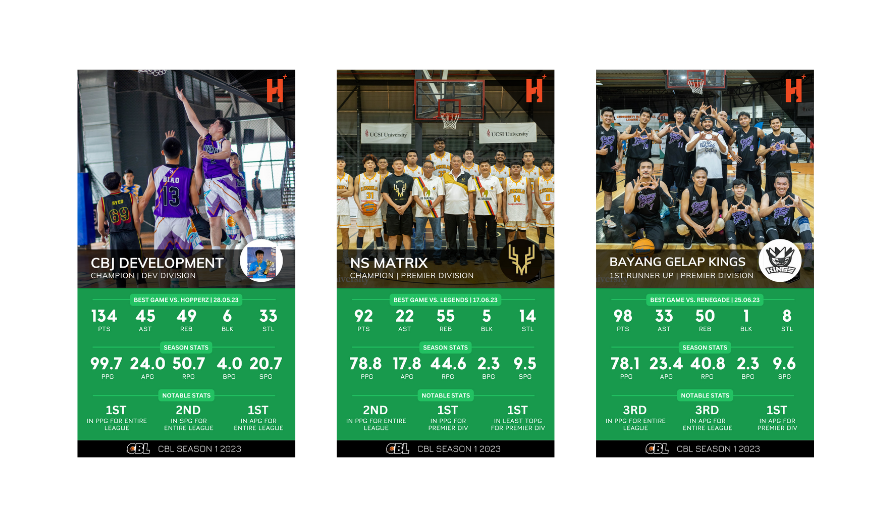
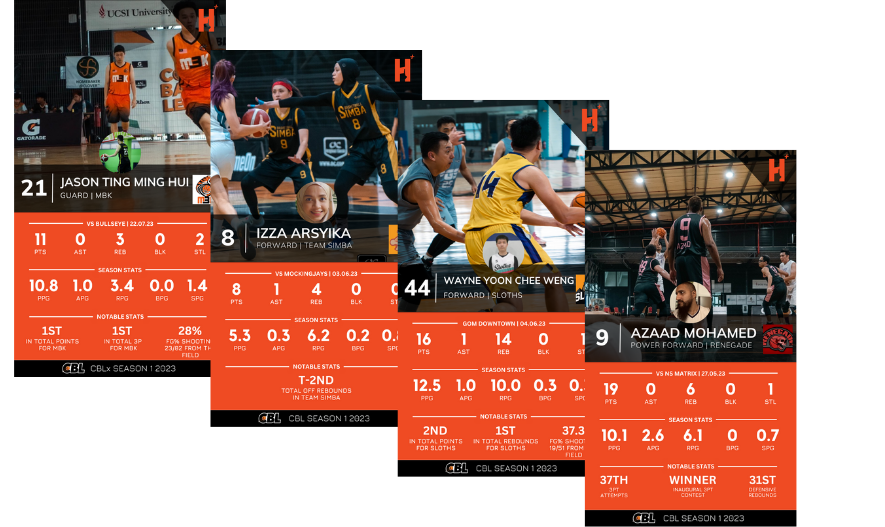
Huddle solves that with always-on capture and automated tracking. Our system records the full game, follows the action, and tags key moments so players can find their clips later. No camera crew, no editing laptop, no WhatsApp message begging someone to send the video.
Just play, and your highlights are waiting for you.
For young Malaysian athletes dreaming of scholarships or professional scouts, data is the new currency. How can a student-athlete use the Huddle app to build a digital CV that actually helps them level up their career?
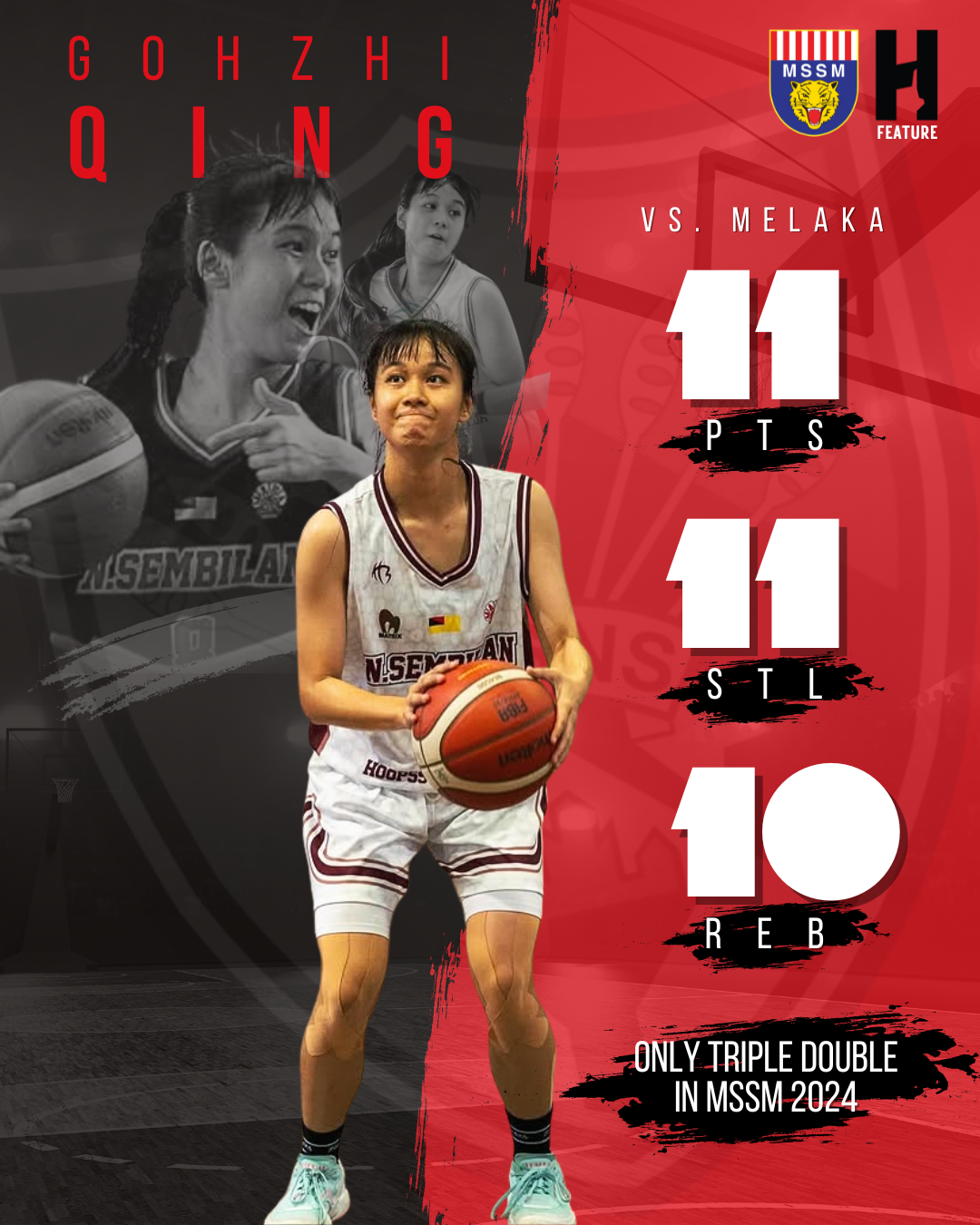
Andri Khusahry: We tell student-athletes this all the time: your profile is your portfolio. With Huddle, a student-athlete can build a digital CV by stacking three things in one place.
First, verified game film and highlight clips. Second, stats and game logs that show consistency over time, not just one hot game. Third, context like competitions played, minutes, roles, and progression.
That combination helps them show coaches and scouts what they are, what they are improving at, and how they perform under real game conditions.
It also helps the athlete make smarter decisions because they can actually review their own games and track development.
SAYS Tech: Building a startup in a niche like amateur sports requires digitising an industry that has traditionally been very 'offline' and fragmented. Having been backed by Cradle and now scaling Huddle, what is the biggest lesson you've learned about finding 'product-market fit' in a sector where your users (athletes) and your customers (venues/leagues) have very different needs?
Andri Khusahry: The biggest lesson is that product-market fit is not one thing when your user and customer are different.
Athletes want highlights, identity, and proof. Venues and leagues want revenue, retention, differentiation, and low operational hassle.
If you build only for athletes, you get love but no distribution. If you build only for venues, you get installs but no pull from players. The unlock for us was designing a loop where venues win economically and operationally, while athletes get immediate value every time they play. When both sides feel it weekly, it becomes a must-have, not a nice-to-have.
SAYS Tech: With the phased rollout starting in Kuala Lumpur, how do you see Huddle changing the 'social fabric' of the city's sports scene? Are we looking at a future where it's as easy to find a pickup game as it is to order food on an app?
Andri Khusahry: Kuala Lumpur is dense, competitive, and social. That's exactly where Huddle can change the fabric of sport.
When games are captured, organised, and discoverable, communities form faster. Leagues look more professional, players feel more connected, and venues become hubs instead of just rental spaces.
I do think we move toward a future where finding a run is closer to ordering food, not because sport becomes transactional, but because discovery becomes frictionless. You can see what's happening, where, and when, then show up and belong.
SAYS Tech: AI is a buzzword right now, but Huddle is using it for very practical, physical applications. Could you give us a 'behind-the-scenes' look at how the AI distinguishes between players in a chaotic, fast-moving game like basketball or football?
Andri Khusahry: Behind the scenes, it is a mix of vision, tracking, and logic. The AI first detects people and the ball in each frame, then tracks them across time so it knows who is who moment to moment.
It uses cues like movement patterns, position, team grouping, and visual identifiers to maintain identity even when players cross or the view gets messy. Then it layers sport-specific understanding, like where play typically flows and what events look like, to reduce errors in chaotic sequences.
It's not magic. It is a lot of practical engineering to make sure the output feels simple and reliable to the player.
SAYS Tech: You've mentioned that Huddle's journey begins in Malaysia but eyes Southeast Asia. What is the one 'big win' you hope to achieve for the Malaysian amateur sports community before you take this tech to the rest of the region?
Andri Khusahry: The big win I want before we go regional is to make "being seen" normal for Malaysian athletes.
Not just the top 1%, but the everyday student, the grassroots club, the women's league, the community tournament. If we can reach a point where a young Malaysian can play a season
and automatically have film, stats, and a credible profile without exorbitant cost or connections, that is a step-change for access and opportunity.
Then, when we take it to Southeast Asia, we are exporting a model that proves Malaysia can lead in democratising sport, not just consuming tech built elsewhere.
