


 Cover image via
Follow us on Instagram, TikTok, and WhatsApp for the latest stories and breaking news.
Tech Tarik is a SAYS Tech original series where we sit down with the movers, shakers, and glass-breakers of Malaysia's digital scene. Just like your favourite mamak drink, we're "pulling" the best insights, spilling the tea on industry trends, and serving up the innovations that are shaping our country's future — one conversation at a time.
In 2001, the idea of a website built entirely by volunteers — without ads, paywalls, or "Big Tech" capital — sounded like a recipe for a digital disaster
Fast forward 25 years, and Wikipedia has become the quiet backbone of the Internet, outlasting thousands of venture-backed startups and even powering the very AI models (like ChatGPT and Gemini) that threaten to replace it.
For the Malaysian entrepreneur, Wikipedia's 25-year journey offers a masterclass in building a "recess-proof" brand: one that prioritises community over clicks, trust over speed, and radical transparency over secret algorithms.
As part of SAYS Tech Tarik series, we sat down with Anusha Alikhan, Chief Communications Officer at the Wikimedia Foundation, to find out how they successfully monetised "Big Tech" through their new Enterprise arm, without ever charging their users a single sen.

SAYS Tech: Wikipedia is celebrating a quarter-century as a "human-powered" resource. In an era where AI can generate answers in seconds, why is the "human-in-the-loop" model of Wikipedia more critical now than it was in 2001?
Anusha Alikhan: With machine-curated knowledge, AI is the middle man: it provides information gathered from various sources, which are typically hidden or opaque. People don't have an easy way to know if they are consuming unverified or misleading information.
Humans create knowledge on Wikipedia that AI simply cannot replicate. In particular, Wikipedia editors reach consensus on how to share information, and there is transparency in the process of how that information comes together. This human-led editorial model has endured for 25 years and made Wikipedia a trusted resource for hundreds of millions of people around the world. This is even more critical as Large Language Models increasingly rely on Wikipedia knowledge for high quality training data.
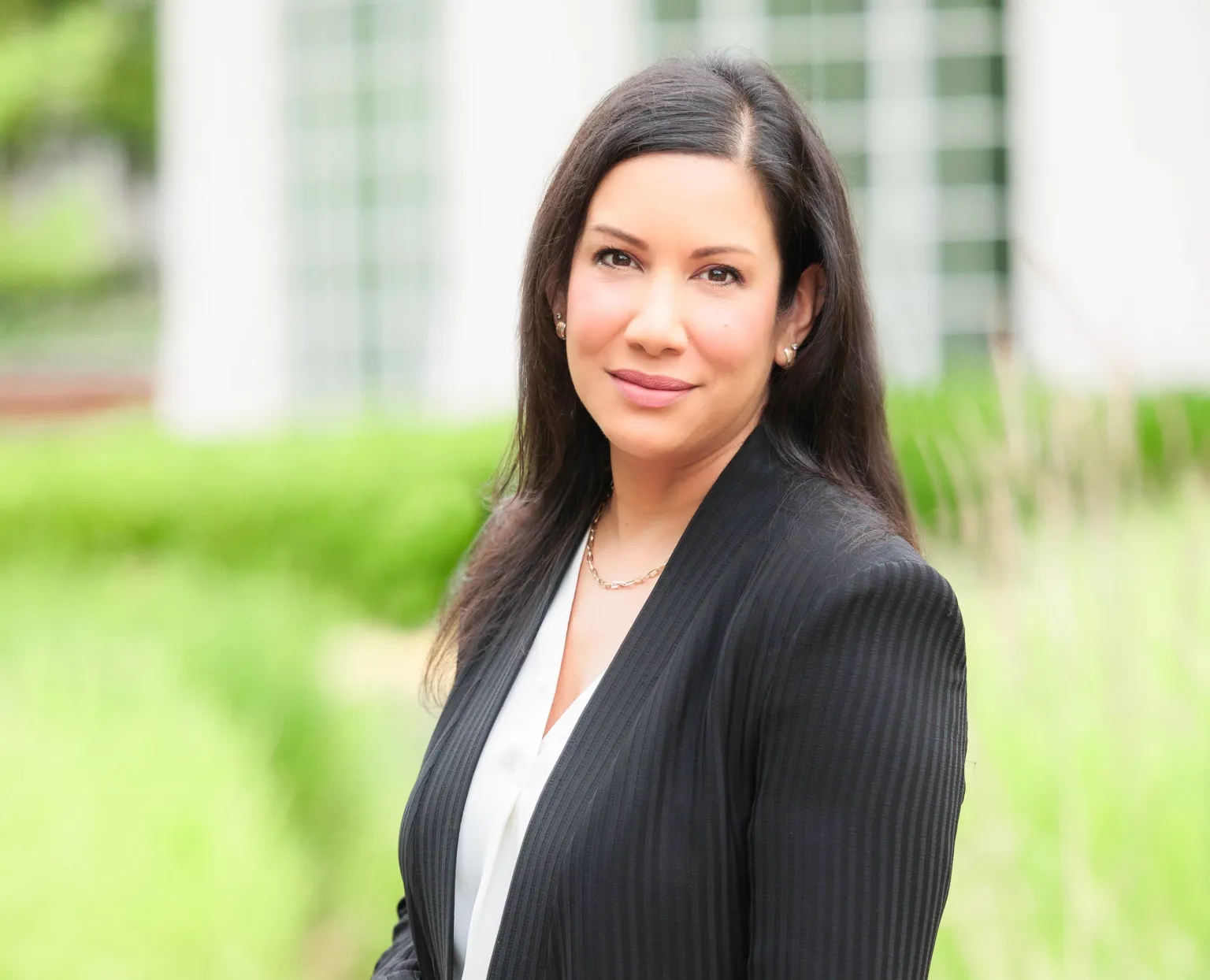
Wikimedia Foundation Chief Communications Officer, Anusha Alikhan.
Image via WikipediaSAYS Tech: Data shows that Malaysians view Wikipedia over 94 million times a month. What does this massive national reach tell you about how Malaysians consume information, and how is the Foundation working to ensure the content remains culturally relevant to our local context? Also, with over 435,000 articles and a dedicated community of 400-plus editors, the Malay Wikipedia is a powerhouse. How does the Wikimedia Foundation plan to support the growth of local language editions, especially as digital literacy continues to expand in Southeast Asia?
Anusha Alikhan: Wikipedia plays a key role in how knowledge is discovered, shared, and verified in Malaysia's increasingly digital society.
Wikimedia projects, including Wikipedia language editions in Malay, Chinese, Tamil, Iban, Kadazandusun and Bajau Sama, support access to reliable information for students, educators, journalists, healthcare professionals and the wider public across Malaysia.
We're thrilled to have such a thriving community of both readers and editors in the country.
This content ecosystem is supported by a robust and active local community of volunteer editors, which ensures articles remain verifiable, current, relevant, and reflective of local contexts. These volunteers ensure knowledge on Wikipedia and Wikimedia projects is built on verifiable information and presented as balanced as possible, so it's trustworthy and useful for all.
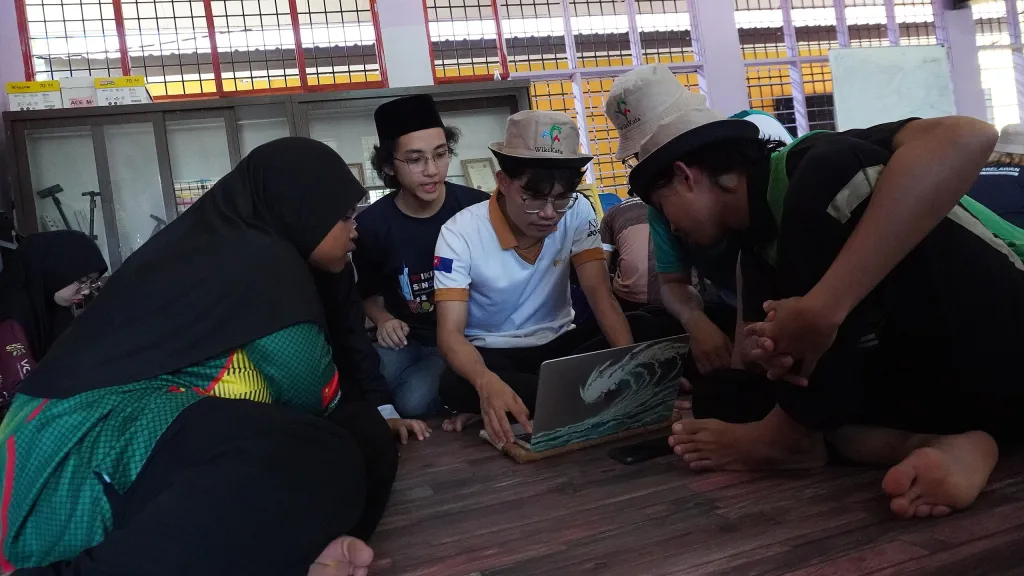
As part of its annual plan, the Wikimedia Foundation is committed to expanding the availability of knowledge across languages and topics. We continue to work with local communities in Malaysia to provide resources and support for initiatives such as WikiKata, a
project that empowers indigenous communities to record and preserve endangered languages on Wiktionary, and through partnerships including those with major cultural institutions like UNESCO.
SAYS Tech: Wikipedia supports Malaysian languages like Iban and Kadazandusun. How important is the role of Wikipedia in digital "language preservation" for indigenous communities in Malaysia, and are there specific initiatives to encourage more contributors from these regions?
Anusha Alikhan: With knowledge available in more than 300 languages, Wikipedia is one of the most multilingual sites available today.
With its wide global readership, the site has also become a valuable platform to preserve, document, and share indigenous languages and culture for future generations to enjoy and learn from.
In Malaysia, Wikimedia volunteers work on initiatives such as Wikikata to document knowledge in languages such as Kadazandusun and Iban, often capturing words that exist only in oral form.
Collaborations with organisations such as UNESCO and the Borneo Institute of Indigenous Studies (BorIIS) Universiti Malaysia Sabah also play an important role in preserving cultural heritage, including indigenous language and linguistics.
SAYS Tech: Many AI models (like ChatGPT and Gemini) are trained on Wikipedia's data. How does Wikipedia balance the "open knowledge" mission with the need to ensure that nonprofit, human-edited work isn't just "scraped" without attribution or support?
Anusha Alikhan: Wikipedia is freely-licensed so that people all over the world can use, share, and reuse its content. However, our licenses also include a requirement for attribution. Attribution is
essential not only to ensure credibility of information for users, but also to recognise the value of the human input that remains central to creating trustworthy information in the first place.
Gen AI models and other search tools must ensure that information on their platforms is attributed to the Wikipedia articles they rely on. For most AI developers, the right approach to using Wikipedia knowledge is through our Wikimedia Enterprise platform, which is specifically designed for commercial use. This paid service allows AI developers to access Wikimedia content at a volume and speed designed specifically for their needs, while directly supporting our non-profit mission.
We continue to engage in conversations with AI developers to understand the needs of their audiences, offer support for their products through our Enterprise offerings, and explore what good attribution for Wikimedia content looks like.

A screenshot of Wikipedia's homepage.
Image viaSAYS Tech: Wikipedia remains one of the few top-10 websites that is a nonprofit without ads. As tech giants move towards subscription models and "walled gardens", how does Wikipedia intend to stay financially resilient and free for the next 25 years?
The majority of our funding comes from individual donations (USD11 is the average) from people who read Wikipedia. This unique, distributed fundraising model helps ensure our independence.
We are also supported in smaller part by institutional grants and gifts, as well as from other revenue-generating projects like Wikimedia Enterprise, a commercial product for large-scale reusers and distributors of content from Wikipedia and other Wikimedia projects.
Partners pay for a service that enables them to access content from Wikimedia projects at a volume and speed designed specifically for their needs, while directly supporting our nonprofit mission.
The long-term future for AI and tech companies depends on nurturing projects like Wikipedia because it creates the human knowledge they rely on. Through Wikimedia Enterprise, Wikipedia can continue sharing free and reliable knowledge to the world while receiving sustainable support for its mission. Meanwhile, companies gain improved access to one of the most important open datasets for training and informing their systems.
Beyond covering for the costs of the Wikimedia Enterprise project itself, all the funds generated from Enterprise customers are used to support the Wikimedia mission of making reliable knowledge available to everyone, everywhere. This includes investment in the Wikimedia projects, the volunteer community, and the Wikimedia Endowment.
SAYS Tech: Malaysia has an average of 1,276 active monthly contributors. What is your message to these local volunteers who spend their free time ensuring that Malaysia's history, culture, and current affairs are accurately represented to the rest of the world? And what is Wikipedia doing to acquire more volunteers here?
Anusha Alikhan: I am truly grateful and in awe of our Malaysian volunteers and their commitment to free knowledge. Wikipedia would not exist without volunteers like them adding, updating, and improving knowledge on Wikipedia every day.
In today's world where the veracity of information is often questioned, volunteers' work to create human knowledge that's trustworthy and verifiable is irreplaceable.
Malaysia remains a key focus region for us, and we're excited by the progress we've seen from community-led initiatives that have helped introduce younger generations to the Wikimedia community in Malaysia.
The Wikimedia Foundation will continue to support Wikipedia's vibrant regional communities and affiliates through collaborations and grants, to ensure that the site remains available and relevant for generations to come.
