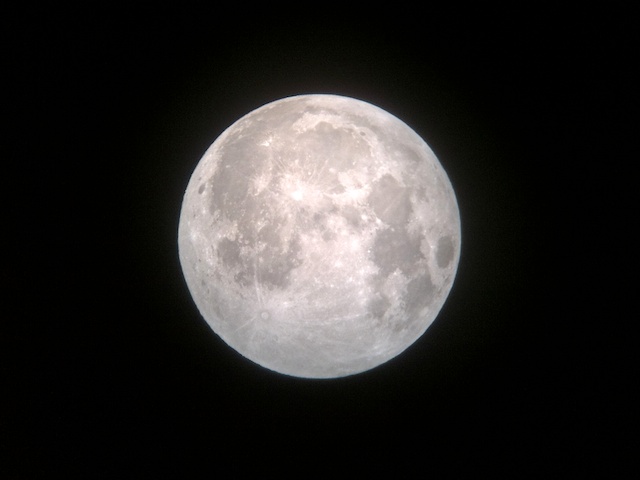
How To Take Truly Killer Shots Of The Moon Using Your Smartphone
The night of 5 March will have this year's smallest full moon. And a lot of people will want to capture it. In the 37th Tech Tuesday column, we take a look at how you can take killer shots of the moon and what will the entire process take.


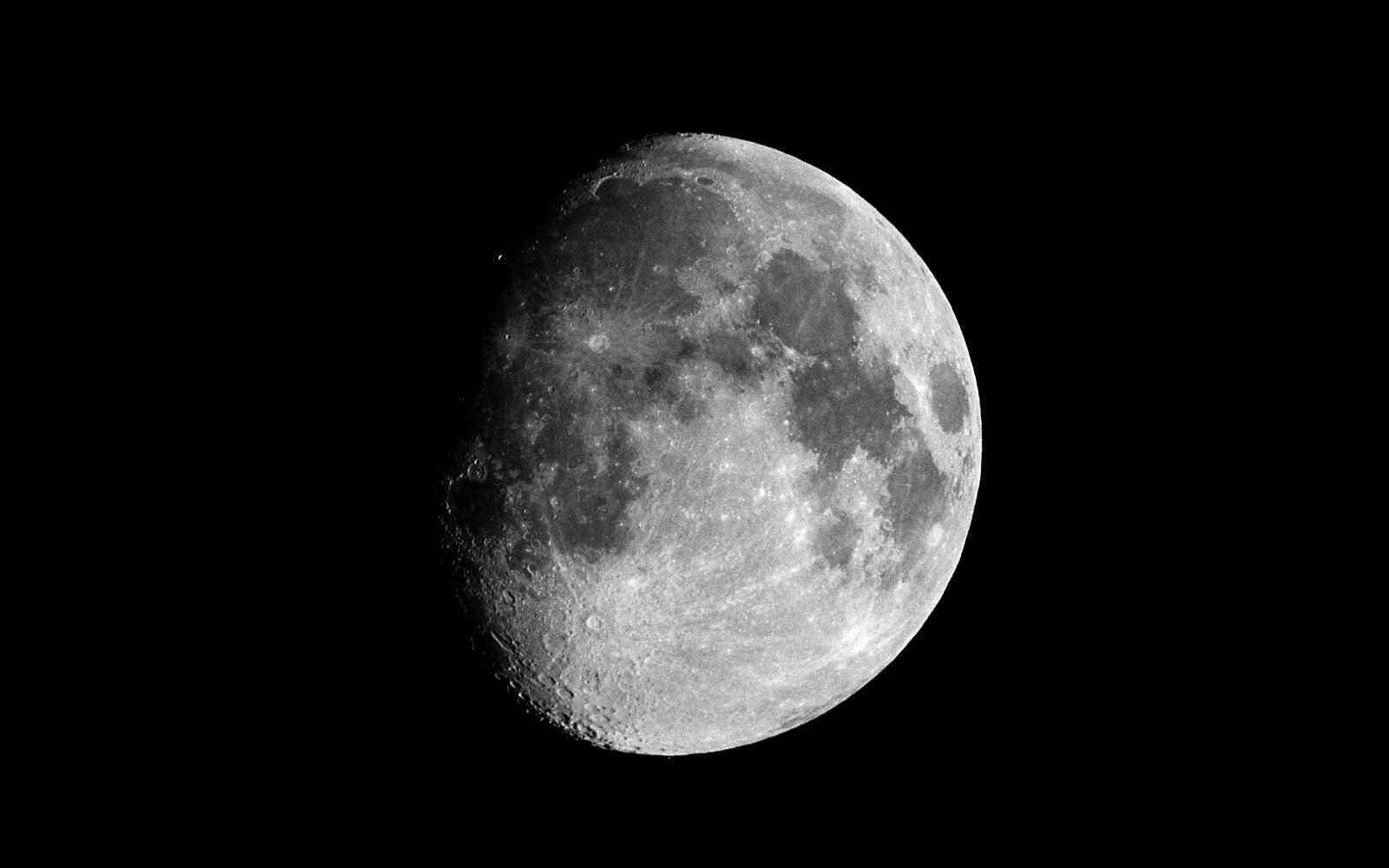 Cover image via hugohd.com
This photo of the moon is taken with an iPhone. However, if you have tried photographing the moon with an iPhone, you would know it DOES NOT look like the moon you see here. No, Sir!
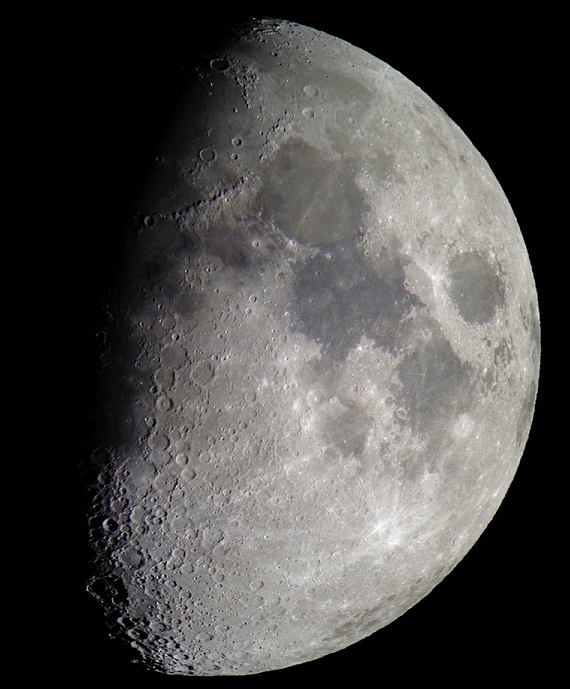
At best, it looks like this: a yellow-orange, ovular blur
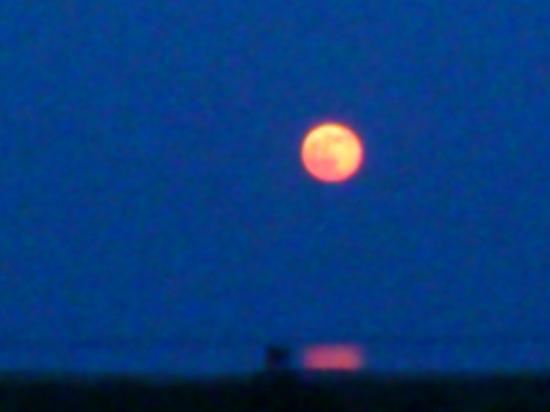
Image via null
That killer shot of the moon was taken by Andrew Symes
Andrew is a Canadian astronomer who has mastered astronomical iPhone photography. According to Universe Today, he ventures out into the chilly nights frequent to his native of Ottawa, Canada to practice his craft, as he observes in temperatures that would drop a Tauntaun.
Eager to start photographing the night sky?
As Andrew [notes](https://canadianastronomy.wordpress.com/2013/03/04/smartphone-astrophotography-how-to-photograph-the-moon-planets-with-your-phone/) in his website, the quality of current smartphone cameras makes it possible to take very respectable images of the Moon and planets through a telescope with your phone – but it takes some work.
"While the end results may not match those taken with webcam or DSLR equipment, smartphone astrophotography can be a good starting point for budding astrophotographers."
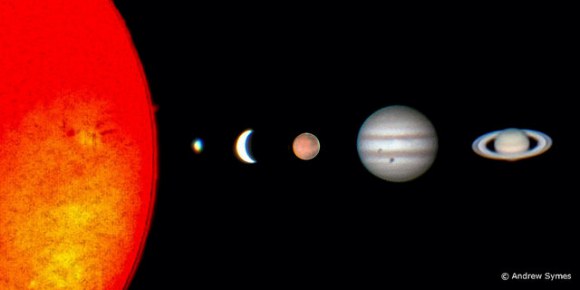
First of all, you'll need a telescope!

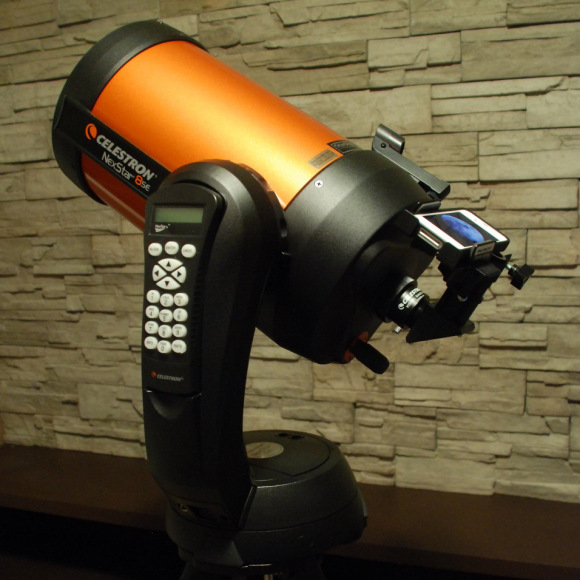
Next in the line is a smartphone adapter


You will also need eyepiece filters
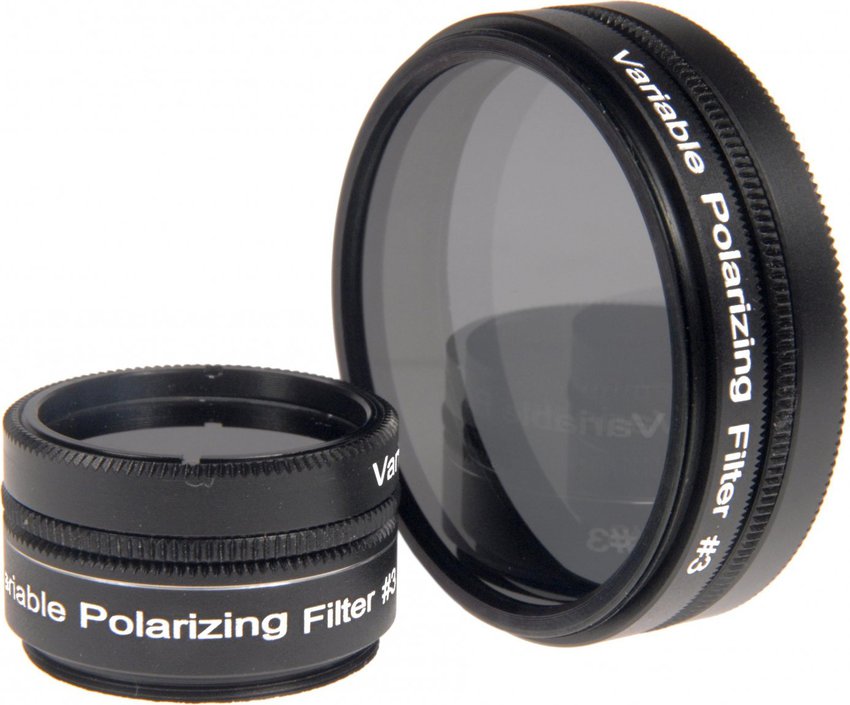
Image via null
"When photographing a planet like Jupiter, an eyepiece filter will help you to image features on the disc. Without a filter, a smartphone will capture Jupiter as a bright, over-exposed blob," writes Andrew.
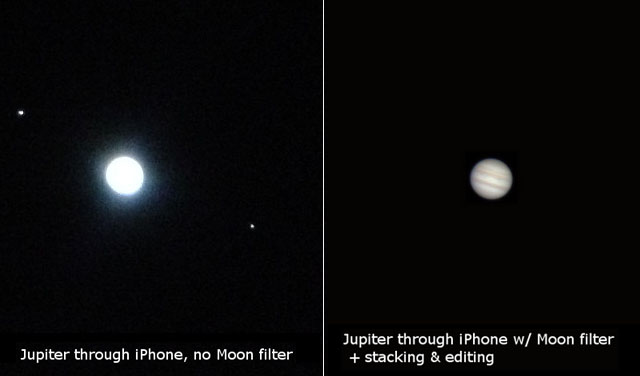
Image via null

Image via null
Lastly, you'll be needing a lot of practice!
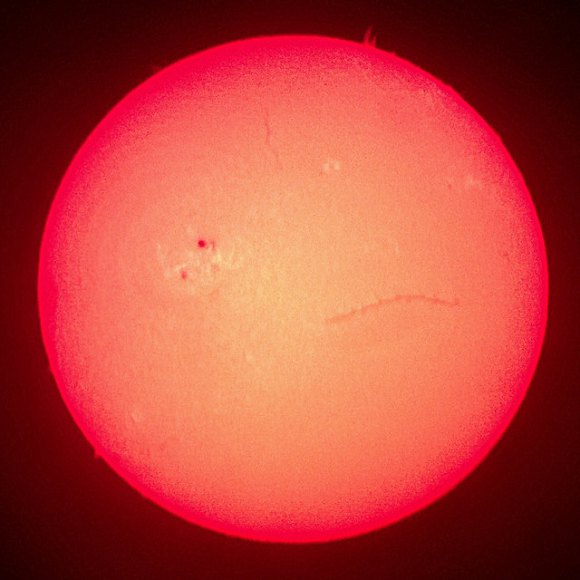
In summary, if you use an 8″ telescope, the NightCap app for iPhone, a smartphone adapter, eyepiece filters, some stacking and editing software, and good practice, you can obtain a high-quality image of the Orion Nebula. A photo taken by Andrew.
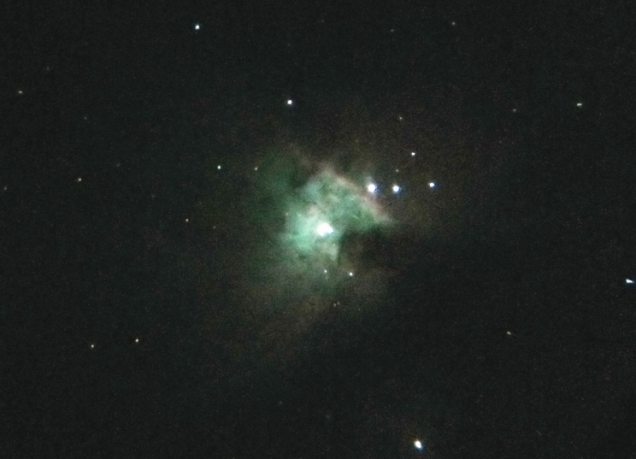
Single frame of the Orion Nebula taken with the NightCap app and brightened using the Camera+ app.
Image via null