


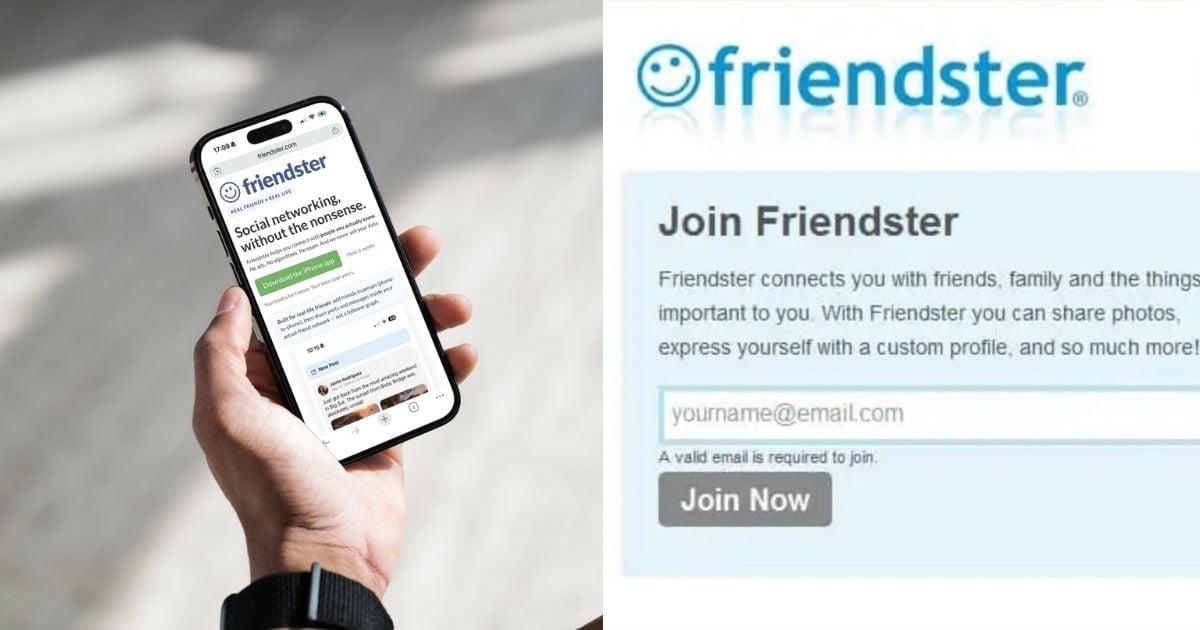
 Cover image via
Follow us on Instagram, TikTok, and WhatsApp for the latest stories and breaking news.
Friendster, the platform that served as a precursor to social media giants like Facebook and Instagram in the early 2000s, has officially made a comeback in 2026
Revived under the leadership of Mike Carson, the platform has abandoned the digital architecture that defined its past to embrace a singular, bold philosophy: real-world connection.
While the original iteration of Friendster was eventually overtaken by newer platforms and shuttered in 2015, the new version is designed to be the antithesis of the modern algorithmic web.
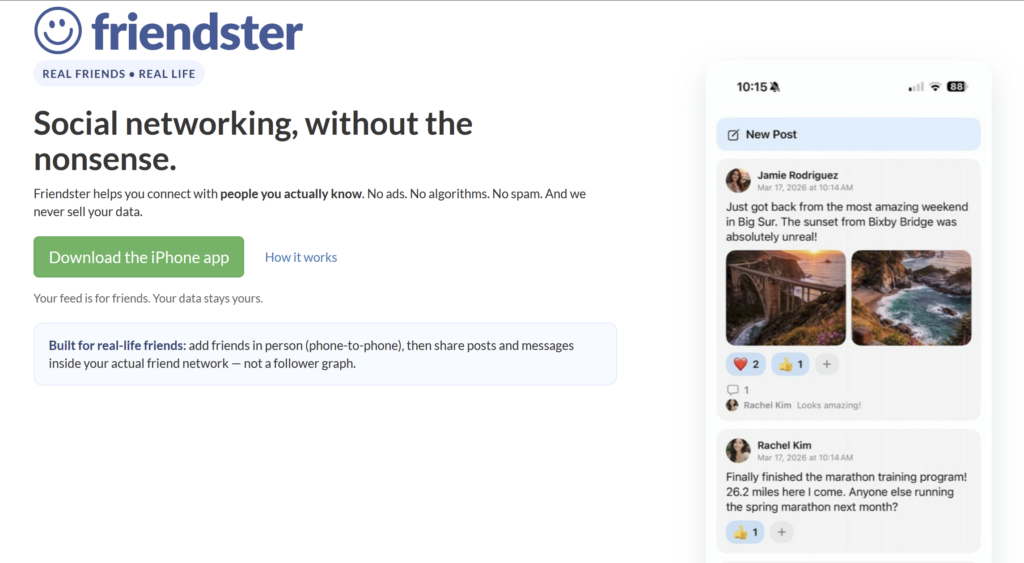
The core concept of the new Friendster is that users cannot connect with anyone online unless they have met them in person
Available exclusively on iOS via the Apple App Store, the app eliminates the discovery mechanisms found on most modern platforms.
There are no search bars, no suggested friend lists, and no ability to add strangers. Upon signing up, users begin with a completely blank slate, as no legacy profiles, old photos, or past connections from the original site have been restored.
To establish a connection, two users must meet physically and initiate "the tap", a feature where they tap their iPhones together or rely on proximity to sync their accounts.
If a user has not met someone face-to-face, that individual simply does not exist within their Friendster network.
Once a connection is established, the user experience shifts away from the public, performance-driven nature of typical social media
The interface offers a stripped-down private feed reserved strictly for people the user has actually met. No advertisements. No spam.
The platform has intentionally removed all public engagement metrics, meaning there are no "likes", no follower counts, and no public comments sections.
Furthermore, connections on the app are designed to be temporary. If users do not meet again within a year, their digital link gradually fades unless they reconnect in person and repeat the physical tap.
This revival arrives at a time when social media faces intense scrutiny over algorithm-driven content, addictive scrolling patterns, and online toxicity
By removing digital noise and forcing interaction back into the physical world, Friendster is positioning itself as a retreat from the digital status quo.
You can check out the new social media site here.
