


 Cover image via
Follow us on Instagram, TikTok, and WhatsApp for the latest stories and breaking news.
Bitcoin surpassed USD93,000 (RM376,000) on Tuesday, marking its first climb to this level in three weeks
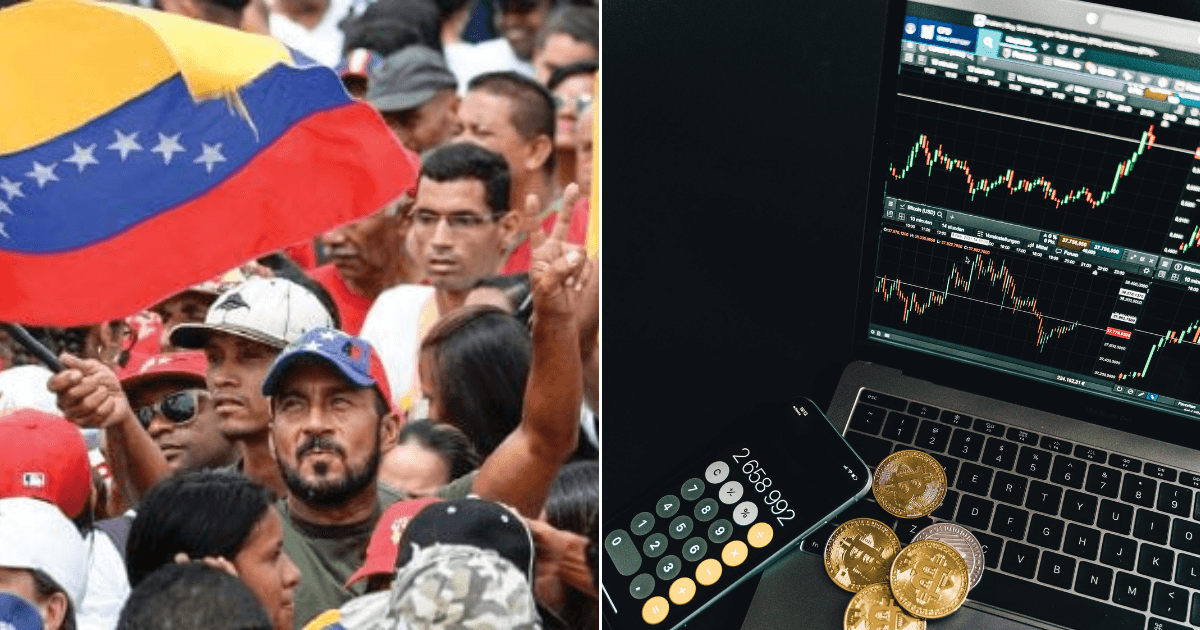
According to New Straits Times, the rally was likely fuelled by geopolitical tensions in Venezuela, following a US military strike and the capture of the country's president Nicolás Maduro.
Bitcoin's price swings and rising institutional involvement will remain major drivers of the global crypto market in 2026, said digital asset platform Luno Malaysia.
This comes amid ongoing macroeconomic and geopolitical uncertainties, which continue to contribute to market volatility.

A screenshot from Google displaying the price of Bitcoin at press time.
Image via GoogleIn its latest market outlook, Luno noted Bitcoin reached an all-time high of USD126,200 (RM511,000) in October 2025 before opening 2026 at USD87,825 (RM355,000)
The reversal reflected market pressures, such as leverage-driven liquidations and significant outflows from Bitcoin exchange-traded funds.
Bitcoin recorded strong gains of 160% in 2023 and 125% in 2024.
The market was supported by US President Donald Trump's crypto-friendly stance, which generated USD802 million (RM3.2 billion) for his organisation in early 2025.
"Crypto markets today are highly interconnected with global macroeconomic signals and geopolitical developments," Luno Malaysia senior business development manager Benjamin Chuang said.
He added that while short-term movements may remain volatile, institutional participation continues to underpin long-term growth.

Chuang said cryptocurrencies are increasingly viewed as a diversification tool. This shift is reinforced by major financial institutions such as JPMorgan, which are exploring tokenisation.
Malaysia is moving in the same direction as global markets but within a tightly governed framework.
The Securities Commission Malaysia supervises the industry, recognising crypto as digital assets for trading but not as legal tender.
Trading is permitted only through registered Digital Asset Exchanges (DAX) that comply with custody standards, investor safeguards, transparency, and anti-money laundering controls.
Interest is expanding locally, with several corporates exploring ringgit-pegged stablecoins and tokenisation initiatives.
On the retail front, Chuang said Malaysian investors have become more informed in their trading strategies.
Rather than spreading exposure across the five largest cryptocurrencies, many are building positions in trending tokens, contributing to surges in trading volumes for niche assets.
