


 Cover image via
Follow us on Instagram, TikTok, and WhatsApp for the latest stories and breaking news.
If you've ever woken up groggy even after a full eight hours, you'd know that sleeping longer doesn't always mean sleeping better.
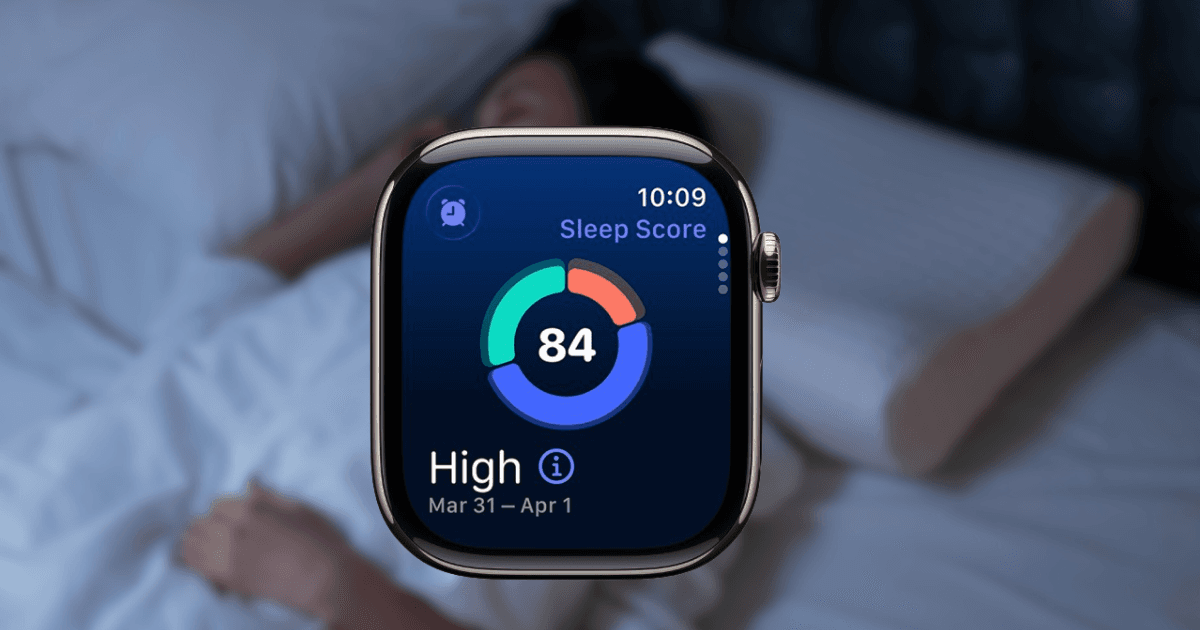
Apple's latest feature for the Apple Watch Series 11 — Sleep Score — is designed to finally explain why.
According to Dr Matt Bianchi from Apple's Worldwide Clinical Team, the company's goal is simple: to help people take charge of their own health with "better information and more control".
"Apple Health is really working hard across many aspects of health and wellbeing to change the way people think about their life and live a healthier day," he said to SAYS Tech.
"We do that by equipping users with two key things — better information, and more control to take action."
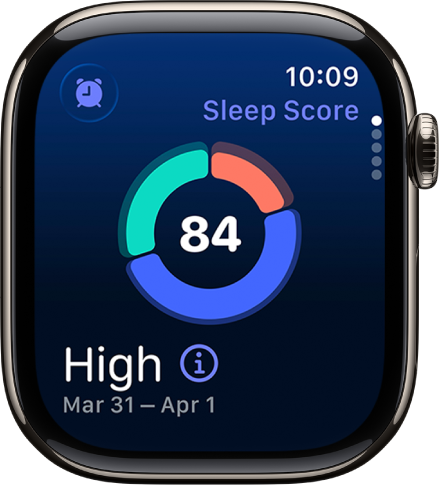
Sleep Score builds on the Apple Watch's existing sleep features like Wind Down, Sleep Focus, and sleep stage tracking by giving users a clear number between 0 and 100 every morning
"The Sleep Score now enables a person who sleeps with their watch from day one to get a score when they wake up in the morning," Dr Bianchi explained. "We wanted it to be very transparent about what goes into it."
The transparency he mentions is central to the design. Rather than leaving users guessing, Apple shows exactly why a person got a certain score, breaking it down into categories that follow guidelines from the American Academy of Sleep Medicine, the National Sleep Foundation, and the World Sleep Society.
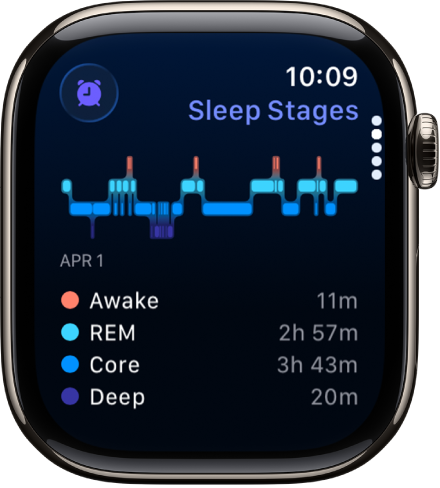
Dr Bianchi revealed that the Sleep Score is made up of three key components:
- Duration (50 points): the most significant factor, focusing mainly on total sleep time (40 points), with smaller contributions from REM and deep sleep (5 points each).
- Consistency (30 points): how regular your bedtime is, measured against your own average over the past 13 nights.
- Interruptions (20 points): the number of times you wake up and the total time spent awake.
"All the data from literature and the guidance from these authorities say that duration is important, but REM and deep sleep are actually less important," he said. "We want people to pay attention to the things that the field thinks are important."
To ensure accuracy, Dr Bianchi's team calibrated the Sleep Score algorithm using over five million nights of real-world sleep data collected through the Apple Heart and Movement Study
"That was a critical part of this," said Dr Bianchi. "We used real-world sleep data to make sure that all of that great thinking from the published literature actually plays out in the real world in a sensible way."
One of the main goals of the Sleep Score is to nudge users toward healthier sleep habits by providing actionable data.
"I'll give you one key example — bedtime," Dr Bianchi said. "If you see that you got the amount of sleep you wanted, but you went to bed an hour later than usual, you can see that in the score and then take action on it. The very next night, go to bed at a more consistent time, and you'll immediately see the fruits of that in your score."
Users might also notice how certain habits like having caffeine or alcohol too close to bedtime, or exercising too late affect their interruptions score
"They might see the interruptions part react in the score and then say, 'Oh, maybe I should make different choices.'"
In other words, it's a feedback loop that encourages small, achievable changes without shaming or overwhelming the user.
Dr Bianchi clarified that Sleep Score is not a clinical tool, unlike Apple's hypertension or sleep apnoea notifications, which go through regulatory review
"Sleep Score is in what we consider a wellness space," he said. "It's not a medical claim, but anything we can provide to help users be more introspective about their sleep, to help them notice patterns, will go a long way to support discussions with their doctor if they choose to have them."
So while it won't diagnose insomnia or sleep disorders, it can still help people become more aware of their sleep quality and perhaps start better conversations about it.
With the new Sleep Score and hypertension notifications, the Apple Watch Series 11 continues to evolve from a simple fitness tracker into a comprehensive health companion
For Dr Bianchi, sleep sits at the centre of it all. "Sleep is such a pillar of health," he said. "Even in the real world, without seeing a doctor, everybody knows what it feels like not to sleep well."
And for Apple, helping people understand that and do something about it might just be the most meaningful update yet.
