


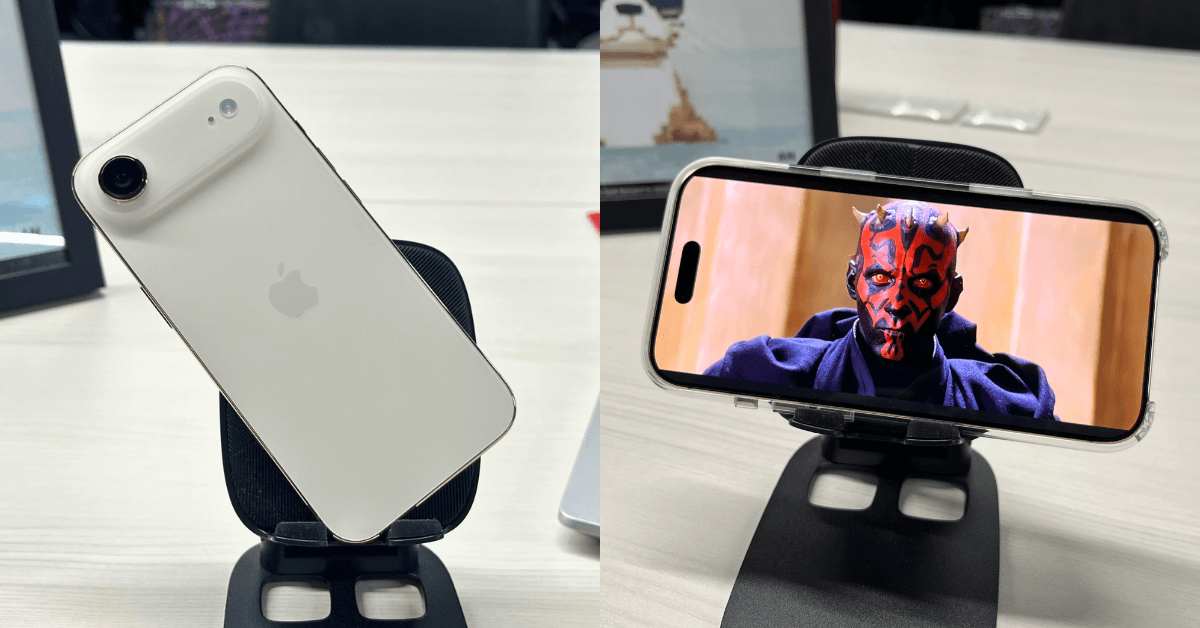
 Cover image via Anne Nunis / SAYS
Follow us on Instagram, TikTok, and WhatsApp for the latest stories and breaking news.
The iPhone Air was introduced alongside the latest iPhone 17 lineup in September. The first of its kind, the iPhone Air is the thinnest iPhone model yet.
At a glance, it boasts a slimmer yet more durable frame, an impressive front camera, and of course, the novelty of owning the brand-new iPhone Air.
Having spent over a month testing this phone, my thoughts on it remain divided. But let's dive into that.
One question I had while reviewing the phone is: "Who is this for exactly?"
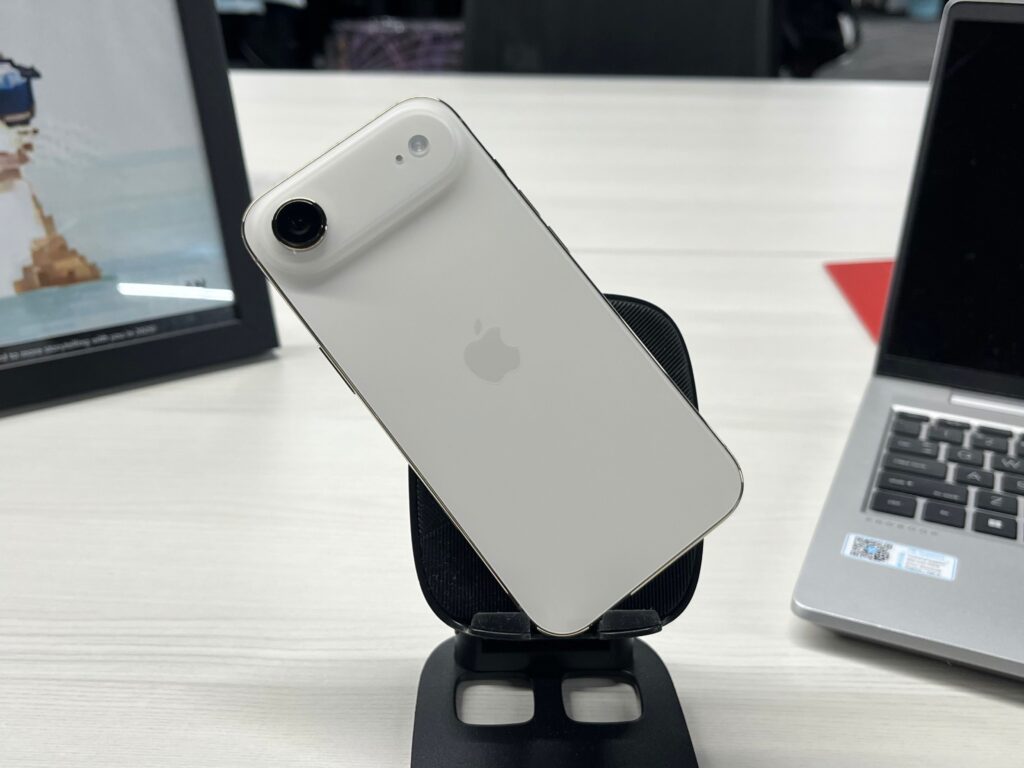
The iPhone Air is available in three storage options: the base 256GB unit costs RM4,999, while the 512GB and 1TB units cost RM5,999 and RM6,999, respectively.
This positions it in between the iPhone 17 and iPhone 17 Pro and Pro Max both in terms of price and specs (with the exception of the camera). This is great because it just means there are more options for users. However, it feels like a 'neither here, neither there' situation.
Don't get me wrong: this is a good phone, provided you're in the right demographic.
Let's talk about the build first
As the slimmest and lightest iPhone, the iPhone Air is only 5.6mm thin and weighs 165g. And you can really feel how light it is. This was especially evident when I filmed an event and found the phone to be a delightful, lightweight companion for my video-taking needs.
When I first held the phone, my first impression was that this is not a phone you want to drop. The phone is really light; the camera bump… not so much. The result is a phone that's a little heavier up top, so it does require some getting used to.
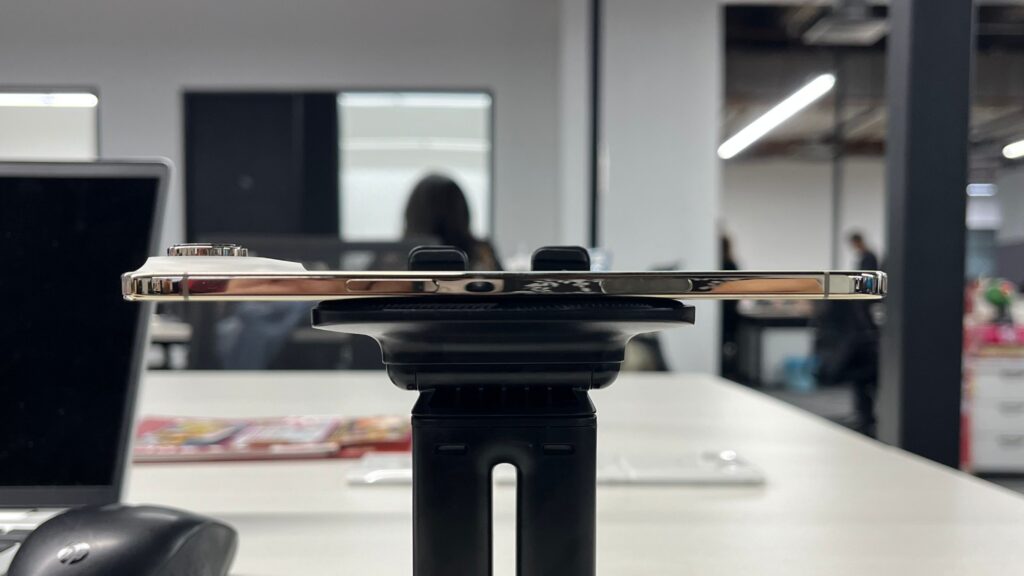
Thankfully, we're seeing a Grade 5 titanium frame (the other devices in the iPhone 17 lineup only come with an aluminium frame) and a Ceramic Shield front and back. Apple claims this build combo makes the screen three times more scratch resistant and the back four times more resistant to cracks than previous generations of iPhones.
Given the slender build of the iPhone Air, this is a big plus point.
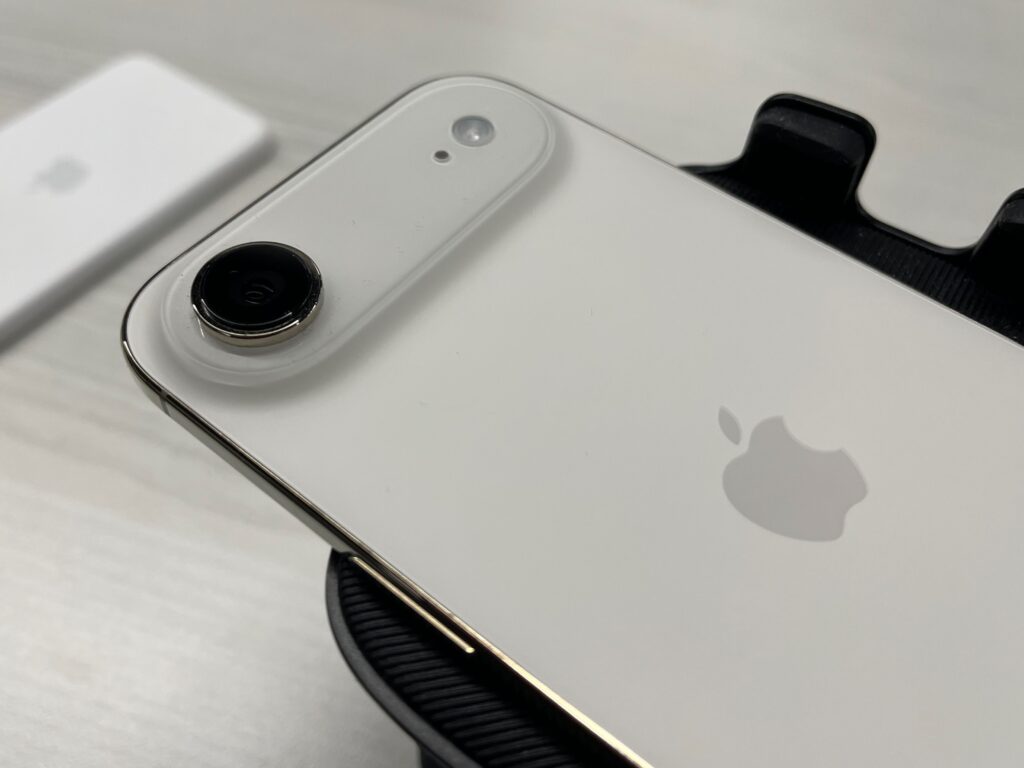
What I love about this phone is that it's sleek. The iPhone Air has a design unlike any other Apple device, but that makes it stand out even more. The device itself feels premium, and the shiny rim gives it that extra bit of personality.
There are four colourways: Sky Blue, Cloud White, Light Gold, and Space Black. The one pictured above is the Light Gold variant, so its rim is a sweet, shiny gold that would even catch Smaug's eye.
Despite being very light, the iPhone Air still has a 6.5-inch Super Retina XDR Display that's very pleasing to the eye
This is where one of the 'in between the iPhone 17 models' specs comes in. The iPhone 17 and iPhone 17 Pro have 6.3-inch displays, and the iPhone Pro Max has a 6.9-inch display. The in-betweener? The iPhone Air.
The sharp visuals and deep colours of the screen itself are nothing short of what you'd expect from an Apple device. That, and its peak brightness of 3,000 nits and anti-reflection film, makes it a vivid screen that can be visible even when outdoors under the sun.
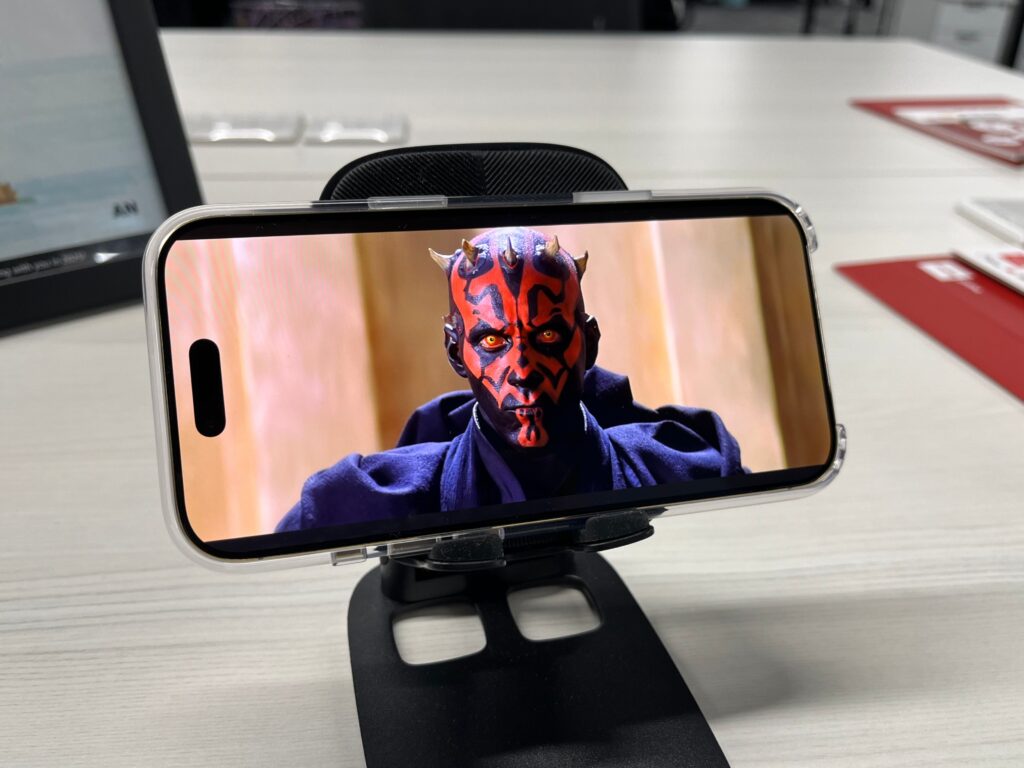
I say this now as you stare at a picture of Darth Maul: there's only one speaker on the iPhone Air, and it's on the earpiece. Ahhh!
A one-speaker phone may not be a biggie for some, but it was pretty disappointing when Duel of the Fates didn't hit the way it should. The audio felt imbalanced, and the sound lacked the depth that most iPhones bring to the table.
As someone who adores blasting music out loud, this is a real miss for me. However, keeping in mind that we live in a society of Bluetooth audio accessories, this little detail might not matter to some.
It's also worth noting that due to the phone's size, it only supports e-SIMs.
Internally, the iPhone Air offers a Pro experience without being a Pro device
The iPhone Air is equipped with an A19 Pro chip, which is the same one you'd find in the iPhone 17 Pro devices. The only difference between the two classes is that the 17 Pro and 17 Pro Max have a 6-core GPU, and the Air has a 5-core GPU.
In terms of performance, the iPhone Air runs very smoothly. Alongside that 5-core GPU (which comes with new neural accelerators), it has a 6-core CPU and a 16-core Neural Engine.
There's very little latency in anything I've loaded so far. It's built to handle Apple Intelligence and other artificial intelligence (AI) features, and its refresh rate can go up to 120Hz, meaning gaming on this was no fuss.
However, I must admit, the iPhone Air comes with a side of unpredictability. I say this because there are times that I can run my game, Adventure Quest 3D, without the phone heating up or the battery level going down that much — an hour-long gaming session saw the battery deplete by only 2%.
Then, there were times when all I did was start up the phone or open the camera for a while, and the back of the phone heated up almost instantly, with the battery depleting rapidly. I'll attribute it to the infancy stage of the iOS 26 system because, knock on wood, the battery has been pretty stable the past week.
Now, about that camera…
The iPhone Air only has one rear camera, which is a 48MP fusion camera system that basically mashes four lenses into one. This is definitely one of the main compromises that needed to be made to accommodate the slimness of the phone.
It's not the best camera system on an Apple phone, but it still does a great job at capturing very clean and clear shots. If you're not big on mobile photography, you'd hardly notice the difference.
Personally, the iPhone Air's camera gets the job done, and that's what matters. Here are some city shots I took with it:




It's missing an ultra-wide and macro lens, but what it lacks in its rear camera system, it makes up for in its 18MP front camera. The resolution is good for selfies, and it also has the Centre Stage feature, meaning the camera can adjust the framing of the photo to fit in the main subjects.

Let's talk battery
This was an aspect I was sceptical about when I first tried out the phone, especially since its 3,149mAh battery kept dying on me the first week — again, this could be the teething issues of the iOS 26. Even when left idle, I found I needed to charge the phone every two days.
I'll give the iPhone Air credit for still giving me up to 12 hours of wake time with average use, and when I took it out for a spin for work, it lasted me about half a day of filming and another half of editing. Unpredictability, remember?
Assuming my earlier experiences with it were the phone accommodating the demands of the iOS 26, the phone's battery was pretty well-behaved the past week.
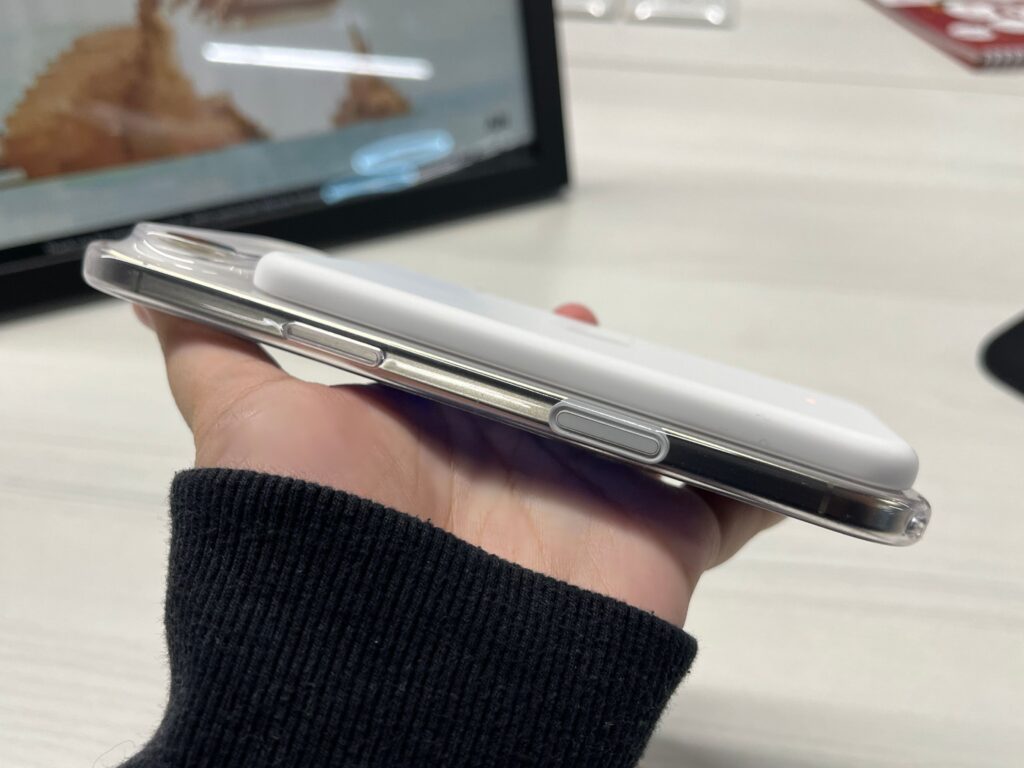
One of the main accessories for the device is the MagSafe Battery specifically meant for the iPhone Air, which is sold separately for RM479. You can slap it onto the back of your phone to feed it life, and it'll blend in so well, you'd think you're holding a regular slab phone.
The iPhone Air uses a Type-C cable (included in the box), and it takes slightly under two hours to get from 0% to 100% with a 20W charger.
So… the verdict?
Coming back to that "Who is the phone for exactly?" question, it really boils down to what you want in a phone and what you're willing to trade away for it. I can see it being the phone of choice for someone who loves aesthetics and doesn't mind not having the best specs you'd expect from an iPhone.
For some, the slimness and novelty of the iPhone Air are reason enough to get it, and that's totally fine. After all, its performance is smooth and its slender frame really does feel like air. Personally, given its high-range and rather flagship price point, the iPhone Air falls short in what you're paying for it.
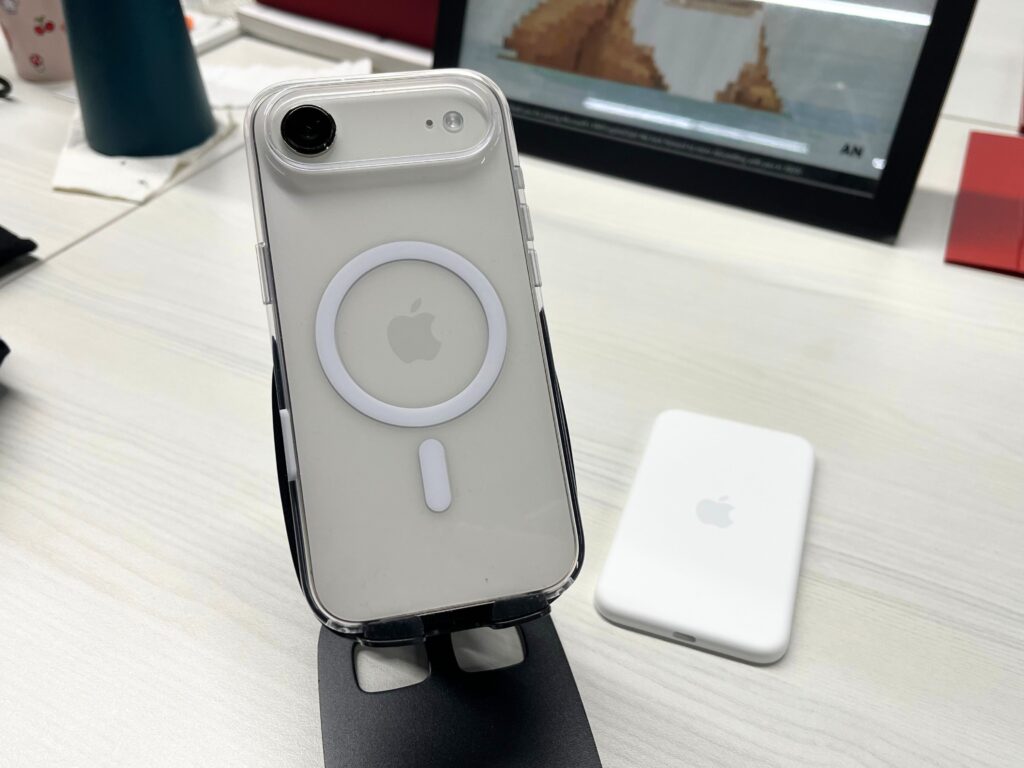
Apple was clearly trying to start something new with the iPhone Air, and it's a good first attempt. Given how slim it is, it makes sense that sacrifices had to be made to fit everything into one phone. And for all I've said about this phone, the iPhone Air really lives up to its name.
While it remains unclear if Apple plans on creating future generations of the iPhone Air, I'm curious to see if it can find the perfect balance between a slender device and flagship specs.
