


 Cover image via
Apple has released fresh figures showing its App Store fraud prevention systems are effective
In 2024 alone, the tech giant said it stopped over USD2 billion (RM8.47 billion) in potentially fraudulent transactions and blocked nearly two million apps deemed too risky to reach users.
That brings Apple's five-year fraud prevention tally to over USD9 billion (RM38.14 billion), according to its latest App Store fraud analysis.

Image via Zana Latif / Pexels
Keeping the App Store safe requires more than automated checks.
Apple claims its App Review team, made up of actual humans, looks at nearly 150,000 submissions a week.
Last year, they rejected nearly two million apps that failed to meet Apple's standards for security, reliability, or privacy, including 400,000 submissions flagged for privacy violations and 43,000 for hidden features.
Apple also purged more than 37,000 apps tied to fraudulent activity, as well as removed another 17,000 for bait-and-switch tactics
"App Review rejects any potentially malicious apps it identifies during review," the company said.
This goes beyond app vetting.
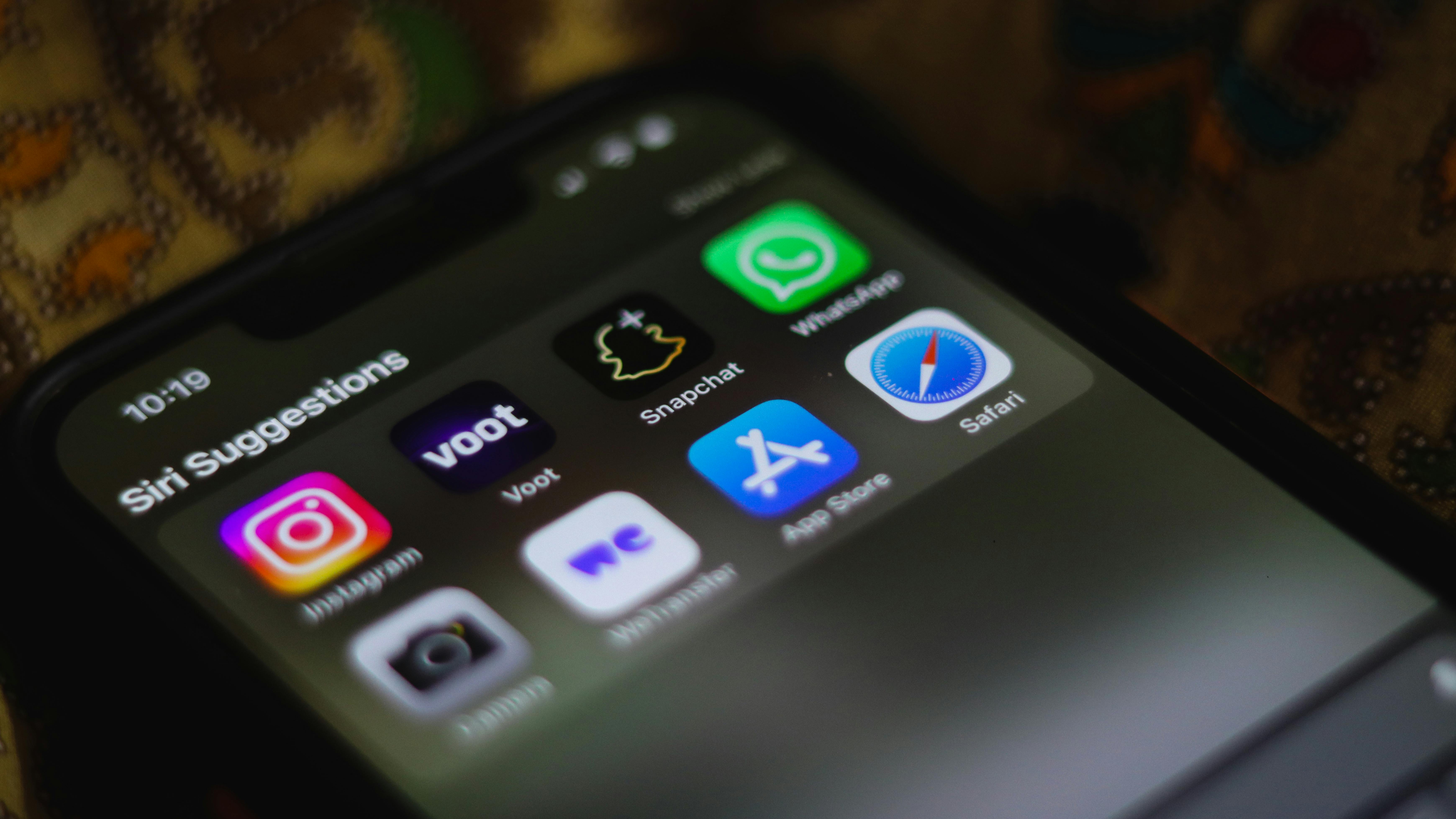
Image via Sanket Mishra / Pexels
Apple also terminated over 146,000 developer accounts in 2024 for fraud concerns, rejected 139,000 new enrolments, and blocked over 711 million suspicious customer accounts from being created
It also banned 1.6 million accounts from transacting again after identifying nearly 4.7 million stolen credit cards.
Apple credits its in-house tech stack, including StoreKit and Apple Pay, for enabling secure transactions in 175 countries.
These tools not only encrypt purchases but also strip away personally identifiable financial info before it reaches developers.
Apple's numbers are hard to independently verify. But with over 813 million App Store visitors each week, the scale alone is a reminder: policing a global digital marketplace is as much about infrastructure as it is about intention.

