



For years, accessibility was treated as an afterthought in consumer tech. Not anymore.
Apple, in particular, has made a habit of baking accessibility features directly into its ecosystem — and for people like Loh Boon Keat and Siti Huraizah, that design philosophy has quietly revolutionised the way they interact with the world.
Loh Boon Keat, a digital accessibility advocate based in Malaysia, says the tools on his iPhone are not just helpful — they're essential.
"VoiceOver is a game-changer. I use it every day to read messages, navigate apps, and even get a sense of what's around me," he explains.
Boon Keat, who is well known among the visually impaired for his helpful tech guides on social media, said he uses the feature daily.
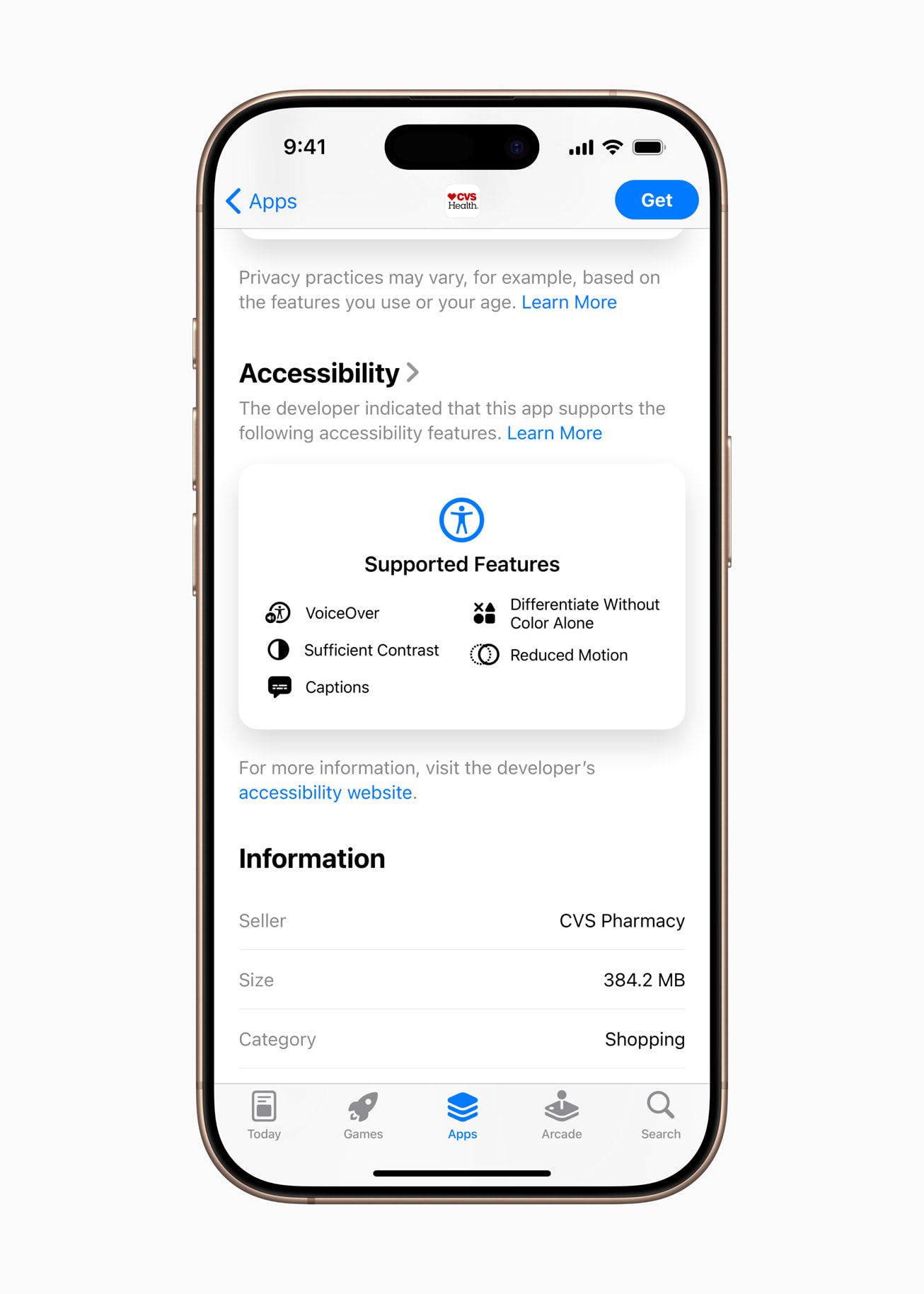
Image via Apple
VoiceOver, Apple's built-in screen reader, converts everything on the screen into spoken feedback
But Boon Keat also points to features like Speak Screen, which can read out content with a simple gesture, and Detection Mode, part of the Magnifier app.
With Detection Mode, people with visual disabilities can walk into a space and know if there's a person nearby or a door in front of them.
Despite growing awareness around accessibility, there are still major misconceptions.
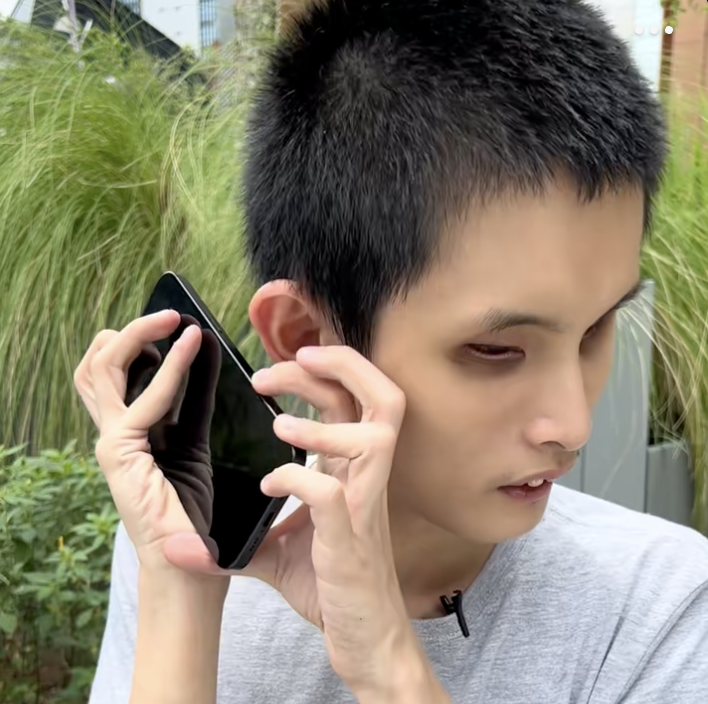
Image via Loh Boon Keat / TikTok
Siti Huraizah, who works with the Malaysian Association for the Blind, highlights one of the most persistent misconceptions: that accessibility simply means adding sound
"In usual cases, these sounds may disrupt screen reader software," she explains. "In fact, complying with WCAG is enough to make an app accessible."
The Web Content Accessibility Guidelines (WCAG) are a global standard — but not always followed.
Siti warns that many developers assume their apps are compatible with screen readers like VoiceOver, only to leave blind users unable to engage with basic functions.
What sets Apple apart, both Boon Keat and Siti argue, is that accessibility isn't bolted on after the fact. It's part of the blueprint.
"Apple builds accessibility into the design process," Siti says. "Their devices are more advanced in meeting a wide range of accessibility needs because they think about it from the start."
She's also quick to point out how Apple devices complement physical accessibility tools.
While she's helped advocate for Braille-enabled vending machines and better tactile signage, it's the iPhone that fills in the gaps.
"If a sign lacks accessible features, the iPhone can take a photo and read the text out loud."
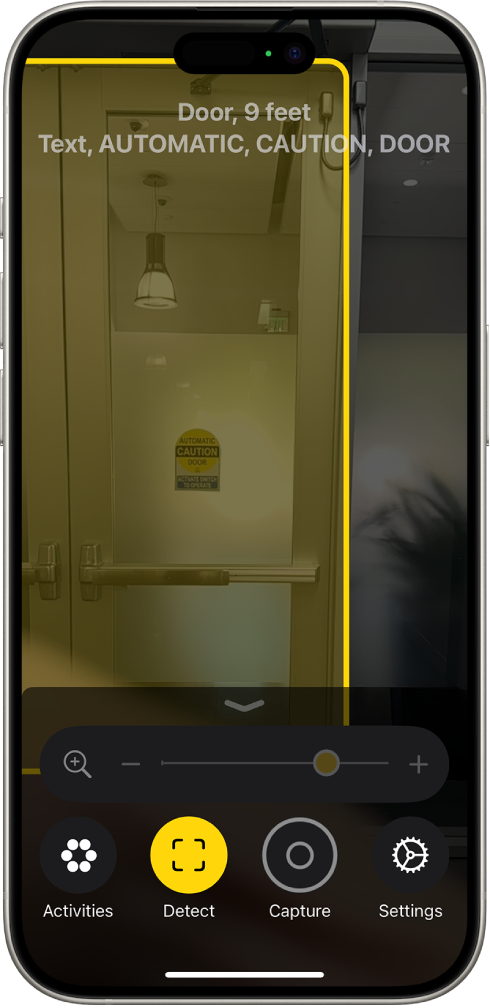
Image via Apple
For many, features like Door Detection — available on iPhone Pro models — remain under the radar. But for visually impaired users, they're nothing short of life-changing.
"It (Door Detection) can help visually impaired individuals navigate doors, inform them about what is on the table, and read the descriptions of the products using LiDAR, camera, and on-device machine learning," says Siti.
Accessibility may not always make headlines. But for the people who rely on it, the tech speaks volumes.

