


 Cover image via
 Follow us on Instagram, TikTok, and WhatsApp for the latest stories and breaking news.
A recent study has shed light on how artificial intelligence can help detect early signs of breast cancer
The study, published in medical journal The Lancet, covers research conducted in Sweden in 2021 and 2022, and involved 100,000 women, reported AFP.
The women were randomly sorted into two groups. In one, a single radiologist conducted cancer-screening scans, with the assistance of an AI system.
In the other, the women were subject to the standard European method, which involved two radiologists conducting the scans.
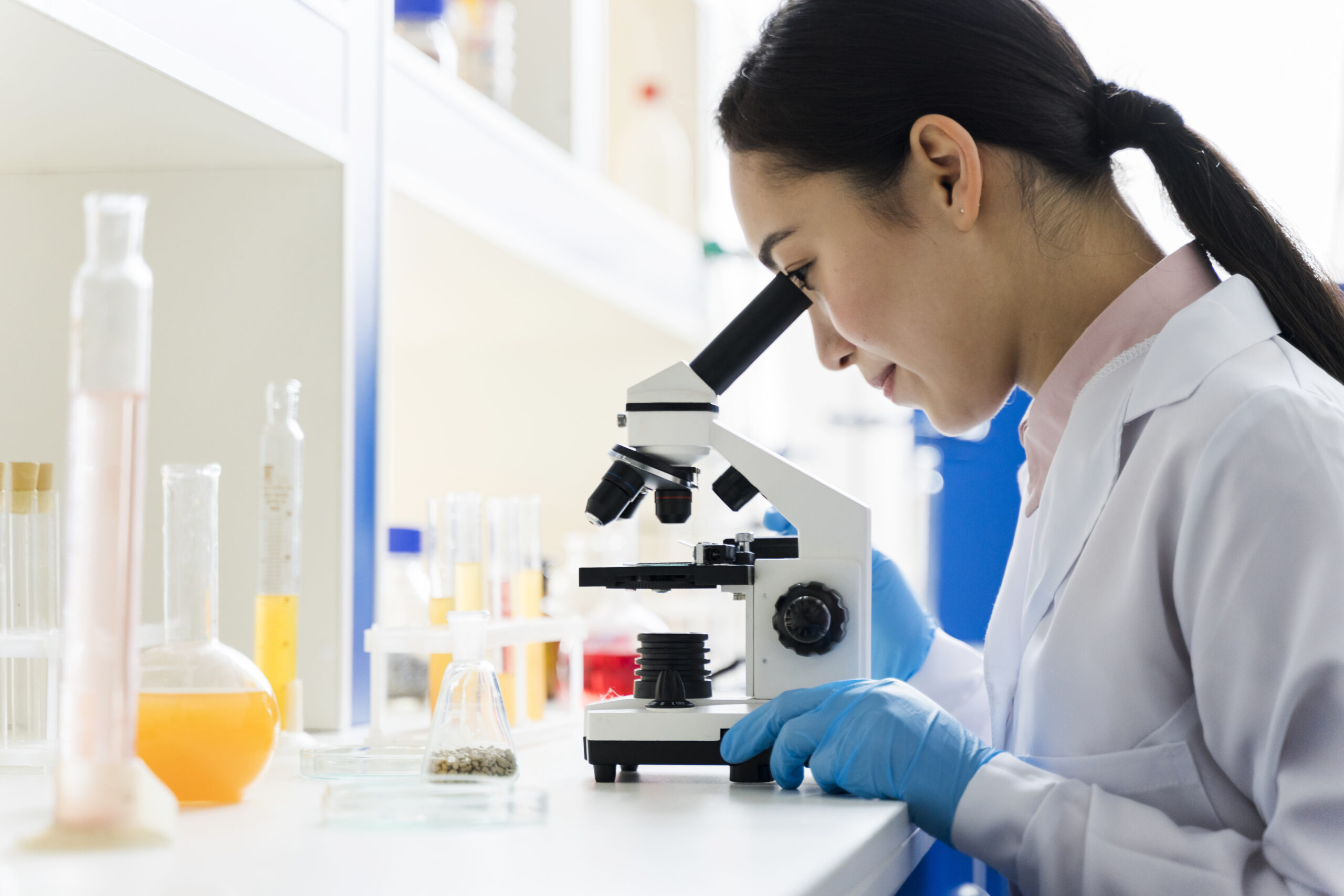
Image used for illustration purposes only.
Image via FreepikNine percent more cancer readings were detected over a two-year period in the AI-assisted group, compared to the control group
The women in the AI-assisted group were also found to have a 12% lower chance of being diagnosed with interval cancers between routine scans.
Interval cancers are diagnosed after healthy, normal screenings. They are known to be faster-growing and more dangerous than screen-detected cancers, and constitute roughly 20 to 30% of breast cancers diagnosed in screening programs.
It is noted that the improvement is consistent across different ages and levels of breast density, which could be risk factors.
The rate of false positives in both groups is reportedly similar, while interim results published in 2023 reportedly showed that AI nearly halved the time researchers spent on scans.
Senior study author Kristina Lang of Lund University said the rollout of AI programs could ease radiologists' workload and detect more cancers early.

Image used for illustration purposes only.
Image via DC Studio / FreepikHowever, radiologists stress that AI is capable of making mistakes, necessitating human oversight
Jean-Philippe Masson, head of the French National Federation of Radiologists, said only a human radiologist would have the eye and experience to correct an AI's diagnosis, as AI can see discrepancies in breast tissue that are actually not cancer.
These systems are also expensive and prone to what he called 'overdiagnosis'.
Lang also said that any widespread AI rollout should be done "cautiously" and under constant monitoring.
Other professionals, such as Stephen Duffy, emeritus professor of cancer screening at Queen Mary University of London, urged further study, saying the reduction in interval cancers in the AI-assisted group was "not significant".
The AI model used, Transpara, is reportedly trained on 200,000 examinations taken in 10 countries
Breast cancer is the most common form of cancer affecting women in Malaysia, according to the Breast Cancer Foundation, with an estimated one in 19 Malaysian women at risk.

A pink ribbon, the universal symbol for breast cancer awareness.
Image via Freepik