
Follow us on Instagram, TikTok, and WhatsApp for the latest stories and breaking news.
Most of us have interacted with artificial intelligence (AI) without even realising it
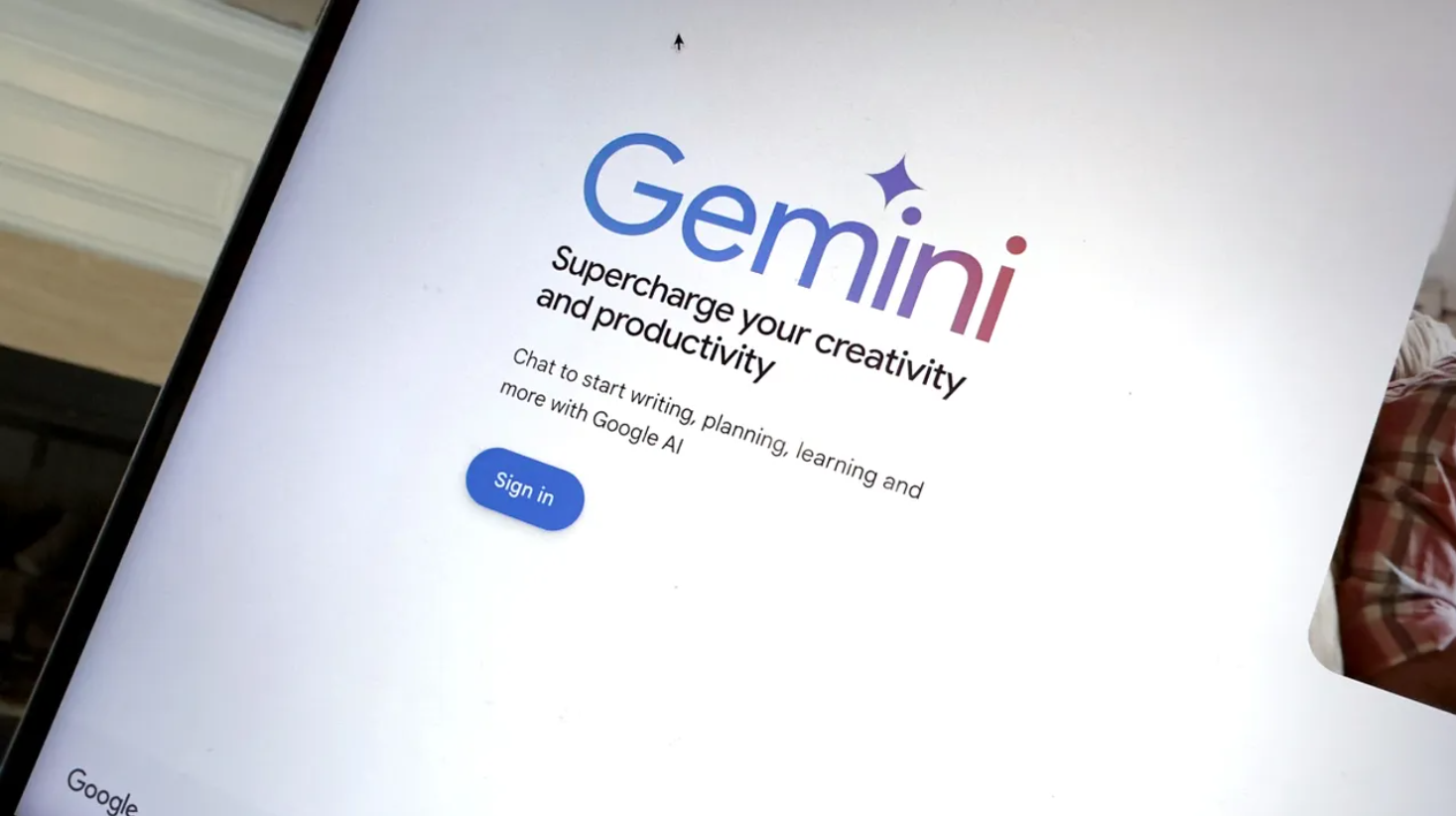
If you're a Google user, AI is already a large part of the ecosystem you are in.
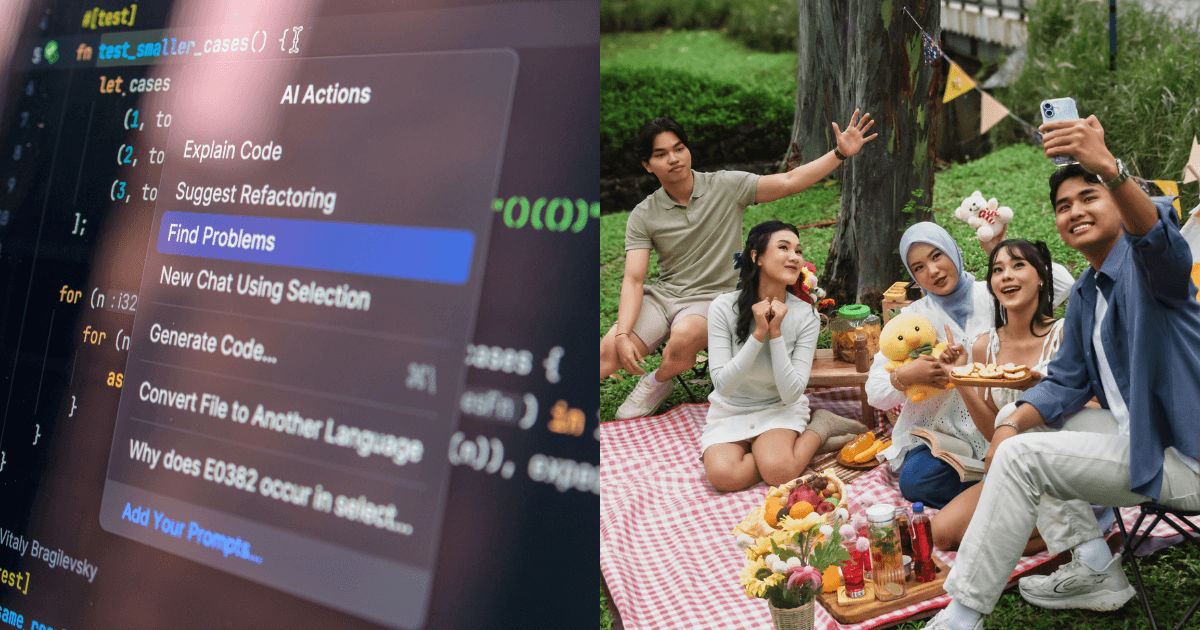
Image via ZD NETImage via CanvaIt helps write emails, powers search engines, recommends videos, filters spam, edits photos, and even answers customer service chats.
Not all AI content is automatically fake, dangerous, or deceptive.
In many cases, it's simply part of how the Internet and technology work today.
The real challenge isn't spotting AI everywhere. It's understanding when the presence of AI actually matters.
AI is already built into your everyday life
If you've ever:
- Used predictive text
- Seen recommended posts
- Asked a chatbot for help
- Translated something instantly
- Enhanced a photo with one tap
…Then you've used AI.
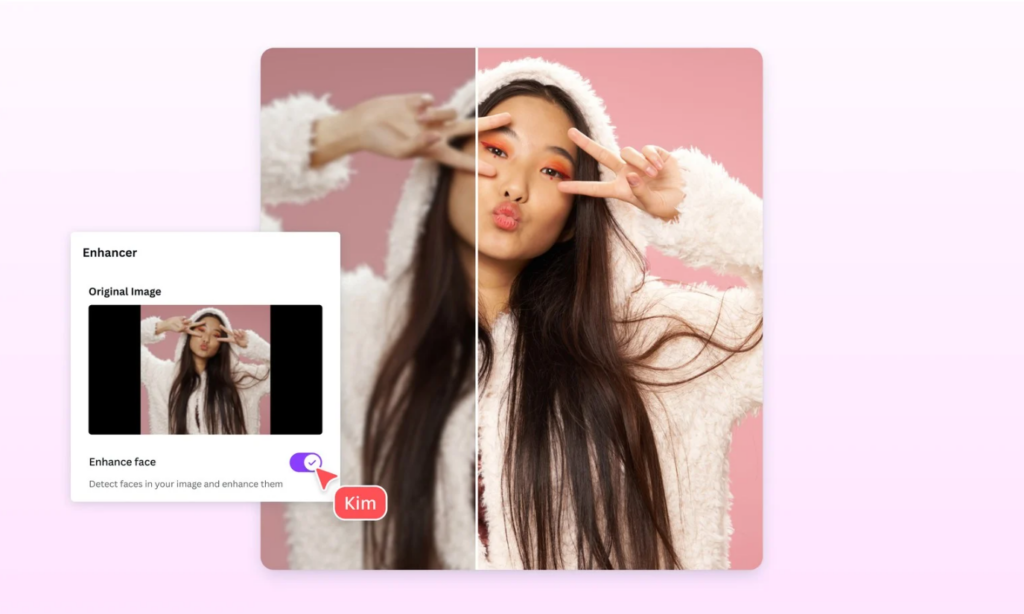
Using AI to touch up photos and videos can be done with a simple click on your phone.
Image via CanvaAnd none of these situations require suspicion or panic. The content isn't misleading you, it's trying to assist you.
This is why "AI-generated" tags alone don't tell you whether something is trustworthy or not.
The same content can be helpful or harmful depending on the use
A perfectly accurate AI summary of a health article can be useful when you want a quick overview.
The exact same summary becomes risky if someone relies on it to diagnose symptoms or choose treatment.
Nothing changed about the content, only the situation did.
Context determines whether AI output is convenient and informational or incomplete and potentially dangerous.
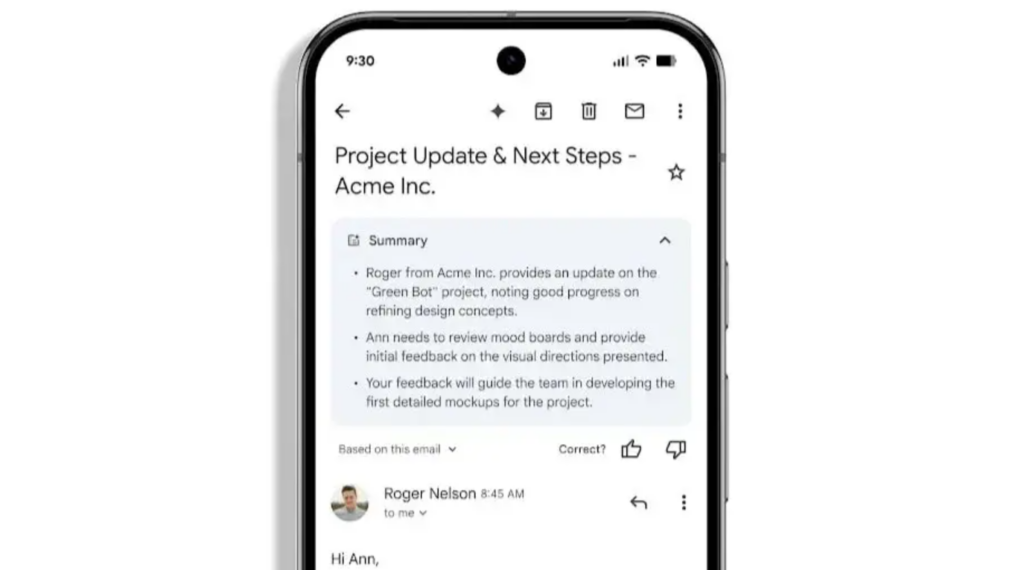
AI can help summarise text to give you a quick overview.
Image via Extreme TechMany people imagine AI as something obvious like a chatbot or an AI image. In reality, most AI works invisibly.
When you're online, AI determines which posts you see first on social media, which ads you are served, the emails that are filtered and marked as spam, what products are recommended on your ecommerce platform, and which search results rank higher for you.
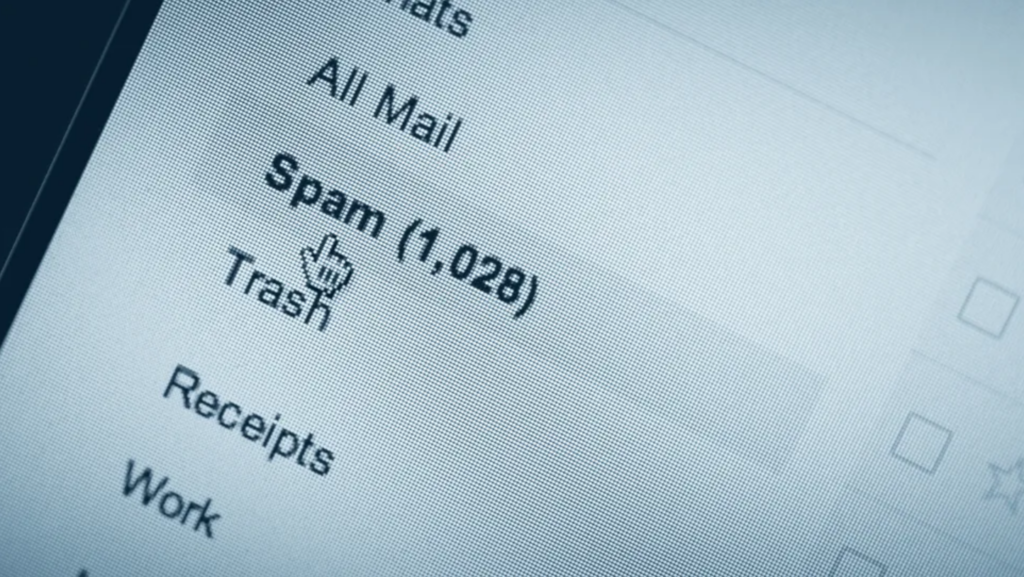
AI is used to keep your inbox clean by automatically keeping spam emails out.
Image via Tech RadarSo, AI is less about fake content appearing, and more about what gets amplified, buried, or prioritised.
That's why it's still important for you to double-check information that is served to you.
AI systems optimise for patterns, engagement, or probability, not your individual circumstances
AI can provide general guidance, but only you or a qualified professional can apply it responsibly.
For example:
- A financial tip that works for many people may be wrong for your income level
- A fitness plan may ignore injuries or health conditions
- A study method may not match your learning style
- Travel advice may overlook visa requirements or safety concerns
The Internet now contains both human and AI voices
Online information used to come almost entirely from people. Now, it's a mix.
Some content is:
- Written by humans
- Assisted by AI
- Fully generated by AI
- Edited collaboratively
- Automatically summarised
And most of the time, you won't know which is which. Instead of trying to identify every piece of AI content, it's more useful to ask:
Is this information reliable for what I want to do with it?

"Is this AI?" isn't necessarily the question you need to ask.
The smarter question is, "Does this decision matter enough to verify?"
You don't need to analyse everything.
A quick summary of an article or your colleague's email written with sudden perfect grammar isn't really cause for concern.
Just pause when something could actually impact your life.
This includes information that could affect your health, safety, finances, or rights, as well as news and current affairs that aren't from trusted sources.
AI isn't inherently good or bad. Similar to electricity or the Internet, its impact depends on how it's used.
REAL ke AI? Fact-check before you act. Everyone plays a role.
Click here to find out more.