


 Cover image via
Follow us on Instagram, TikTok, and WhatsApp for the latest stories and breaking news.
Even the most seasoned motorists can fall into the trap of neglecting their vehicles
While the golden rules are well known — check your tyres, follow service schedules, and never ignore dashboard warning lights — the hectic pace of modern life may push these crucial reminders to the back burner.
Unfortunately, ignoring these small things can snowball into major mechanical failures, drastically reducing your car's lifespan and unnecessarily driving up repair costs.
Here are some common car maintenance mistakes to avoid:
1. Skipping regular maintenance checks
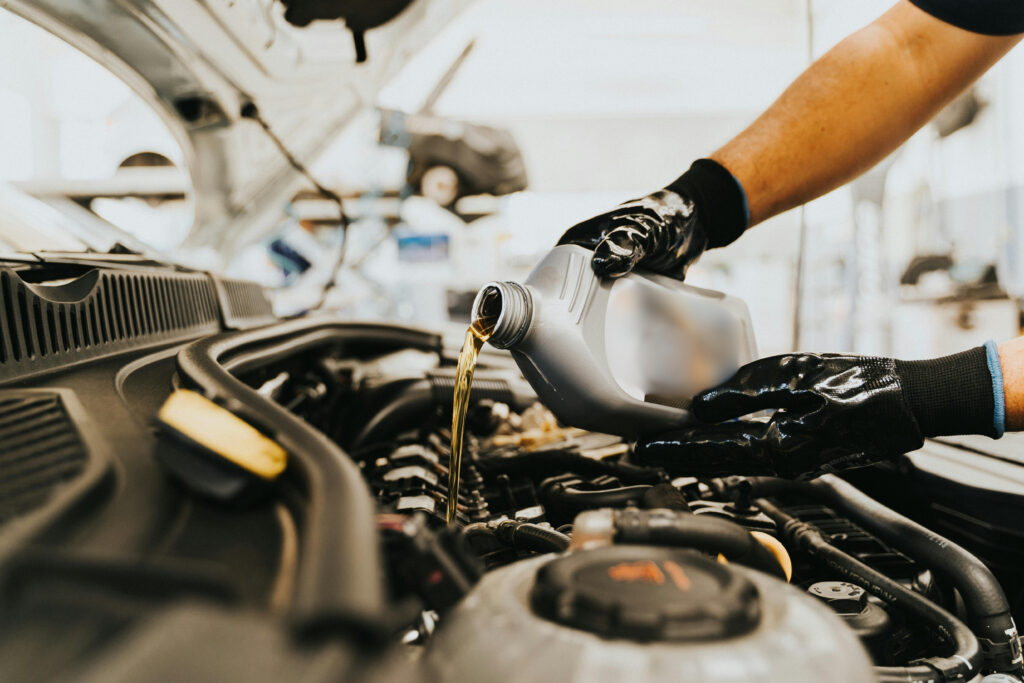
Technicians consistently cite missed oil changes as the leading cause of engine failure. Oil is not just a lubricant; it also cleans and cools the engine. When changes are delayed, the oil degrades into a gel-like sludge that clogs internal passages. This leaves metal components unprotected, frequently leading to seized engines or irreversible premature wear.
How to avoid: Never wait for the "Low Oil" light to illuminate, by then, significant damage has often already occurred.
Instead, make it a habit to check your dipstick monthly; if the oil is low, top it off, but if it appears pitch black and gritty, change it immediately, regardless of the mileage.
For those who are forgetful, switching to full synthetic oil is a smart move, as it generally offers superior protection over longer intervals, though it is not a free pass to skip the maintenance schedule.
2. Ignoring dashboard warning lights
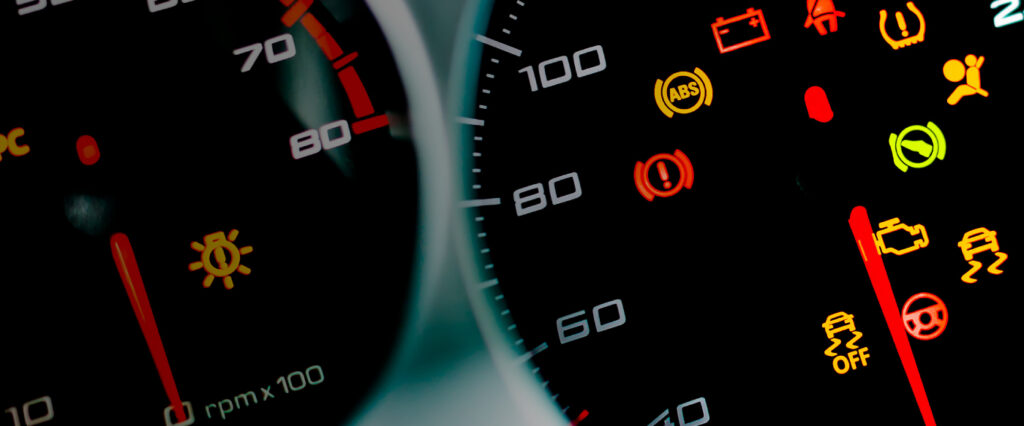
It is surprisingly common for drivers to dismiss the 'Check Engine' light as a technical glitch, especially if the vehicle appears to be driving smoothly.
However, technicians warn that this complacency can be incredibly costly. While the initial trigger is often minor — perhaps a loose fuel cap or a faulty sensor — ignoring it effectively blinds the car's computer to more serious failures that may develop later.
How to avoid: Follow the "Yellow vs Red" rule. A steady yellow or amber light suggests a fault that requires attention soon, but you can usually drive home safely to book an appointment. Conversely, a flashing amber light indicates an emergency, often an engine misfire that is actively damaging your system, meaning you should pull over immediately.
A red light is a critical warning to stop the vehicle immediately, usually due to overheating or low oil pressure. If you remain unsure, remember that many auto parts stores offer free diagnostic scans to identify exactly why the light has triggered.
3. Neglecting your tyres
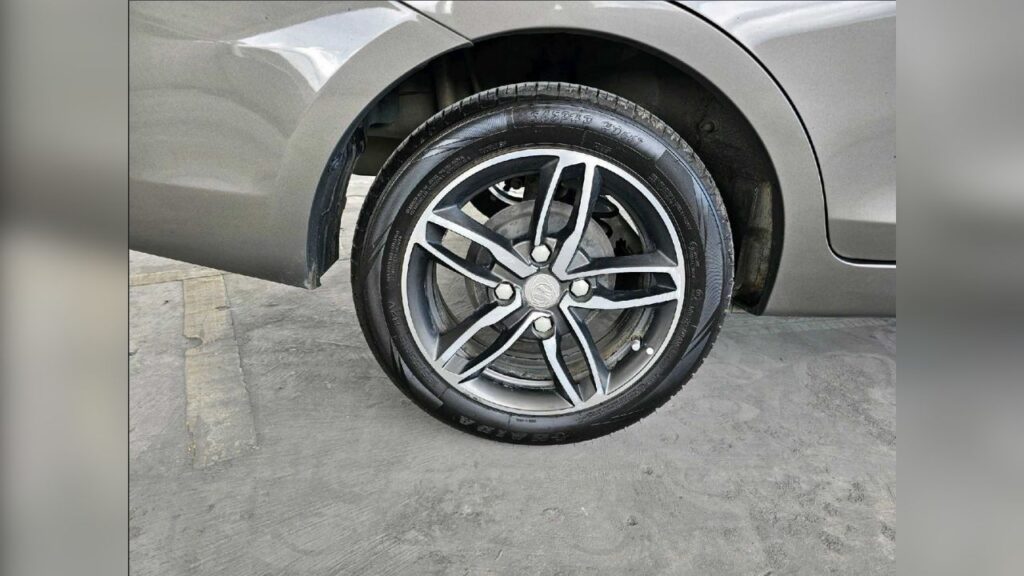
Despite being a slightly pricey and critical safety component, tyres are frequently the most overlooked part of a vehicle. Technicians often encounter tyres with uneven wear, such as "cupping" — a wavy wear pattern — or baldness on the inner edges, which are clear indicators that rotations have been skipped.
How to avoid: Check your tyre pressure once a month, which can be easily done at a petrol station. Crucially, always inflate them to the specifications found on the sticker inside the driver's door. To ensure consistent maintenance, the easiest strategy is to request a tyre rotation with every oil change, roughly every 8,000 to 10,000km.
4. Ignoring unusual noises
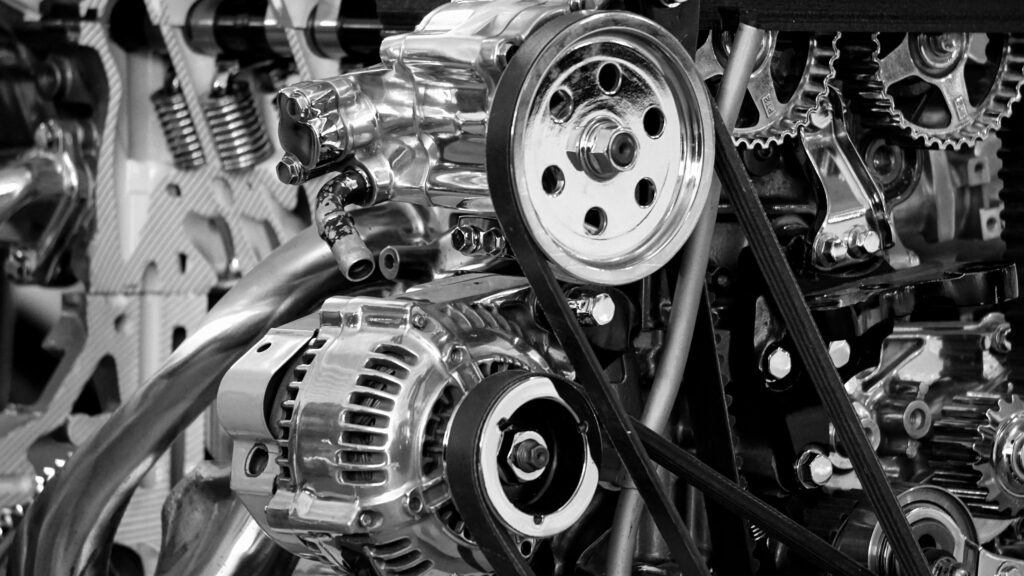
It is a common habit for drivers to disregard unusual sounds — be it a squeak, a grind, or a click — choosing instead to wait until the noise becomes unbearable before seeking help. These sounds are often signs that you should pay attention to the issue before it becomes worse.
How to avoid: Try and identify the sound early. A squealing noise typically suggests issues with belts or brake pads, while rhythmic clicking during turns usually points to worn CV joints or axles. Grinding is particularly urgent, indicating metal-on-metal contact within the brakes or bearings.
If a noise is intermittent and difficult to describe, try to safely record it on your phone while driving; playing this audio for your technician can be helpful in diagnosing the issue accurately.
5. Neglecting battery health
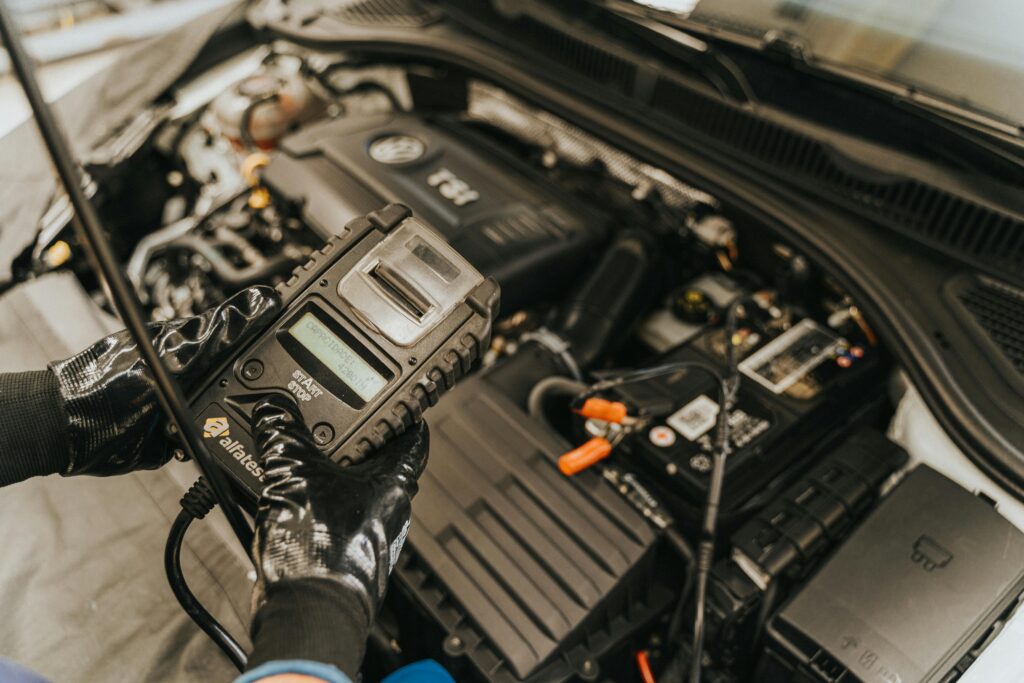
While the battery is undoubtedly a consumable resource, you must check it regularly before it fails to crank your engine. A weak battery may leave you stranded with no way to jumpstart the car.
How to avoid: Stay alert for early warning signs, such as dimming headlights or a sluggish engine crank when starting. For peace of mind, ensure your service centre provides comprehensive battery diagnostics during routine maintenance, allowing you to resolve potential issues before they result in a roadside emergency.
