


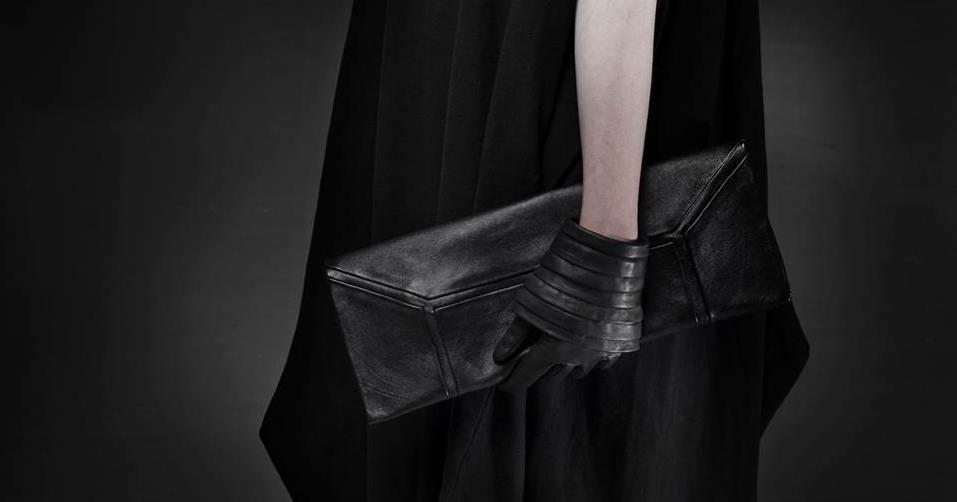
 Cover image via Tom Medwell
What's the best way to obstruct [animal cruelty] (http://says.com/ph/news/behind-the-leather-peta-gives-us-a-shocking-perspective-on-animal-cruelty) than to invent a vegan leather made out of pineapple fibers?
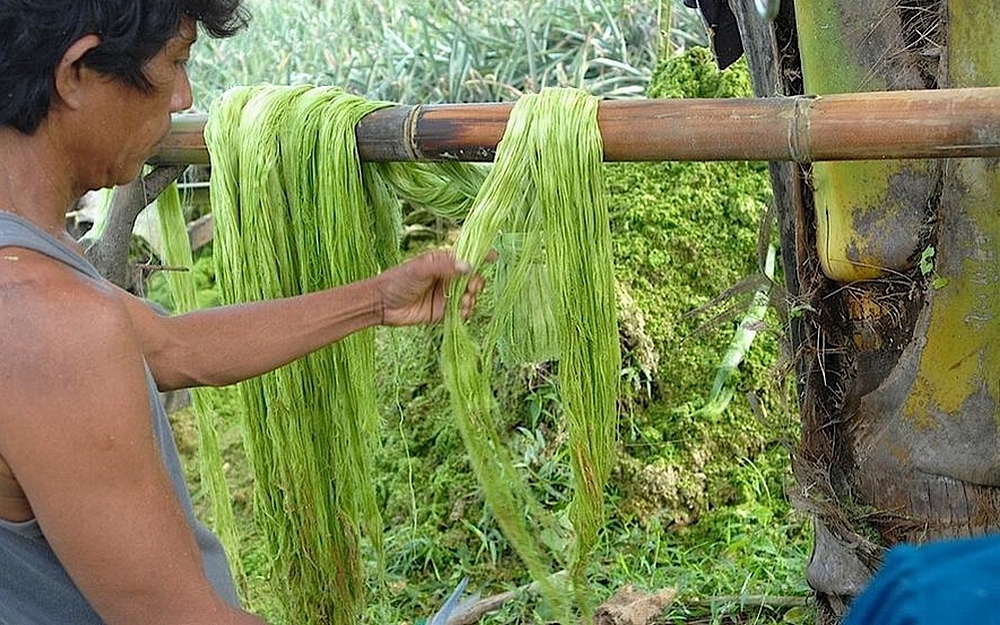
Image via vedelisteze
A Spanish designer named Dr. Carmen Hijosa of the [Ananas Anam] (http://www.ananas-anam.com/) (certified by the People for the Ethical Treatment of Animals (PETA) as a 'Vegan Fashion Label') got inspired from the traditional Filipino technique of using leaf fibers to make garments
"**It was one of those coincidences of life**," said Carmen Hijosa to an interview with [Collectively] (https://collectively.org/en/article/can-you-tell-that-this-leather-is-made-from-pineapples/) when she discovered the possibility of creating faux leather from pineapple fibers.
"**The culmination of her work resulted in the creation of Piñatex, a unique natural and sustainable textile made from pineapple leaf fibres, a by-product from the pineapple harvest**," as [told] (http://www.ananas-anam.com/pinatex/) on the Ananas Anam website.
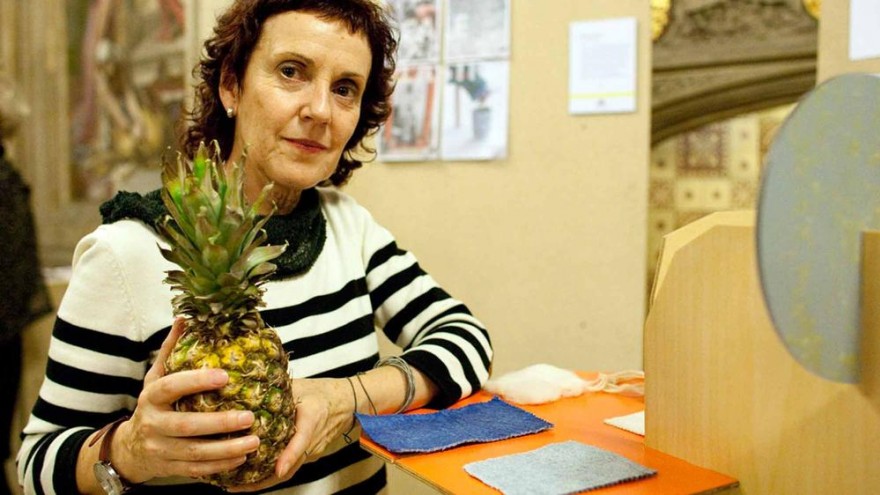
Image via Design Indaba
The entire process of creating the Piñatex does not use any extra water, pesticides or fertilizer beyond what is used to cultivate the pineapples
*Piñatex* is a natural and sustainable branded material, thus no extra water, fertilizers or pesticides are required to produce it.
"**Piñatex is a by-product of the food industry. Once the pineapples are harvested, the plants are left to rot**," explained Dr. Hijosa to Collectively.
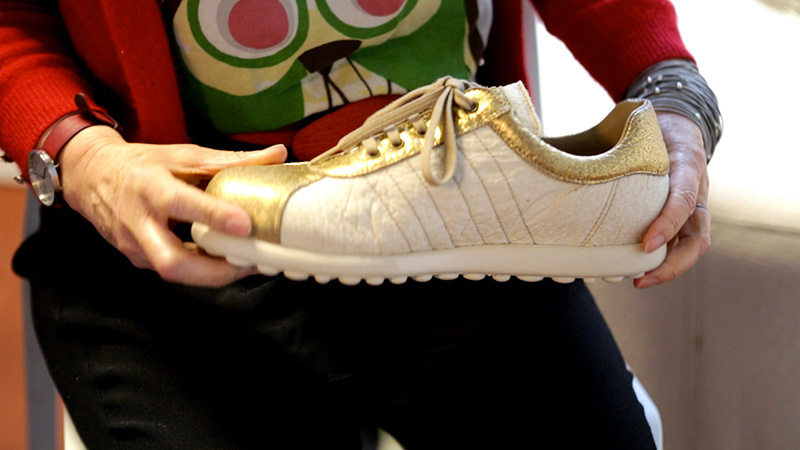
Image via null
According to Collectively, by comparison, **to produce 1kg of cotton – enough for one t-shirt and a pair of jeans – it takes up to 20,000 litres of water**!
What's so good about this news is, because of Piñatex, Ananas Anam is able to provide additional income for the Filipino farmers!
Pineapple farmers gather the rotten leaves, extract the fibers and degum them in closed tanks. Once they have been degummed, the fibers become soft and breathable and can be put through a mechanical process that turns them into a non-woven mesh material that ends up feeling much like felt, according to [Daniela Walker] (https://collectively.org/en/article/can-you-tell-that-this-leather-is-made-from-pineapples/) of Collectively.
This is the life cycle of the creation **Piñatex** products:
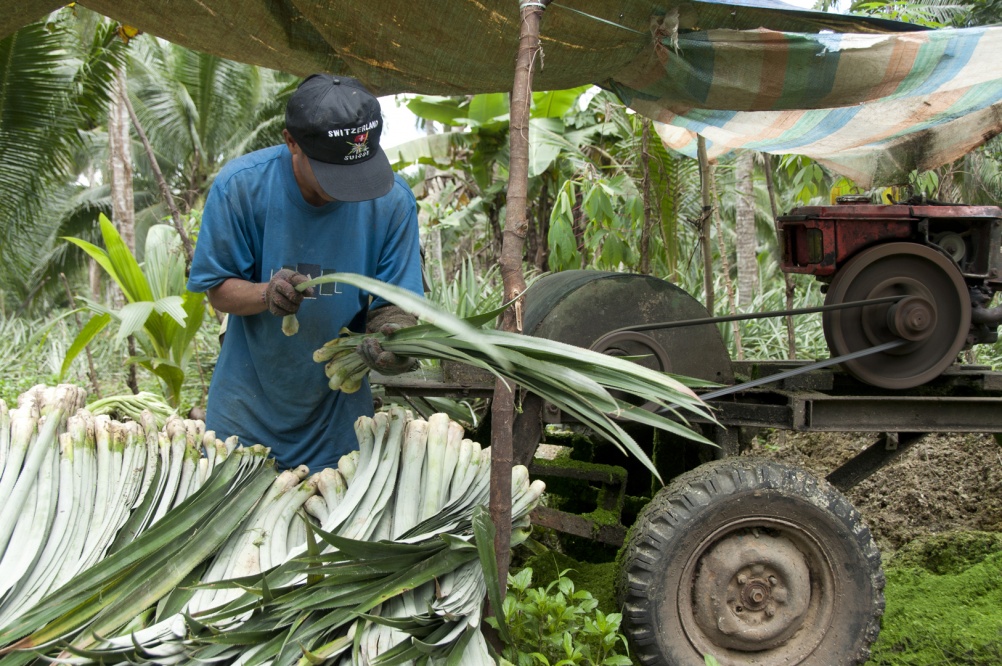
Image via Design Week
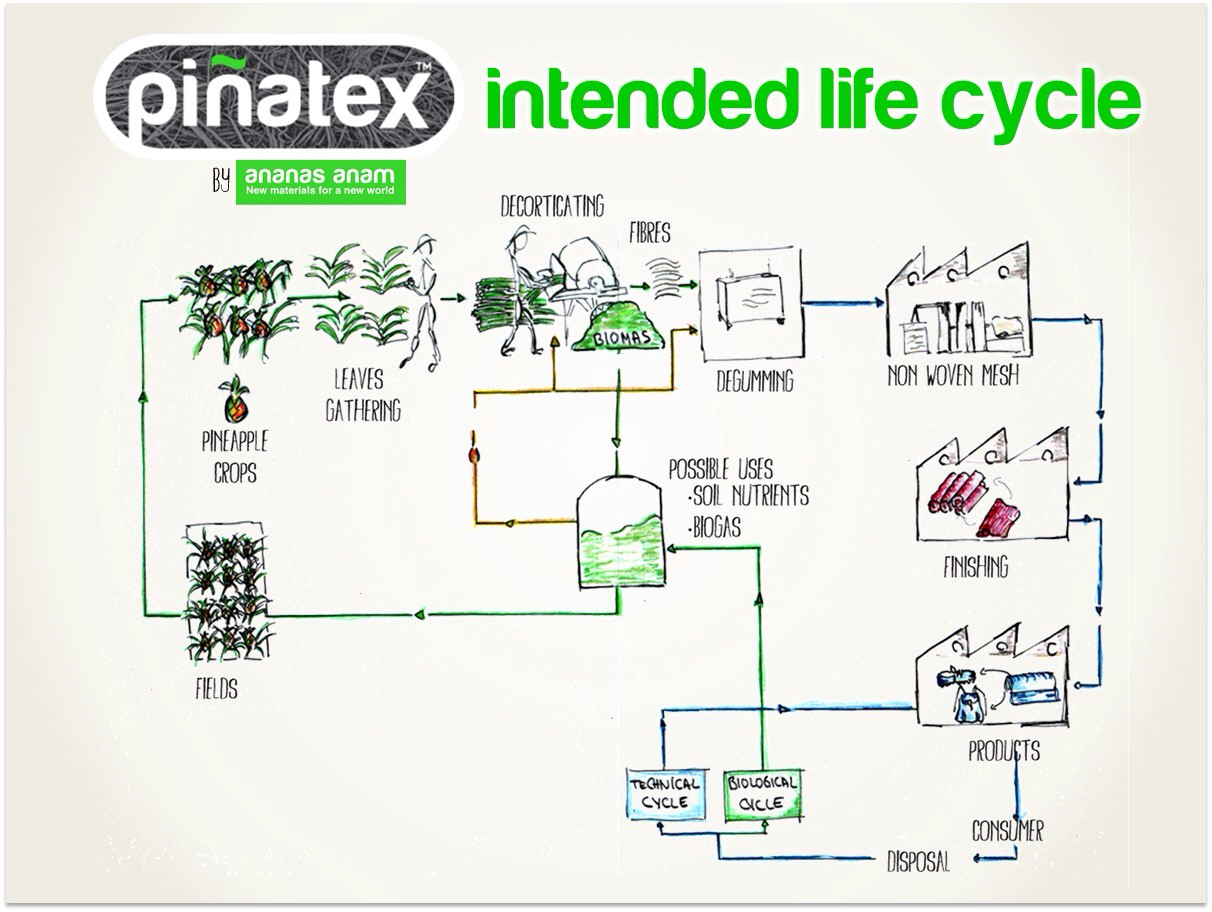
Image via Pinterest
Even Bernadette Romulo Puyat, the Undersecretary of the Department of Agriculture ([DA] (http://www.da.gov.ph)), supports Piñatex!
On the 28th of January this year, Dr. Hijosa won The Arts Foundation Awards 2016 with £10,000 development prize for Piñatex!
**Dr. Hijosa says her main goal is to continue to use agricultural waste products and bring an extra source of income to the farming communities that produce pineapples**, as [reported] (https://www.designweek.co.uk/issues/25-31-january-2016/how-everyday-materials-are-being-redesigned-from-scratch/) by Design Week.

Image via Ananas Anam
Watch the full interview of Dr. Hijosa with Crane.tv to know more about Piñatex!
Latest update: Famous nutritionist, [David Wolfe] (http://www.davidwolfe.com), is also talking about Piñatex! Watch the video which currently has 18 million views and was shared 316,893 times!
Let's give our virtual support to Dr. Hijosa and Ananas Anam by liking their page on [Facebook] (https://www.facebook.com/pinatex/posts/840234739444540)!
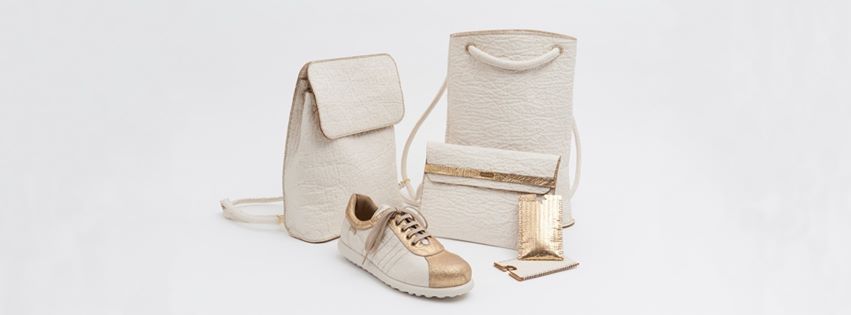
Image via Piñatex
LIKE WHAT YOU JUST READ?
Give SAYS Philippines a thumbs up on [Facebook] (http://facebook.com/saysphilippines) and [Twitter] (https://twitter.com/SAYSPhilippines)!
Give SAYS Philippines a thumbs up on [Facebook] (http://facebook.com/saysphilippines) and [Twitter] (https://twitter.com/SAYSPhilippines)!
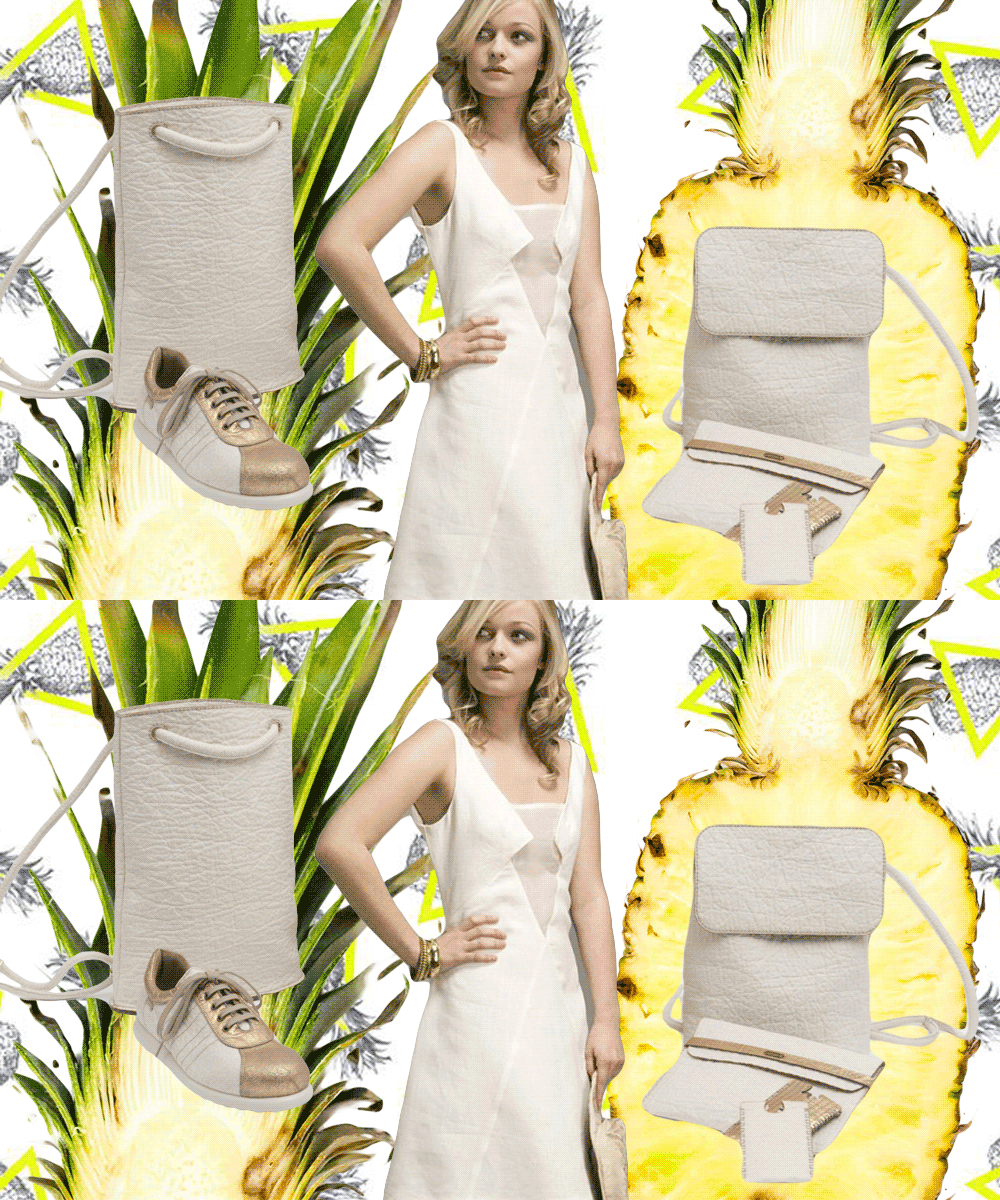
Image via Hokk Fabrica
