


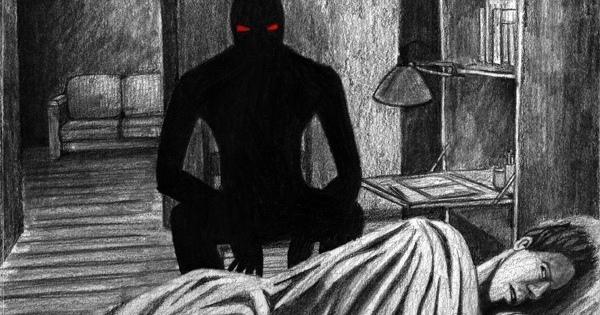
 Cover image via thedallasgeek
Remember this scene from 'Ju-on: The Grudge' movie?
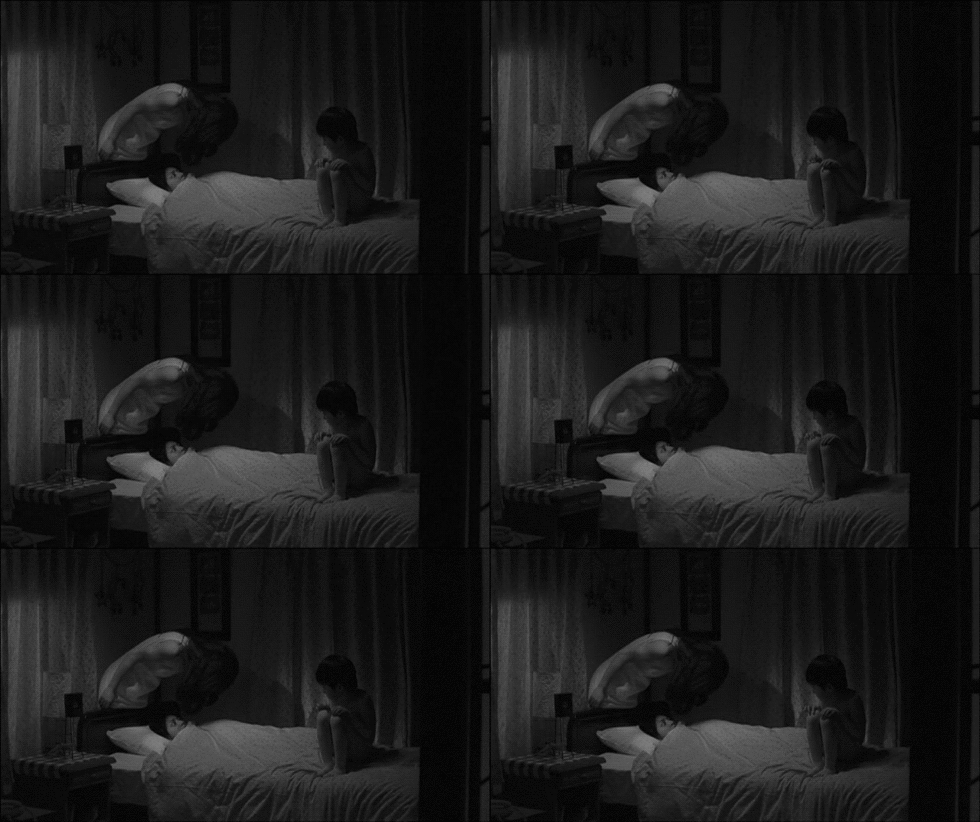
Image via null
I have lived it!
It's been more than a year now. But the night of 3 September 2013 and its murky happenings are as fresh inside my head, as it was frighteningly paralysing; while going through it, I had felt so powerless, so helpless that when I tried to scream, I couldn't even muster the courage to open my lips!
I felt tied to my bed. While I could feel my eyes wide open, I was unable to blink my eyelids or even move my head, which felt as if there was something heavy placed on it, or someone! A truly horrifying feeling, it was one of the worst of nights of my life that left me completely shaken and somewhat perpetually disturbed.
"Alone in my room, I felt the weight of a boy sitting over me, with sounds of a woman crying from afar. And I felt there was no way for me to get out of it."
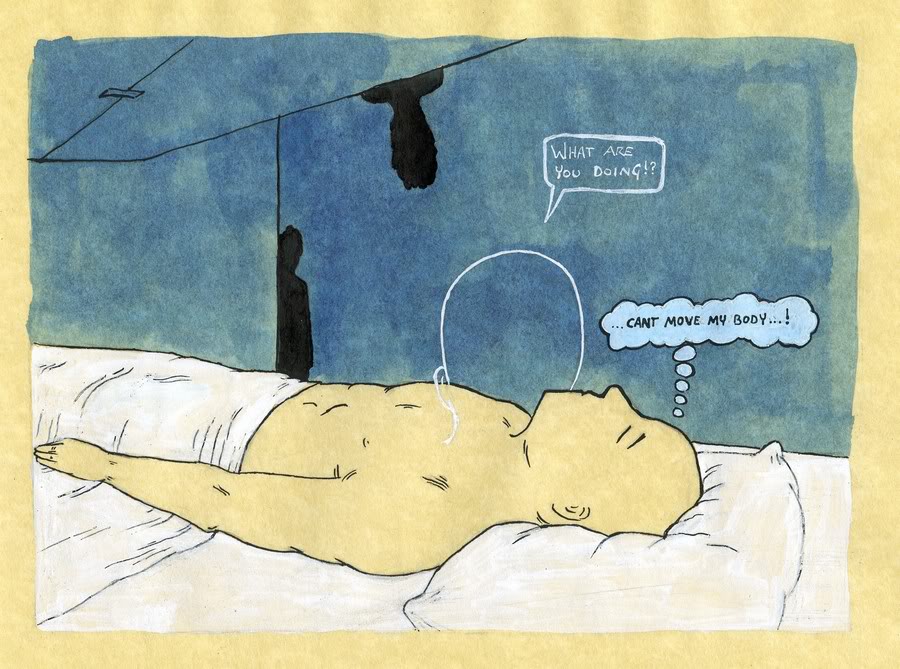
Image via null
I was experiencing a strange sleep disorder or phenomenon called **'sleep paralysis'**. Of course, back then I had no idea that's what it's called. I only came to know the term when I opened up about the experience with my girlfriend. While it wasn't the first of its kind of experience – as there have been previous instances in the past too, each time it happened, it left me more frightened than the last one!
In 'sleep paralysis', our mind wakes up but body doesn't!
According to a Discovery News [article](http://news.discovery.com/human/why-sleep-paralysis-can-make-you-see-ghosts-150120.htm), sleep paralysis is a common but somewhat unexplained sleep phenomenon in which an individual awakens from sleep but feels unable to move, speak or react, as if paralysed. Wikipedia [describes](http://en.wikipedia.org/wiki/Sleep_paralysis) sleep paralysis as, "a transitional state between wakefulness and sleep, characterised by complete muscle weakness… often accompanied by terrifying hallucinations to which one is unable to react due to paralysis."
While various social and psychological factors can influence the prevalence of sleep paralysis, according to a Business Insider [report](http://www.businessinsider.my/what-is-sleep-paralysis-2015-1/#1CZxwddC4kTldUq4.97), a [2011 paper](http://www.ncbi.nlm.nih.gov/pmc/articles/PMC3156892/) combined 35 studies with more than 36,000 participants total.
The authors found that 7.6% of the general population experiences sleep paralysis, rising to 28.3% in high risk groups, like students who have a disrupted sleep pattern, notes the Business Insider report. And in people with mental disorders, like anxiety and depression, 31.9% experienced episodes, and a few, like myself, hallucinate shadowy figures hovering over ourselves.
"You can't scream. You can't move. You can't do anything except feeling panicked and scared to death! Sleep paralysis, as I know it, is a truly frightening experience, one that use to render me completely helpless!"
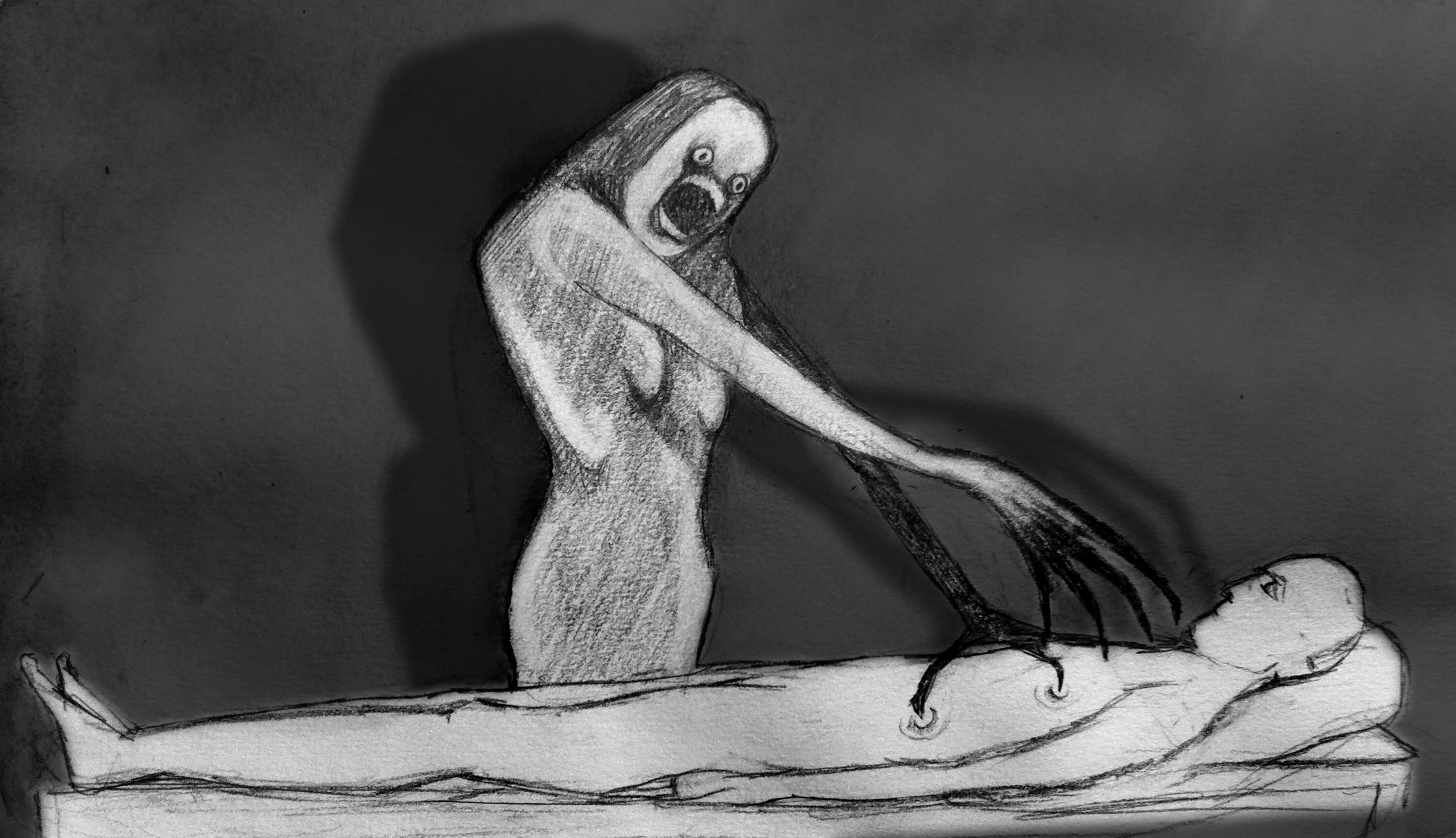
Image via null
Why does sleep paralysis happen? What causes it?
One hypothesis is that sleep paralysis results from disrupted Rapid eye movement (REM) sleep. According to the Discovery News [article](http://news.discovery.com/human/why-sleep-paralysis-can-make-you-see-ghosts-150120.htm), people in REM stage of sleep are usually dreaming, but their muscles are nearly paralysed, which might be an evolutionary adaptation that keeps people from acting out their dreams.
The Business Insider [report](http://www.businessinsider.my/what-is-sleep-paralysis-2015-1/#1CZxwddC4kTldUq4.97) suggests that sleep has 3 or 4 stages of non-REM sleep and one REM state. While we can dream in any stage, REM is the most closely associated with vivid dreams, the type that seem real. It further notes that many of us who wake up during REM state simply open our eyes and quickly start to move around. But those of us suffering from sleep paralysis experience "a sort of failure of the molecular clock," as Daniel Denis puts it. Daniel is a psychologist at the University of Sheffield in England, and a PhD candidate in cognitive neuroscience and researcher at the Sleep Paralysis Project.
According to a Times of India [article](http://timesofindia.indiatimes.com/life-style/health-fitness/health/The-terrors-of-Sleep-Paralysis/articleshow/35619147.cms), severe stress or a past tragedy might activate sleep paralysis. While there are several causes of sleep paralysis, it has been primly linked to disorders such as narcolepsy, migraines, anxiety disorders, and obstructive sleep apnea; however, it can also occur in isolation.
"The cause is still unknown, but we think it's something to do with disruption of the regular sleep cycle," said Daniel, adding, "it's more common than you would actually expect." Yet scientists don't really know what causes the phenomenon, or whether it is heritable, [reports](http://www.livescience.com/49818-sleep-paralysis-genetic-basis.html) Live Science.
Meanwhile, researchers don't have the best explanations as to why certain people who experience sleep paralysis feel a shadowy figure, like I did, in our room or pressing on our chests
According to an [article](http://www.medical-hypotheses.com/article/S0306-9877(14)00360-0/abstract) published in the journal Medical Hypotheses, one possible explanation could be that the hallucination is the brain's way of clearing out confusion, when there's a disturbance in the brain region that holds a neural map of the body or the "self."
Citing the Medical Hypotheses article, Live Science [reports](http://news.discovery.com/human/why-sleep-paralysis-can-make-you-see-ghosts-150120.htm) that it is possible that during sleep paralysis, the parietal lobes, situated in the top-middle part of the brain, monitor the neurons in the brain that are firing commands to move, but aren't detecting any actual movement in the limbs, which are temporarily paralysed.
The Live Science article further stats that this may lead to a disturbance in how the brain builds a sense of the body image. The appearance of a shadowy figure could result when the brain tries to project the person's own body image onto a hallucinated figure.
To elaborate further, Denis offers an interesting explanation
He says that the shadowy figure might also be due to an over-active amygdala, a part of the brain responsible for fear (among other things).
"You wake up with your amygdala screaming, 'There's a threat!'" he explains. "So your brain has to invent something to fix the paradox of the amygdala being active for no reason."
While the amygdala remains active during REM sleep, total paralysis right after awakening can send it into overdrive, [notes](http://www.businessinsider.my/what-is-sleep-paralysis-2015-1/#1CZxwddC4kTldUq4.97) the Business Insider report.
Meanwhile, it's also possible that people's differing experiences of sleep paralysis are due to differences in their cultural beliefs. According to the Live Science [article](http://news.discovery.com/human/why-sleep-paralysis-can-make-you-see-ghosts-1501201.htm), previous research has suggested that certain ideas found in people's cultures could shape how they experience certain phenomenon.
Detailing the experiences, the Business Insider report cites one of the first in-depth studies on sleep paralysis, which defines the 3 main categories of sleep paralysis hallucinations as the "incubus," the "intruder" and "unusual bodily experiences"
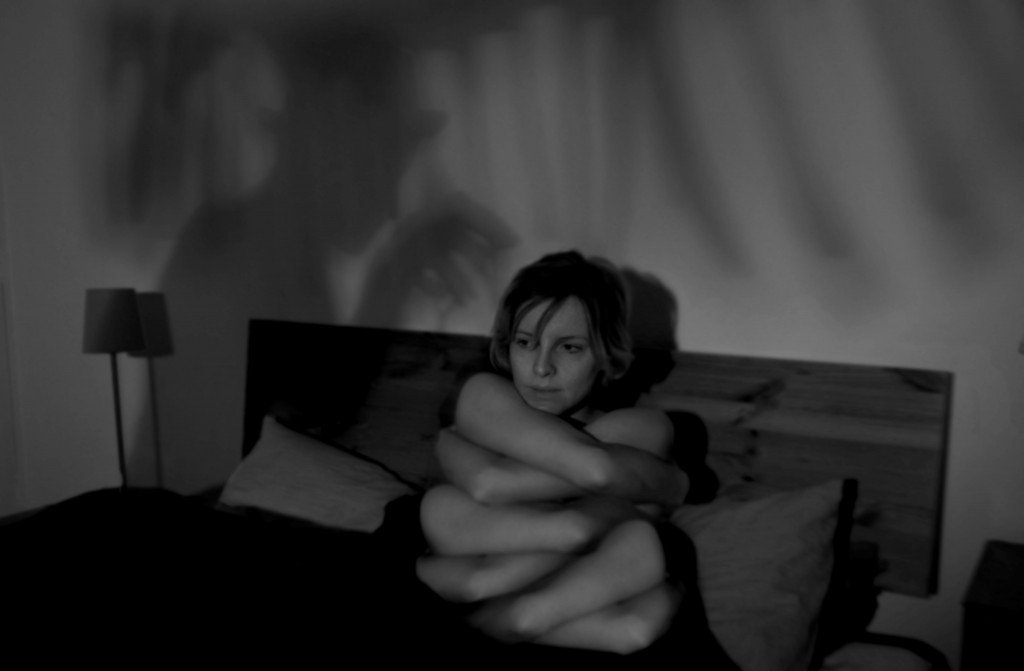
Image via null

To better illustrate how the intruder and the incubus experience go hand-in-hand, take a look at this oil painting by Henry Fuseli from 1781, titled 'The Nightmare,' which is considered one of the finest artistic interpretations of sleep paralysis phenomenon
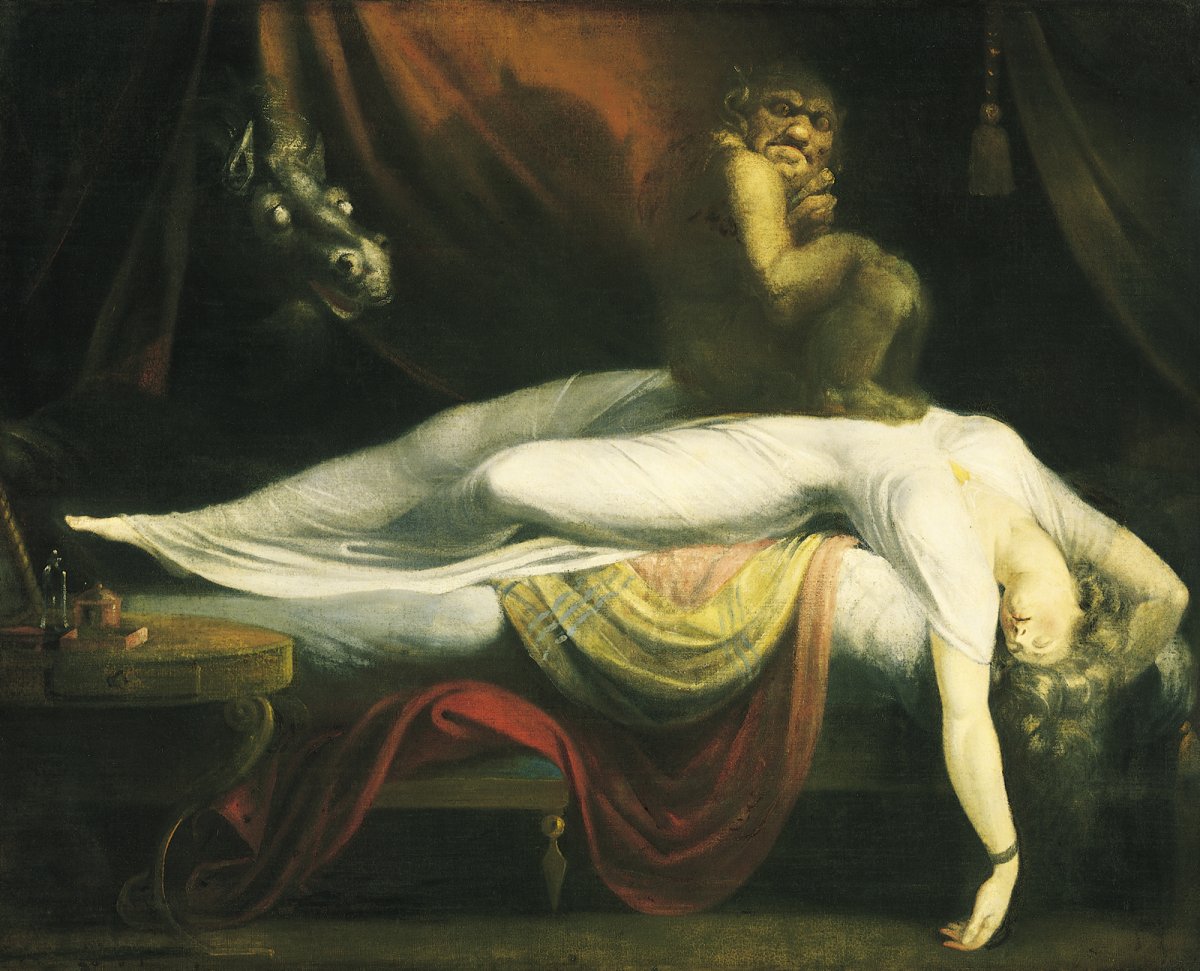
Image via null
"Because of sleep paralysis, I grew scared of sleep itself. I would resist going to bed, force myself to stay up for days, fearing that if I fall asleep, I'll once again see "nightmares" with my eyes wide open and I won't be able to move!"
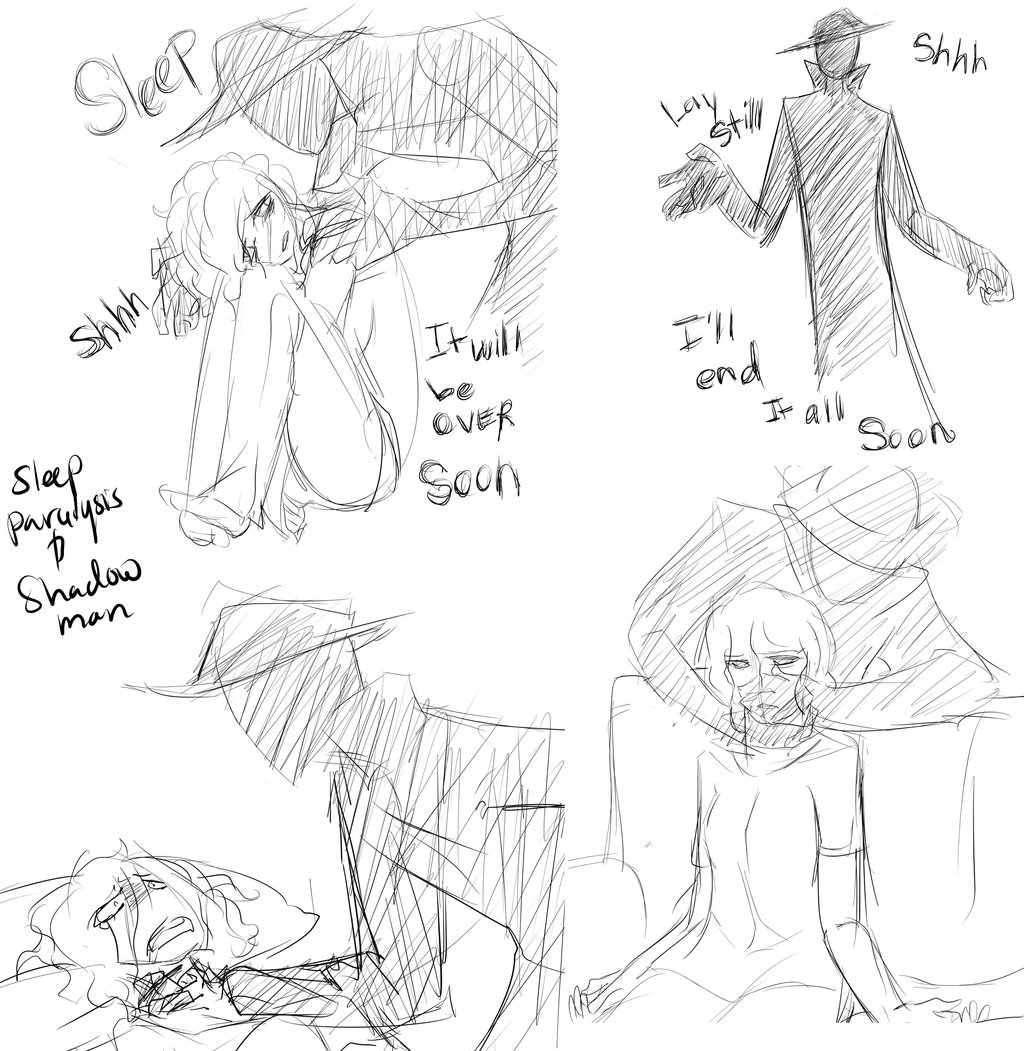
Needless to say, it further complicated my mental order, causing more trouble and unrest in my life, both personally and professionally.
Because of the self-imposed lack of proper sleep, I started having extreme mood swings and grew highly volatile in nature.
My emotional outbursts became more frequent, causing trouble in the lives of the people in my life. Further down, its effects started slowing me down, therefore affecting my work.
While it can be an extremely terrifying experience, sleep paralysis poses no serious health risk to those that experience it. Factors like lack of sleep, an erratic sleep schedule and stress can increase an individual's likelihood of experiencing it.
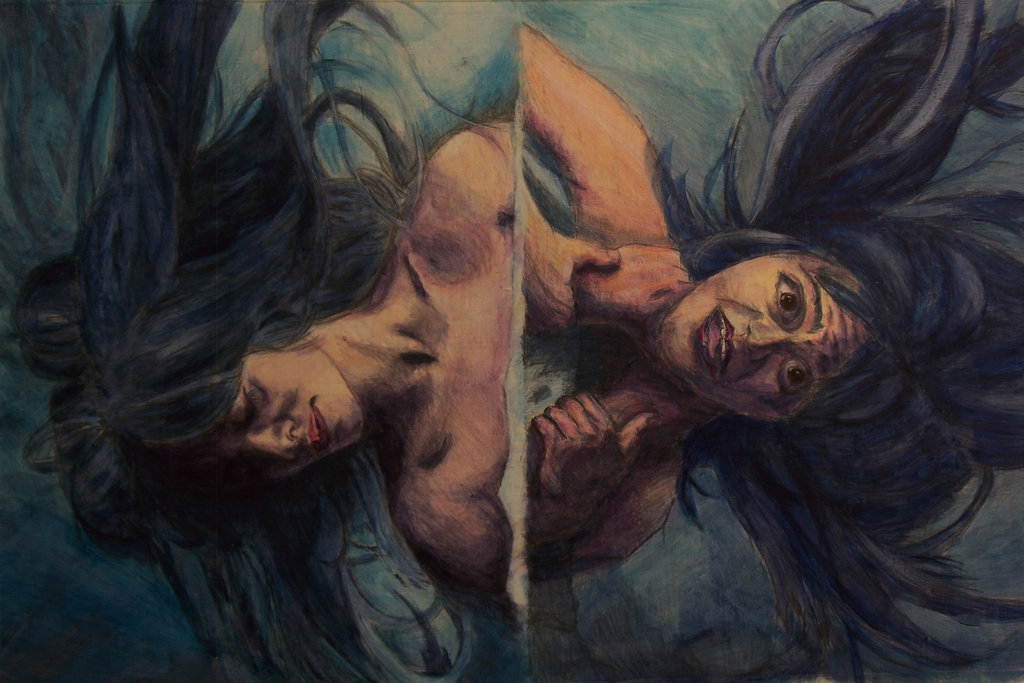
Image via null
So how do you prevent the terrifying onset of sleep paralysis?
I for one started sharing my experiences with my girlfriend back then. Detailing how I felt, and to what extent, her continuous support and understanding on the topic helped a lot. It was comforting to be able to share and listened to.
While what I did helped me, it might not necessarily work for others. However, [research](http://www.ncbi.nlm.nih.gov/pubmed/12028482) has shown that avoiding sleeping on your back could help in greatly minimizing onset of sleep paralysis.
Making minor lifestyle changes can help in reducing it
Like maintaining a regular sleep schedule and observing good sleep hygiene. Furthermore, it helps individuals who reduce the intake of stimulants and stress in daily life by taking up a hobby or seeing a trained psychologist who can suggest coping mechanisms for stress and anxiety.
But if you do wake up and find yourself unable to move, try and focus all your energy on wiggling a toe or finger. Why? Because "so long as you can move one muscle, it breaks the paralysis," Denis advises.
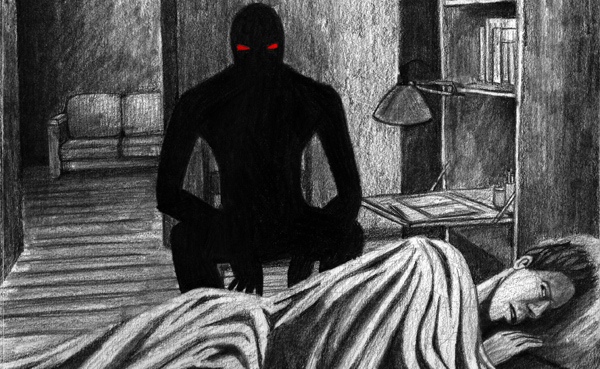
Image via thedallasgeek
