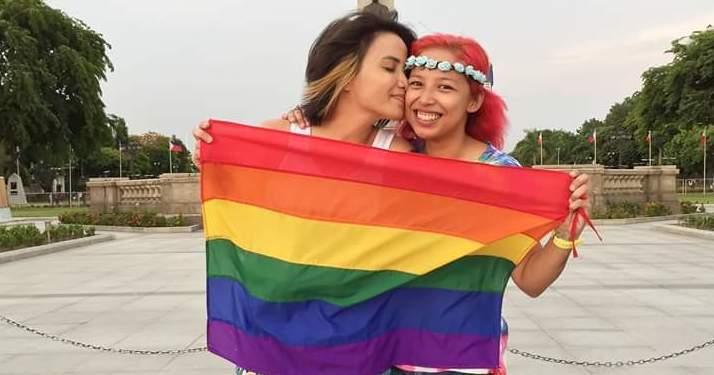
 Cover image via Cha Roque with girlfriend Ymi Castel; Photo by Emil Tapnio
Speaker Pantaleon Alvarez is pushing for same-sex civil marriage in the Philippines saying "Bakit natin ipagkakait 'yun?"
On a report by Rappler, the speaker said in a press conference on Monday, October 3:
Translate in English: "I will support same-sex marriage…. Look at our Constitution. There's a provision there guaranteeing the happiness of Filipinos. Why should we deprive them that right? I am one with our brothers and sisters from the LGBT community. If they're happy with that, why won't we support it?"
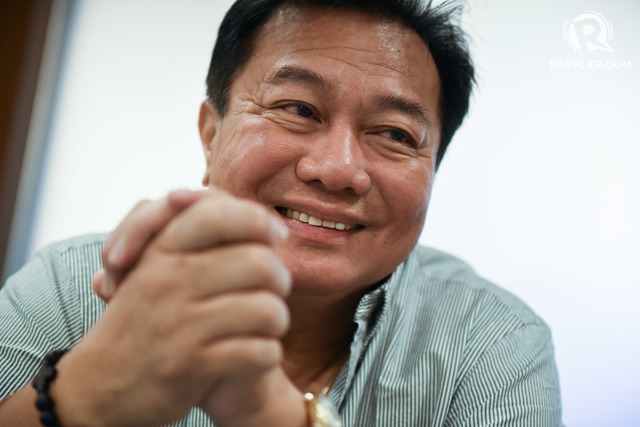
Image via Rappler
Of course, being a predominantly Roman Catholic country, the speaker expected backlash
"The Philippines is a democracy. There will always be opposition. There's no issue that is not met by opposition. The beauty of democracy is we can argue, we can disagree, but at the end of the day, it's still the majority that will prevail," the speaker added.
On a survey by Rappler, 7 out of 10 Filipinos oppose same-sex marriage.
Up to 70% of the survey respondents said they "strongly disagree" with same-sex marriage being allowed in the predominantly Catholic country.
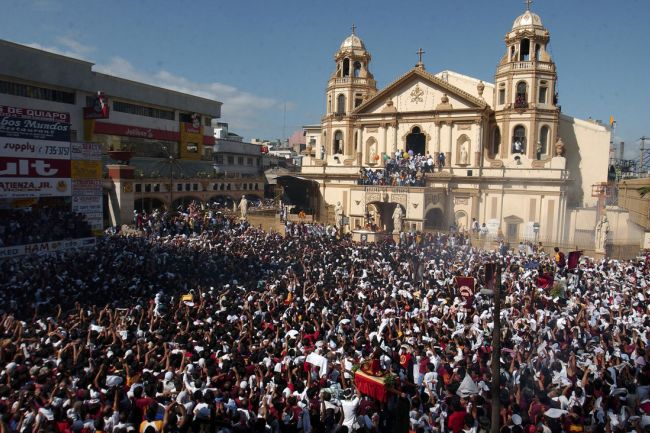
But for the understanding of the majority, a "Civil Union" or "Civil Marriage" is not under the church or any other religion. It is under the state.
So what does that mean?
Civil unions under one name or another have been established by law in several, mostly developed, countries in order to provide legal recognition of relationships formed by unmarried same-sex couples and to afford them rights, benefits, tax breaks, and responsibilities similar or identical to those of legally married couples.

Civil union or "same-sex marriage" is legally allowed nationwide in 21 countries around the world
These are: The Netherlands, Argentina, Belgium, Brazil, Canada, Colombia, Mexico, Spain, South Africa, Norway, Sweden, Iceland, Portugal, Denmark, England, France, New Zealand, Uruguay, Luxembourg, Scotland, Finland, Ireland and USA.
The Netherlands approved same-sex marriage 16 years ago in the year 2000.
Brazil, Mexico, Spain and Colombia are predominantly Catholic similar to the Philippines.
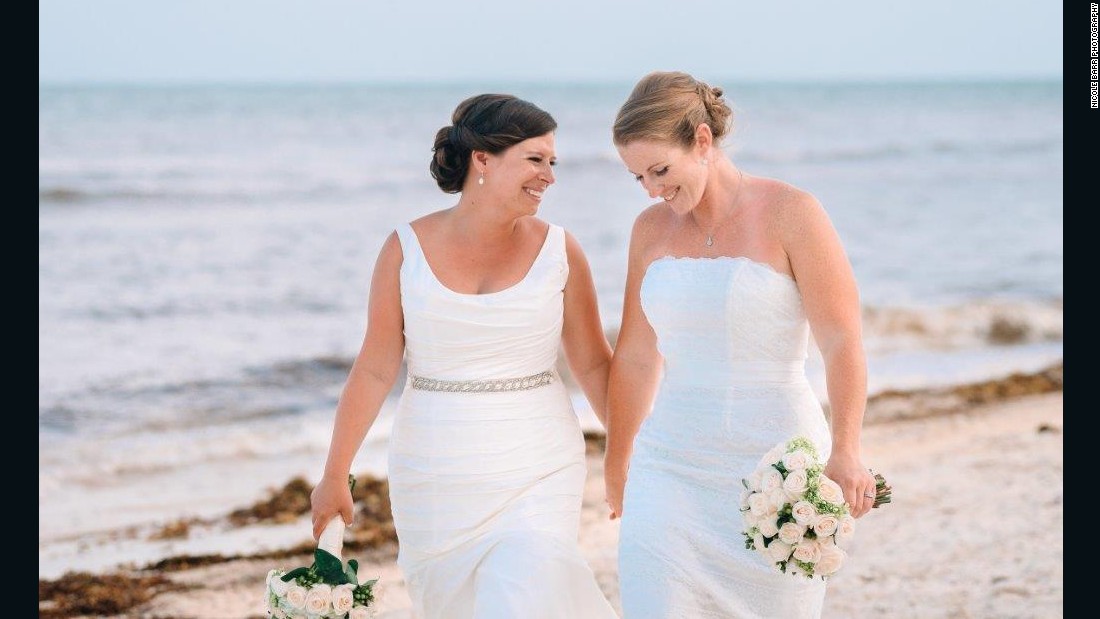
Same-sex couples have been fighting for the same rights that opposite-sex couples have. Mainly:
Note: These or similar rights will be given to them depending on what restriction that is agreed upon in the Philippines.
1. The partners can share properties as conjugal assets.
2. If your partner is foreign, they may secure citizenship in the Philippines.
3. The partners may file joint income tax returns and other benefits.
4. You may inherit a share of your patner's estate.
5. Your partner may make medical decisions for your behalf.
6. To receive Medicare and other government benefits.
7. You may receive retirement plan benefits if your partner passes away.
8. You may enter the intensive care unit to care for your partner.
9. If your partner passes away, you may consent to after-death procedures and examinations and arrange the burial.
These are the same benefits that heterosexual couples have that same-sex couples do not have. Source: NOLO
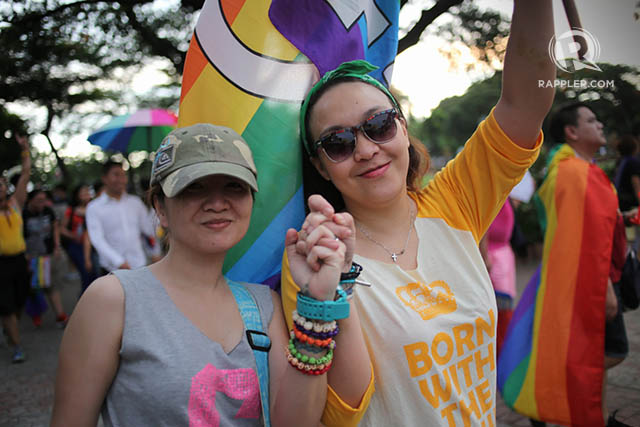
IMHO: The Philippines recognizes the separation of church and state. It is also the state's right to give equal benefits to its citizens regardless of color, age, sexual orientation and gender.
What about you? What do you think of this? Is it about time that the Philippines recognize the civil unions of our LGBT brothers and sisters? Why or why not?