


 Cover image via
Follow us on Instagram, TikTok, and WhatsApp for the latest stories and breaking news.
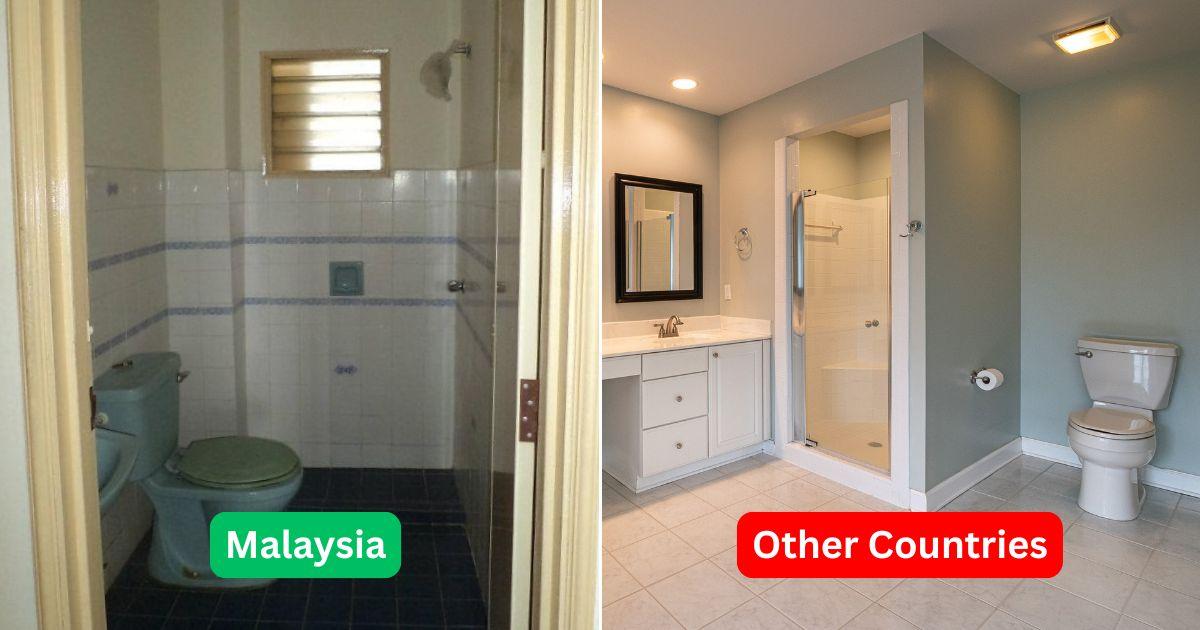
If you've ever had a foreign friend visit Malaysia, chances are they've stepped into your bathroom and asked, "Wait… the shower and toilet are together?"
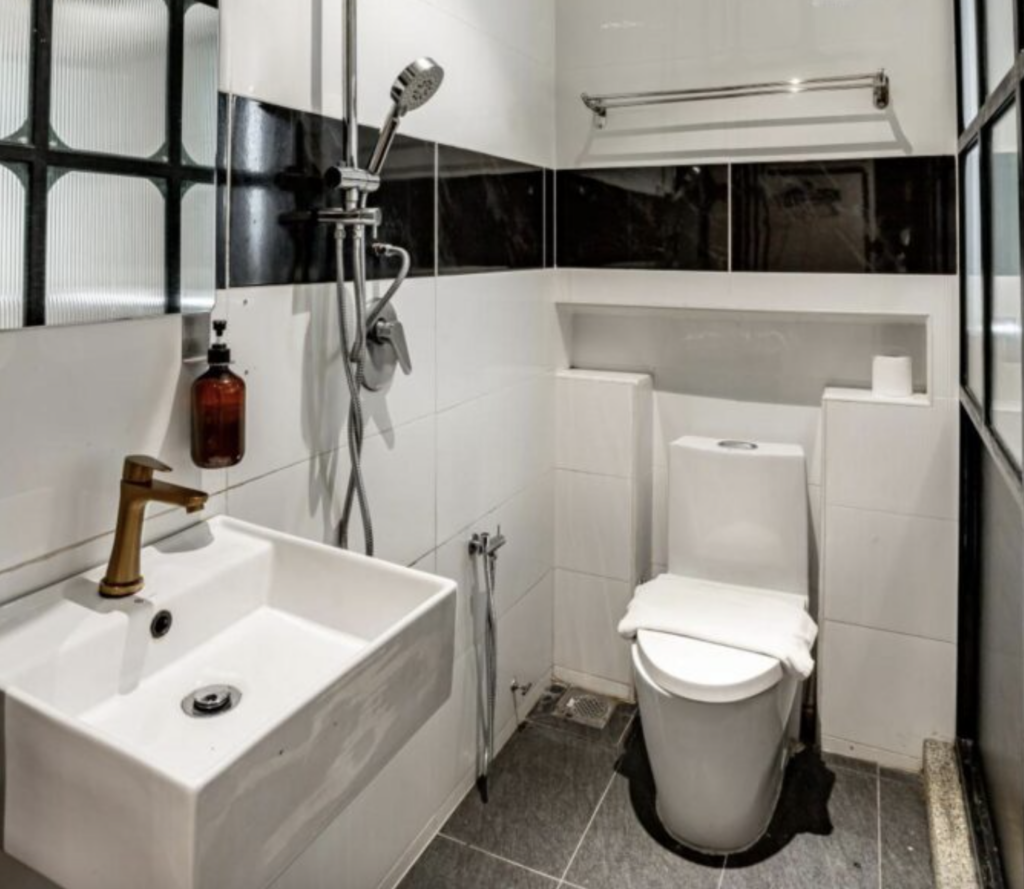
For Malaysians, the layout is completely normal. But for many others, it's a bit of a culture shock, especially if they're used to bathrooms where the shower is separated, or even placed in a completely different room.
And while modern Malaysian bathrooms are slowly evolving, most of us still rely on the familiar all-in-one "wet bathroom".
To understand why Malaysian bathrooms are "wet", we need to go back a few decades
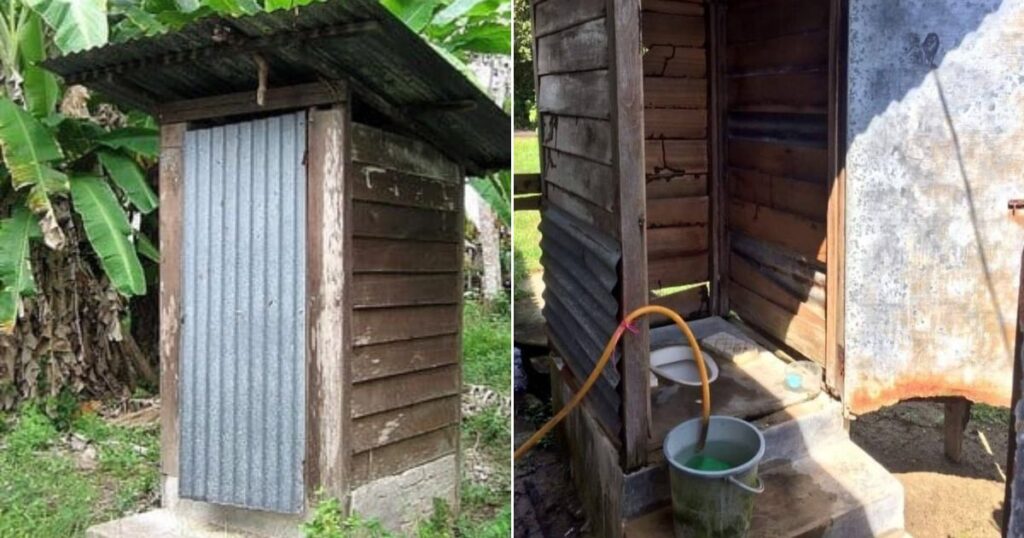
Malaysia didn't always have indoor bathrooms. Older kampung homes used outdoor jambans and bathing areas. This began to change during the colonial era, when repeated outbreaks of cholera and typhoid prompted British health authorities to regulate sanitation and phase out unsafe pit latrines in towns.
As cities like Kuala Lumpur and Penang grew denser and shophouse living became the norm, developers had little choice but to bring toilets indoors. There simply wasn't space for backyard outhouses anymore, and the introduction of piped water made indoor plumbing far more practical.
After independence, Malaysia's housing boom in the 1950s to 1970s — with terrace houses, flats, and new towns — cemented the modern "wet bathroom" layout. A single compact room with a toilet, shower, tap, and floor drain was the cheapest and most efficient design to build, and it fit perfectly with local hygiene habits.
Culturally, Malaysians have long preferred "wet bathrooms"
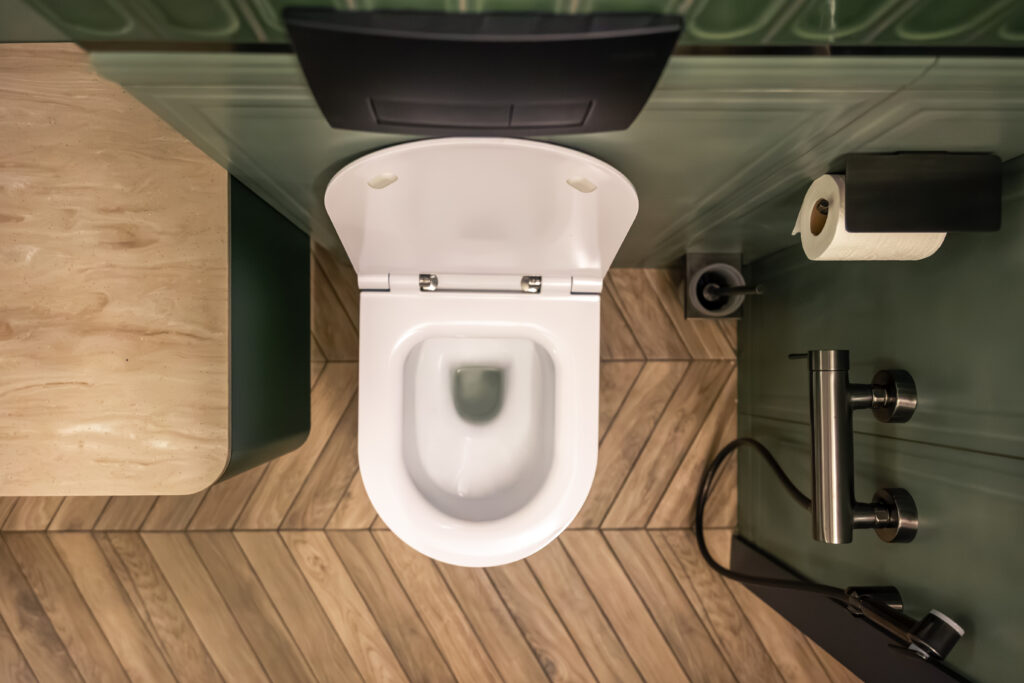
While most other cultures consider wet toilets as unclean, many Malaysians consider wet toilets as "recently cleaned", according to a Reddit thread.
Water-based hygiene has always been part of daily life here — from the gayung and bucket baths of the past to today's bidet sprays.
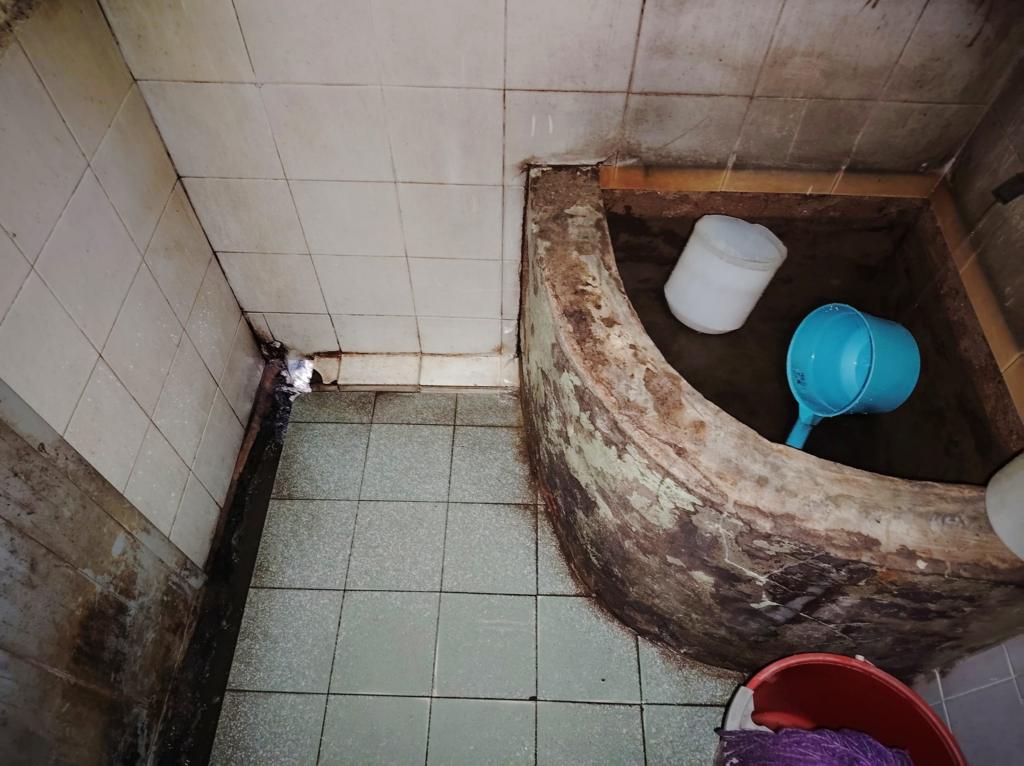
Even after bathrooms moved indoors, people continued rinsing the entire floor, washing with running water, and using buckets or hand showers, which naturally kept the space wet. Over time, the bathroom evolved into a fully washable wet room: No separation between shower and toilet, floor-to-ceiling tiles, and drains designed to handle water from every angle.
Our tropical climate reinforces this design too. In hot, humid weather, bathrooms dry quickly, making an all-in-one wet space far more convenient than trying to maintain a separate "dry zone".
So the reason our bathrooms have showers and toilets side-by-side isn't just convenience
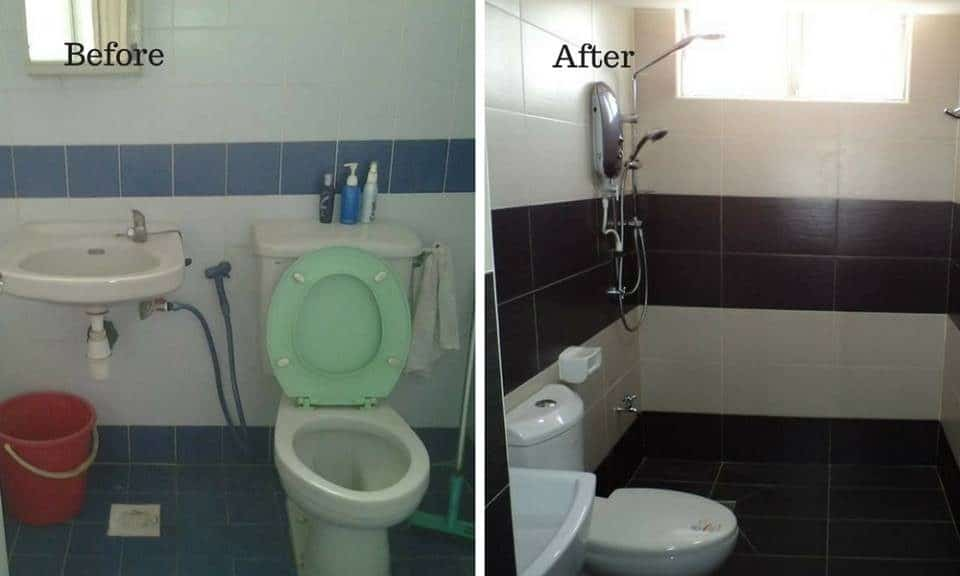
It's the result of public-health reforms, urban development, modern plumbing, and a long cultural preference for washing with water, all converging into the wet bathroom design we still use today.
