


 Cover image via Study In China
Follow us on Instagram, TikTok, and WhatsApp for the latest stories and breaking news.
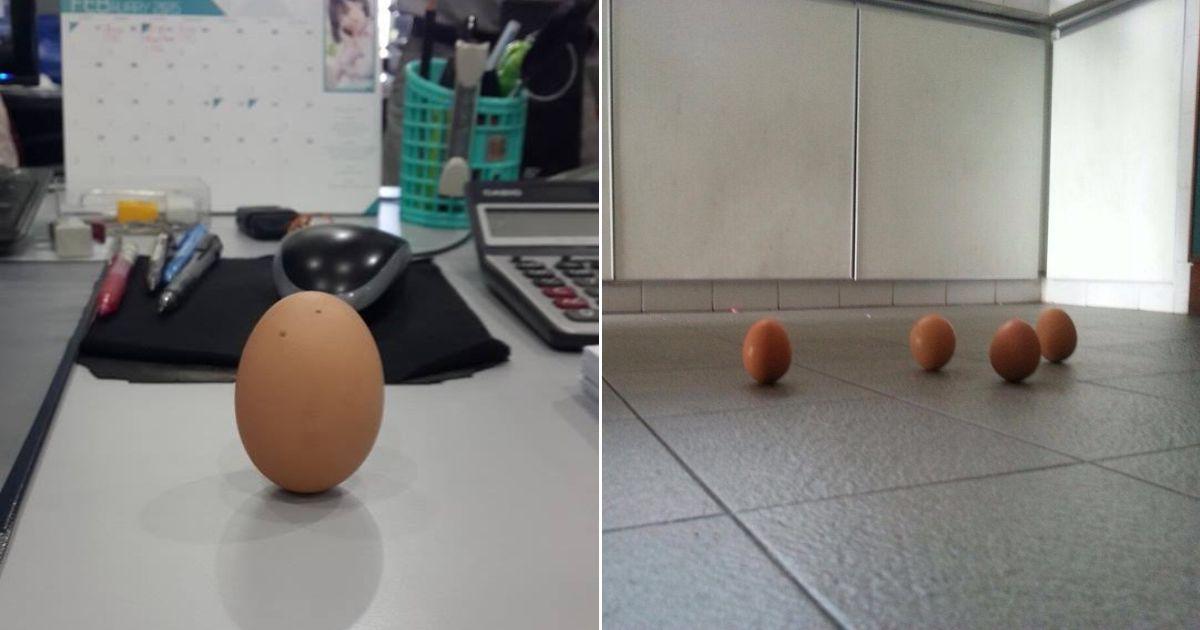
If you see people carefully trying to stand an egg upright in early February, it's not just for fun
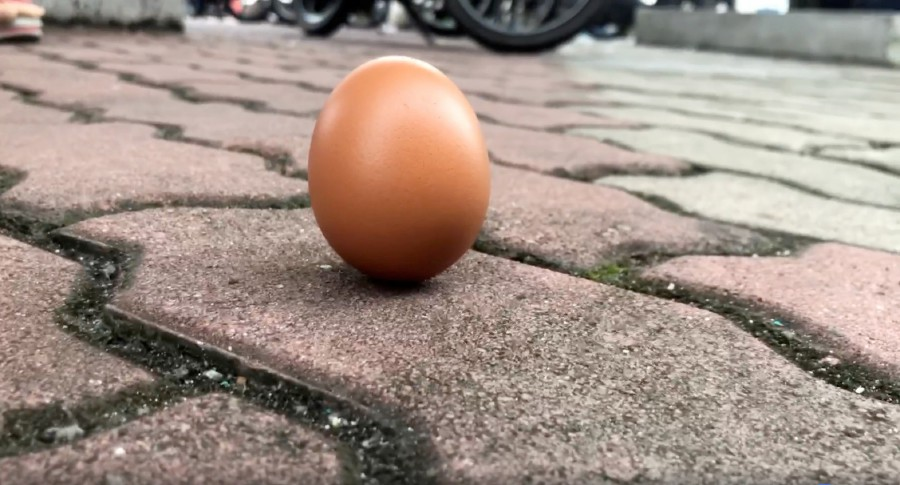
It's actually a tradition linked to Li Chun (立春), the beginning of spring in the Chinese calendar.
What exactly is Li Chun?
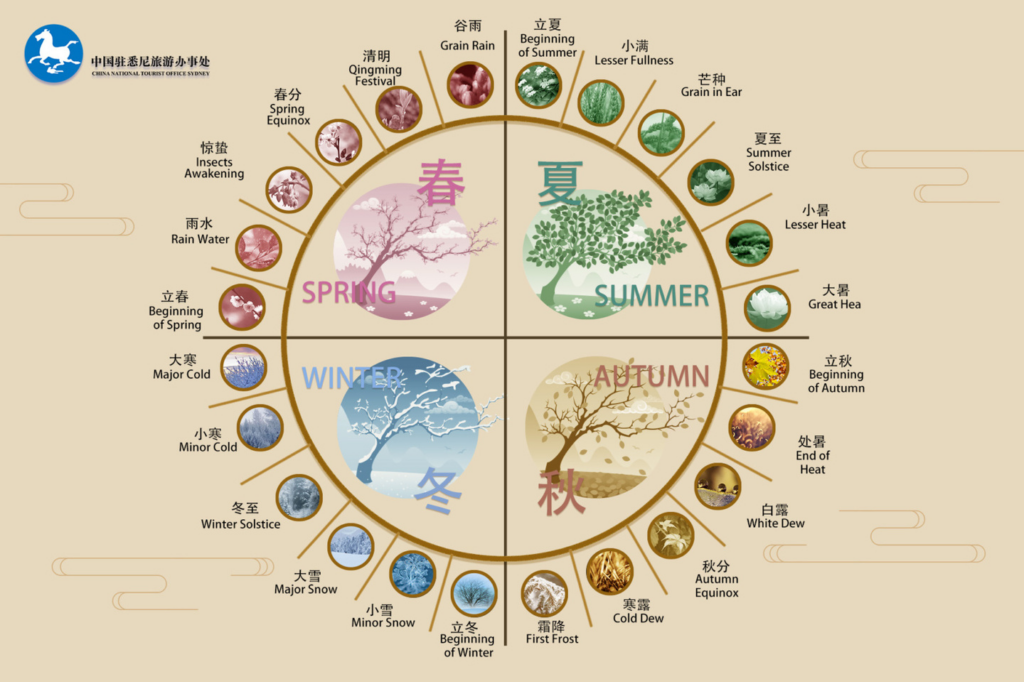
Li Chun is the first of the 24 solar terms in the traditional Chinese calendar, and usually falls around 4 February. It can occur before, during, or even after the lunar-based CNY.
Li Chun represents a solar term period lasting about 15 days, beginning when the sun reaches the celestial longitude of 315° and ending when the sun reaches the celestial longitude of 330°, the next solar term, yu shui (rainwater).
Traditionally, Li Chun signalled the start of the agricultural year, when farmers prepared the land and welcomed the coming growing season.
But what is the significance of egg balancing?
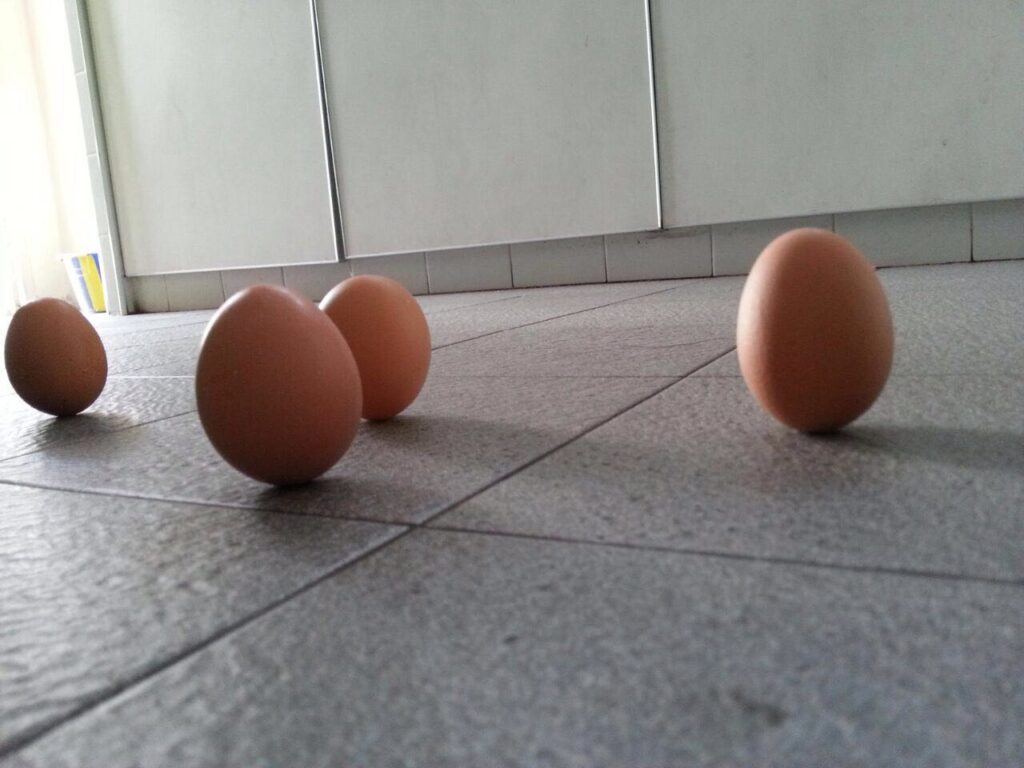
Eggs have long symbolised life, fertility, and new beginnings. In Chinese tradition, they are closely associated with birth, renewal, and auspicious starts.
Balancing an egg upright on Li Chun is believed to:
- Bring good luck
- Invite prosperity and good health
- Set a positive tone for the year ahead
ㅤ
Folklore suggests that eggs are easier to balance on Li Chun due to a unique alignment between the Earth, sun, and moon.
Scientifically, however, an egg can be balanced on any day of the year with enough patience. Tiny bumps and imperfections on the shell create micro-support points that make standing possible.
In places like Malaysia and Singapore, Li Chun is also celebrated with other customs

Depositing money at auspicious hours
Many people "plant" money into their bank accounts during Li Chun to symbolise a steady flow of wealth for the year, with some following zodiac-specific auspicious hours. Amounts often include the number eight to symbolise prosperity.
Biting the spring
This ancient custom involves eating spring-themed food to welcome new energy, such as spring rolls, spring pancakes, and fresh vegetables like chives, bean sprouts, and radish.
Wearing lucky colours
Some people wear colours aligned with their zodiac sign to amplify luck and positive energy.
Li Chun and Chinese New Year often fall close together, which is why they're frequently confused
But they're actually based on different systems:
- Li Chun marks the start of the solar year
- Chinese New Year marks the start of the lunar year
ㅤ
Both celebrate renewal and fresh beginnings, which is why Chinese New Year is also called the Spring Festival.
However, compared to CNY, Li Chun is a rather quiet, observational event, with no public holiday.
