


 Cover image via
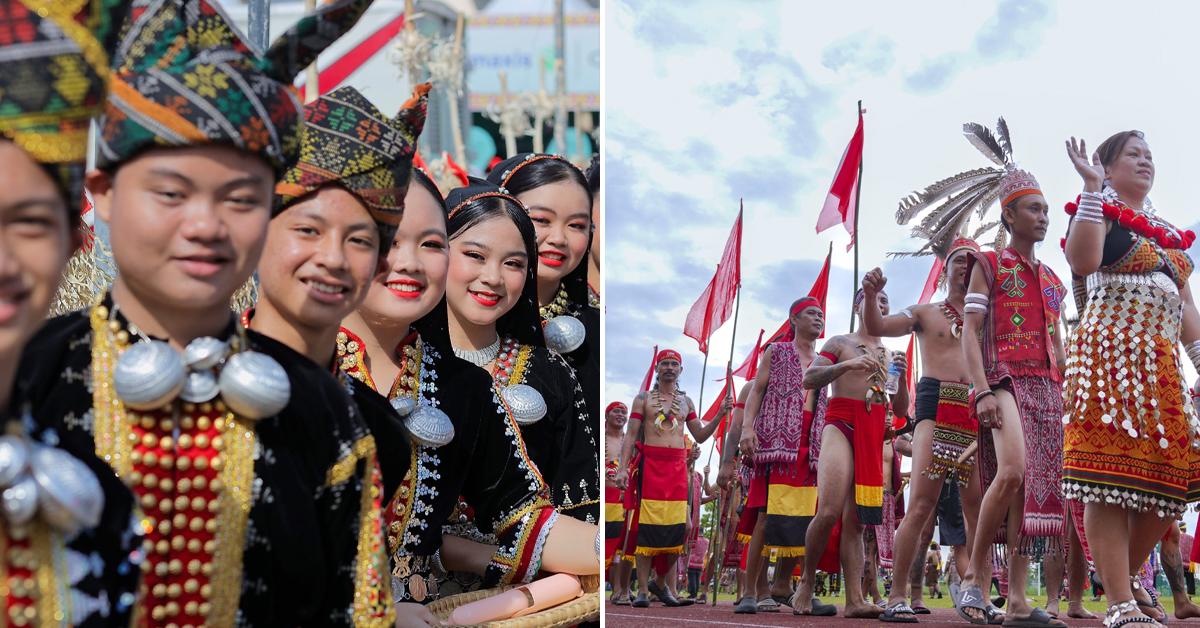
Every 30 May and 1 June, Sabahans and Sarawakians mark Kaamatan and Gawai Dayak with colourful celebrations, traditional attire, and of course, plenty of food and tuak or lihing
But beyond the festive vibes and long weekends, how many of us actually understand what these holidays are truly about?

Image via Hello Sabah
Celebrated on 30 and 31 May, Kaamatan is a Sabahan thanksgiving festival that honours rice and its spirit, Bambarayon
Kaamatan, or Pesta Kaamatan, comes from the Kadazan-Dusun word 'magavau', which means 'harvest'. At its core, it's a spiritual thanksgiving for a successful rice harvest, and a time to honour Bambarayon, the rice spirit believed to dwell in every grain.
According to legend, Bambarayon is part of the body of Huminodun, a divine maiden who sacrificed herself to save humanity from famine. Her body gave life to the land, making rice a sacred symbol among the Kadazan-Dusun.
So, when you see traditional dances like the Sumazau or hear the rhythmic beating of gongs, you're witnessing rituals that celebrate life, land, and community.

Image via NSTP/Harian Metro
The climax of Kaamatan is the Unduk Ngadau, a beauty pageant with a soul
Unduk Ngadau commemorates Huminodun's selflessness and grace. Contestants are judged not just on appearance, but also cultural knowledge, fluency in native languages, and understanding of traditions.
It's a powerful platform for celebrating indigenous identity and empowering young Sabahan women to embrace their roots.

Image via Bernama
Meanwhile, held on 1 and 2 June, Sarawak's Gawai Dayak is a celebration of new beginnings after the rice harvest season
Gawai is the Iban word for 'festival' and was officially declared a public holiday in 1965 to unify and honour Dayak traditions.
Unlike Kaamatan's sacred tone, Gawai is more of a social and communal celebration of gratitude and hope for a better harvest in the coming year.
It begins with Muai Antu Rua, a ritual to cast away bad spirits, followed by a long night of ngajat dancing, laughter, and flowing tuak (homemade rice wine).

Image via Shaggy Sirep/Unsplash
The tuak toasts aren't just for fun, though. They're sacred acts of connection and respect.
The ai pengayu, or 'drink for long life', is a traditional toast exchanged during Gawai. Elders bless the wine, offer thanks, and pour a little on the ground for the spirits.
It's a gesture that reflects the Dayak philosophy of balance between people, nature, and the spiritual world.
It's not just a party, it's a ritual of respect and connection.

Image via L Manimaran/NSTP
In a world rushing towards urbanisation and digital convenience, Kaamatan and Gawai anchor indigenous Malaysians to their histories
They're living traditions, carried out with intention, pride, and community effort.
Younger generations are now reclaiming their languages, documenting their rituals on social media, and reviving crafts like beadwork and tattooing, keeping their heritage alive in modern forms.

Image via Chimon Upon/Borneo Post Online
So, the next time these holidays come around, remember: it's not just about the food or the vibes.
It's about people coming together to honour their past, celebrate their present, and preserve their future.


