


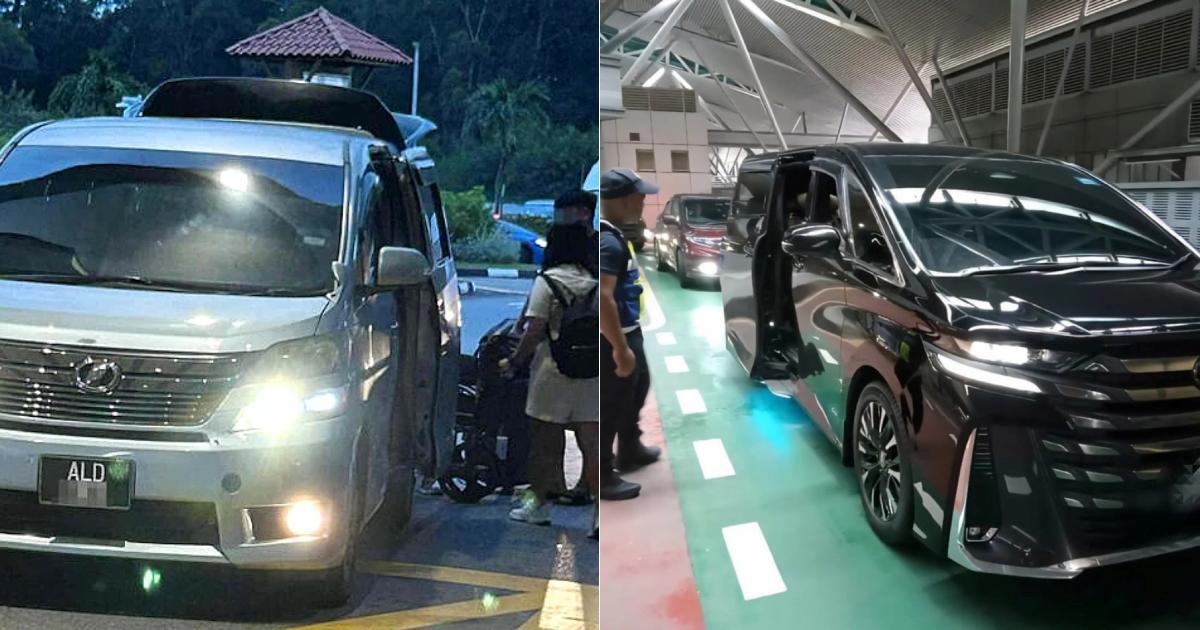
 Cover image via
Follow us on Instagram, TikTok, and WhatsApp for the latest stories and breaking news.
Singapore and Malaysia will allow licensed taxis to make door-to-door cross-border trips, letting them drop off passengers anywhere in the other country under new rules
The change was announced on Friday, 5 December, in a joint statement by the transport ministries of both countries. However, no implementation date has been set yet, according to the New Straits Times.
The move is part of a broader package of enhancements, which also raises the quota for licensed cross-border taxis from 200 to 500.
Singapore's Acting Transport Minister Jeffrey Siow met Malaysian Transport Minister Anthony Loke on Thursday, 4 December, during the 12th Singapore–Malaysia Leaders' Retreat to discuss ways to improve transport links between the two countries.
The ministries said the ministers recognised the growing demand for more convenient cross-border transport services and agreed on measures to improve bus and taxi services while curbing illegal operations.
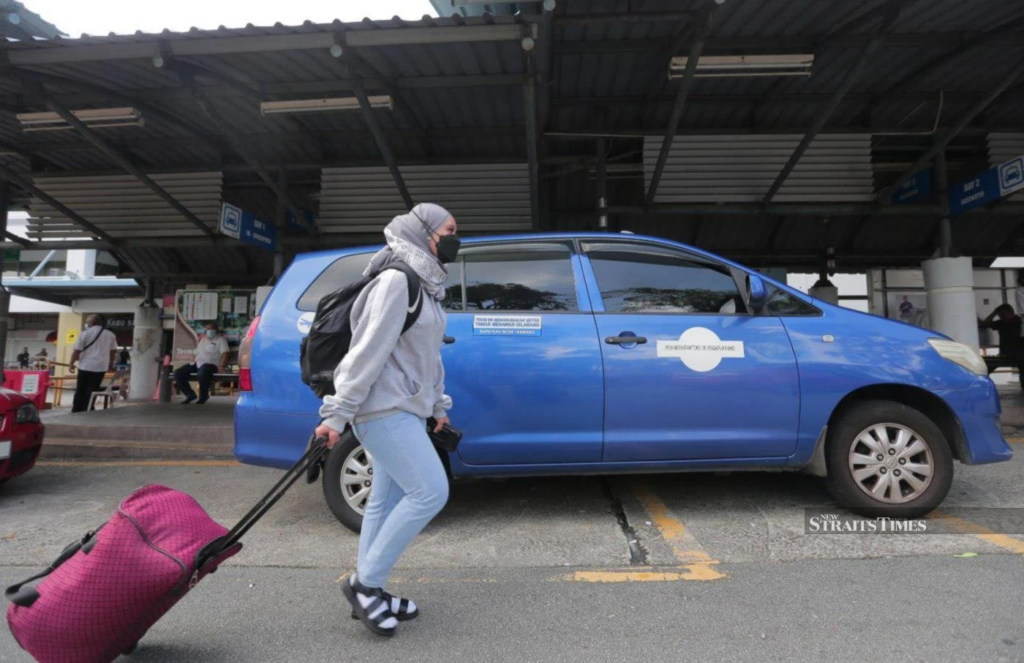
Under the new rules, foreign taxis can drop off passengers anywhere outside their home country but may only pick up passengers at designated points
This prevents them from offering local point-to-point services.
Currently, cross-border taxis can only drop off passengers at Larkin Sentral in Johor Bahru for Singapore taxis, and Ban San Street Terminal in Singapore for Malaysian taxis.
The ministries added that the number of pick-up points for ride-hailing or e-hailing app bookings will gradually increase, reported CNA.
The supply of licensed cross-border taxis will also be gradually ramped up.
"As a start, each country will provide an additional quota of 100, prioritised for larger and more premium vehicles that can address the needs of larger groups and business travellers," the joint statement read.
All licensed taxis must be clearly identifiable by livery and tamper-proof vehicle plates, and must install Singapore's ERP2 onboard unit to enter the country.
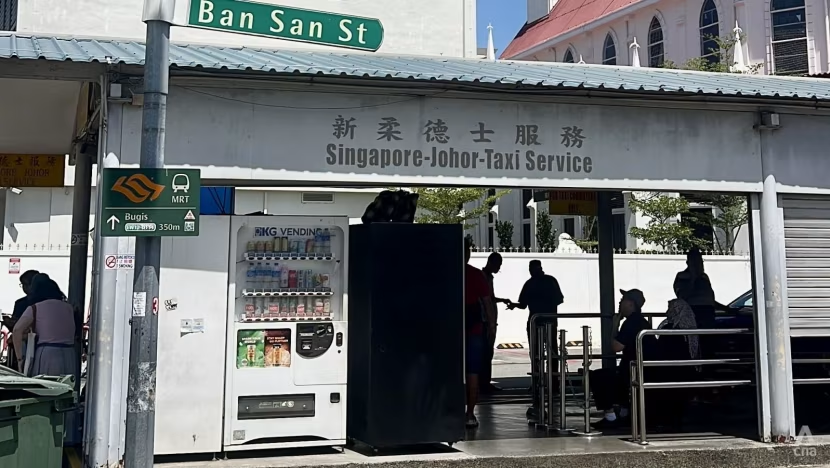
Both governments said they will continue discussions to flesh out the details of the improved Cross-Border Taxi Scheme
They are also working towards a regulatory framework for cross-border ride-hail and e-hailing platforms, improving insurance coverage for cross-border taxis, and expediting claims processing in the event of accidents.
On cross-border bus services, the ministers agreed to work towards aligning regulatory regimes to improve tourism services.
"These enhancements and principles agreed to by both Ministers reflect our continued commitment to improving cross-border connectivity and the commuting experience for travellers between Singapore and Malaysia," the ministries said.
"Officials from both countries will keep up their close engagement and work expeditiously towards an agreement and implementation of enhancements to cross-border taxi and bus services."
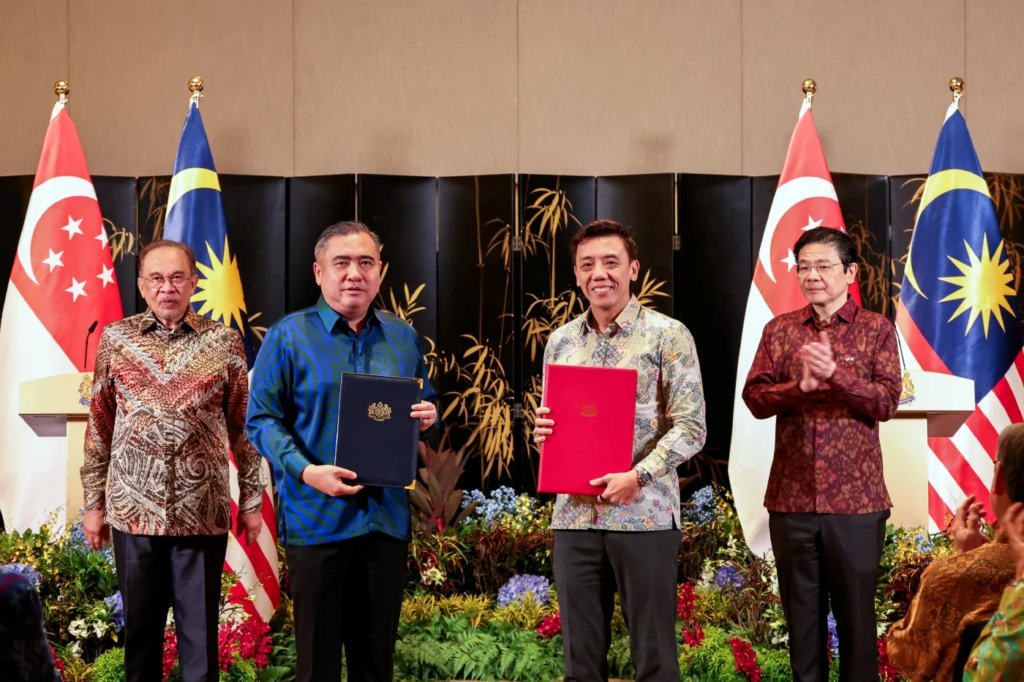
The signing of a Memorandum of Understanding (MOU) between Malaysia's Transport Minister, Anthony Loke (second from left), and Singapore's Acting Transport Minister, Jeffrey Siow (second from right).
Image via BernamaImage viaIn a Facebook post, NTUC assistant secretary-general and adviser to Singapore's National Taxi Association (NTA), Yeo Wan Ling, said the association welcomes the changes
"Over the years, NTA has actively engaged the MOT to raise our taxi drivers' concerns and to push for more sustainable earning opportunities under the cross-border taxi scheme. We are encouraged that the Singapore government will be working with the Malaysian government to review the cross-border taxi service framework," she wrote.
Yeo added that the expansion of pick-up and drop-off points will provide greater convenience for passengers and wider income opportunities for drivers, and noted that the increase in licensed taxi quotas, especially for larger and premium vehicles, will better support business travellers and larger groups.
"These enhancements and the JS-SEZ will open up larger market opportunities for our cabbies, allowing more taxi drivers to tap into the growing demand for cross-border transport," she said.
Yeo also emphasised that NTA will continue to work closely with Singapore's Transport Ministry and Land Transport Authority to ensure "principles of fair competition and a level playing field" are upheld so drivers' interests are protected as the changes are implemented.
