


 Cover image via Borneo Asean Reports
Blessed with an abundance of diversity, breathtaking nature spots and friendly locals, Malaysia has yet again been voted as one the best places in the world to retire at
Crowned by International Living, an American site that focuses on topics about living abroad, retiring overseas and travel, Malaysia is said to be an amazing place to spend one's retirement years thanks to its splendid location, reasonable living costs and amazing food among other reasons.
This isn't the first time we have been named as one of the best places to retire at, we have been bagging the award for the past few years, all naming this little South East Asian jewel as the place to live at for a comfortable yet exciting lifestyle.
According to International Living, Panama topped the list with its excellent retirement benefits that includes discounts for a wide range of thing including transportation, entertainment, healthcare and bills.
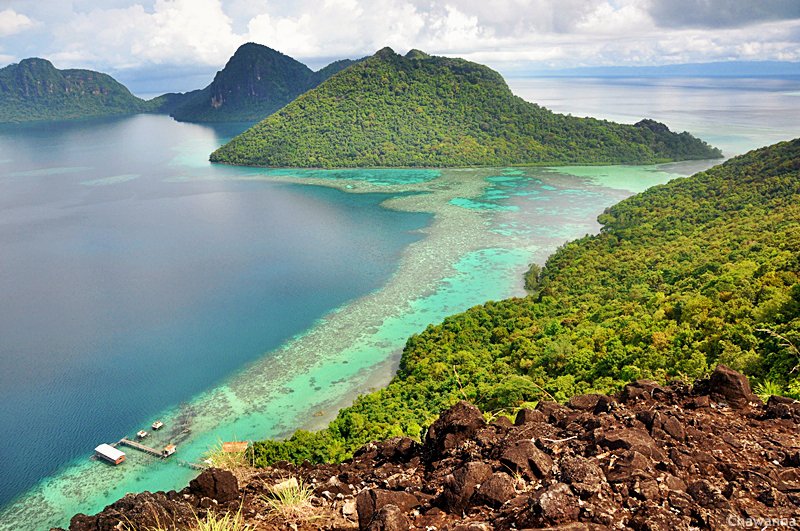



Image via Dominica Malcolm
The annual list is curated based on extensive research on crucial details including accommodation rates, climate, usage of the English language, accessibility to the United States, healthcare and residence visa applications

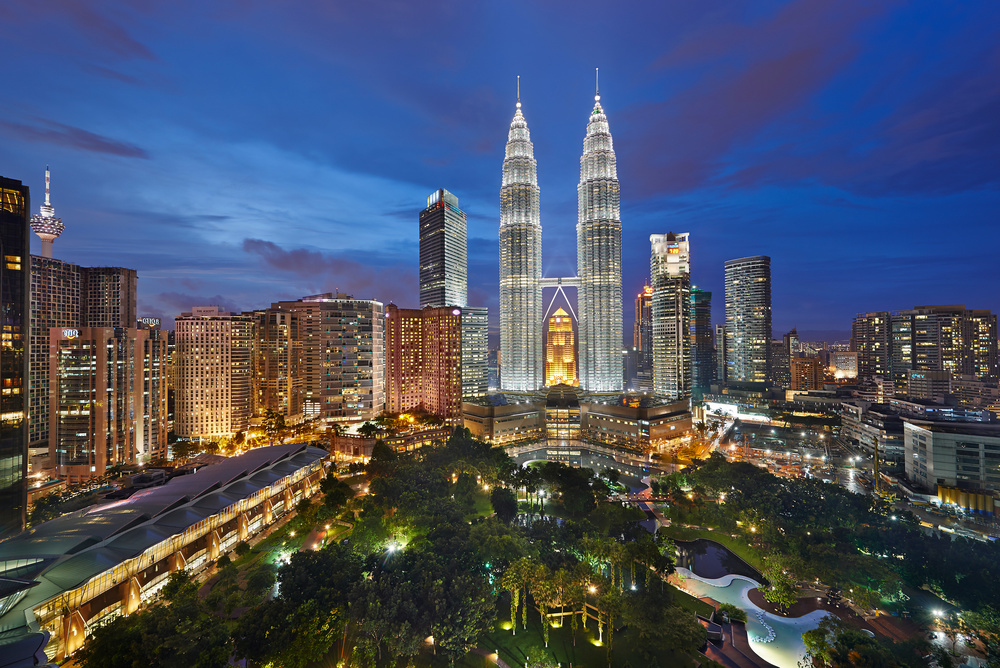
Image via Remote Year
Speaking about the select reasons that puts all these fascinating countries in this list, let's take a look at why Malaysia is a favourite spot among foreign retirees:
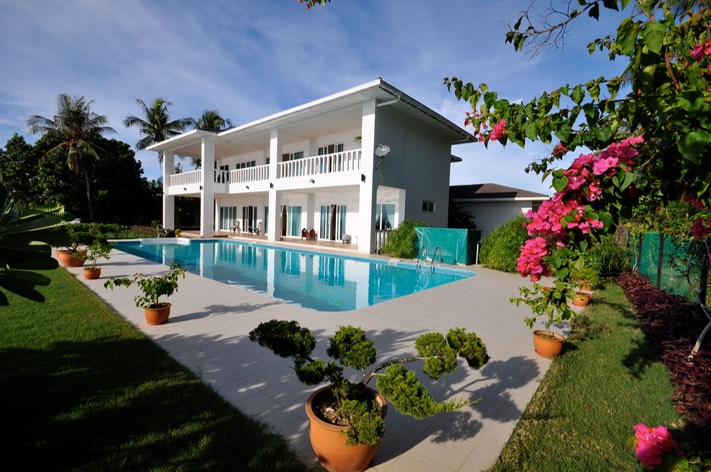
1. With the exchange rates, buying beautiful studio homes and beach villas is totally doable
Malaysia is known to have rather liberal policies when it comes to property ownership for foreigners with a variety of prime areas and house types to choose from.
Foreigners usually flock to the popular and well equipped places like the Penang island, Selangor, Kuala Lumpur and Johor Bahru that are known to have the best facilities and are constantly buzzing with a great blend of activities.
Expatriates can purchase free-hold properties, high-rise condominiums or even landed properties according to the minimum price cap which is RM1 million for condominiums and RM2 million for landed properties in the Penang island.
As for the country's capital, Selangor, the properties will have to be at least RM2 million, whereas price cap in Johor is RM1 million.
2. Most days can easily feel like a summer vacation thanks to the all-year-round dreamy tropical weather
Malaysia is known for its sunny, tropical weather and occasional cool showers which makes for a perfect place to get involved in plenty of outdoorsy activities.
Famous for its amazing islands, sandy beach strips, and cool mountains, the local weather is ideal for anyone looking to spend time exploring the raw beauty of nature.
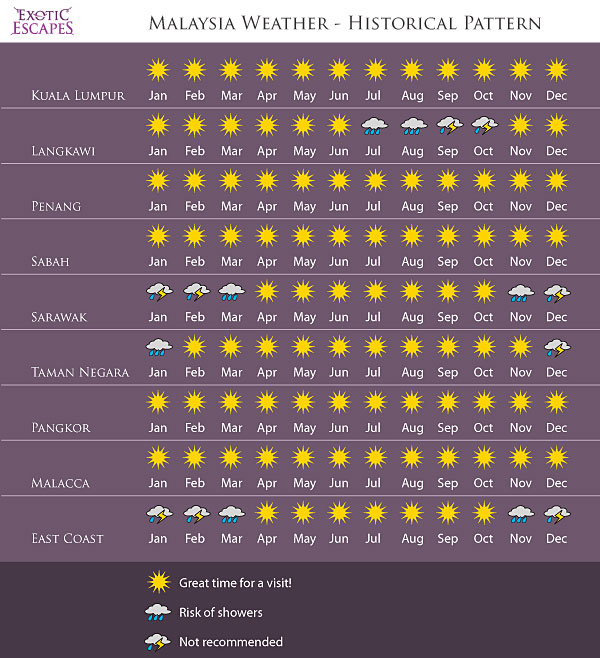
A typical day in Malaysia is usually sunny and windy with an average temperature of 27 degrees Celsius
Image via Exotic Escapes
3. Malaysians generally speak pretty decent English, even the uncles at kopitiams would be able to understand basics of the language
Despite the many grammatical errors that native English speakers usually detect in many parts of Asia, English is very commonly spoken language in Malaysia.
Most locals are able to speak intermediate levels of the English language and expatriates can expect to see better proficiency of the language in urban areas.
Since Malaysia is a very popular tourist destination, even if expats are unable to speak the local language they can still get by very easily as most signage, important details are usually in English.

Image via New York Times
4. Our LRT trains and buses are mostly on time. If not, UBER saves the day!
With pretty efficient train, bus and [cab systems](http://says.com/my/tech/tumpang), people can conveniently move around in Malaysia.
Should they require a more flexible transportation arrangement, expatriates can buy their own cars to travel around.
Domestic and international flights are also available to most parts of the country and world covering a wide range of places.
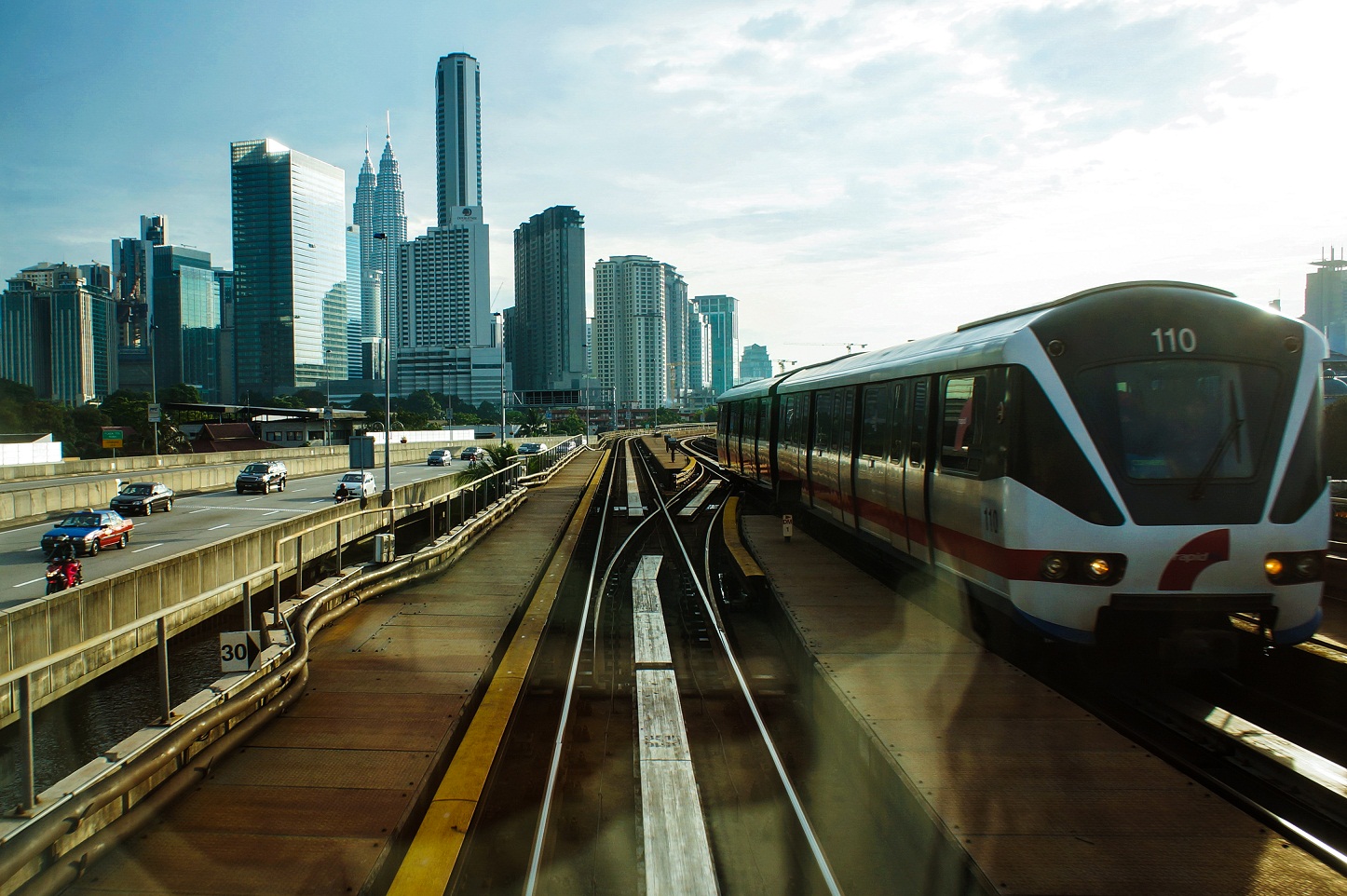
Image via Novotel KL
5. With English-speaking medical staffs and top-notch, affordable healthcare facilities, it is safe to say that patients will be nursed back to health with the best possible care
According to Malaysia Healthcare Travel Council (MHTC), Malaysia received a staggering number of about 800,000 foreign patients in 2014 alone.
Thanks to its affordable, world-class hospitals and healthcare services, foreigners, especially from Asia have been flocking the country seeking for medical treatments.
Despite India being one of the most medically advanced countries in the world, most opt Malaysia instead due to the fact that English is more widely spoken here.
In addition, to make the country more expatriate-friendly, the government created the Malaysia My Second Home program in 2012, that allows foreigners to stay in Malaysia for an extended period of time on a renewable social-visit pass
The program is open to all citizens of countries recognised by Malaysia, regardless of race, religion, gender and age.
Despite the fact that the financial requirements for the program is quite hefty, this program is extremely beneficial to anyone wanting to relocate with their family or on their own as it comes with a great deal of benefits.
The minimum monthly income requirement is RM10,000 which is about USD2,320 based on the current exchange rate of RM1 to USD 0.227689.

Halloween celebration for the expat community in Malaysia at the Bangsar Shopping Centre
Image via The Star
Based on all these reasons, it is clear that Malaysia would serve as an excellent retirement spot for any foreigner looking for a relaxing, vacation-like stay.
What about Malaysians? How does life in Malaysia look like for local retirees?
An online survey by HSBC last year, revealed that Malaysia has the highest percentage of financially insecure retirees compared to 15 other countries that participated in the survey.
According to the survey, 63% of Malaysian retirees raised concerns on not being able to care for their families, fearing the idea of relying on extended families and friends for financial support.
With the recent economic downturns and dropping local currency rates, Malaysians have been complaining of the minimum wages and the sudden hike in living costs that they are unable to cope with.

Image via Maybank2u
An interview with EPF by New Straits Times last year, revealed that only 23% of Malaysians have about RM196,000 in their EPF accounts by the time they retire around the age of 55
According to the piece, RM196,000, divided over a span of 20 years would only give about RM860 per month to survive on and the reality remains that an individual would need about RM1,500 to live in urban areas like Kuala Lumpur or Johor Bahru.
However, Datuk Sharil Ridza Ridzuan, chief executive officer of EPF, explained that the amount needed to lead a good, comfortable lifestyle post retirement really depends on where the individual chooses to live at.
He said that some individuals choose to go back to their *kampungs* and can live with lesser savings since the living costs there would be cheaper.

